
Powering Digital Growth for Businesses Across Industries




















Our Success Stories







Why Work With Us?
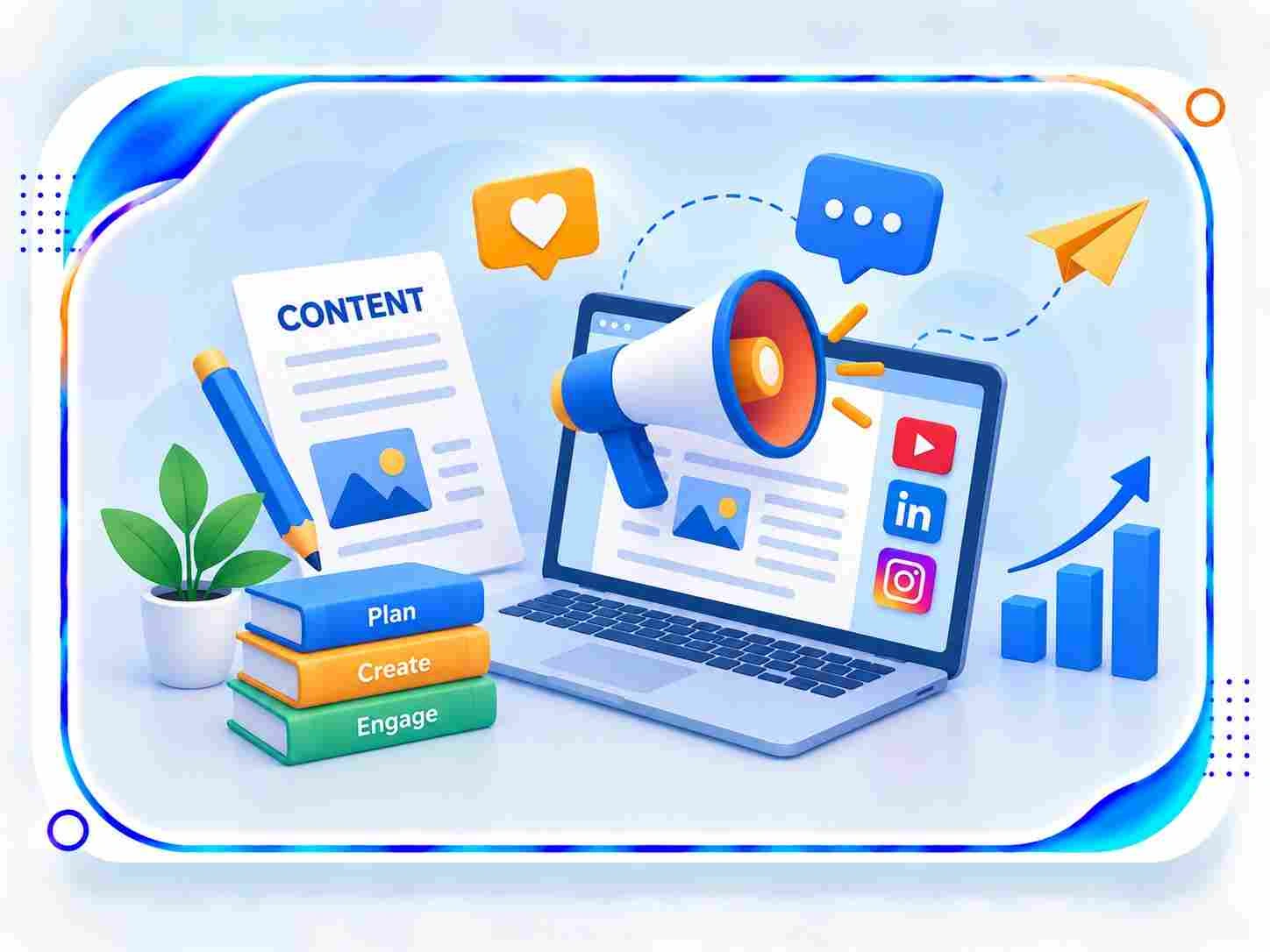
The content we provide engages customers with brands and enhances organic discoverability. Our Content Marketing Services combine editorial analysis, intent of search, attractive messaging, and distribution of content to increase website reach, stimulate audience participation, create expertise on relevant topics, and offer unique business development opportunities.
Content Strategy & Research
Search-Focused Copywriting
Customer-Centric Messaging

Blogs & Landing Pages
Social & Brand Content
Organic Reach & Authority
What Makes Linkplux The Content Marketing Services in chennai?







What Our Clients Say About Us
LinkPlux Content Marketing FAQs
FAQs + more
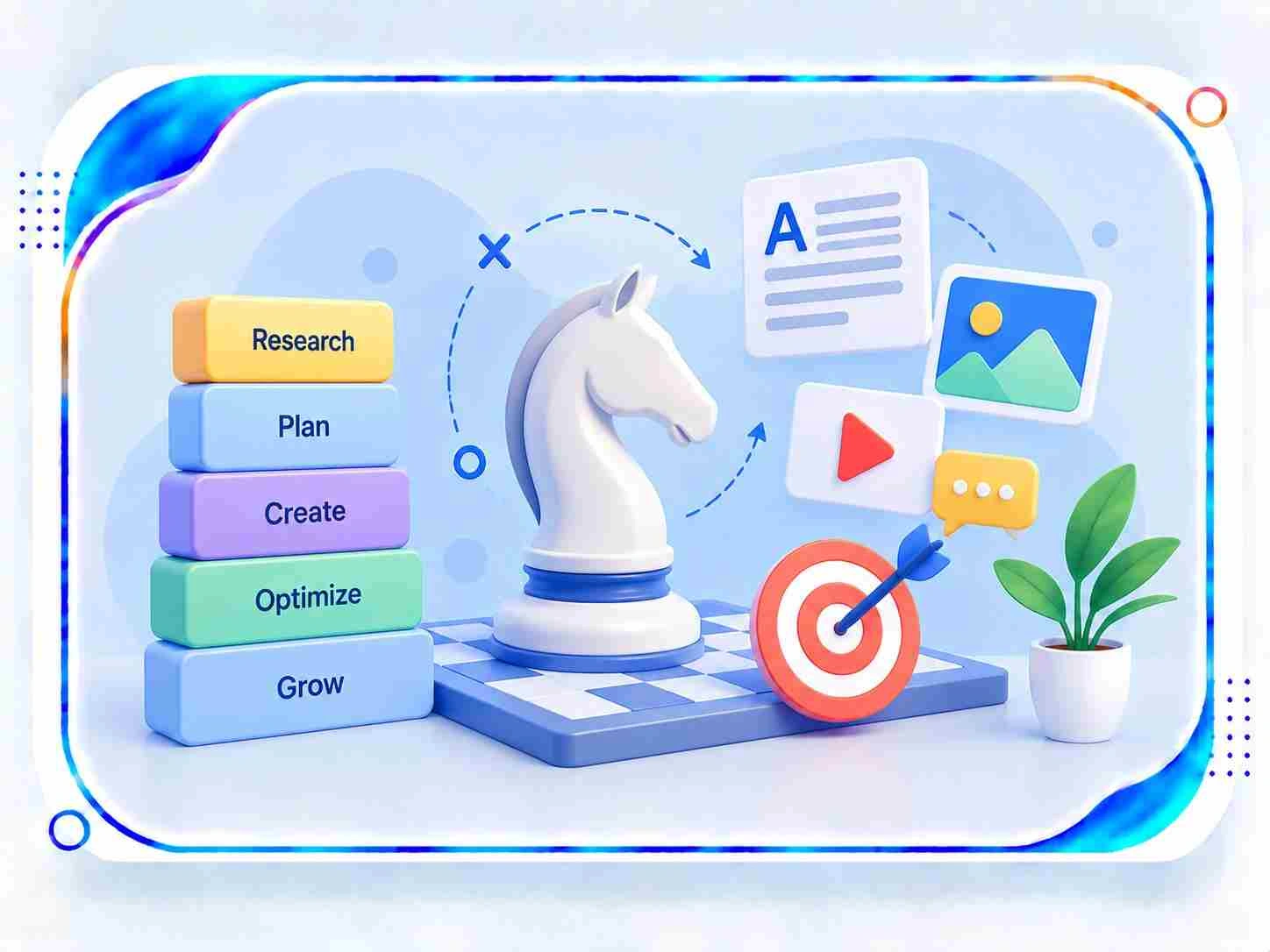
Content Marketing involves researching, planning, producing, refining, and promoting useful information that connects a brand with its intended audience. It can cover SEO articles, blogs, website copy, landing pages, social posts, email campaigns, guides, case studies, and other formats created to improve discoverability, communicate expertise, encourage interaction, and support customer acquisition.
Businesses can use many formats, such as search-led blogs, pillar articles, web pages, landing copy, newsletters, social media posts, eBooks, guides, infographics, customer stories, videos, and thought-leadership material. The suitable mix depends on audience behaviour, industry, publishing resources, campaign objectives, and the stage of the customer journey being addressed.
Pricing can vary according to the number of assets, content formats, research depth, subject complexity, publishing frequency, SEO requirements, and distribution channels involved. A tailored plan may cover editorial planning, keyword discovery, writing, editing, optimization, publishing assistance, promotion, and reporting, with the scope adjusted to match the business's priorities and available budget.
Yes. Search-oriented content can complement an SEO program by addressing relevant queries, covering related topics, and giving search engines clearer context about a website. Well-structured articles, service pages, guides, and supporting resources can contribute to organic discovery when they provide genuinely useful information, follow sound on-page practices, and satisfy the intent behind relevant searches.
Useful content can bring visitors to a website by responding to questions and subjects that potential customers actively explore. Search-optimized articles, resource pages, guides, and landing experiences can capture relevant queries, while distribution through social networks, newsletters, and other channels can introduce the material to additional audiences and create more pathways to the website.
Consistent publishing gives a brand more opportunities to communicate its knowledge, perspective, solutions, and values. Helpful articles, social updates, expert commentary, videos, and educational resources can increase repeated exposure across digital touchpoints. Over time, a recognizable voice and useful subject coverage can help audiences associate the business with relevant information and develop greater familiarity with its offerings.
Yes. Content can support demand generation by attracting people with relevant needs and guiding them toward useful next steps. Educational resources, comparison pages, case studies, downloadable guides, solution-focused articles, and conversion pages can answer concerns, demonstrate expertise, and encourage visitors to enquire, subscribe, request information, or explore a product or service.
Yes. Repurposed articles, short-form insights, educational posts, customer stories, videos, and visual resources can give social channels a steady stream of relevant material. Content tailored to platforms such as LinkedIn, Instagram, Facebook, and YouTube can encourage reactions, shares, discussions, profile visits, and website visits while helping maintain a recognizable communication style across channels.
The timeframe differs according to website authority, competition, subject demand, publishing consistency, content depth, and distribution activity. Engagement or referral improvements may appear sooner, while organic search growth often needs sustained publishing and refinement. Tracking relevant indicators over several publishing cycles provides a clearer view of how content contributes to visibility, audience development, enquiries, and conversions.
Useful measurements include organic sessions, impressions, clicks, keyword visibility, engagement, returning visitors, enquiries, assisted conversions, downloads, subscriptions, and revenue influenced by content. The appropriate KPIs depend on the campaign objective. Reviewing these signals together can reveal which subjects, formats, pages, and distribution methods are attracting attention and contributing to broader marketing goals.
There is no universal publishing schedule because frequency should reflect audience demand, available resources, content complexity, and strategic priorities. A consistent editorial calendar is generally more useful than publishing large volumes without direction. Businesses may combine new articles with page updates, content repurposing, social distribution, and periodic topic expansion to keep their digital presence useful and current.
Yes. Research, editorial planning, writing, editing, SEO refinement, approvals, publishing coordination, social scheduling, and reporting can all be handled through digital collaboration. This makes it possible to support businesses targeting Chennai, other Indian cities, or international markets without requiring teams to work from the same location.
Useful editorial material can give email campaigns more substance through newsletters, educational series, curated insights, downloadable resources, product information, and customer-focused updates. These assets can encourage subscriptions and provide reasons for subscribers to remain engaged. Segmented content can also be matched to different interests, helping businesses deliver more relevant information throughout the prospect and customer lifecycle.
Yes. Content can connect organic search with social media, email, paid campaigns, and other digital activities. A detailed article may support search discovery, become social material, provide information for an email newsletter, or serve as a destination for paid traffic. Coordinating these channels around shared themes can create a more consistent customer experience and extend the reach of valuable brand information.