
 4.8 / 5 Rating
Powered by ACTE
Best AI-Powered Cloud Computing Training
Accelerate your digital career with expert-led training focused on AI-Powered Cloud Computing Tools at Linkplux.
Build Advanced Cloud Computing Skills
Through Practical Training
Linkplux delivers expert-led learning covering cloud fundamentals, infrastructure, virtualization, DevOps, and modern deployment practices. Our Cloud Computing Training emphasizes hands-on labs, practical exercises, and real-world projects. Whether you're a beginner or an IT professional, this program helps you develop job-ready cloud technology skills.
Hands-On Cloud Projects
AWS, Azure & Cloud Automation
Career & Placement Guidance

Cloud Portfolio Building
Industry Expert Guidance
Professional Cloud Certification
Cloud Computing Course Highlights
Practical Cloud Computing Learning
Develop practical expertise through cloud computing concepts, infrastructure exercises, and real-world cloud projects designed to build deployment skills.
AWS, Azure & Google Cloud Expertise
Explore AWS, Microsoft Azure, and Google Cloud services, including compute, storage, networking, databases, and infrastructure management fundamentals.
Professional Cloud Certification
Enhance your profile with cloud certification guidance and a course credential demonstrating your knowledge of cloud platforms and infrastructure.
Career & Placement Guidance
Prepare for cloud technology careers through resume support, technical interview practice, practical exercises, and career-focused cloud preparation.
Real-World Cloud Projects
Apply cloud concepts through practical applications involving storage, networking, databases, security, and deployment while gaining valuable project experience.
Mentor-Guided Cloud Learning
Learn through structured sessions covering cloud architecture, AWS services, Azure, networking, DevOps, and administration with practical guidance from experienced trainers.
DevOps & Cloud Automation
Explore modern deployment practices using Docker, Kubernetes, CI/CD, Git, automation, and DevOps tools to develop skills for scalable cloud-native deployments.
Cloud Security & Infrastructure
Understand cloud security, identity management, monitoring, secure networking, backup, and high availability practices for building reliable and secure cloud environments.
How You'll Learn
Career-Focused Cloud Computing Course Syllabus
Module 1: Cloud Computing Fundamentals
- Unit 1: Cloud Computing Concepts, Benefits and Applications
- Unit 2: IaaS, PaaS, SaaS and Serverless Computing Models
- Unit 3: Public, Private, Hybrid and Multi-Cloud Architectures
- Unit 4: Virtualization, Elasticity, Scalability and Availability
- Unit 5: Cloud Migration, Adoption and Deployment Strategies
AI Tools used in this Module
Module 2: Linux Administration & Cloud Automation
- Unit 1: Linux Installation, File Systems and Essential Commands
- Unit 2: Users, Permissions, Processes and Services
- Unit 3: Shell and Bash Scripting Fundamentals
- Unit 4: Python Scripting for Cloud Automation
- Unit 5: REST APIs, JSON, YAML and Cloud Automation
AI Tools used in this Module
Module 3: AWS Cloud Services & Architecture
- Unit 1: AWS Global Infrastructure and Core Services
- Unit 2: EC2, AMI, EBS and Auto Scaling
- Unit 3: S3, Storage Classes, Versioning and Lifecycle Policies
- Unit 4: IAM, VPC, Subnets, Security Groups and Load Balancing
- Unit 5: RDS, DynamoDB, Lambda, CloudFront and CloudFormation
AI Tools used in this Module
Module 4: Microsoft Azure & Cloud Solutions
- Unit 1: Azure Architecture, Regions and Availability Zones
- Unit 2: Azure Virtual Machines and Resource Groups
- Unit 3: Azure Storage, Virtual Networks and Security
- Unit 4: Azure App Services and Serverless Functions
- Unit 5: Azure Monitor, Backup and Disaster Recovery
AI Tools used in this Module
Module 5: DevOps, Docker & Kubernetes
- Unit 1: Git, GitHub and Source Code Management
- Unit 2: Jenkins and Continuous Integration
- Unit 3: Docker Images, Containers, Volumes and Networking
- Unit 4: Kubernetes Architecture, Pods, Services and Deployments
- Unit 5: CI/CD Pipelines and Cloud-Native Deployment
AI Tools used in this Module
Module 6: Infrastructure as Code & Automation
- Unit 1: Infrastructure as Code Principles and Workflows
- Unit 2: Terraform Providers, Resources and State
- Unit 3: Terraform Modules and Cloud Provisioning
- Unit 4: Ansible Configuration and Server Management
- Unit 5: Automated Infrastructure Provisioning and Deployment
AI Tools used in this Module
Module 7: Cloud Security & Monitoring
- Unit 1: Cloud Security Principles and Shared Responsibility
- Unit 2: Identity, Access Control and Data Encryption
- Unit 3: Network Security, Firewalls and Secure Connectivity
- Unit 4: Monitoring, Logging and Cloud Performance Management
- Unit 5: Backup, Compliance and Disaster Recovery
AI Tools used in this Module
Module 8: AI-Powered Cloud Computing
- Unit 1: Artificial Intelligence Services in Cloud Platforms
- Unit 2: AI Services and Intelligent Cloud Applications
- Unit 3: Machine Learning Workloads on Cloud Infrastructure
- Unit 4: AI-Assisted Cloud Automation and Optimization
- Unit 5: Developing AI-Enabled Cloud Solutions
AI Tools used in this Module
Module 9: Real-Time Cloud Projects & Certification
- Unit 1: End-to-End Cloud Infrastructure Project
- Unit 2: Containerized Application Deployment
- Unit 3: Automated CI/CD Cloud Pipeline
- Unit 4: Cloud Architecture and Troubleshooting Practice
- Unit 5: Certification Preparation and Technical Interview Readiness
AI Tools used in this Module
Let's Get Started
Skills Covered


Cloud Computing Tools & Technologies You'll Master in Chennai
Cloud Platforms "Build Practical Expertise with Leading Cloud Providers for Modern Infrastructure, Applications & Scalable IT Solutions"


AWS Services "Develop Hands-On Skills with Core Amazon Web Services for Compute, Storage, Networking, Databases & Monitoring"



DevOps & Container Tools "Automate Application Delivery and Manage Portable Workloads with Containers, Orchestration, Linux & Continuous Integration"


Cloud Automation & Infrastructure "Streamline Cloud Operations Using Infrastructure as Code, Automated Provisioning, Configuration Management & Resource Orchestration"


Cloud Databases & Storage "Manage Business Data Efficiently with Managed Databases, Object Storage, Backup Solutions, Distributed Systems & Data Migration"
Eligibility & Criteria
Everything you need to know to join and qualify for placement.
Who Can Apply?
Eligibility Year of Passing
2018 and After
Graduates
Any Graduate / Diploma
Academic Percentage
Min 60%
Placement Eligibility
Attendance
Min 90%
Assessment Marks
Min 75%
Live Projects
100% Completion
Why Cloud Computing Training
Can Shape Your Career
Cloud technology supports modern IT operations through scalable infrastructure, virtual services, DevOps practices, automation, and application deployment. Developing cloud expertise can help learners prepare for technical roles across infrastructure, development, security, and platform engineering.
Growing Need for Cloud Technology
Develop Practical Infrastructure Expertise
Explore AWS, Azure & DevOps Roles
Pursue Diverse Opportunities
Grow with Automation & Cloud Innovation
Cloud Computing Job Roles and Annual Salary Range
Cloud Support Engineer
- Cloud Support Engineer
- Cloud Operations Associate
- Technical Support Engineer
- Cloud Support Associate
- Junior Cloud Administrator
- Infrastructure Support Engineer
Cloud Engineer
- Cloud Engineer
- AWS Cloud Engineer
- Azure Cloud Engineer
- Cloud Infrastructure Engineer
- Cloud Systems Engineer
- Cloud Administrator
DevOps Engineer
- DevOps Engineer
- Cloud DevOps Engineer
- CI/CD Engineer
- Automation Engineer
- Site Reliability Engineer
- Cloud Deployment Engineer
Cloud Security Engineer
- Cloud Security Engineer
- Cloud Security Analyst
- Security Operations Engineer
- Cloud Compliance Specialist
- Cloud Identity and Access Engineer
- Cloud Security Consultant
Cloud Architect
- Cloud Solutions Architect
- Cloud Infrastructure Architect
- Solutions Architect
- Enterprise Cloud Architect
- Cloud Migration Architect
- Cloud Technology Architect
Cloud Solutions Director
- Head of Cloud Engineering
- Cloud Solutions Director
- Cloud Transformation Leader
- Director of Cloud Architecture
- Head of Cloud Infrastructure
- Cloud Strategy Director
Cloud Computing Career Roadmap
- Cloud Computing Intern
- Cloud Support Associate
- Junior Cloud Administrator
- Cloud Engineer
- AWS Cloud Administrator
- Cloud Operations Specialist
- Senior Cloud Engineer
- Cloud DevOps Engineer
- Site Reliability Engineer
- Cloud Architect
- Cloud Solutions Lead
- Cloud Infrastructure Manager
Our Alumni Work at




















Success Stories from Our Students
See how Linkplux's IT training programs have helped students land top jobs through hands-on learning and expert guidance.
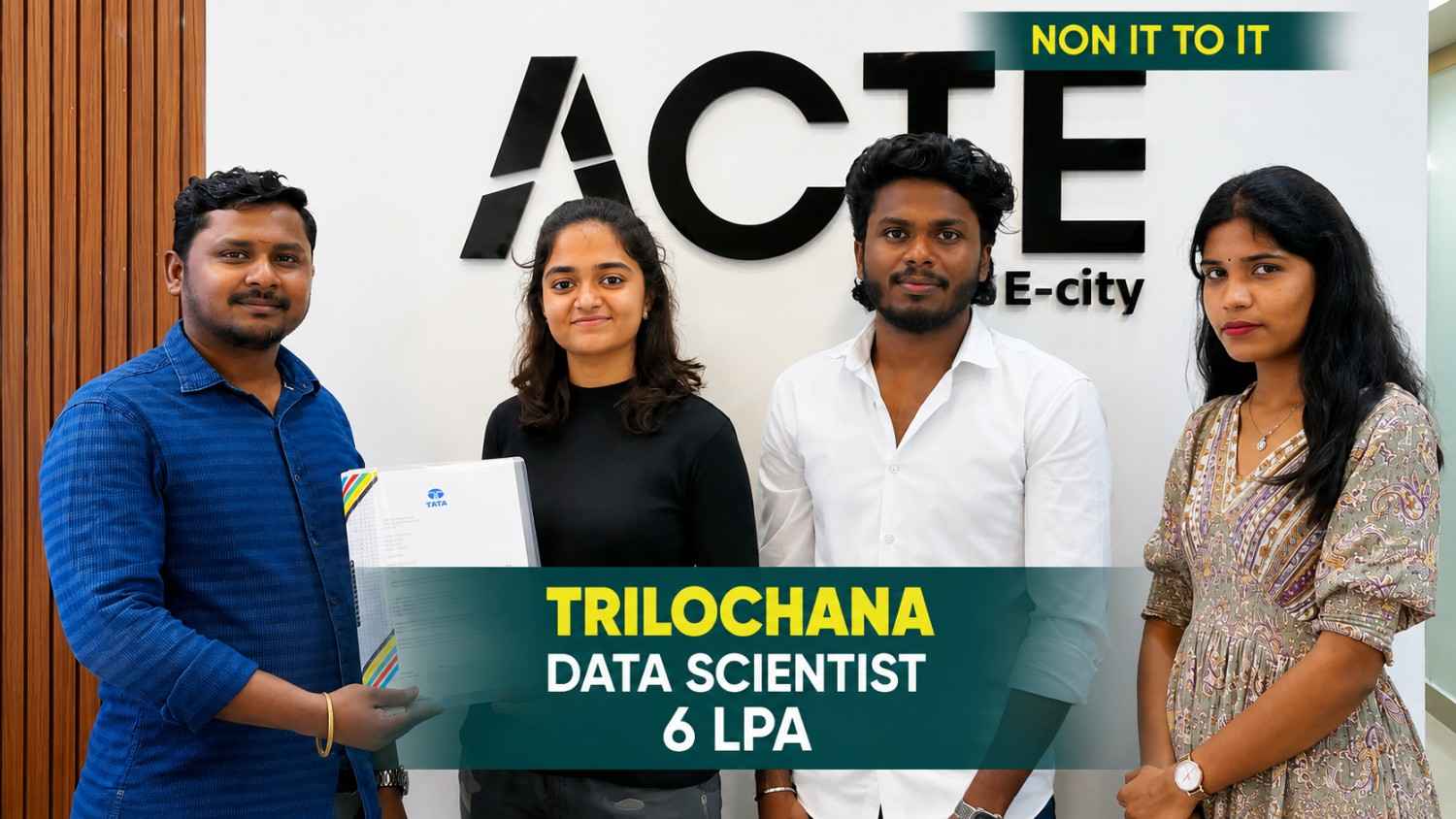
Trilochana found her path with Linkplux and landed the dream job.
#Datascience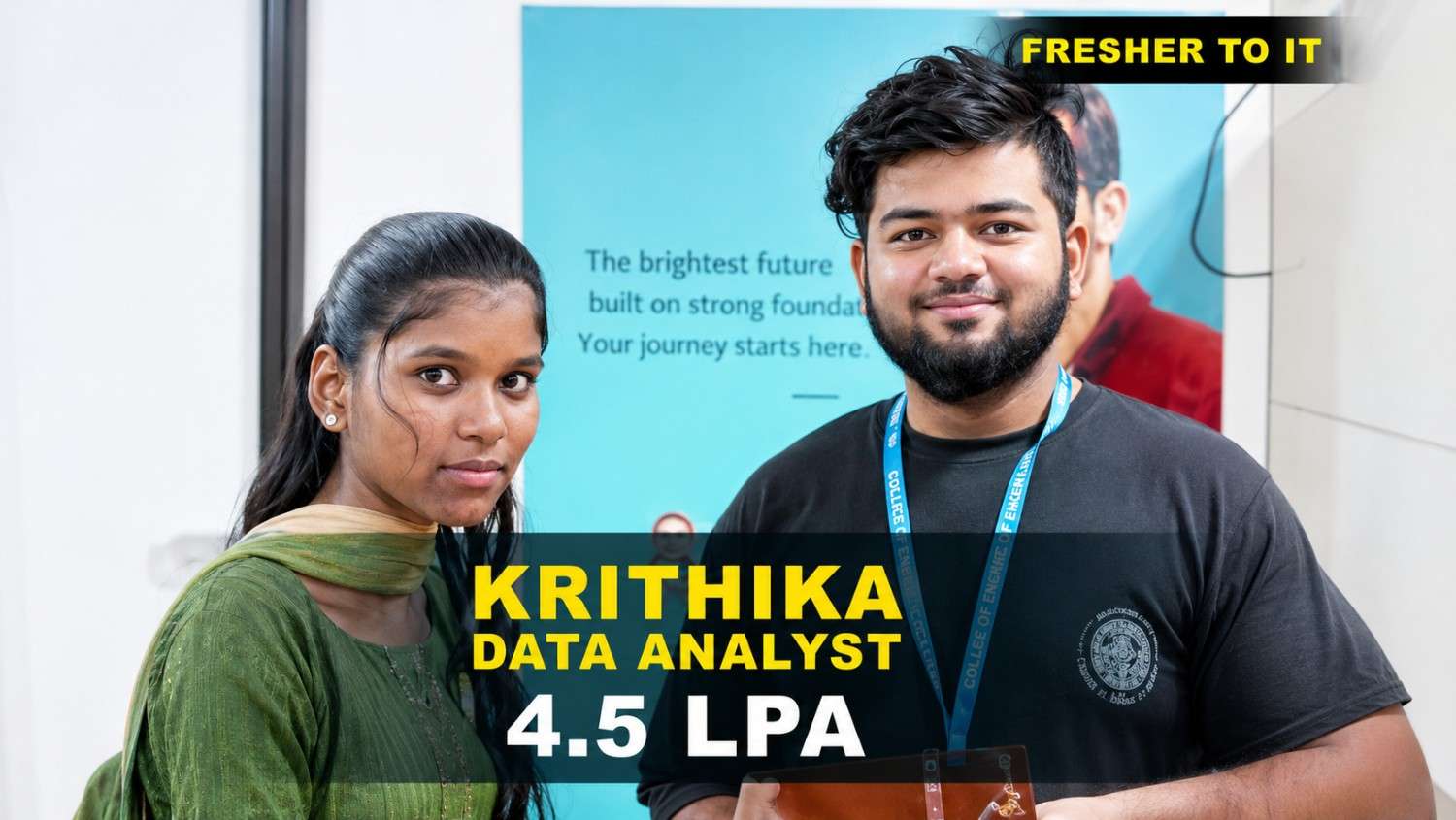
Krithika transformed her career with Linkplux and secured a Data Analyst role with a 4.5 LPA package. 🚀
#DataAnalytics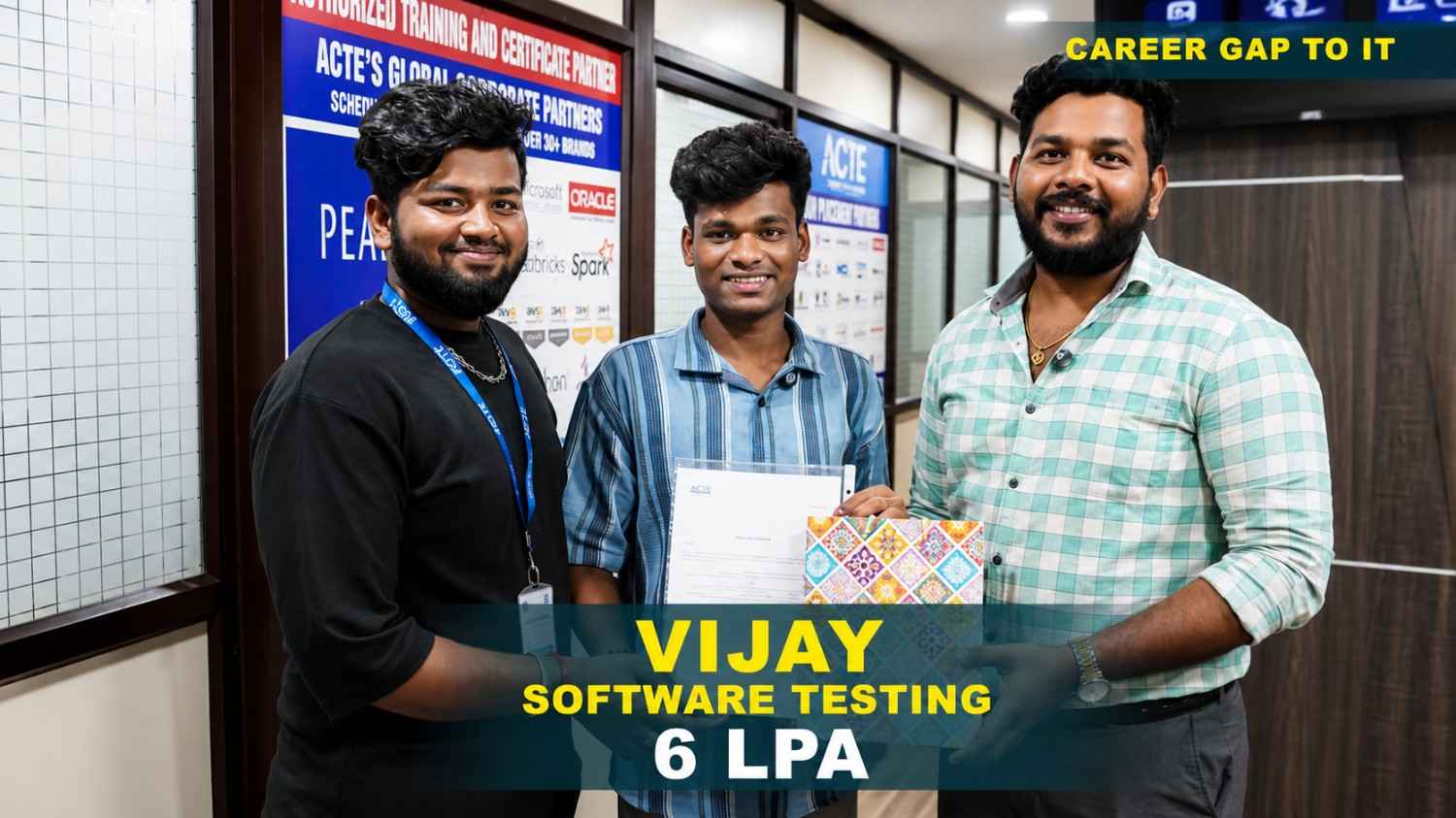
Students shared how Linkplux's practical training and live projects helped him confidently start his Digital Marketing career.
#DigitalMarketing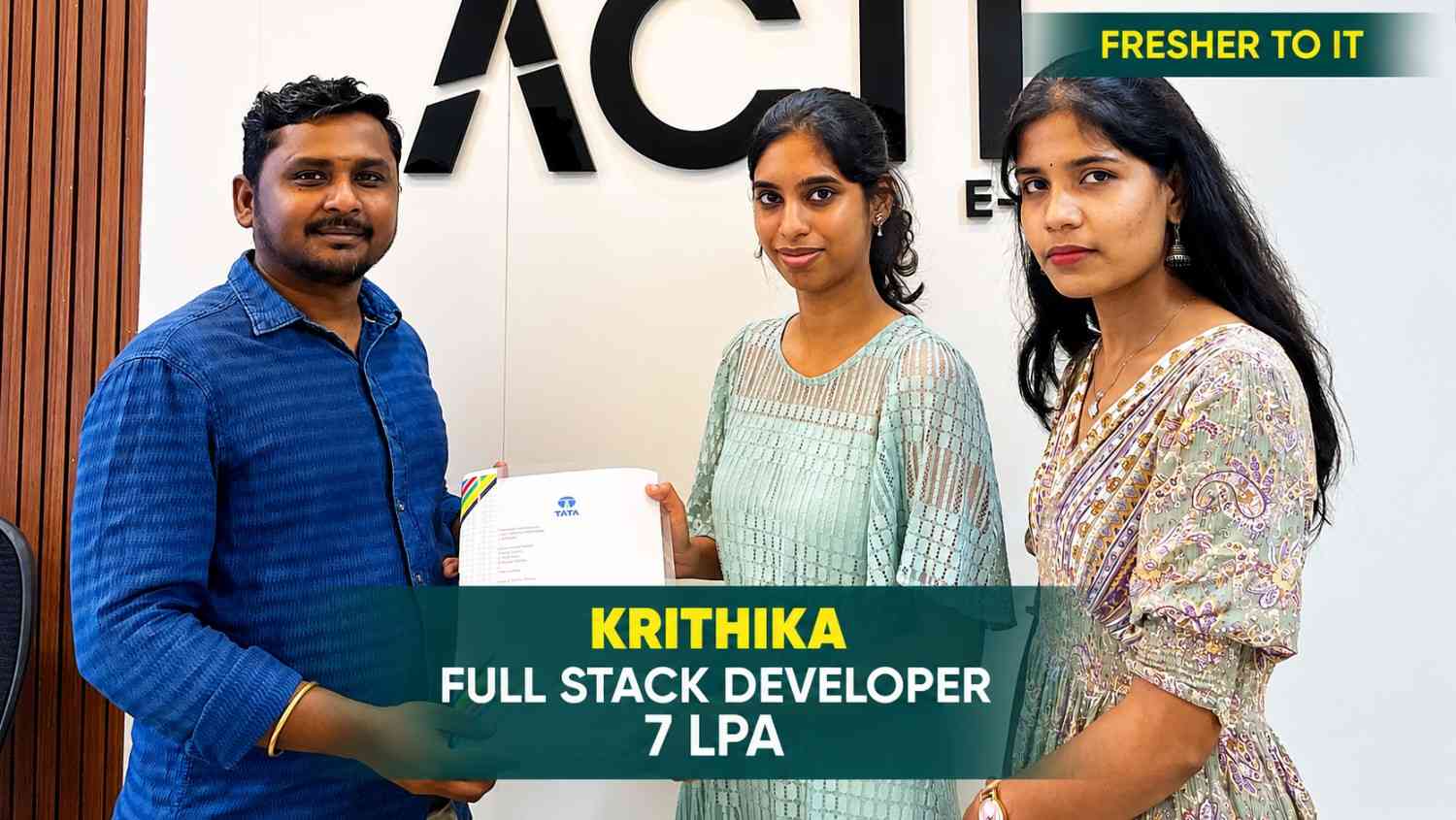
Krithika built her Full Stack Development skills at Linkplux and secured a 7 LPA Software Developer role. 🚀
#FullStackDevelopment
Oviya Shree developed strong Data Analytics skills at Linkplux and launched her career as a Data Analyst. 📊
#DataAnalytics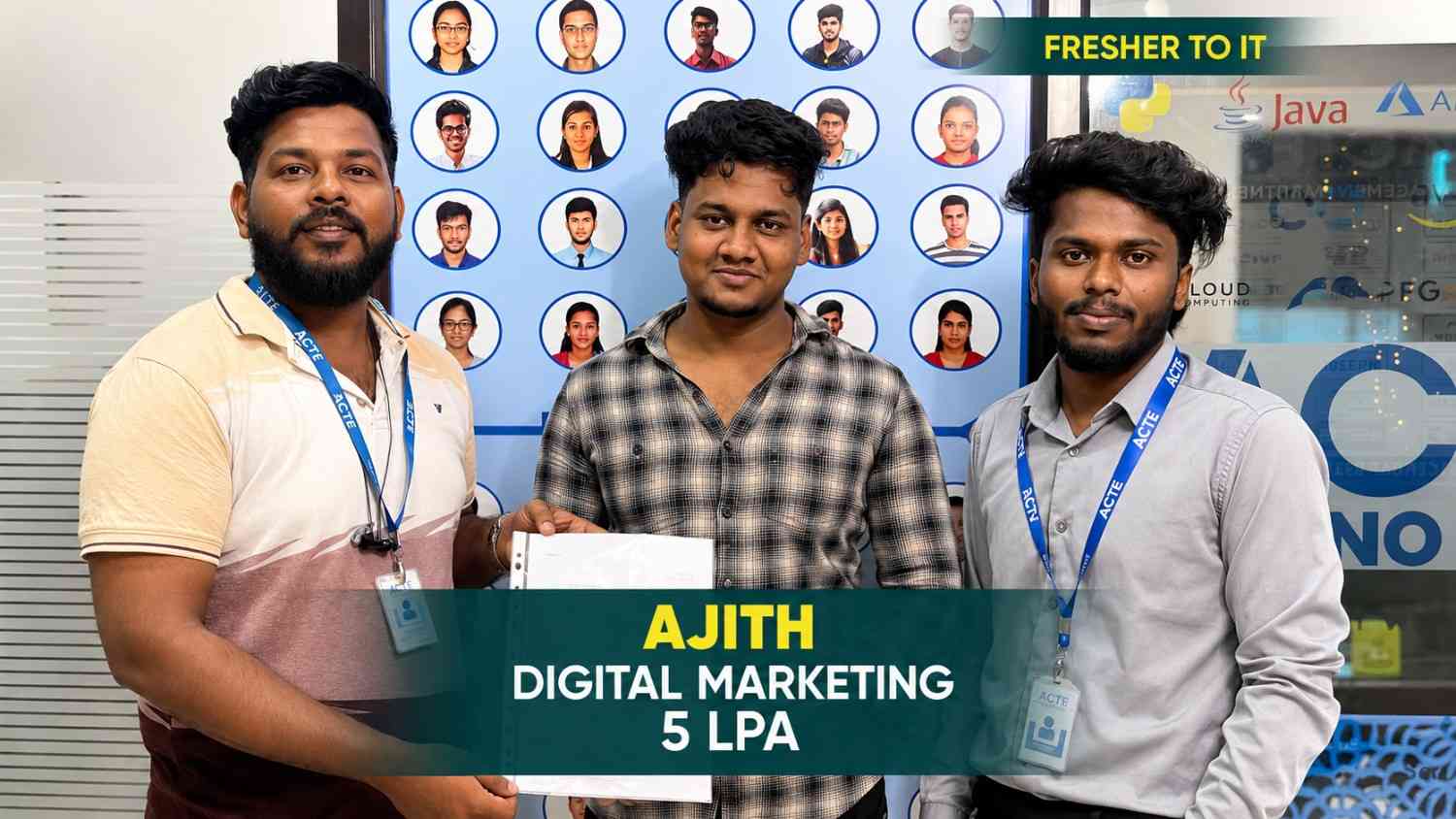
From a small town to a top tech firm, learn how our hands-on projects helped.
#Inspiration
From a small town to a top tech firm, learn how our hands-on projects helped.
#Inspiration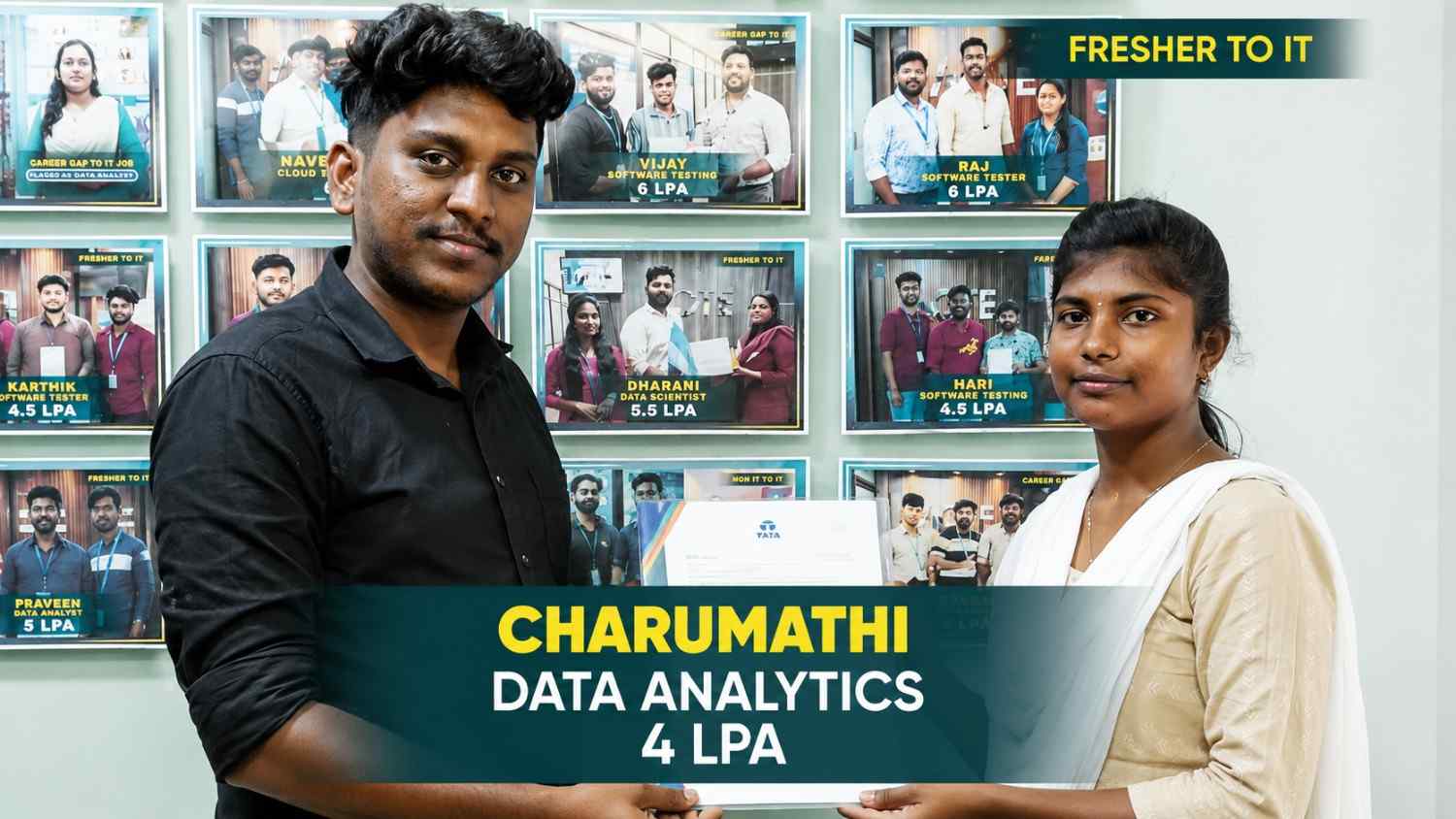
From a small town to a top tech firm, learn how our hands-on projects helped.
#Inspiration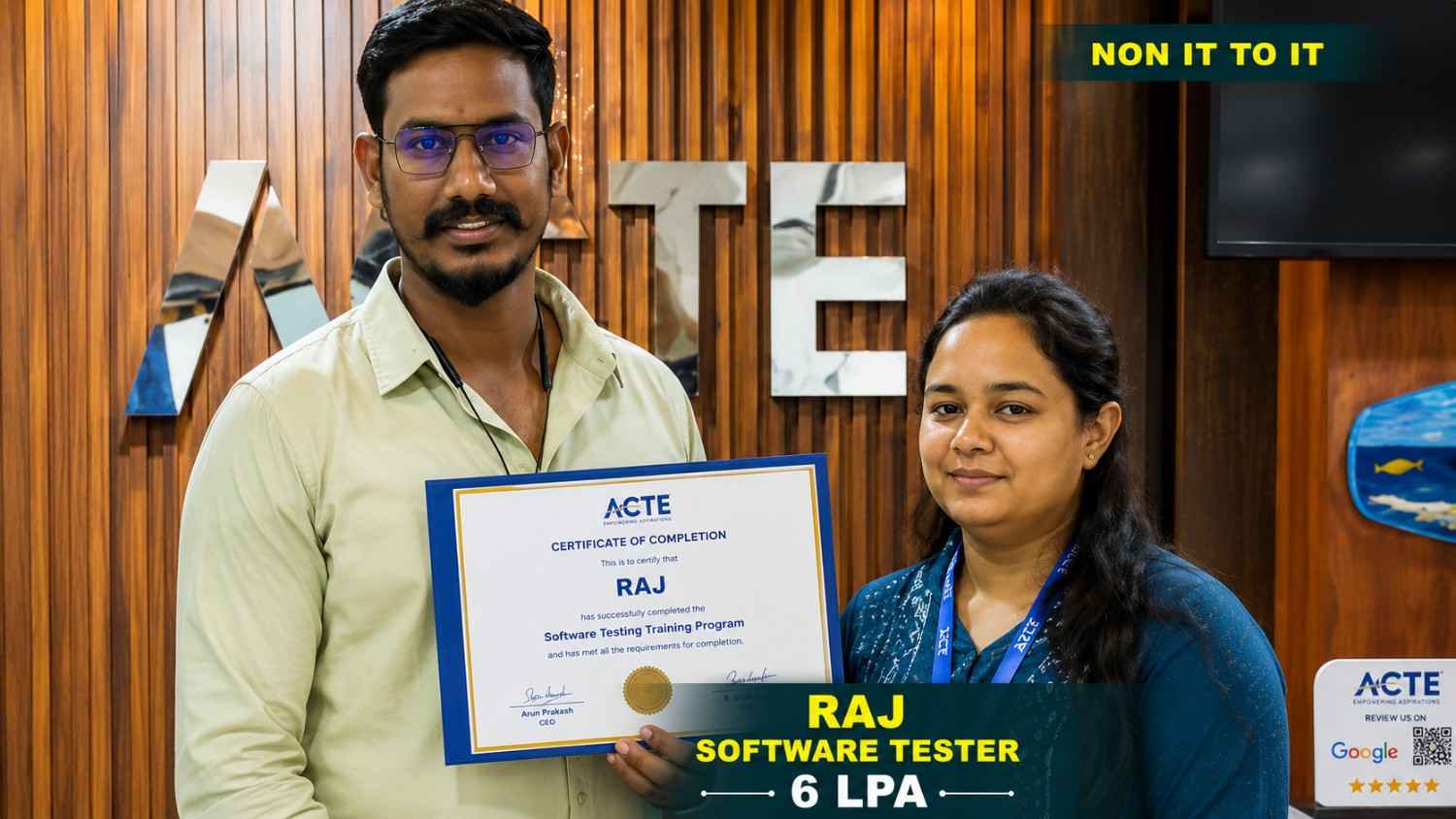
From a small town to a top tech firm, learn how our hands-on projects helped.
#Inspiration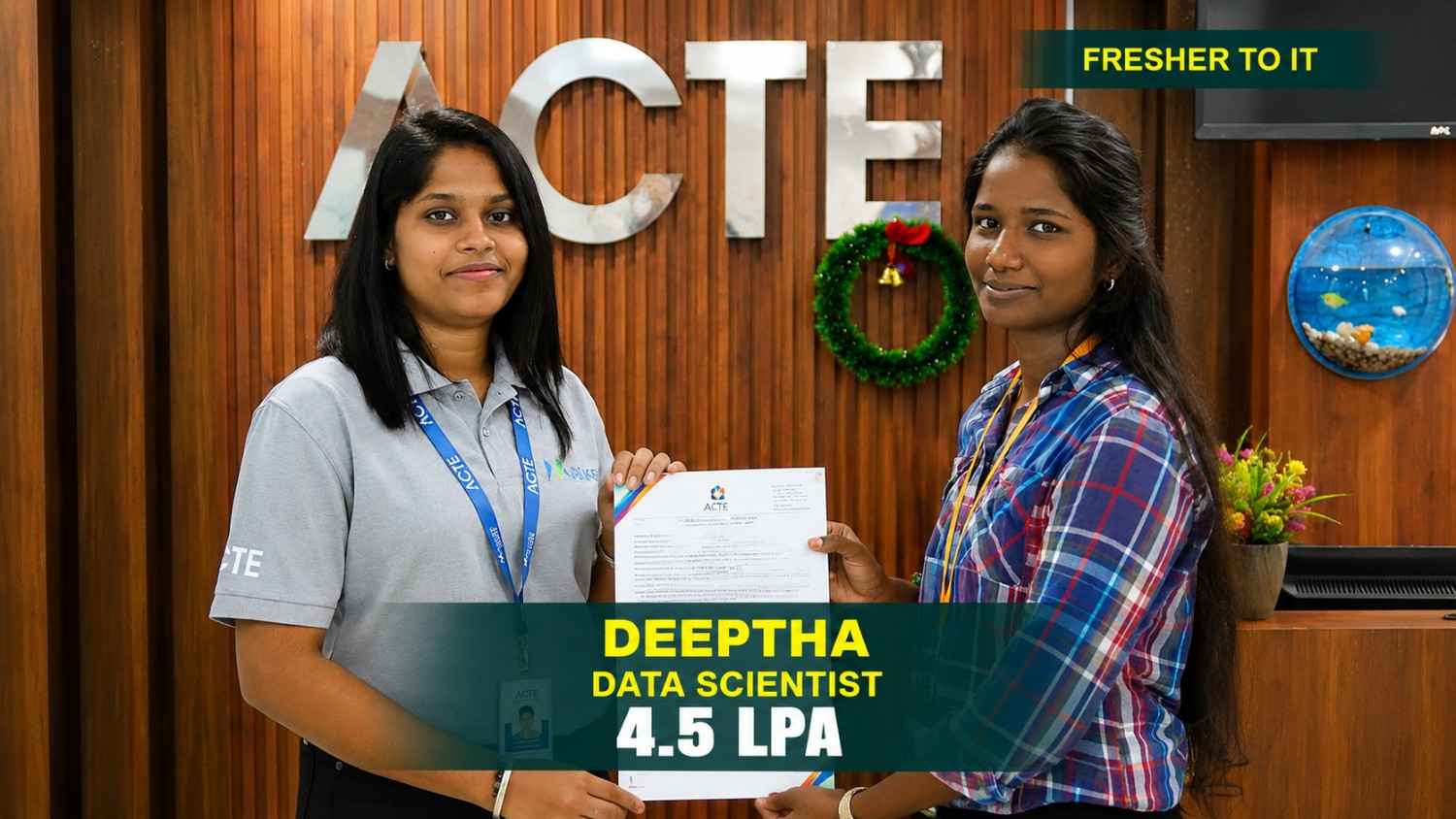
From a small town to a top tech firm, learn how our hands-on projects helped.
#Inspiration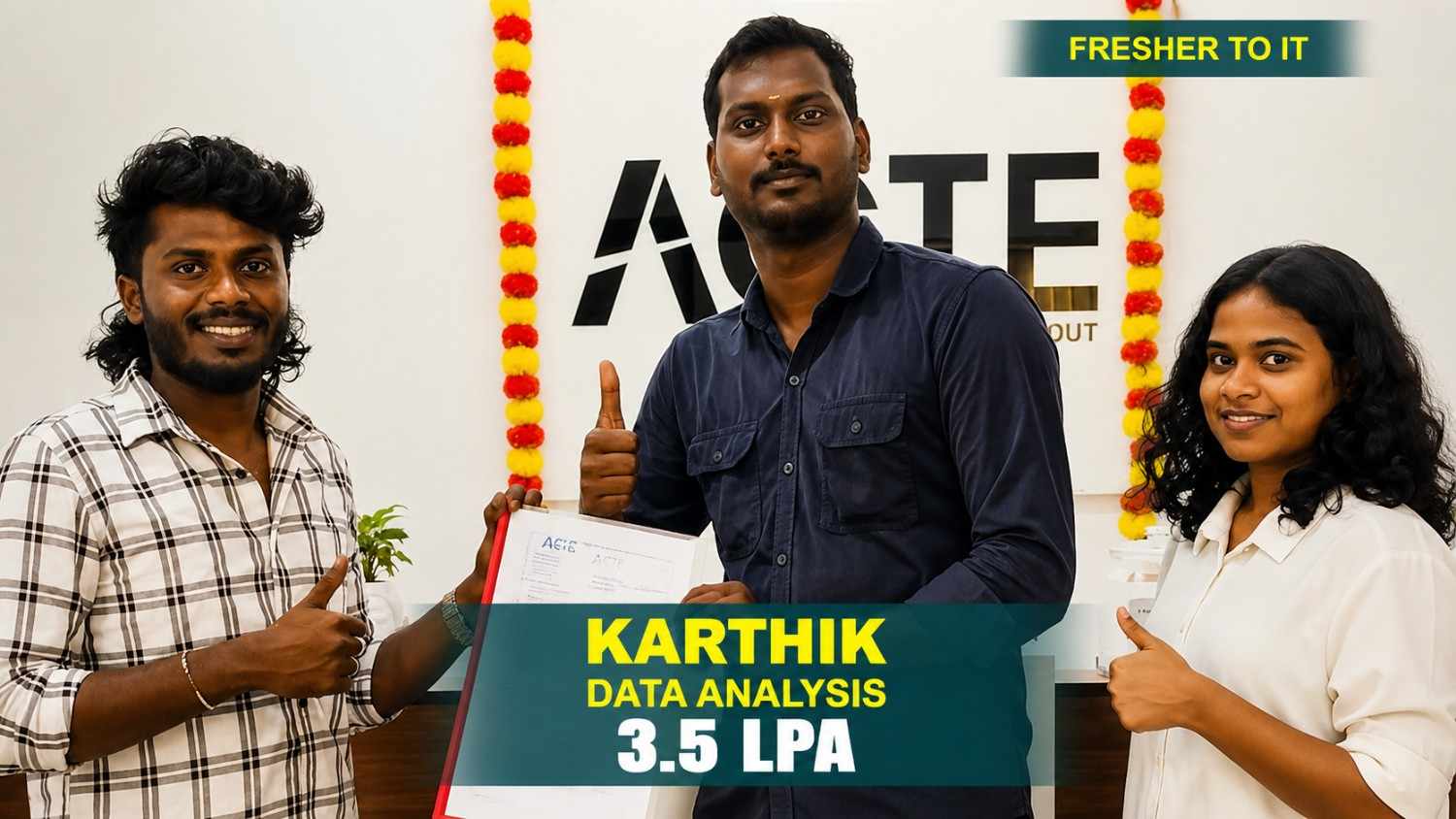
From a small town to a top tech firm, learn how our hands-on projects helped.
#InspirationGet Advanced Cloud Computing Course
Certification
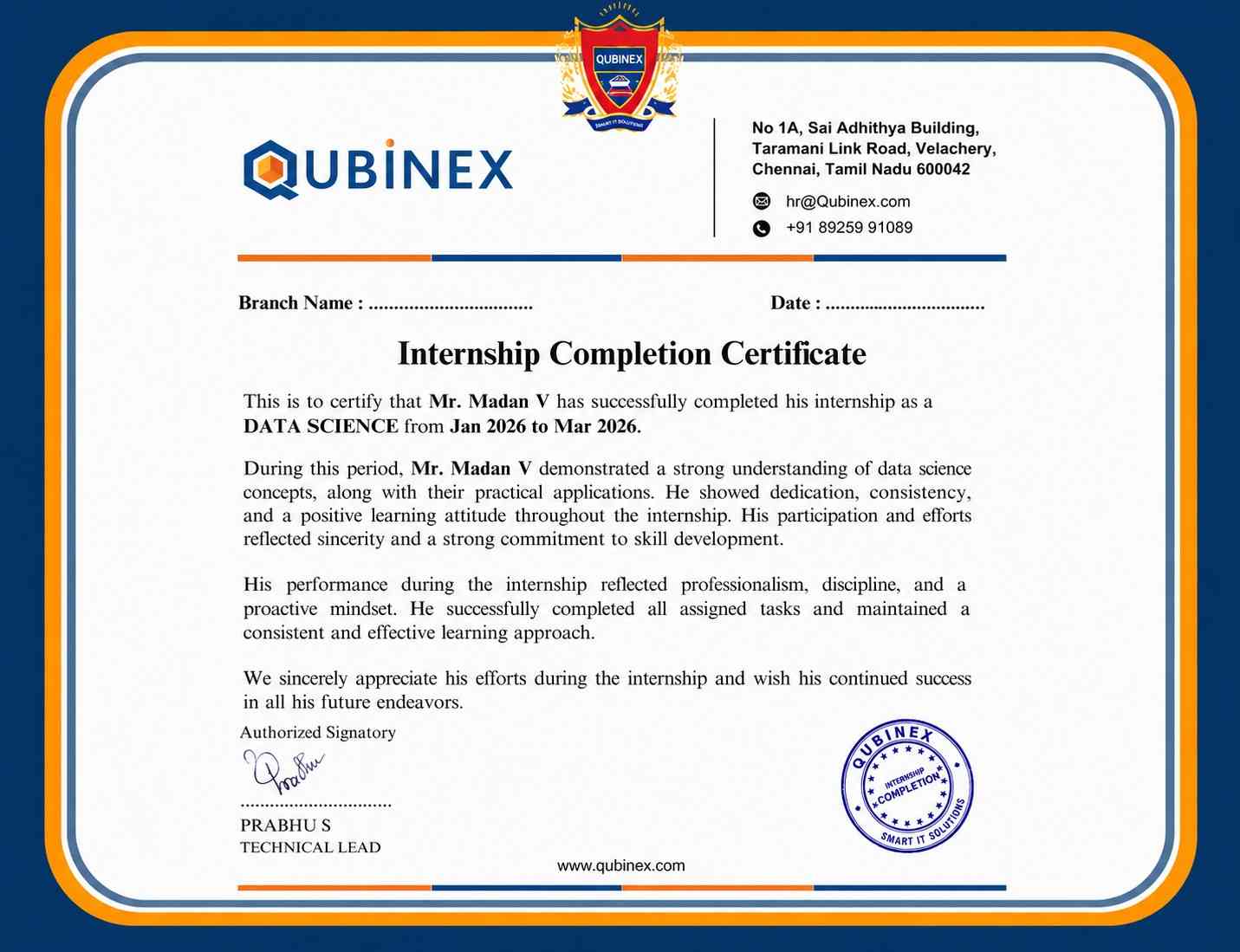
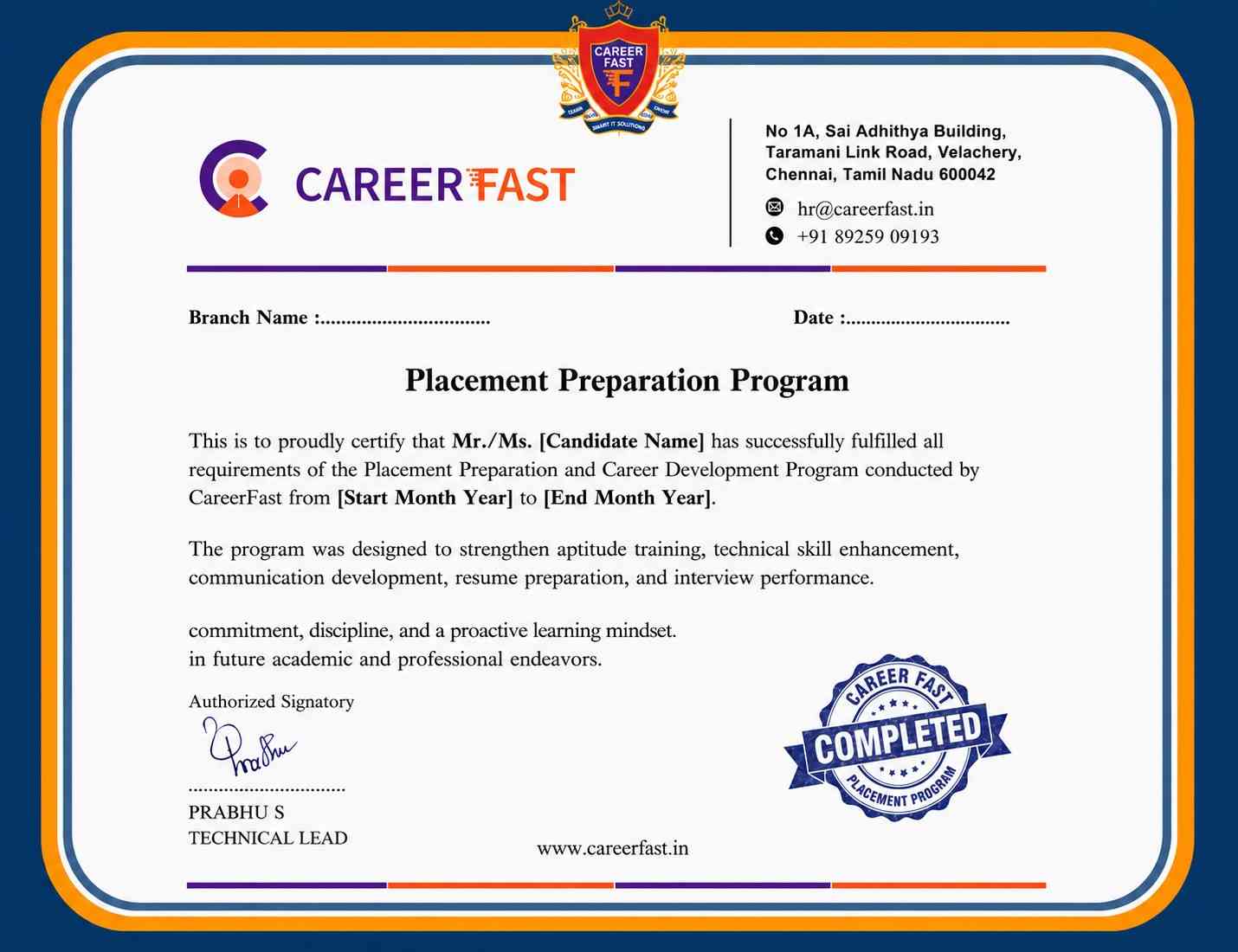
A Cloud Computing certification from Linkplux validates practical skills in cloud infrastructure, AWS services, DevOps, automation, security, and modern deployment practices. It strengthens your CV, demonstrates hands-on project experience, and supports opportunities as a Cloud Engineer, DevOps Engineer, and Cloud Solutions Architect. The training can also help learners prepare for industry-recognized cloud certifications and practical technology roles.




Reviews from Our Successful Students
See how our AI-powered IT training institute has helped students succeed.

"Perfect for Beginners"
Hi, I'm Priya.S . I completed my undergraduate degree in 2021. Then I decided to change my career to the IT field. The trainers were very friendly and cleared all my doubts. My special thanks to Ashok sir for his guidance. I learned to create a website very easily. The real-time project gave me the confidence to crack the interview.

"Hands-On Learning That Built My Confidence"
The MERN Stack training at Linkplux gave me practical experience in building real-world web applications. Every concept was explained clearly with hands-on coding sessions, making it easy to understand both frontend and backend development. The trainers were supportive throughout the course, and the live projects helped me gain the confidence to attend interviews and start my career as a Full Stack Developer.

"A Perfect Start to My Digital Marketing Career"
The Digital Marketing program at Linkplux gave me the confidence to work on real-world projects and understand industry practices. The trainers explained every concept with practical examples, and the live assignments helped me improve my skills. I truly appreciate the guidance and support I received throughout the course and would recommend Linkplux to anyone looking to build a successful career in Digital Marketing.

"A Career-Changing Learning Experience"
The practical assignments and live projects at Linkplux helped me gain real-world experience in Data Analytics. The trainers explained every concept clearly and guided me throughout the learning journey. The hands-on approach boosted my confidence and prepared me for industry challenges. I highly recommend Linkplux to anyone looking to build a successful career in the IT field.