
Powering Digital Growth for Businesses Across Industries



















Our Success Stories







Why Choose Us?
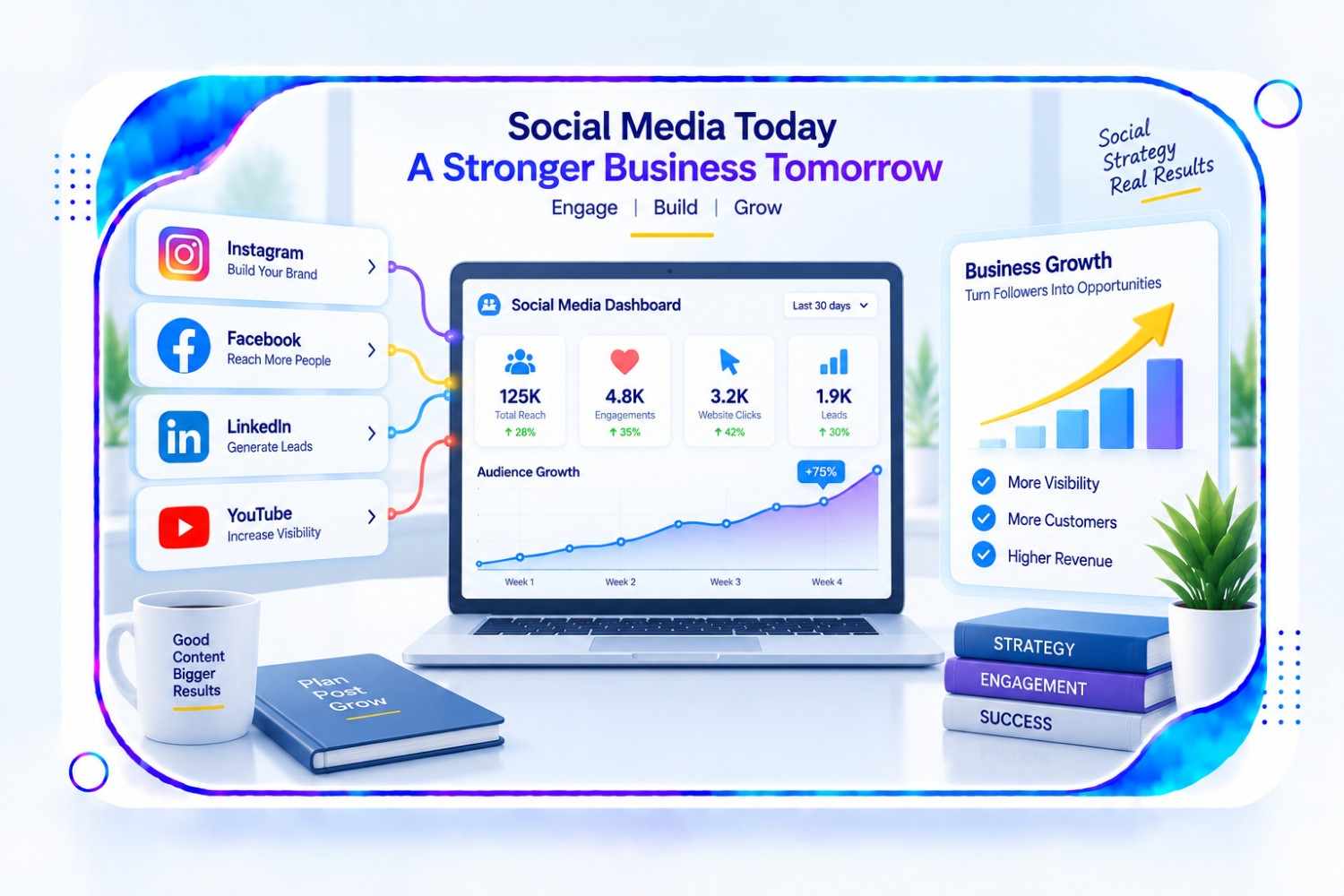
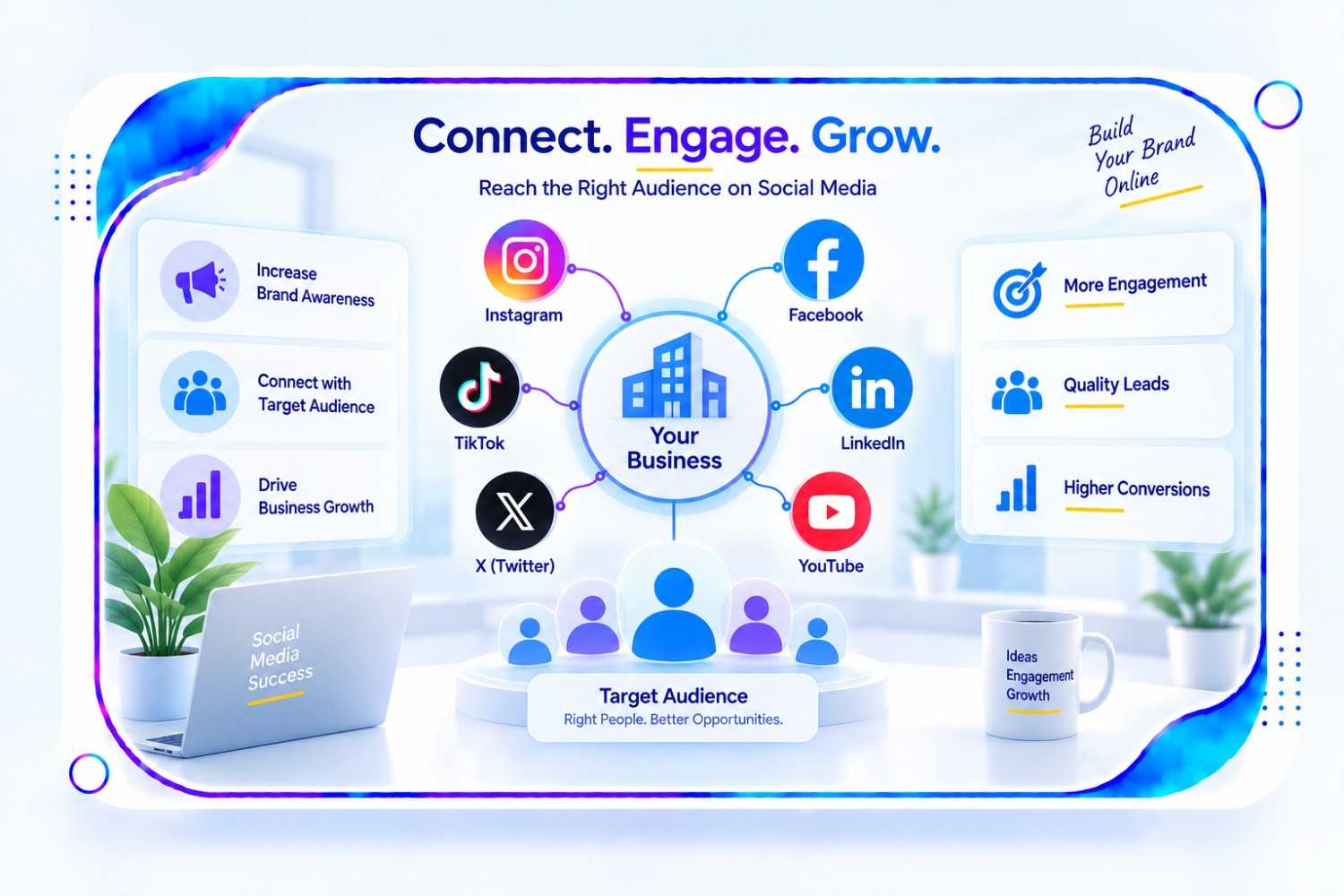
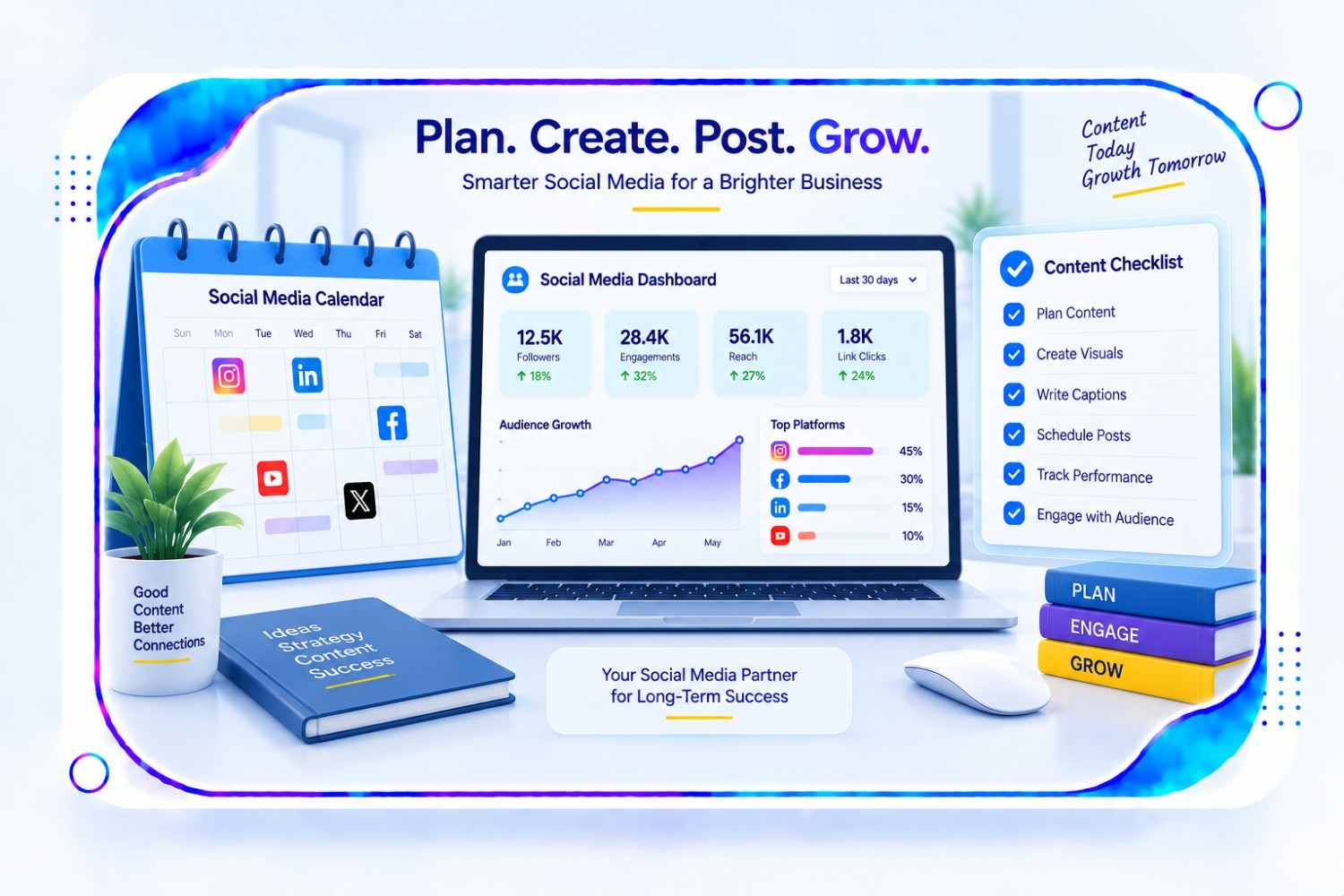
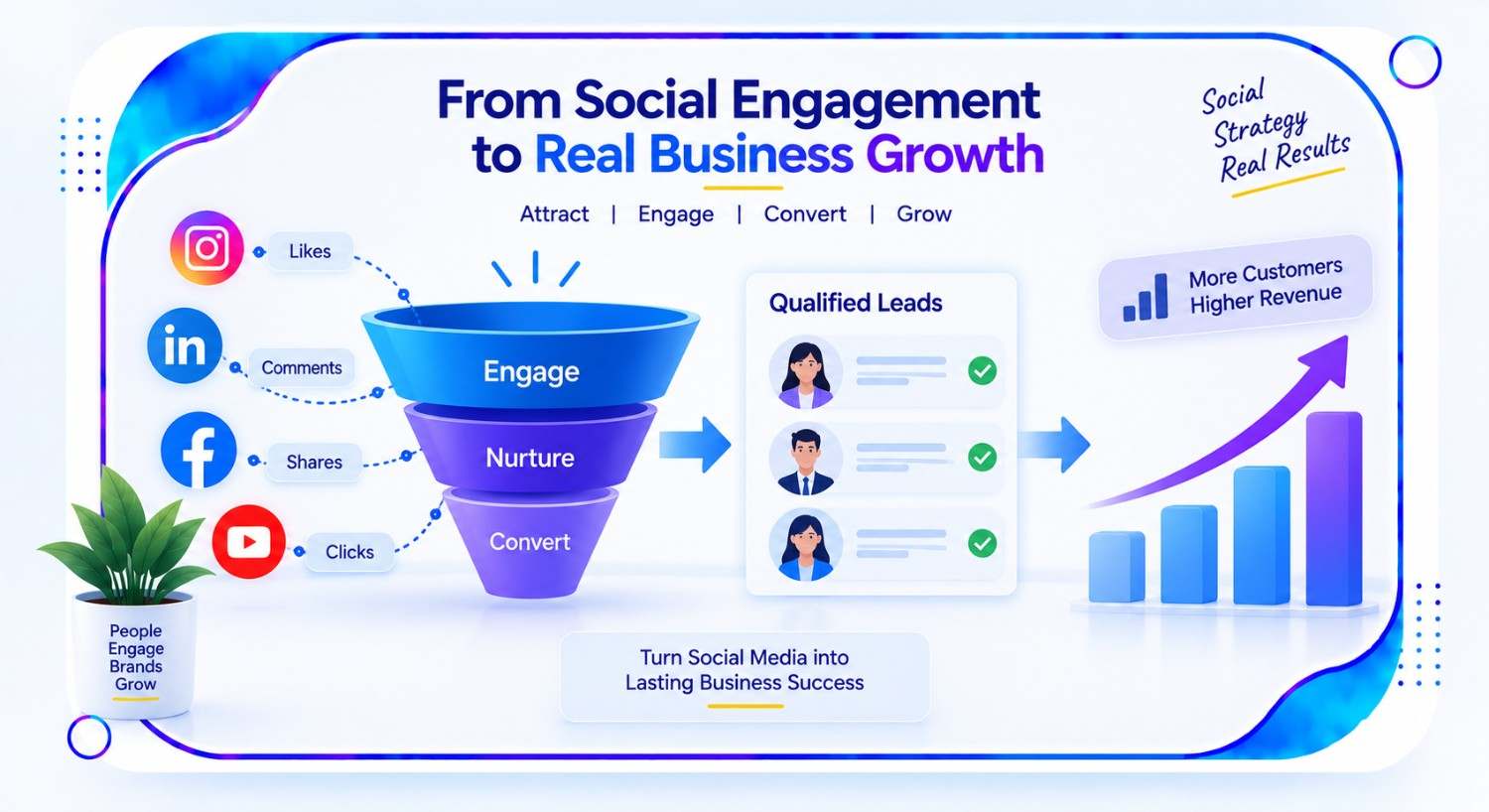
We help businesses build a stronger digital presence with strategic Services designed to increase visibility, audience engagement, and meaningful conversions. From creative content and social media management to campaigns and performance analytics, our data-driven approach connects your brand with the right audience across the platforms.
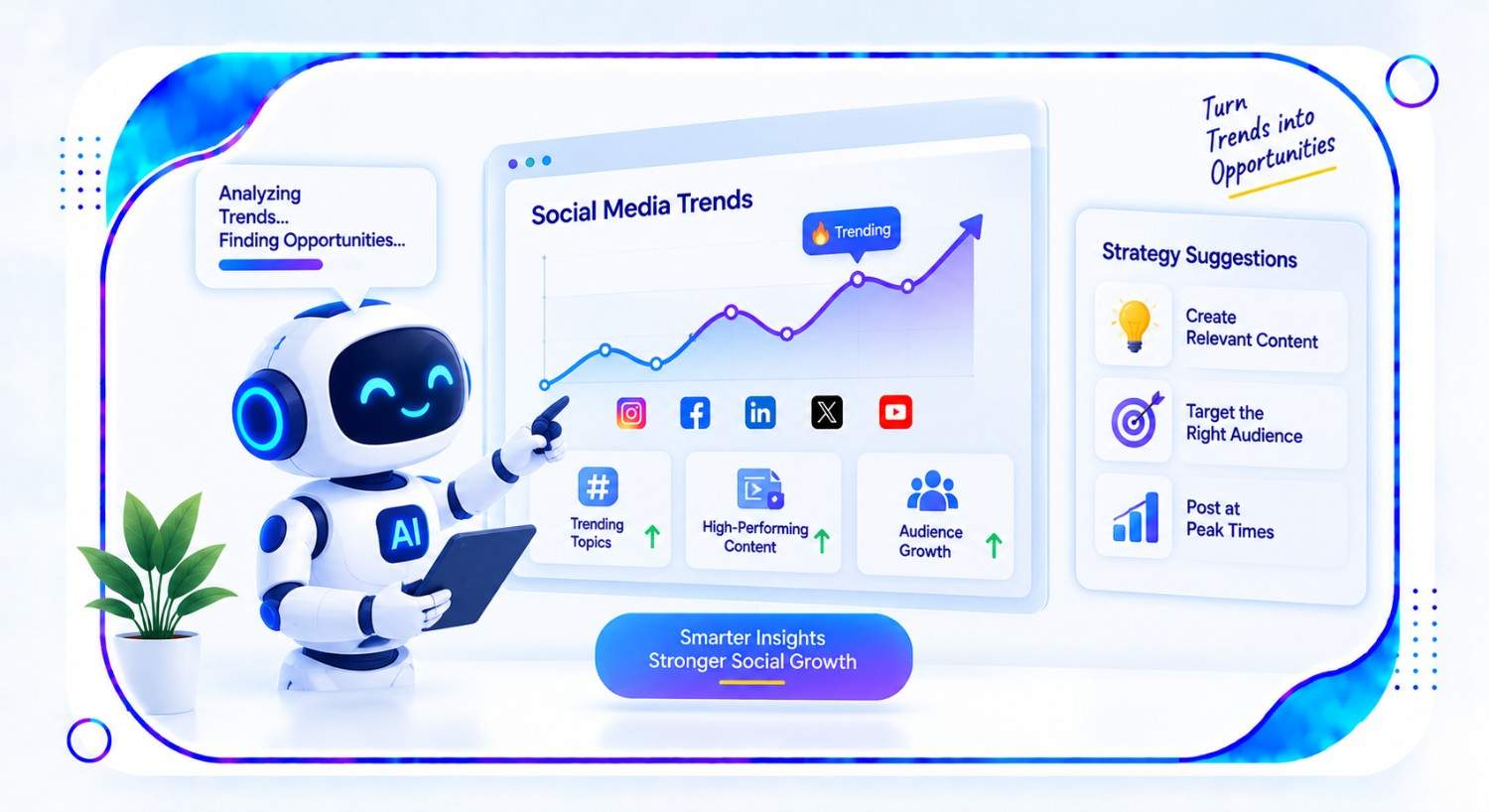
Social Media Planning
Creative Content Development
Engagement & Community

Social Media Advertising
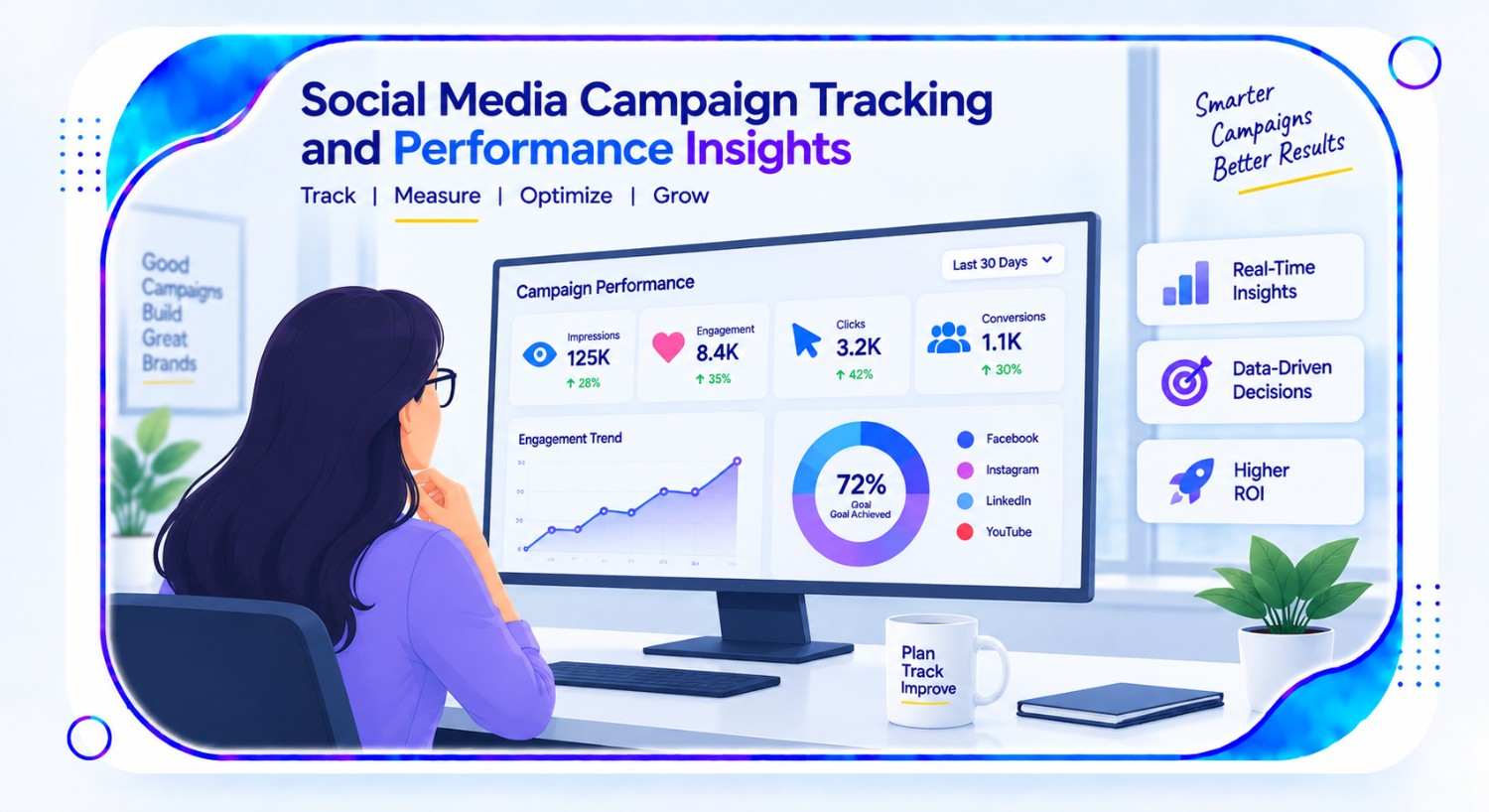
Analytics & Reporting
Sustainable Brand Growth
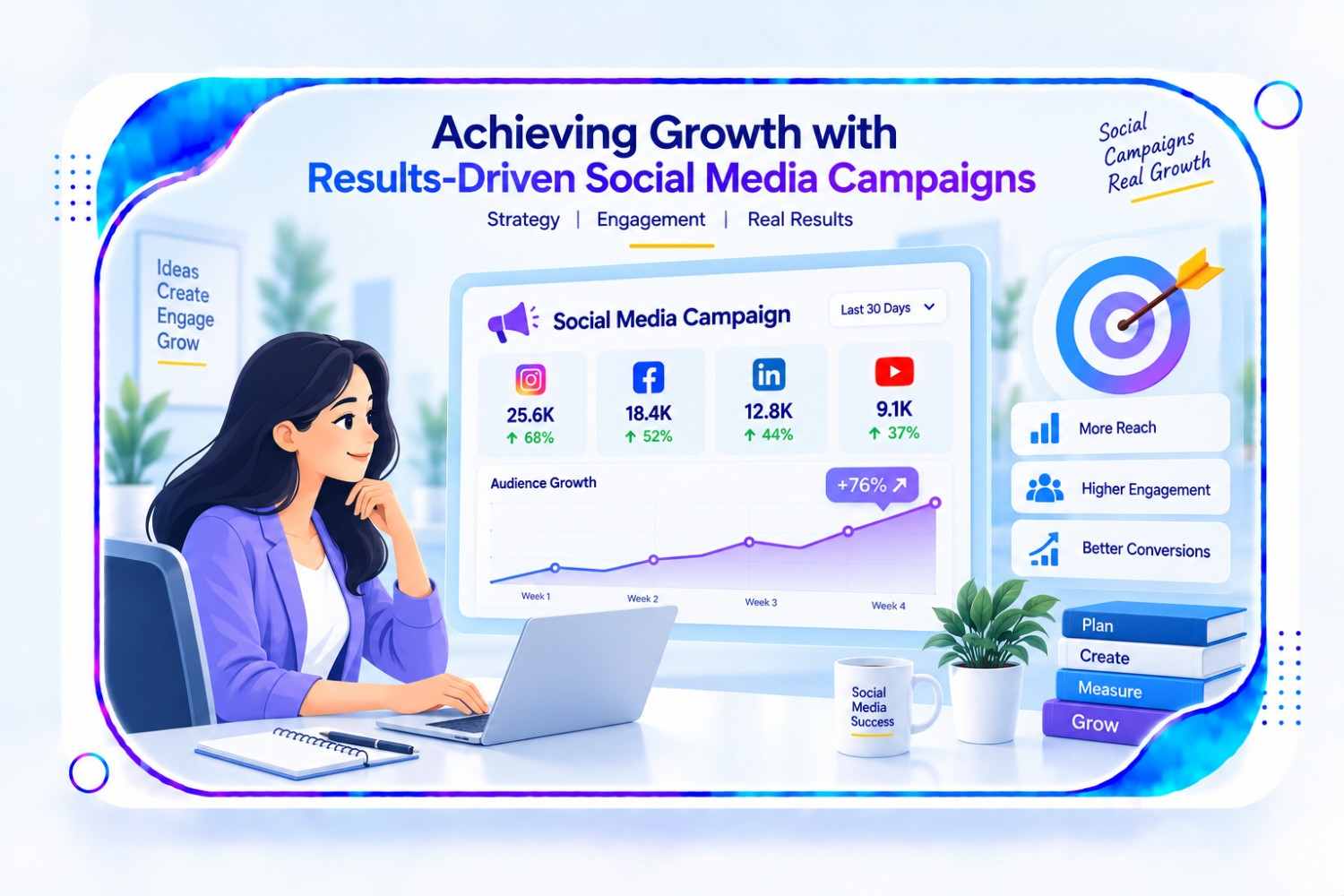
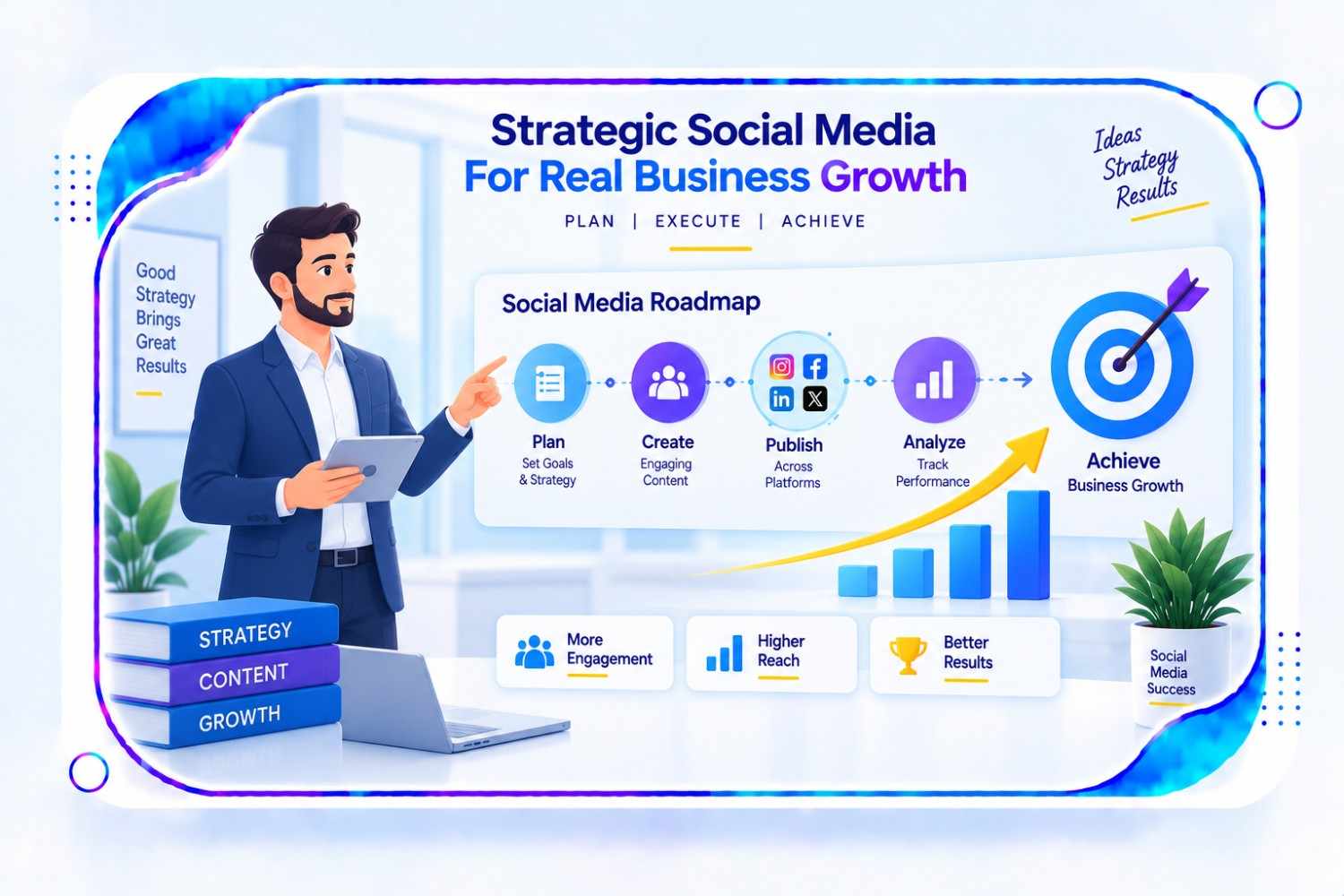
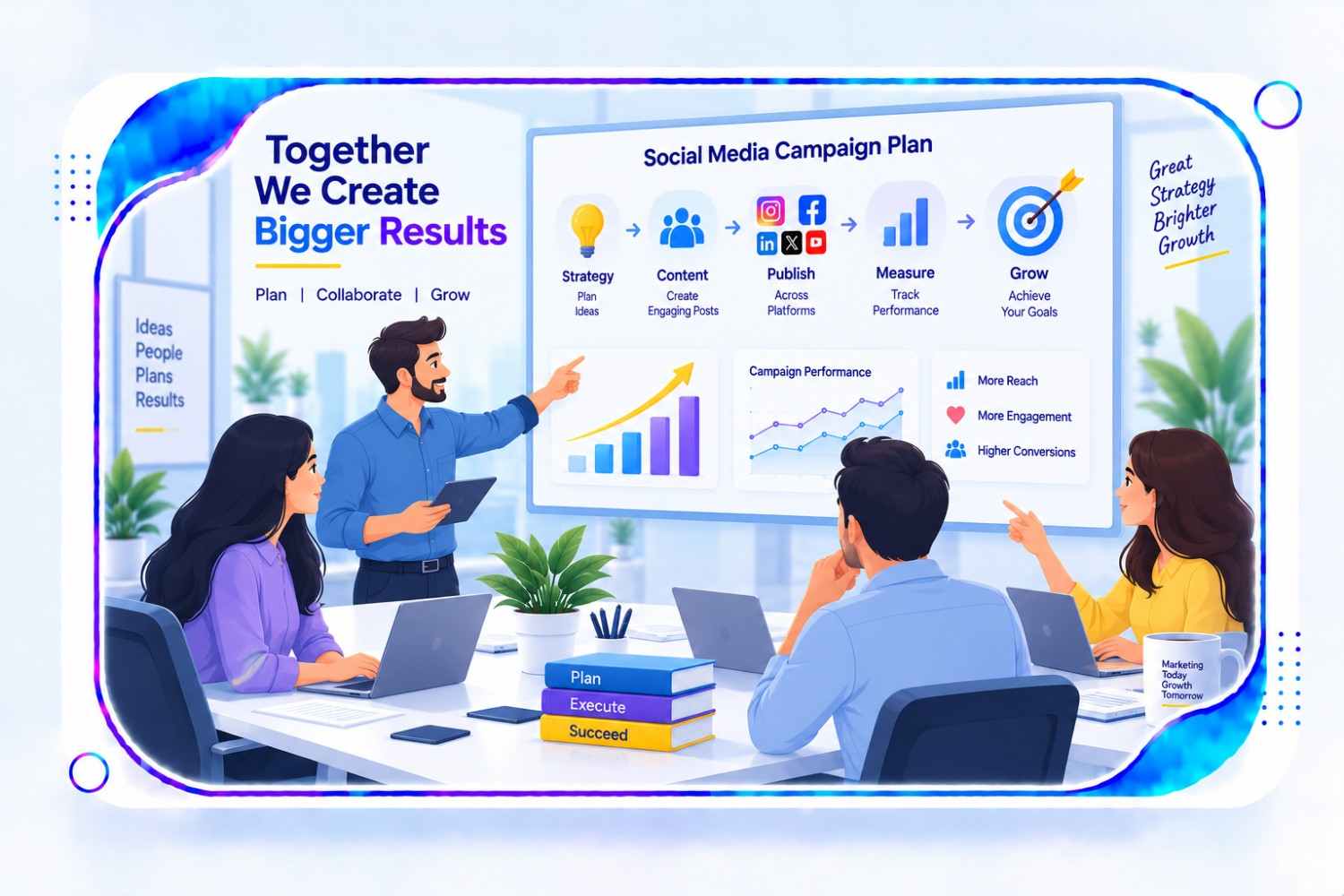
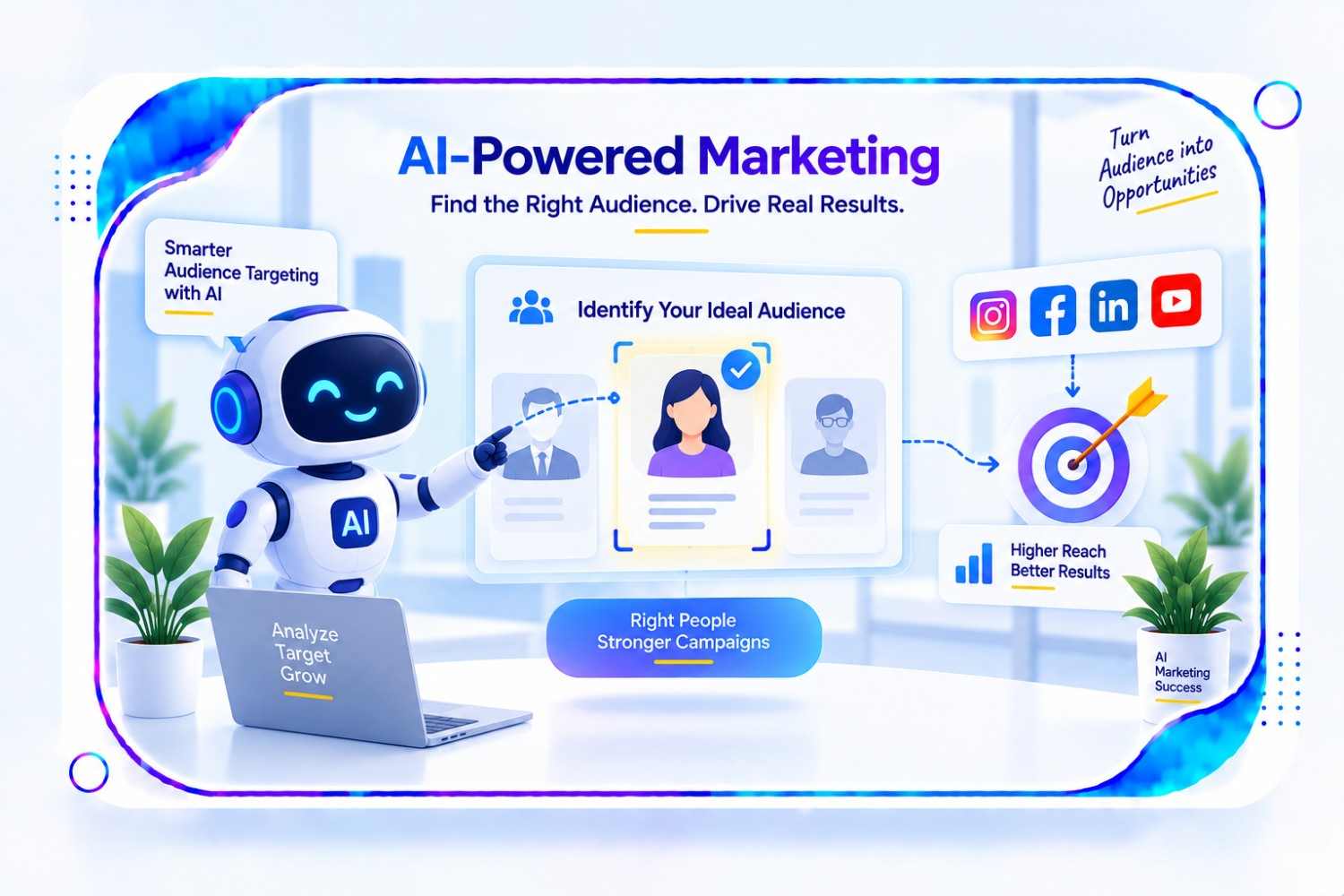
What Our Clients Say About Us
LinkPlux Social Media Marketing FAQs
FAQs + more
Social Media Marketing is a digital marketing approach that uses social platforms to promote brands, products, and services while building relationships with target audiences. It includes content creation, audience engagement, social media advertising, community management, and performance analysis to improve online visibility and achieve business goals.
Social Media Marketing services can include social media strategy, content planning, creative design, copywriting, account management, audience engagement, community management, paid social media campaigns, influencer marketing, analytics, and performance reporting. The services are customized according to the business objectives and target audience.
Social Media Marketing can improve brand visibility by consistently publishing relevant content, reaching targeted audience segments, encouraging engagement, and using paid social campaigns when appropriate. A well-planned strategy helps your business remain visible, communicate its value, and build recognition among potential customers.
Yes. Professional Social Media Marketing services can include content planning and creation for different platforms. This may involve branded graphics, captions, short-form videos, reels, stories, carousels, educational posts, promotional content, and other formats selected according to the audience and platform.
SMM agencies evaluate campaign performance using metrics such as reach, impressions, engagement rate, follower growth, clicks, website traffic, leads, conversions, and campaign results. These insights help identify successful content and provide direction for improving future social media strategies.
The right platforms depend on your target audience, industry, content type, and business objectives. Instagram and Facebook can be useful for visual and consumer-focused brands, while LinkedIn may be more suitable for B2B businesses and professional audiences. A social media strategy should prioritize platforms where your potential customers are most active.
The time required to see results varies based on your industry, audience, competition, content quality, consistency, platform selection, and marketing objectives. Building organic visibility and an engaged community generally requires consistent effort, while paid campaigns may generate measurable traffic and engagement sooner.
The cost of Social Media Marketing depends on factors such as the number of platforms managed, content requirements, creative production, posting frequency, advertising budget, campaign complexity, and reporting needs. A customized plan can be created according to your business objectives and available marketing budget.
Yes. Social Media Marketing can support lead generation through targeted content, social media advertising, landing pages, direct messages, lead forms, and calls to action. Campaigns can be designed to reach relevant audiences and guide interested users toward enquiries, registrations, purchases, or other desired actions.
Social media community management involves monitoring comments, messages, mentions, and other audience interactions across social platforms. A dedicated team can respond to relevant enquiries, encourage conversations, address customer concerns, and maintain a professional brand presence while building stronger relationships with followers.
Businesses can improve their SMM strategy by defining clear goals, understanding their target audience, selecting suitable platforms, creating valuable content, maintaining a consistent publishing schedule, engaging with followers, monitoring performance, and adapting content based on audience response and campaign insights.
Investing in Social Media Marketing can help businesses increase brand awareness, reach new audiences, communicate directly with customers, promote products and services, drive website traffic, generate leads, and strengthen customer relationships. A strategic approach also provides useful audience and performance insights for improving digital marketing activities.
Social media can support several areas of a digital marketing strategy by increasing brand exposure, distributing content, encouraging customer interaction, generating website traffic, supporting paid advertising, and providing audience insights. It can also complement other marketing channels by helping businesses maintain consistent communication throughout the customer journey.
Common challenges include maintaining consistent content, selecting the right platforms, understanding changing audience preferences, keeping up with platform updates, creating engaging content, responding to customers, and measuring meaningful results. A structured social media strategy and regular performance analysis can help businesses address these challenges more effectively.