
 4.8 / 5 Rating
Powered by ACTE
Best Gen AI and Machine Learning Training
Enhance your Gen AI and ML expertise with focused learning in Generative AI, LLMs, Deep Learning, Prompt Design, RAG, and intelligent model creation.
Industry-Ready Gen AI And ML Training for Emerging
AI Careers
Linkplux offers practical Gen AI and Machine Learning Training covering Generative AI, Large Language Models (LLMs), Prompt Engineering, Retrieval-Augmented Generation, Neural Networks, Natural Language Processing, Model Fine-Tuning, and Python-based machine learning. The Gen AI and Machine Learning Course combines expert instruction, industry projects, and career-focused learning to help students and professionals develop valuable skills for evolving AI and ML opportunities.
Practical AI Projects
Advanced LLM Training
Career Placement Support

AI Portfolio Building
Expert AI Mentoring
Professional AI Certification
Generative AI & Machine Learning Course Advantages
Hands-On Generative AI & ML Learning
Develop practical expertise through Generative AI solutions, Python tasks, machine learning pipelines, guided demonstrations, and project-oriented Gen AI and ML Training covering emerging AI technologies.
Next-Generation AI & ML Expertise
Understand machine learning techniques, Large Language Models, prompt design, Retrieval-Augmented Generation, deep neural networks, and model adaptation for creating intelligent AI solutions.
Industry-Recognized AI & ML Certification
Strengthen your professional profile with a Generative AI and Machine Learning certification validating knowledge of Python, LLMs, AI pipelines, RAG techniques, and intelligent application development.
Career Support & Job Preparation
Get ready for positions including Generative AI Developer, ML Engineer, and AI Solutions Engineer with resume assistance, project guidance, interview preparation, and career-oriented placement support.
Real-World Generative AI & ML Projects
Work with Python, machine learning methods, LangChain, embeddings, vector stores, RAG pipelines, and predictive analytics through practical assignments reflecting real-world AI and ML use cases.
Mentor-Led AI & ML Development
Study through guided classes covering Python for Machine Learning, data preprocessing, neural networks, deep learning, NLP, prompt design, RAG, AI agents, and modern Generative AI development practices.
AI & Machine Learning Portfolio Creation
Build a compelling AI and ML project portfolio containing RAG solutions, LLM applications, predictive models, autonomous agent workflows, Python implementations, and industry-relevant capstone projects.
AI & ML Interview Preparation
Improve your technical interview readiness through Python exercises, machine learning discussions, LLM concepts, Gen AI architecture, mock interviews, practical questions, and career preparation for AI roles.
How You'll Learn
Gen AI & Machine Learning Training Syllabus
Paper 1: Python Programming, AI & ML Essentials
- Unit 1: Python Syntax, Variables, Data Types, Operators, Decision Making, Iteration, Functions, and Programming Essentials
- Unit 2: Classes, Objects, Modules, Packages, Functions, and Maintainable Python Program Components
- Unit 3: Lists, Tuples, Dictionaries, Sets, Arrays, Strings, and Fundamental Data Handling Operations
- Unit 4: Error Handling, File Operations, Regular Expressions, Troubleshooting, and Structured Code Development
- Unit 5: Python Applications for Machine Learning, Generative AI, Data Preparation, and Intelligent Application Development
Tools used in this Paper: Python, Jupyter Notebook, VS Code
Paper 2: Data Science, Statistics & ML Foundations
- Unit 1: Probability, Statistics, Linear Algebra, and Mathematical Foundations for Artificial Intelligence and Machine Learning
- Unit 2: NumPy Arrays, Vector Manipulation, Matrix Operations, and High-Performance Numerical Analysis
- Unit 3: Pandas DataFrames, Data Importing, Selection, Transformation, Grouping, and Feature Preparation
- Unit 4: Data Preprocessing, Missing Data, Outlier Handling, Encoding, Normalization, and Feature Construction
- Unit 5: Exploratory Data Analysis and Dynamic Visualization for Interpreting Machine Learning Data
Tools used in this Paper: NumPy, Pandas, Matplotlib, Seaborn, Jupyter Notebook
Paper 3: Machine Learning Algorithms & Predictive Modeling
- Unit 1: Regression and Classification using Linear Regression, Logistic Regression, Decision Trees, and Random Forest Techniques
- Unit 2: Ensemble Methods with Gradient Boosting, XGBoost, LightGBM, and AdaBoost Machine Learning Algorithms
- Unit 3: Support Vector Machines, KNN, Naive Bayes, Algorithm Selection, and Applied Classification Processes
- Unit 4: Unsupervised Learning, Dimensionality Reduction, K-Means, Hierarchical Clustering, and PCA Techniques
- Unit 5: Validation Methods, Evaluation Scores, Hyperparameter Tuning, and Machine Learning Model Analysis
Tools used in this Paper: Scikit-learn, XGBoost, Python, Jupyter Notebook
Paper 4: Deep Learning, NLP & Neural Network Concepts
- Unit 1: Artificial Neural Networks, Perceptrons, Forward Pass, Backpropagation, and Deep Learning Principles
- Unit 2: Activation Layers, Objective Functions, Optimizers, Gradient Descent, Regularization, and Training Methods
- Unit 3: CNN Structures, Image Recognition, Feature Extraction, and Computer Vision Use Cases
- Unit 4: Natural Language Processing, Text Preparation, RNNs, LSTMs, GRUs, Sequence Modeling, and Text Classification
- Unit 5: Transfer Learning, Pretrained Architectures, Model Assessment, and Deep Network Fine-Tuning
Tools used in this Paper: PyTorch, TensorFlow, Keras, CUDA
Paper 5: Generative AI, LLMs & Transformer Architecture
- Unit 1: Generative AI Principles, Foundation Models, Transformer Design, Attention Mechanisms, and Self-Attention
- Unit 2: Tokenization, Vector Embeddings, Positional Encoding, Context Limits, and LLM Data Processing
- Unit 3: BERT, T5, GPT, Llama, Mistral, Gemini, and Contemporary Large Language Model Architectures
- Unit 4: Prompt Design, Zero-Shot, Few-Shot, Persona-Based, Structured, and Context-Driven Prompting
- Unit 5: Using Hosted and Open-Source LLMs with APIs, Hugging Face, and Local Inference Environments
Tools used in this Paper: Hugging Face Transformers, OpenAI API, Gemini API, Ollama, Python
Paper 6: RAG, Embeddings & Vector Search Systems
- Unit 1: Retrieval-Augmented Generation Architecture, Knowledge Sources, Document Ingestion, and Context Retrieval
- Unit 2: Text Chunking, Embedding Models, Semantic Retrieval, Similarity Matching, and Search Optimization
- Unit 3: Vector Store Fundamentals, Indexing, Metadata Filters, Hybrid Retrieval, and Similarity Search
- Unit 4: Creating Knowledge-Driven AI Applications with LangChain, LlamaIndex, and Retrieval Workflows
- Unit 5: Advanced RAG using Query Reformulation, Reranking, Hybrid Search, GraphRAG, and Retrieval Evaluation
Tools used in this Paper: LangChain, LlamaIndex, Pinecone, ChromaDB, FAISS
Paper 7: AI Agents, Agentic Systems & Intelligent Automation
- Unit 1: Agentic AI Principles, ReAct Patterns, Reasoning, Planning, Task Breakdown, and Decision-Making Workflows
- Unit 2: Function Calling, Tool Integration, API Connectivity, Structured Responses, and External Service Interaction
- Unit 3: Multi-Agent Architectures, Agent Responsibilities, Collaboration Methods, Task Distribution, and Workflow Coordination
- Unit 4: Agent Memory, State Handling, Human Oversight, Failure Recovery, and Context Control
- Unit 5: Designing Intelligent Automation Systems with AI Agents for Complex Business and Technical Processes
Tools used in this Paper: LangGraph, CrewAI, AutoGen, LangChain, Python
Paper 8: LLM Fine-Tuning, Multimodal AI & LLMOps
- Unit 1: PEFT, LoRA, QLoRA, Instruction Tuning, Dataset Creation, and Large Language Model Customization
- Unit 2: Hugging Face Pipelines, Synthetic Datasets, Model Adaptation, Quantization, and Open-Source LLM Optimization
- Unit 3: Multimodal AI across Text, Images, Audio, Video, Vision-Language Models, and Cross-Modal Solutions
- Unit 4: LLMOps Principles, Model Testing, Prompt Evaluation, Observability, Monitoring, Guardrails, and Cost Optimization
- Unit 5: Model Deployment, API Connectivity, Containerization, Local LLM Serving, and Production AI Pipelines
Tools used in this Paper: Hugging Face, Unsloth, Ollama, vLLM, MLflow, Docker
Paper 9: Advanced Gen AI & ML Capstone Project Development
- Unit 1: End-to-End AI Architecture Combining Machine Learning, LLMs, RAG, Vector Stores, and AI Agents
- Unit 2: Developing Enterprise AI Assistants with Custom Files, Semantic Search, and Advanced Retrieval Pipelines
- Unit 3: Building Specialized AI Solutions with Adapted Models, APIs, and Intelligent Process Automation
- Unit 4: Creating Interactive AI Applications using Streamlit, Gradio, FastAPI, and Modern Deployment Methods
- Unit 5: Production Deployment, AI Evaluation, Responsible AI Practices, GitHub Portfolio, and Capstone Demonstration
Tools used in this Paper: Python, PyTorch, LangChain, FastAPI, Streamlit, Git, Docker
Let's Get Started
Core Skills You Will Learn



Advanced Gen AI & Machine Learning Tools You'll Master
Python & AI Development Foundations "Build a Strong Programming Base with Python, Data Libraries & Modern AI Development Tools in Bangalore"





Data Platforms & Vector Search "Work with Structured Data, Embeddings and Vector Storage to Create Intelligent RAG-Based AI Applications"


Machine Learning Frameworks "Develop, Train, Evaluate and Optimize Predictive Models Using Practical Machine Learning Algorithms"


Deep Learning & NLP Technologies "Create Neural Networks, Language Models and Computer Vision Solutions with Modern Deep Learning Frameworks"


Generative AI & LLM Engineering "Develop LLM Applications, RAG Systems, AI Agents, Prompt Workflows and Customized Generative AI Solutions"

AI Visualization & Model Evaluation "Analyze Training Performance, Explain Model Decisions and Present Machine Learning Insights with Interactive Visualizations"




MLOps, LLMOps & AI Deployment "Move AI Models from Development to Production with Version Control, APIs, Containers, Cloud Platforms and Monitoring"


AI Portfolio & Professional Development "Create Practical Gen AI Projects, Evaluate AI Systems and Build a Professional Portfolio for Emerging AI Careers"
Eligibility & Criteria
Everything you need to know to join and qualify for placement.
Who Can Apply?
Eligibility Year of Passing
2018 and After
Graduates
Any Graduate / Diploma
Academic Percentage
Min 60%
Placement Eligibility
Attendance
Min 90%
Assessment Marks
Min 75%
Live Projects
100% Completion
How Generative AI & Machine Learning
Training Shapes Industry-Ready Careers
Gen AI and Machine Learning are transforming software development, intelligent automation, data analysis, and digital solutions. Gen AI and Machine Learning Training helps learners develop practical capabilities in Python, ML, Deep Learning, LLMs, prompt design, RAG, AI agents, model customization, and AI deployment.
Explore Professional Roles Across Gen AI & Machine Learning
Master AI Skills for Emerging Technologies
Gain Proficiency in ML, LLMs, RAG & Intelligent Solutions
Implement AI Across Multiple Business Domains
Progress Toward AI Agents, LLMOps & Automated Workflows
Gen AI & Machine Learning Job Roles and Salary Trends
Beginner-Level AI & Machine Learning Positions
- AI & ML Intern
- Generative AI Assistant
- Junior AI Engineer
- Machine Learning Associate
- Prompt Design Associate
- AI Data Associate
Machine Learning & AI Engineering Positions
- Machine Learning Engineer
- Applied ML Engineer
- AI Solutions Developer
- Predictive Modeling Engineer
- ML Algorithm Developer
- Data Science AI Engineer
Deep Learning, NLP & Vision AI Positions
- Deep Learning Engineer
- Computer Vision Engineer
- NLP Solutions Developer
- TensorFlow Developer
- Neural Network Engineer
- AI Research Engineer
Generative AI, LLM & RAG Engineering Positions
- Generative AI Engineer
- LLM Solutions Developer
- RAG Application Engineer
- Vector Search Engineer
- Prompt Design Specialist
- Multimodal AI Engineer
AI Agents, Fine-Tuning & LLMOps Positions
- AI Agent Engineer
- LLM Customization Specialist
- LLMOps Engineer
- AI Deployment Engineer
- Automation Engineer
- Generative AI Solutions Developer
Advanced Gen AI & ML Technical Leadership
- Lead AI & ML Engineer
- Generative AI Architect
- AI & ML Solutions Architect
- LLM Architecture Specialist
- Principal AI Engineer
- AI Research & Engineering Manager
Generative AI & Machine Learning Career Advancement Path
- AI & ML Associate
- Generative AI Trainee
- Prompt Design Analyst
- Machine Learning Developer
- Generative AI Engineer
- LLM & RAG Developer
- ML Engineer
- GenAI Developer
- LLMOps Engineer
- Lead Generative AI Developer
- AI & ML Solutions Architect
- AI Engineering Lead
Our Alumni Work at



















Success Stories from Our Students
See how Linkplux's IT training programs have helped students land top jobs through hands-on learning and expert guidance.
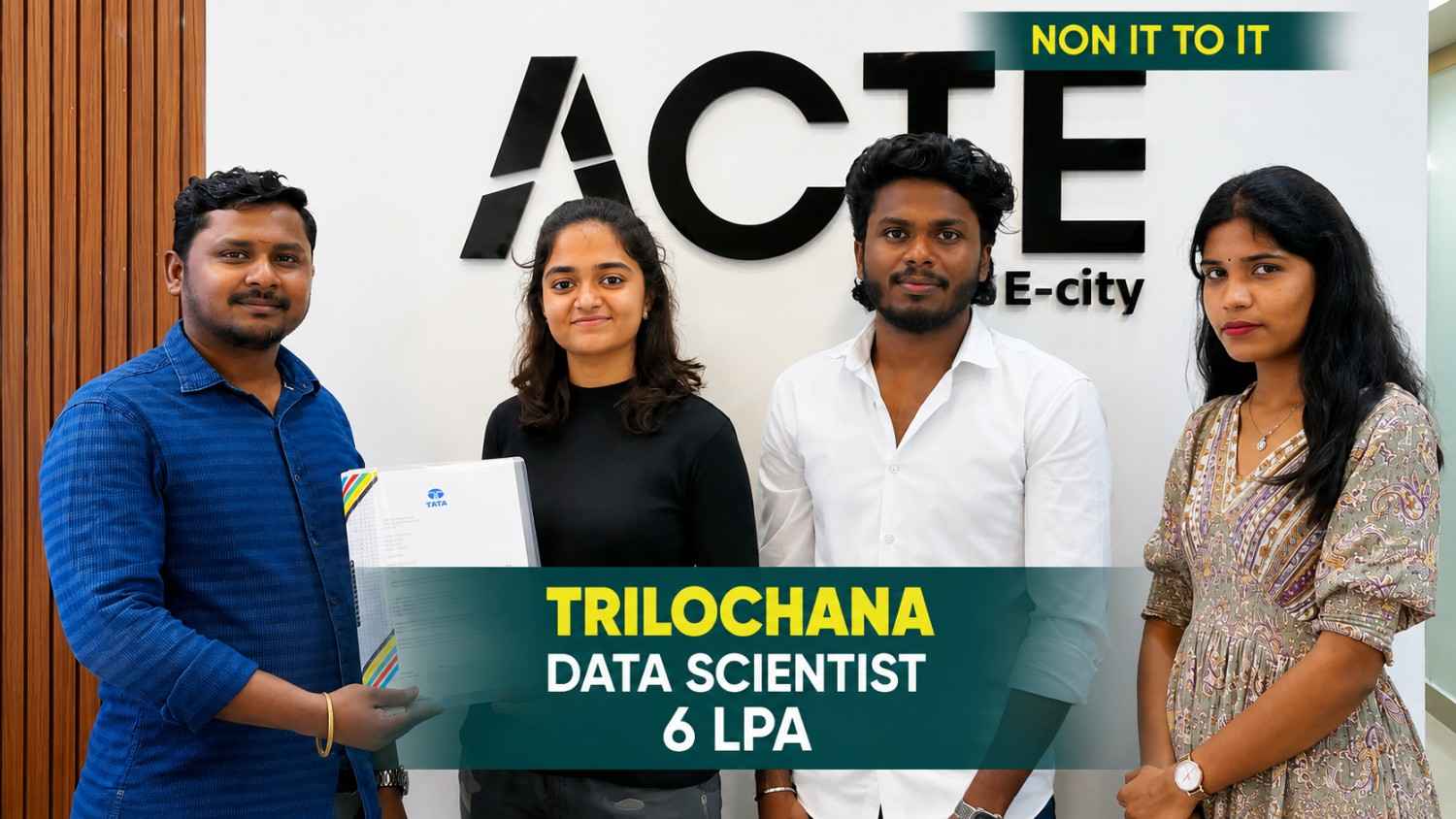
Trilochana found her path with Linkplux and landed the dream job.
#Datascience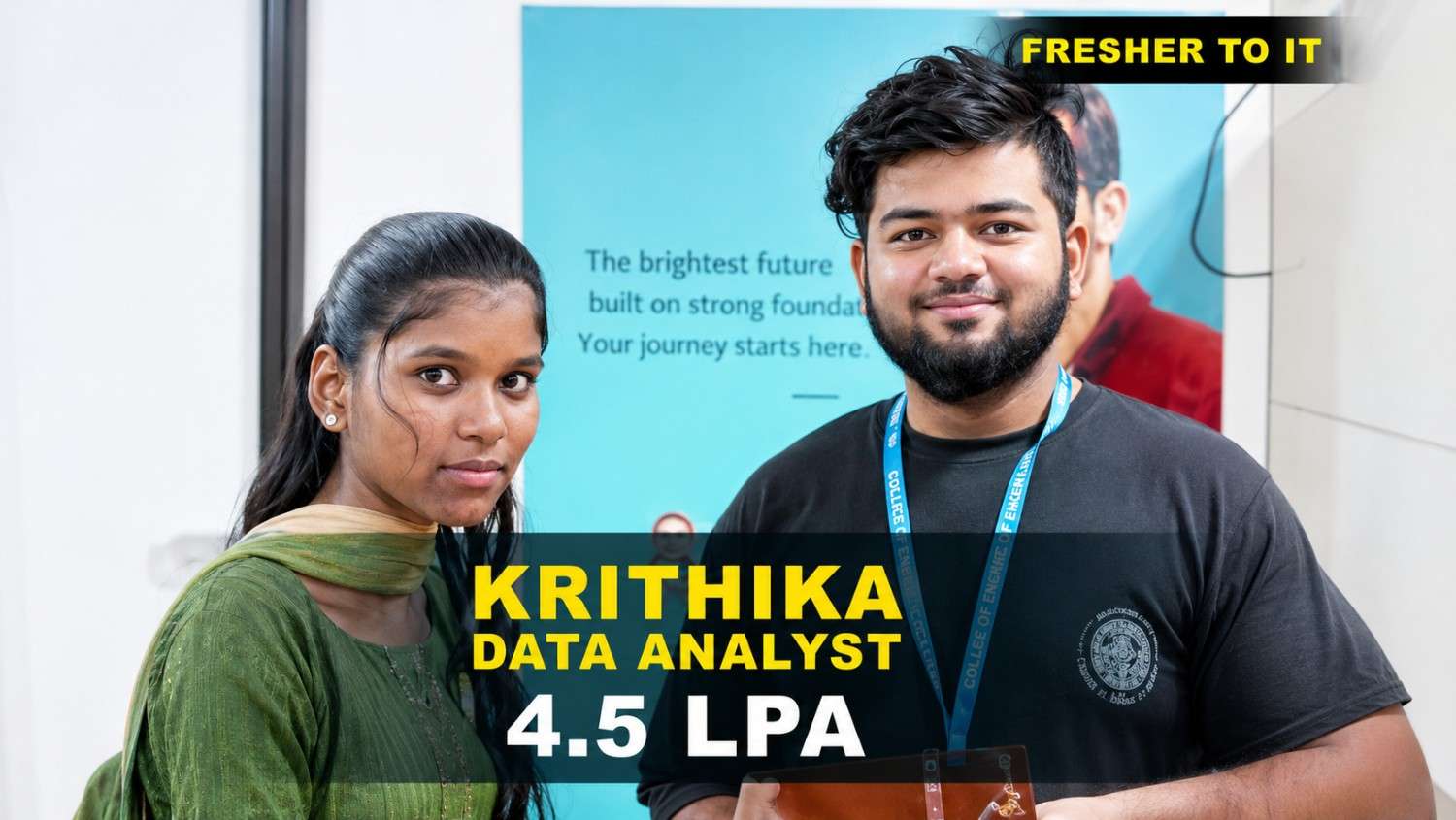
Krithika transformed her career with Linkplux and secured a Data Analyst role with a 4.5 LPA package. 🚀
#DataAnalytics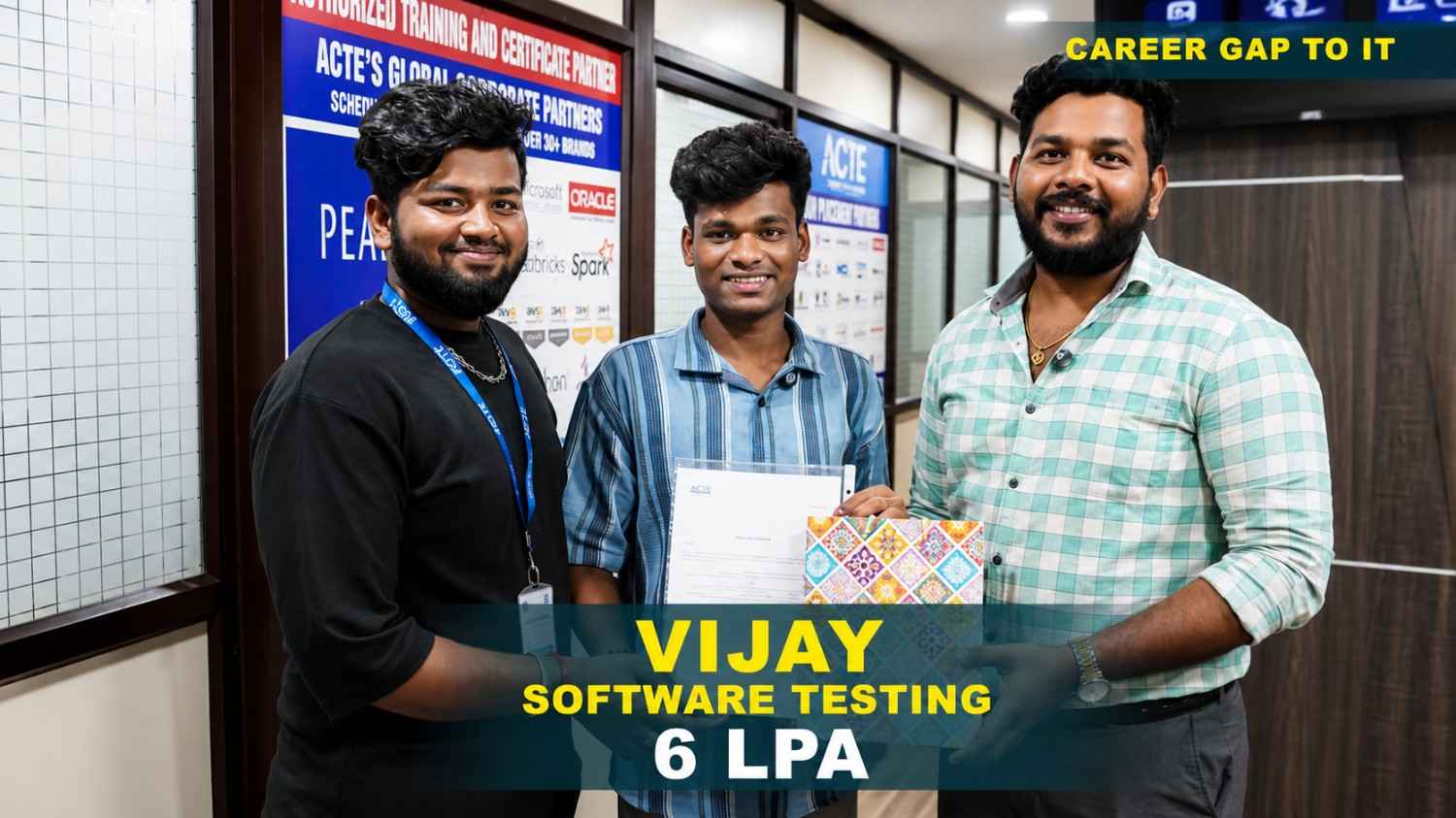
Students shared how Linkplux's practical training and live projects helped him confidently start his Digital Marketing career.
#DigitalMarketing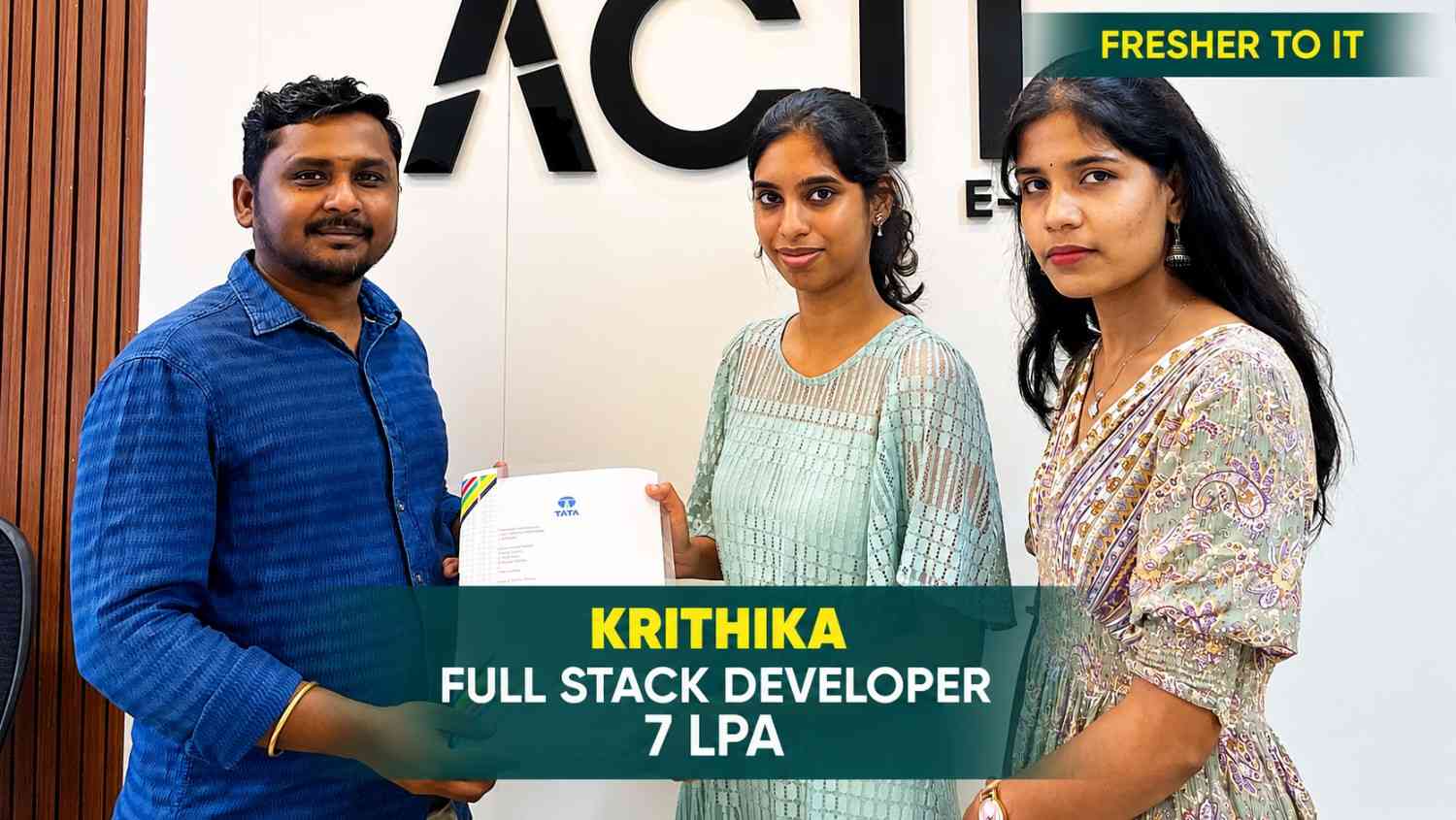
Krithika built her Full Stack Development skills at Linkplux and secured a 7 LPA Software Developer role. 🚀
#FullStackDevelopment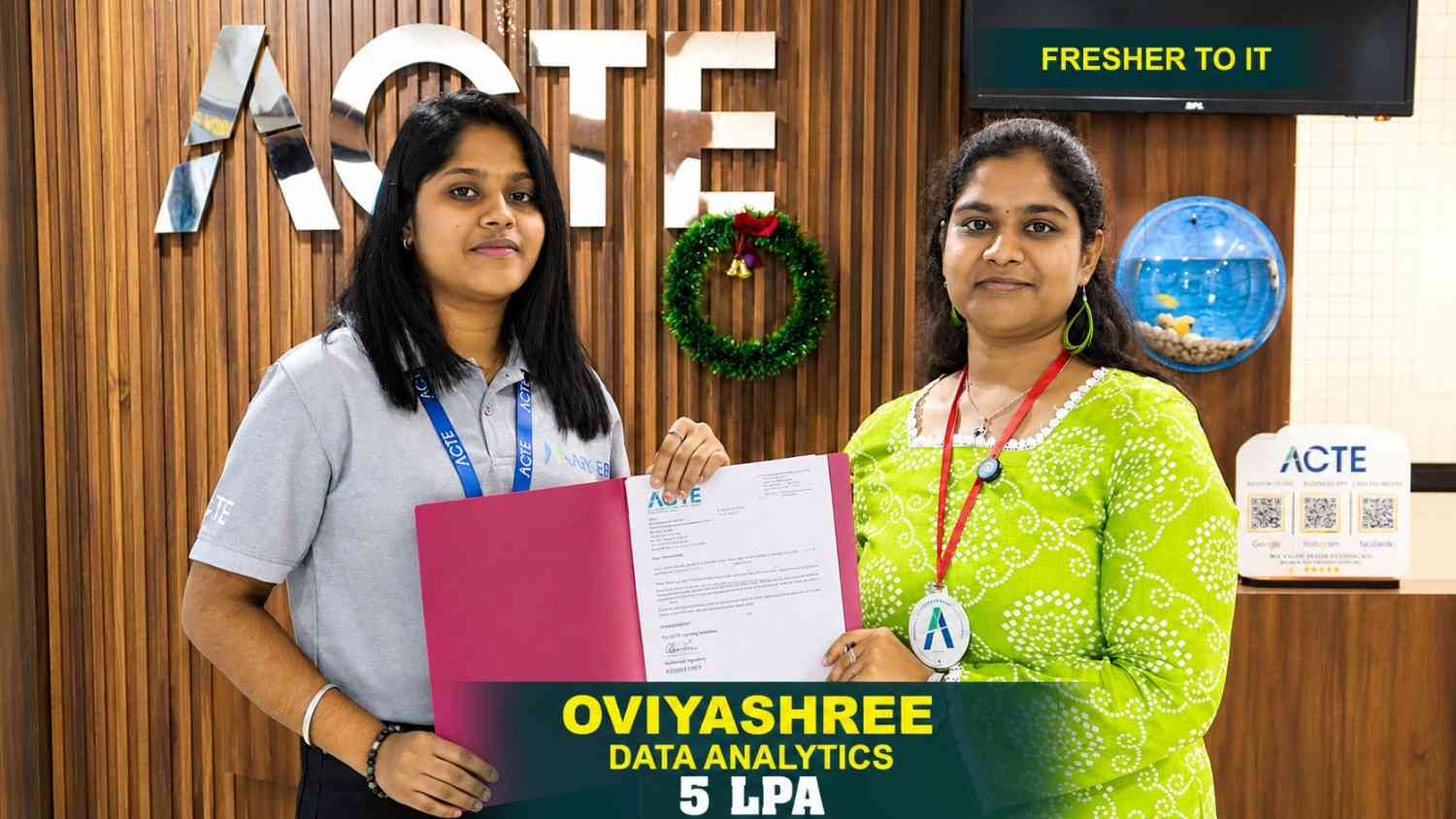
Oviya Shree developed strong Data Analytics skills at Linkplux and launched her career as a Data Analyst. 📊
#DataAnalytics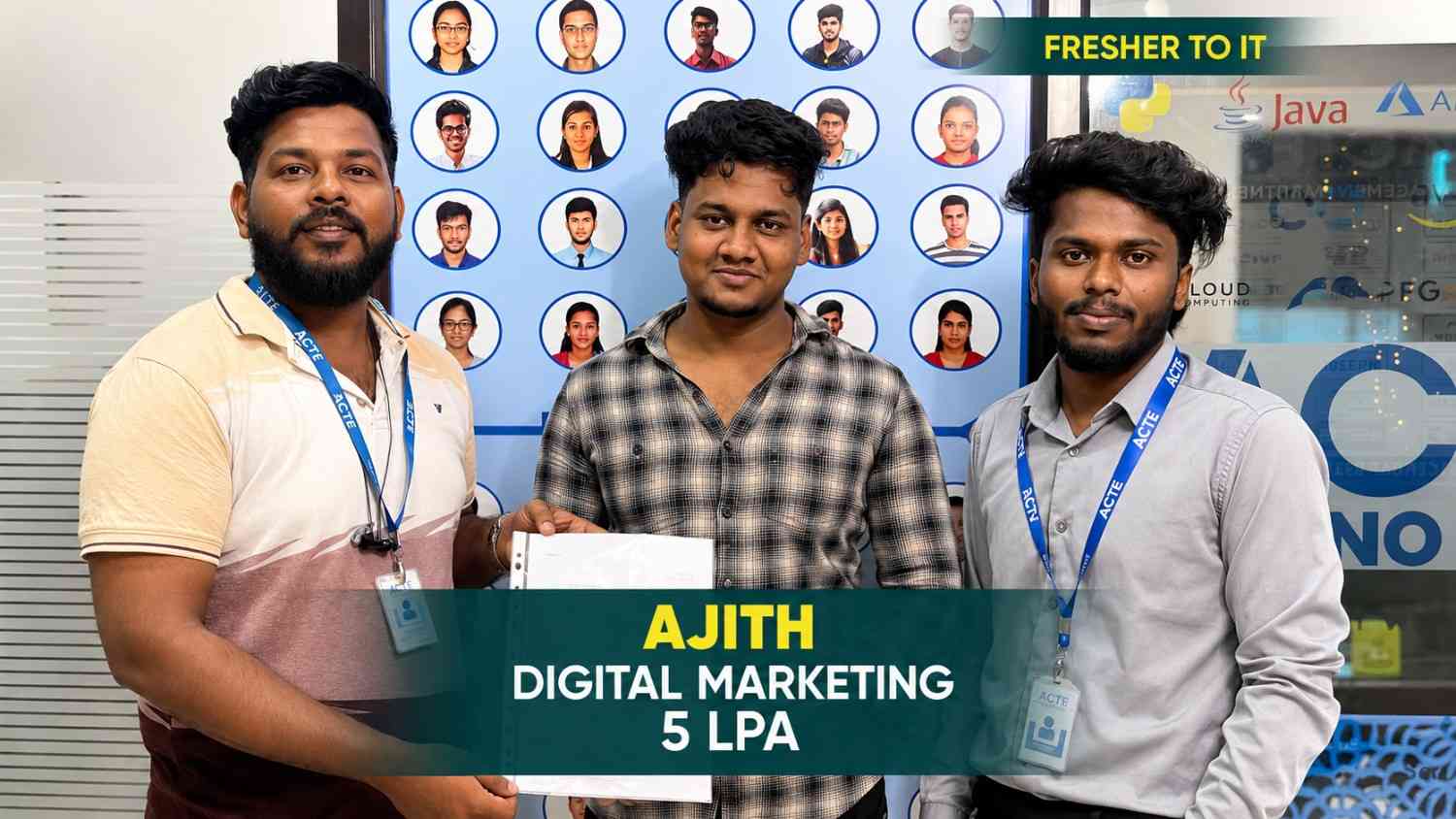
From a small town to a top tech firm, learn how our hands-on projects helped.
#Inspiration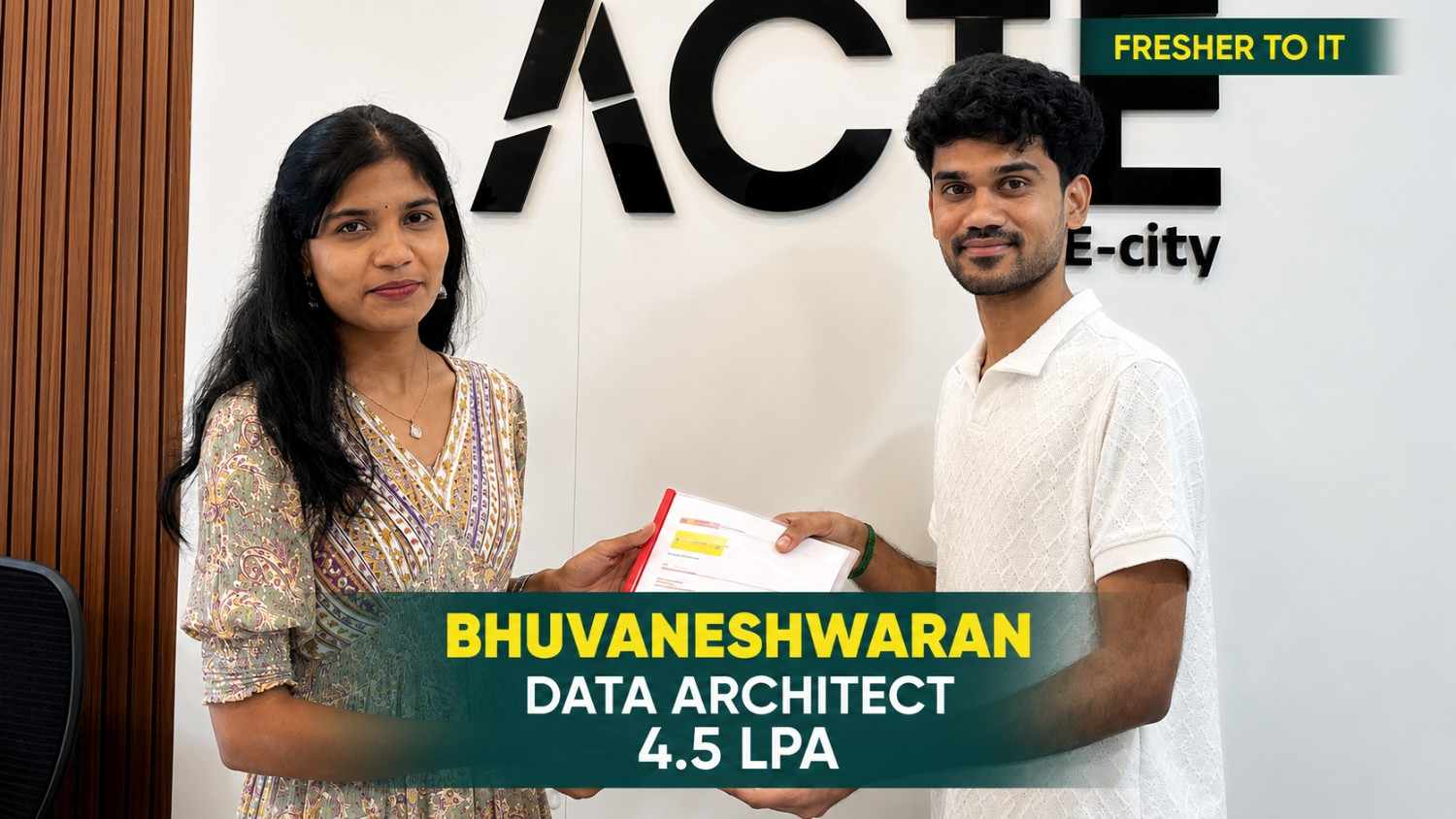
From a small town to a top tech firm, learn how our hands-on projects helped.
#Inspiration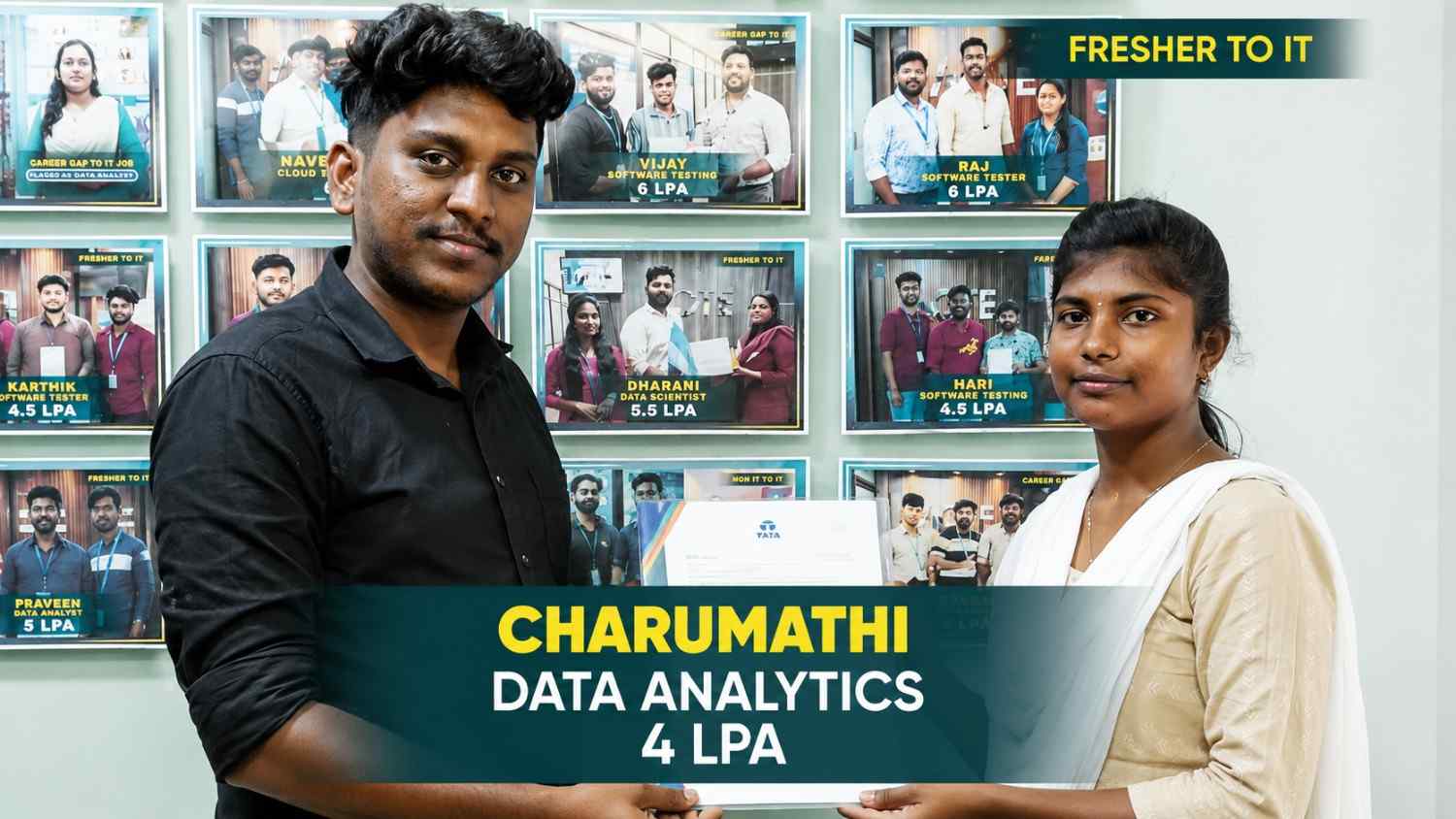
From a small town to a top tech firm, learn how our hands-on projects helped.
#Inspiration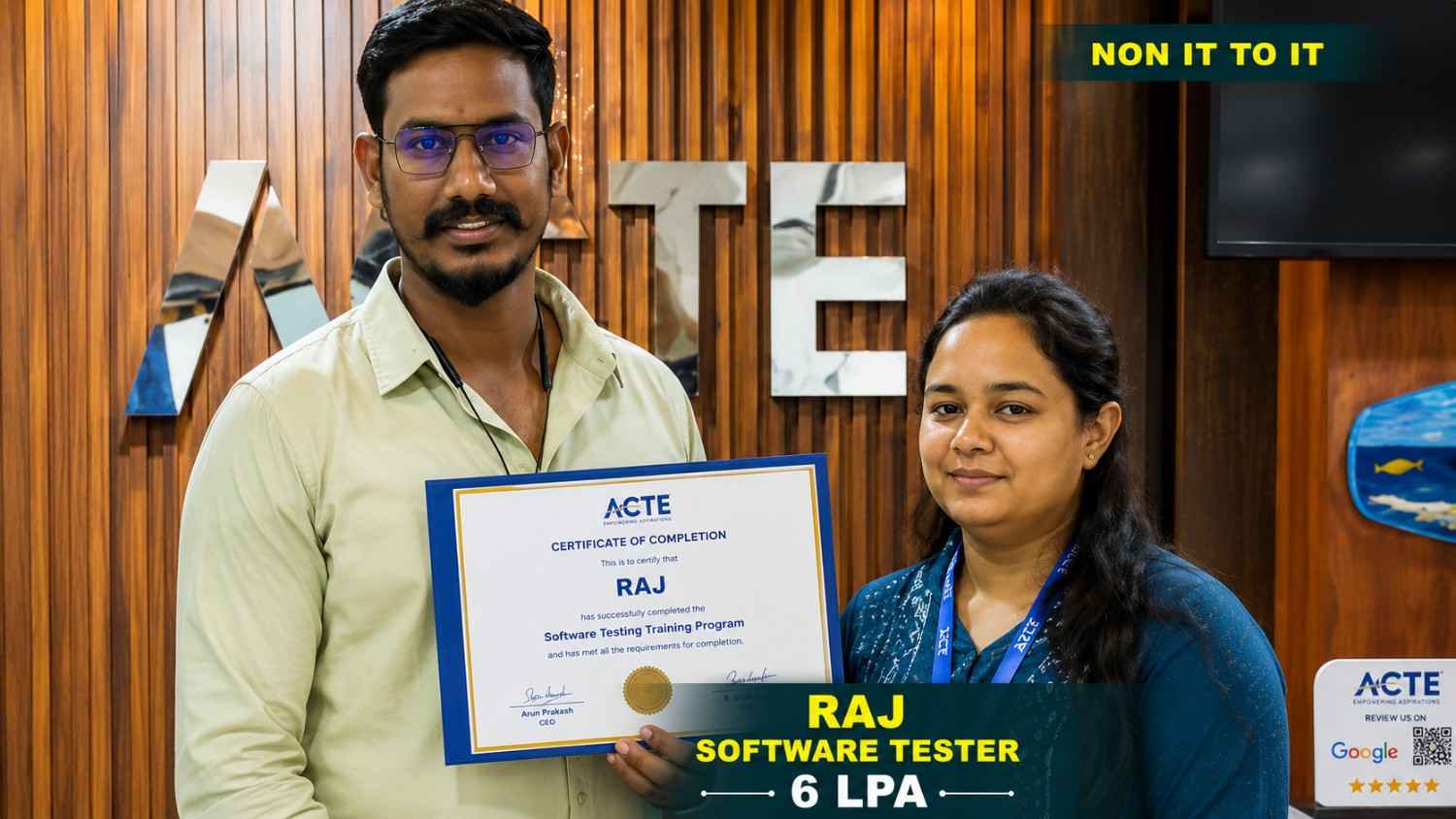
From a small town to a top tech firm, learn how our hands-on projects helped.
#Inspiration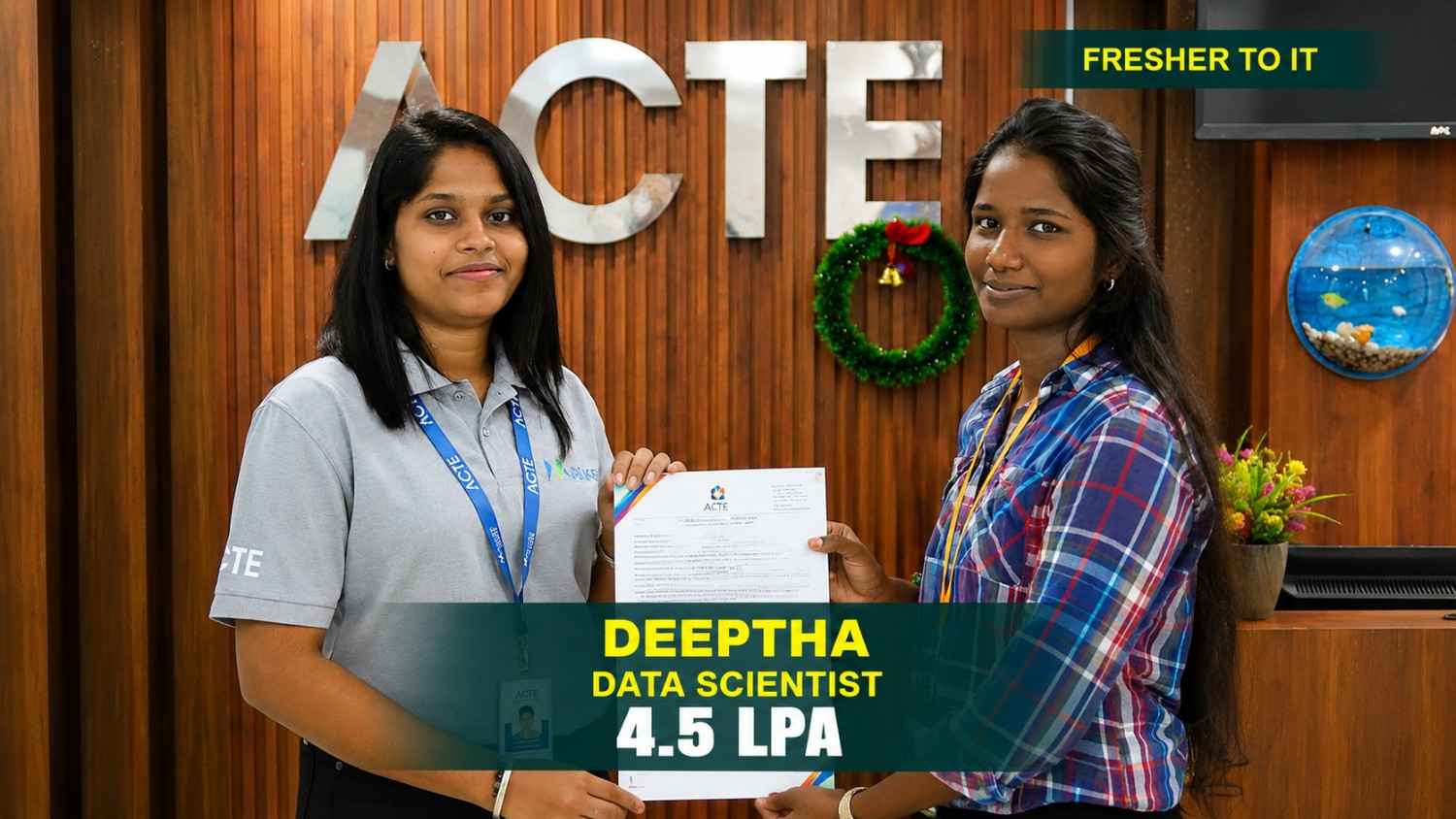
From a small town to a top tech firm, learn how our hands-on projects helped.
#Inspiration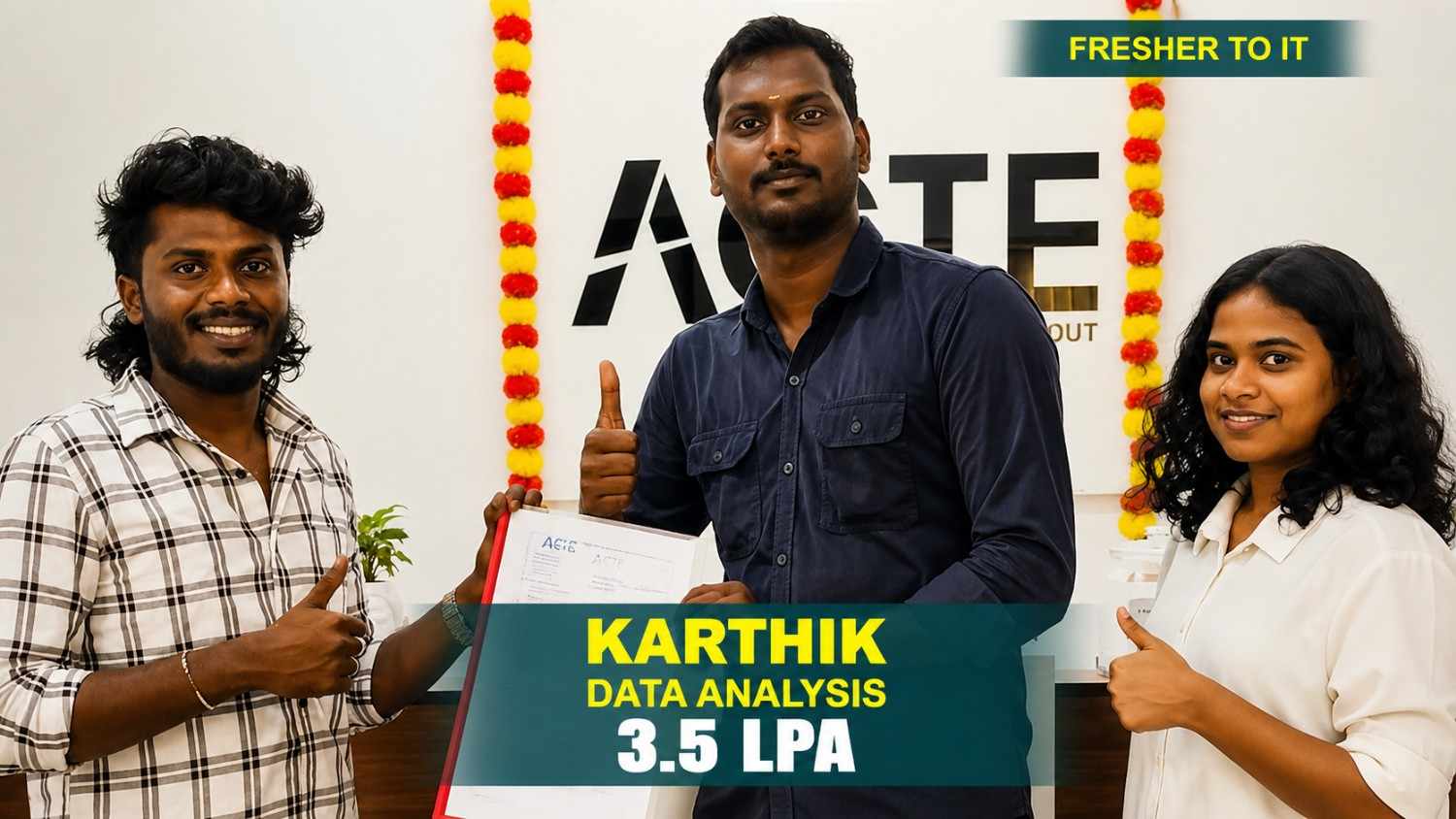
From a small town to a top tech firm, learn how our hands-on projects helped.
#InspirationStrengthen Your Gen AI & Machine Learning
Expertise with Professional Certification
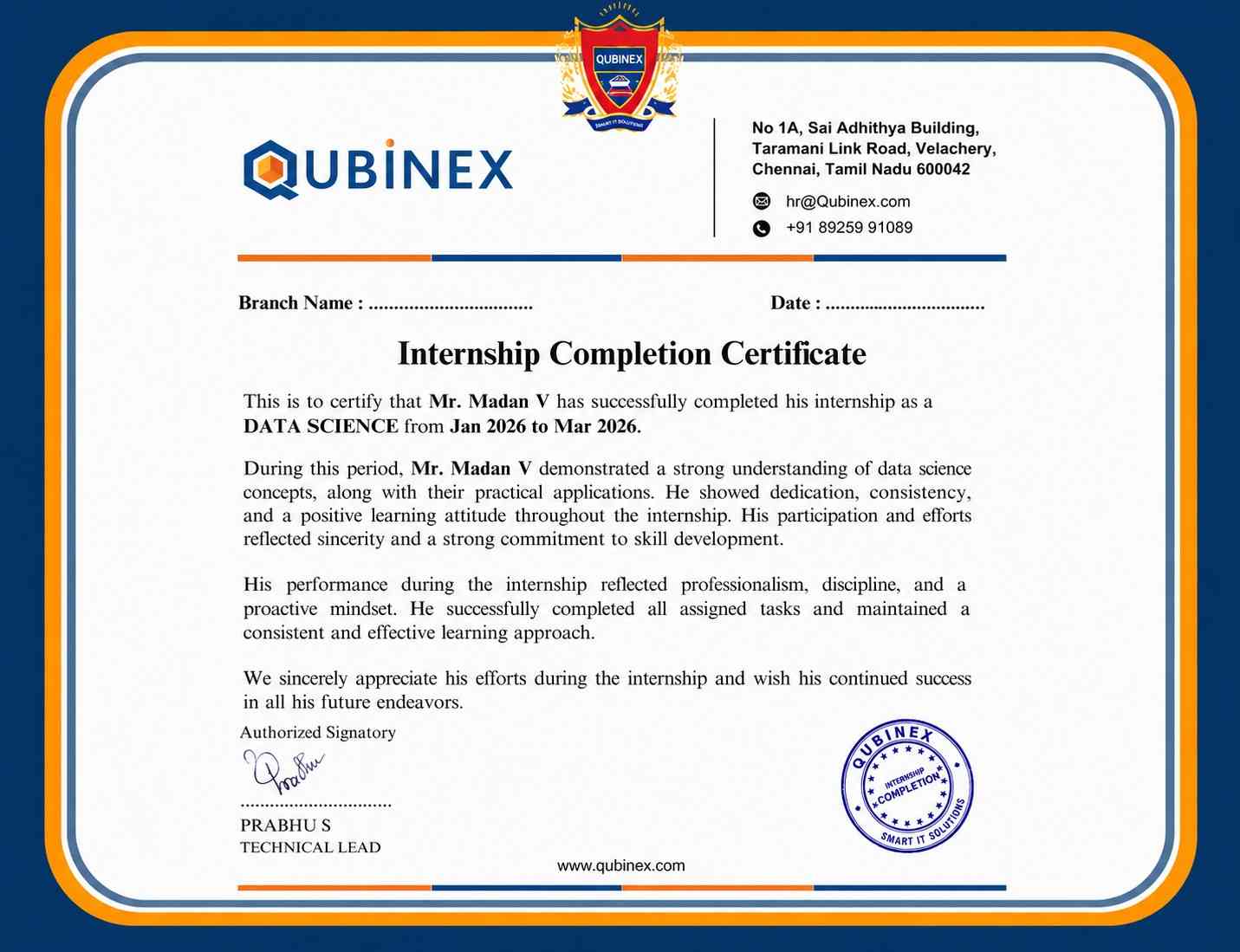
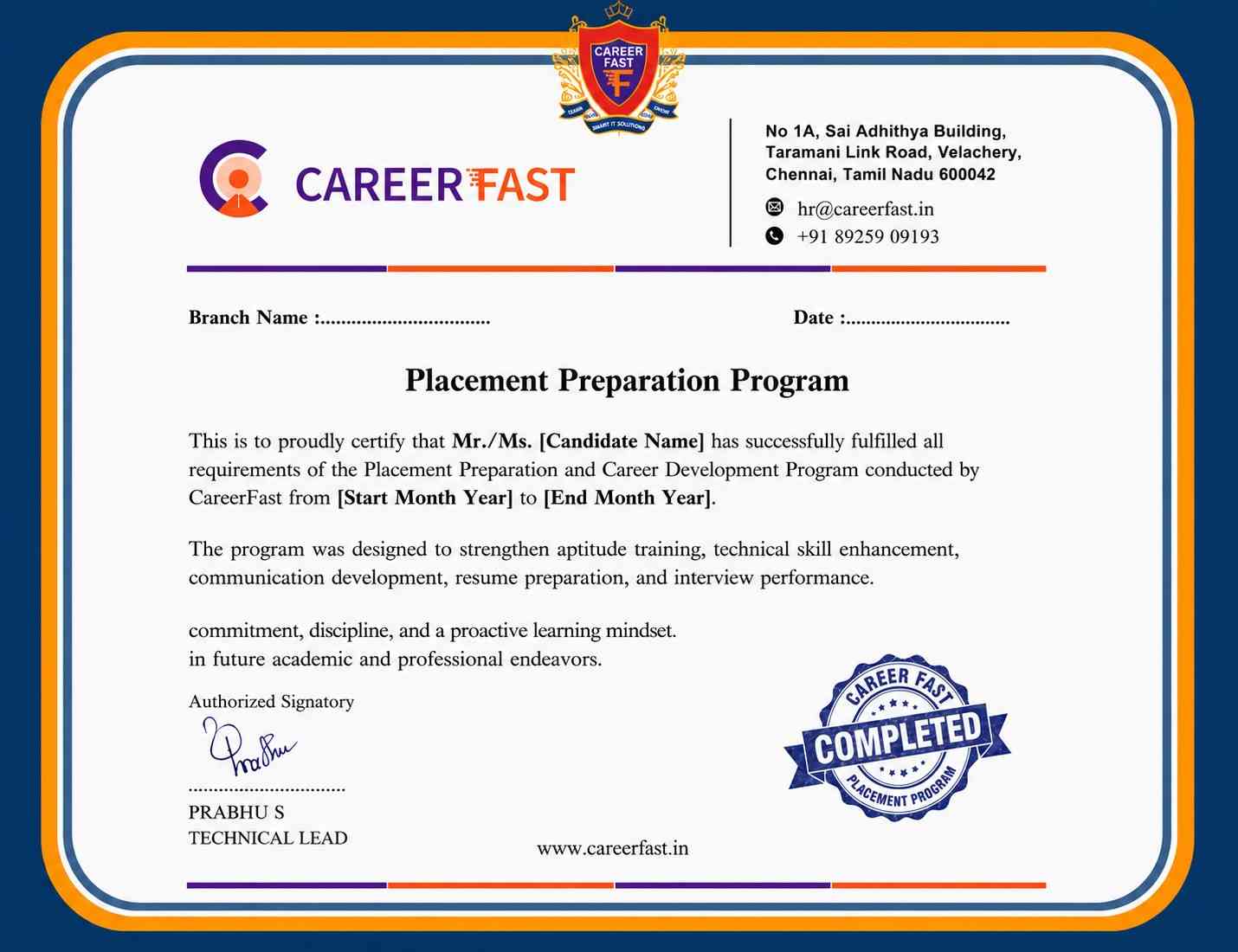
Linkplux emphasizes hands-on education designed to help participants build practical Gen AI and Machine Learning expertise. Upon program completion, learners may receive a course completion certificate highlighting their understanding of Python, Machine Learning, Deep Learning, Generative AI, Large Language Models, prompt design, RAG, AI agents, model customization, and AI solution development. A Gen AI and Machine Learning certificate can strengthen your professional profile while pursuing opportunities across artificial intelligence and machine learning.



Reviews from Our Successful Students
See how our AI-powered IT training institute has helped students succeed.

"Perfect for Beginners"
Hi, I'm Priya.S . I completed my undergraduate degree in 2021. Then I decided to change my career to the IT field. The trainers were very friendly and cleared all my doubts. My special thanks to Ashok sir for his guidance. I learned to create a website very easily. The real-time project gave me the confidence to crack the interview.

"Hands-On Learning That Built My Confidence"
The MERN Stack training at Linkplux gave me practical experience in building real-world web applications. Every concept was explained clearly with hands-on coding sessions, making it easy to understand both frontend and backend development. The trainers were supportive throughout the course, and the live projects helped me gain the confidence to attend interviews and start my career as a Full Stack Developer.

"A Perfect Start to My Digital Marketing Career"
The Digital Marketing program at Linkplux gave me the confidence to work on real-world projects and understand industry practices. The trainers explained every concept with practical examples, and the live assignments helped me improve my skills. I truly appreciate the guidance and support I received throughout the course and would recommend Linkplux to anyone looking to build a successful career in Digital Marketing.

"A Career-Changing Learning Experience"
The practical assignments and live projects at Linkplux helped me gain real-world experience in Data Analytics. The trainers explained every concept clearly and guided me throughout the learning journey. The hands-on approach boosted my confidence and prepared me for industry challenges. I highly recommend Linkplux to anyone looking to build a successful career in the IT field.