
Powering Digital Growth for Businesses Across Industries



















Our Success Stories







Why Choose Us?
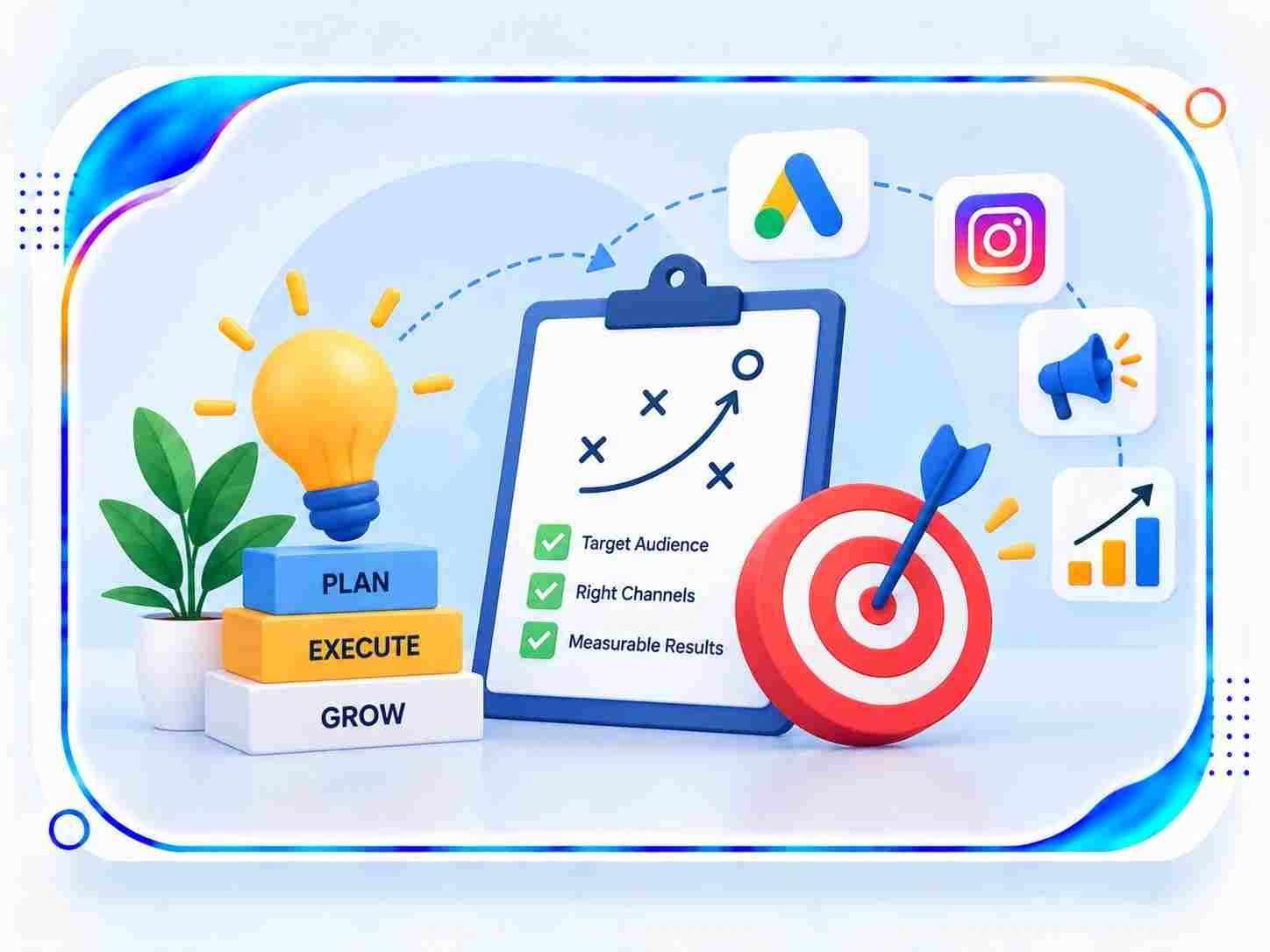
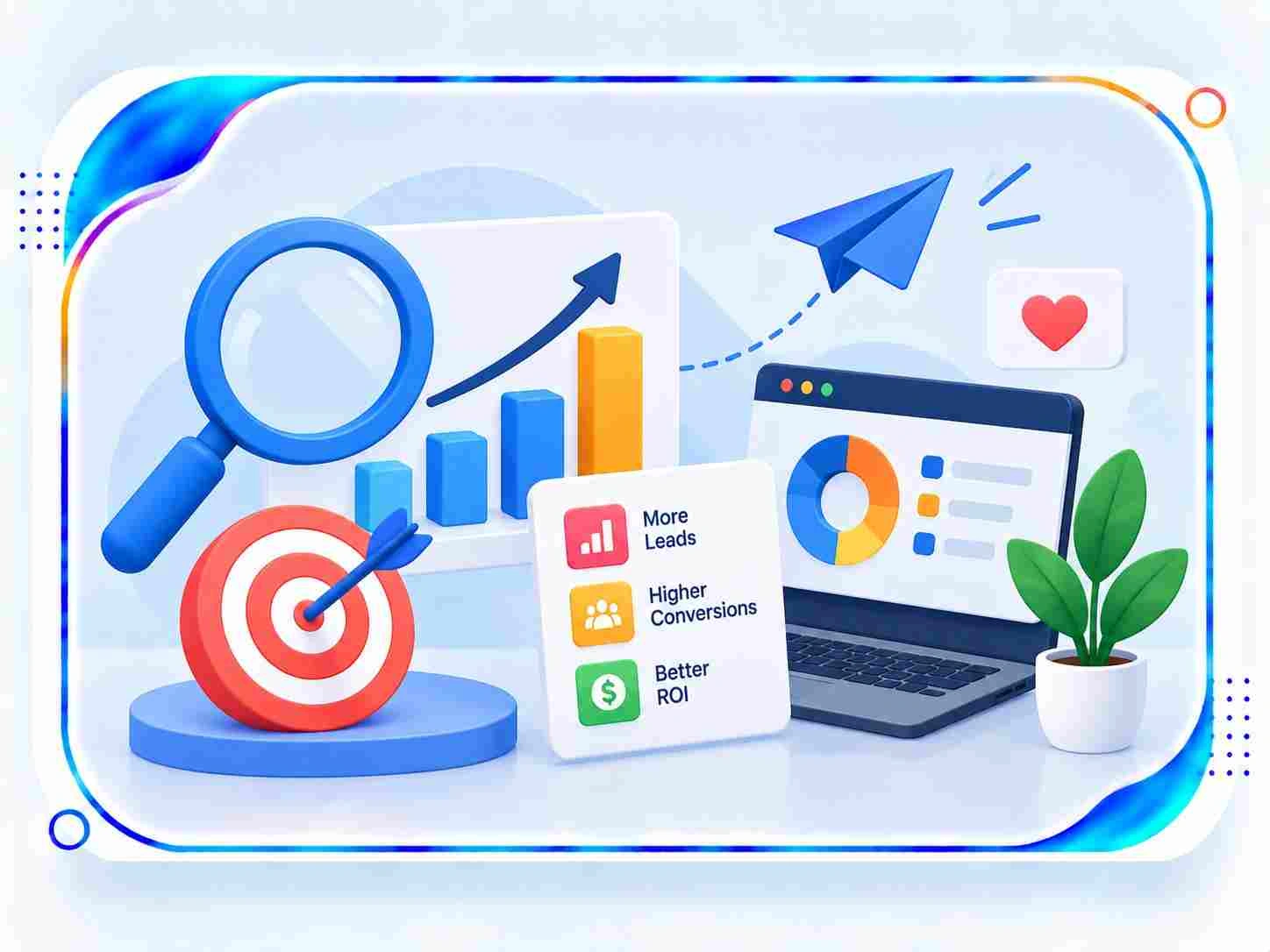
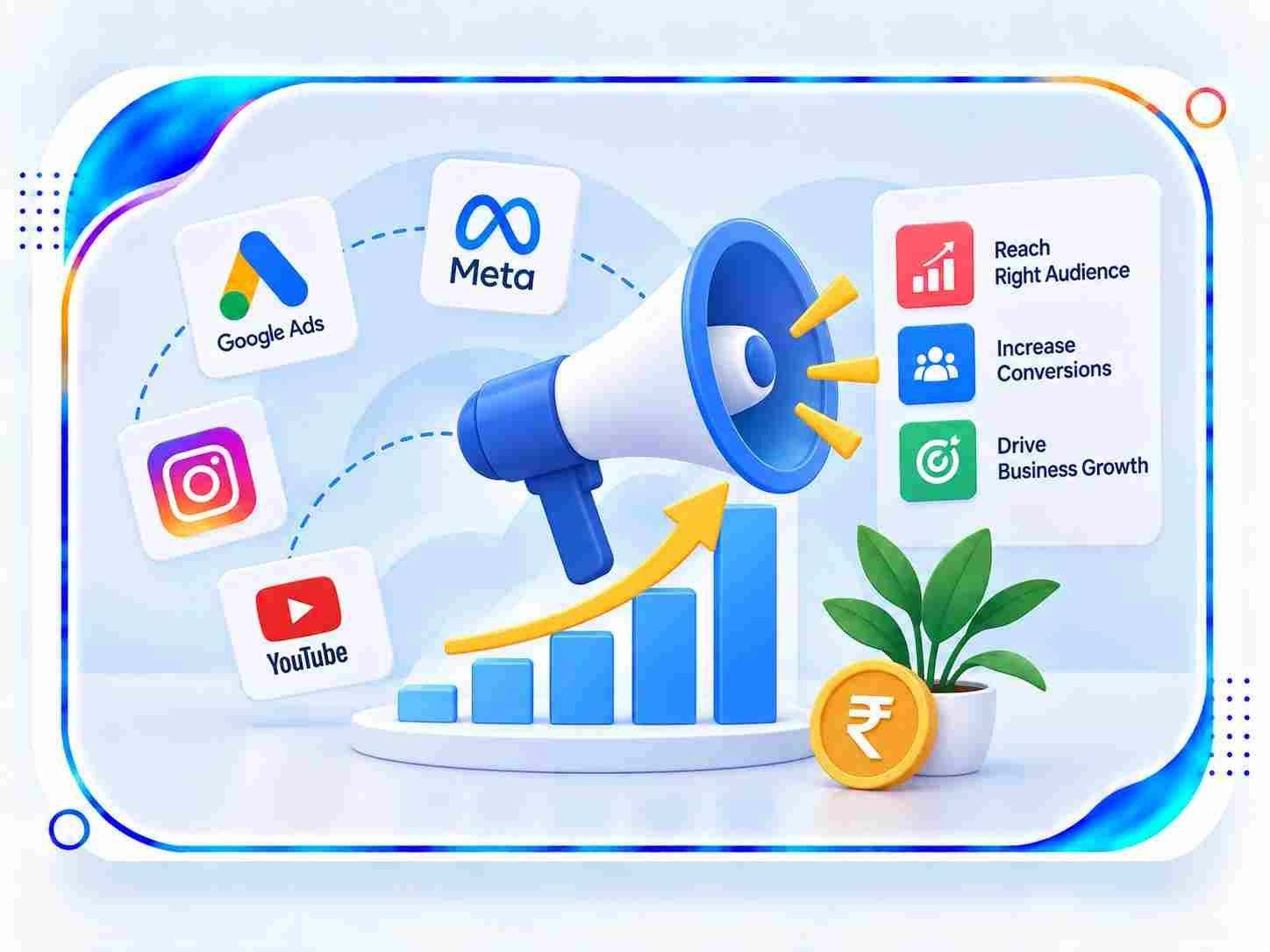
Performance Marketing Agency in Hyderabad creates performance driven advertising campaigns through the integration of market research, paid media planning, conversion optimization, and campaign analytics. We create advertising campaigns through Google Ads, Meta Ads, retargeting, conversion tracking, and landing page optimization for getting qualified leads and increasing the effectiveness of the campaign. Data analysis allows constant optimization of budgets and ROI.
Insight-Led Advertising
Precision Audience Targeting
Conversion-Led Approach

Google & Meta Advertising
Performance Measurement
ROI & Business Expansion
What Makes Linkplux The Performance Marketing Service Agency in Hyderabad?



What Our Clients Say About Us
LinkPlux Performance Marketing FAQs
FAQs + more
Performance marketing helps businesses connect advertising expenditure with trackable outcomes such as enquiries, purchases, registrations, appointments, and qualified leads. Campaigns may use Google Ads, Meta advertising, audience segmentation, remarketing, conversion measurement, and analytics to understand customer responses. By studying real campaign data, businesses can refine targeting, improve advertising efficiency, and align paid media activity with their growth objectives.
A campaign may incorporate Google Search, Shopping, Display, Performance Max, YouTube promotions, Meta Ads, social media advertising, remarketing, lead acquisition campaigns, and eCommerce-focused promotions. Supporting activities can include landing page evaluation, conversion measurement, creative experimentation, audience grouping, and campaign reporting. The channel combination is generally selected according to customer behaviour, business goals, industry requirements, market demand, and available advertising spend.
Performance-led advertising concentrates on measurable actions instead of relying only on reach or impressions. Businesses can examine qualified enquiries, completed transactions, conversion values, acquisition expenses, and advertising returns to understand campaign contribution. Ongoing analysis allows marketers to experiment with search terms, audiences, advertisements, promotional messages, and landing pages, making data-based adjustments as campaign behaviour becomes clearer.
Paid campaigns can be structured to generate enquiries, online orders, appointment submissions, registrations, subscriptions, product interest, application requests, and repeat engagement. Audience research and conversion information help determine the most suitable campaign setup. Performance advertising can also assist with new product introductions, promotional periods, local market expansion, customer acquisition, and reaching new audience segments when supported by clearly defined objectives.
Important measurements may include impressions, click-through rate, cost per click, conversion percentage, cost per enquiry, cost per acquisition, customer acquisition expense, conversion value, generated revenue, return on ad spend, and overall return on investment. The right metrics depend on the campaign purpose and business model. For instance, online stores may prioritize sales value and ROAS, while B2B organizations may focus more closely on qualified prospects, lead quality, and acquisition costs.
No fixed quantity of enquiries, sales, or revenue can be assured because advertising outcomes are influenced by competition, demand, pricing, offers, audience interest, website usability, budget levels, seasonal changes, and market conditions. A properly managed campaign can establish measurable objectives, implement accurate tracking, test multiple approaches, and use performance findings to improve targeting and efficiency over time.
Audience planning can consider search intent, keyword themes, demographics, geographic areas, interests, browsing patterns, existing customer information, platform signals, and previous interactions with a brand. Campaign results can reveal groups that demonstrate stronger engagement or conversion behaviour. These findings can guide audience exclusions, targeting adjustments, message variations, and budget distribution while keeping advertisements relevant to different stages of the buying cycle.
Yes. Paid media can be structured according to the amount available by concentrating on selected locations, high-intent search terms, relevant customer groups, and clearly defined conversion actions. Campaign results should be reviewed consistently to determine whether spending is generating useful business activity. Based on these findings, businesses can modify bidding, targeting, channel allocation, and campaign priorities to make more effective use of their advertising budget.
Improving conversion performance can involve matching advertisements more closely with landing pages, experimenting with headlines and offers, strengthening calls to action, simplifying forms, refining audience groups, and studying visitor interactions. A/B experiments can help compare creative or page alternatives, while remarketing can bring back visitors who have already demonstrated interest. Accurate conversion measurement makes it easier to identify which optimizations contribute to stronger customer actions and improved campaign efficiency.
Campaign outcomes can be monitored using advertising platforms, analytics solutions, conversion tags, tag management tools, CRM records, and customized reporting dashboards. Measurement may include clicks, page interactions, enquiries, purchases, revenue, engagement, acquisition expenses, and conversion values. Bringing these data points together helps businesses understand campaign contribution, recognize customer behaviour patterns, and identify when changes to creative assets, bidding, targeting, or media budgets may be appropriate.
Yes. Paid media can complement search engine optimization, content creation, social media, email outreach, brand-building activities, and other organic acquisition efforts. Search advertisements can capture users who already demonstrate purchase intent, while organic content contributes to sustained visibility. Insights from paid campaigns can also reveal valuable search queries, audience preferences, and customer concerns that may inform SEO and wider digital marketing plans.
Remarketing allows brands to reconnect with users who have previously visited their website, explored products, interacted with content, or responded to advertisements. Follow-up promotions can be tailored according to earlier activity and the prospect's position within the purchasing process. When implemented with appropriate audience controls, remarketing can encourage interested visitors to revisit product pages, enquiry forms, booking sections, or checkout pages and provide additional opportunities to complete an action.
Campaign analytics reveals how people interact with advertisements and which campaign components are associated with valuable outcomes. Marketers can examine search terms, audience segments, creative versions, placements, conversion journeys, acquisition expenses, and revenue indicators to discover meaningful patterns. These observations can guide audience refinement, budget planning, experimentation, and campaign improvements while helping businesses adapt to changing customer interests, search behaviour, and advertising conditions.
Yes. Performance-focused campaigns can be adapted for emerging brands and smaller organizations by identifying a defined audience, selecting suitable advertising channels, establishing measurable goals, and controlling the initial media allocation. Local businesses can focus on selected areas, while digital brands can reach prospective customers according to intent and online behaviour. Regular analysis enables teams to understand campaign contribution and decide when to refine targeting, increase reach, or shift investment between opportunities.