
Powering Digital Growth for Businesses Across Industries



















Our Success Stories







Why Choose Our Social Media Marketing
Agency in Pune?
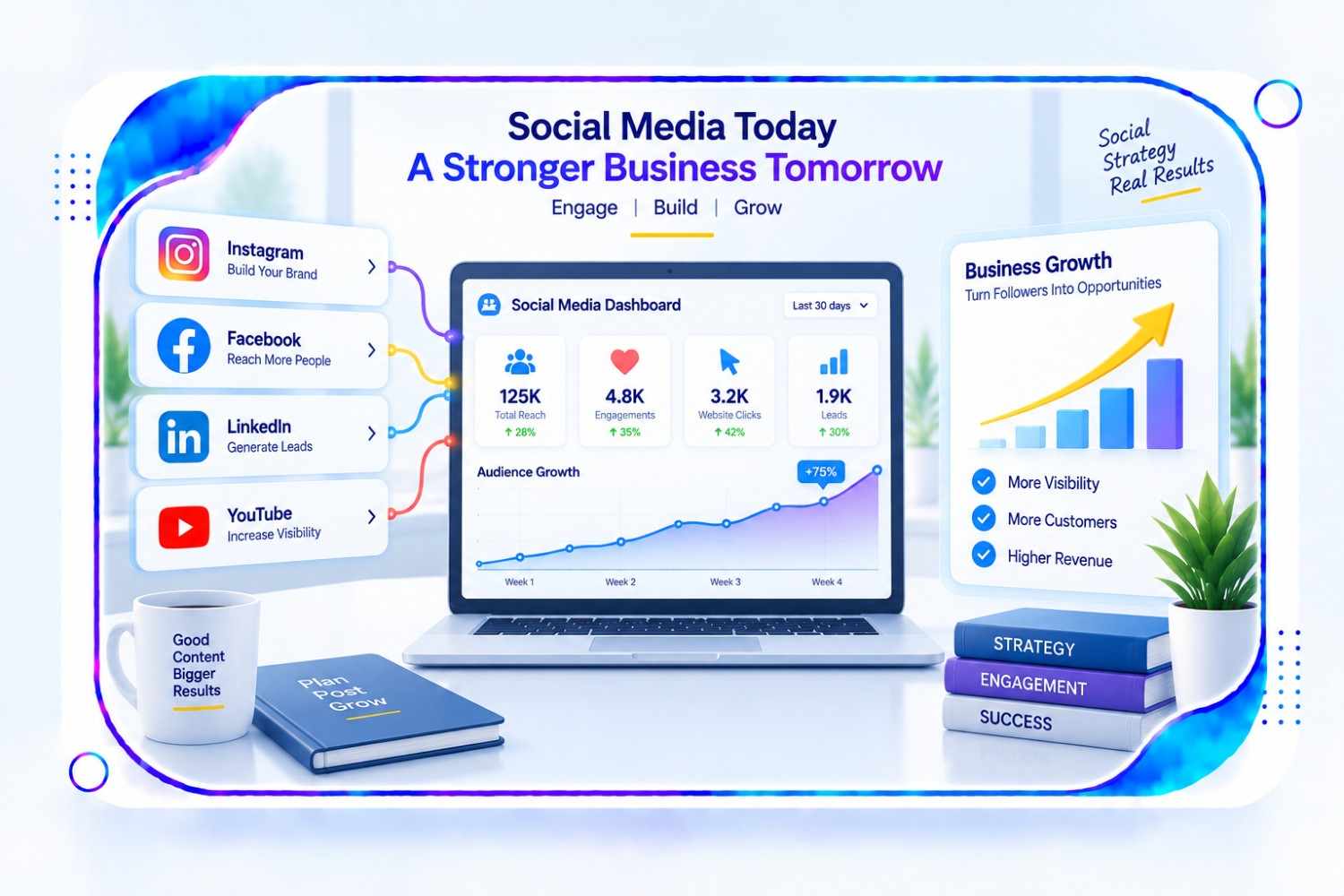
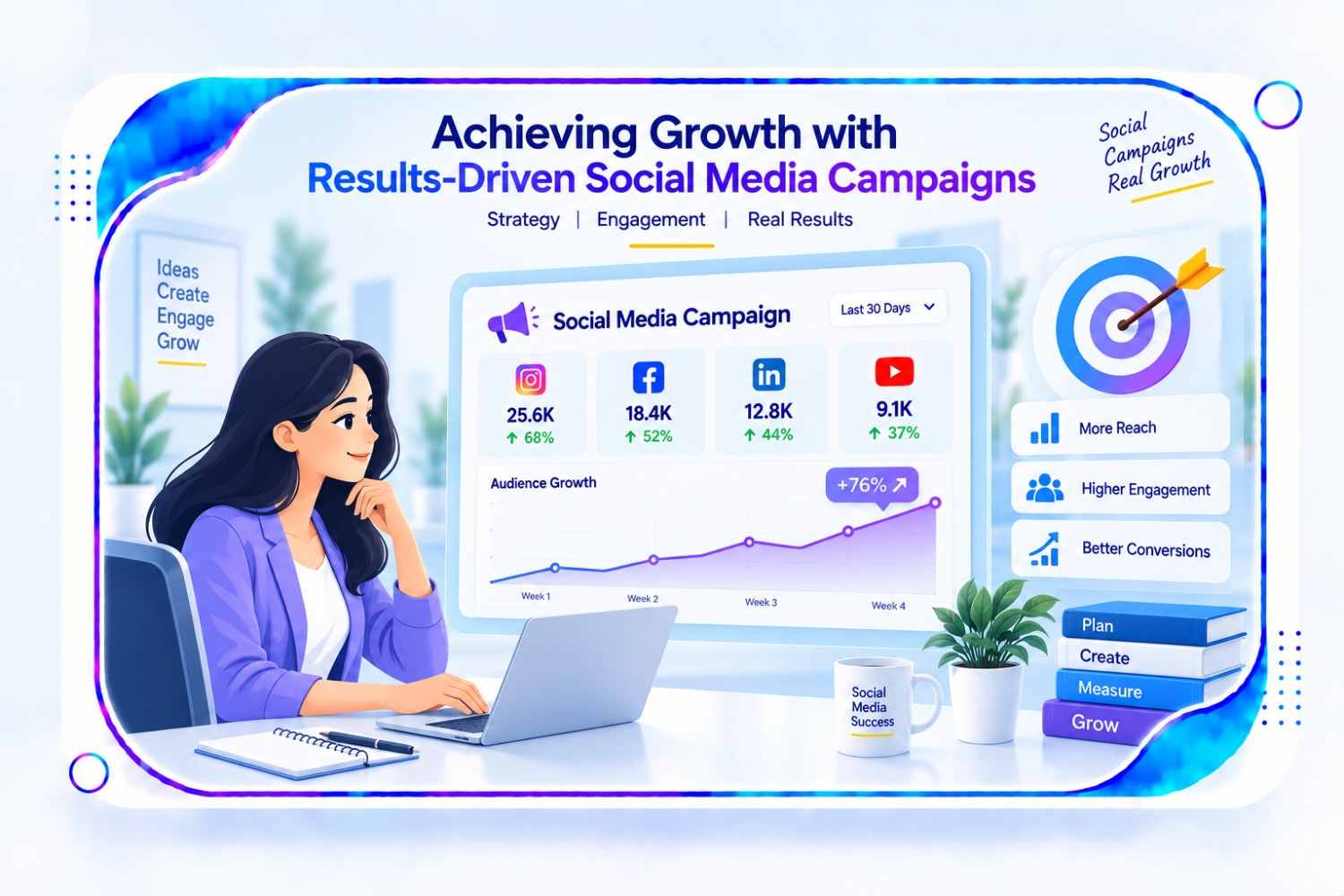
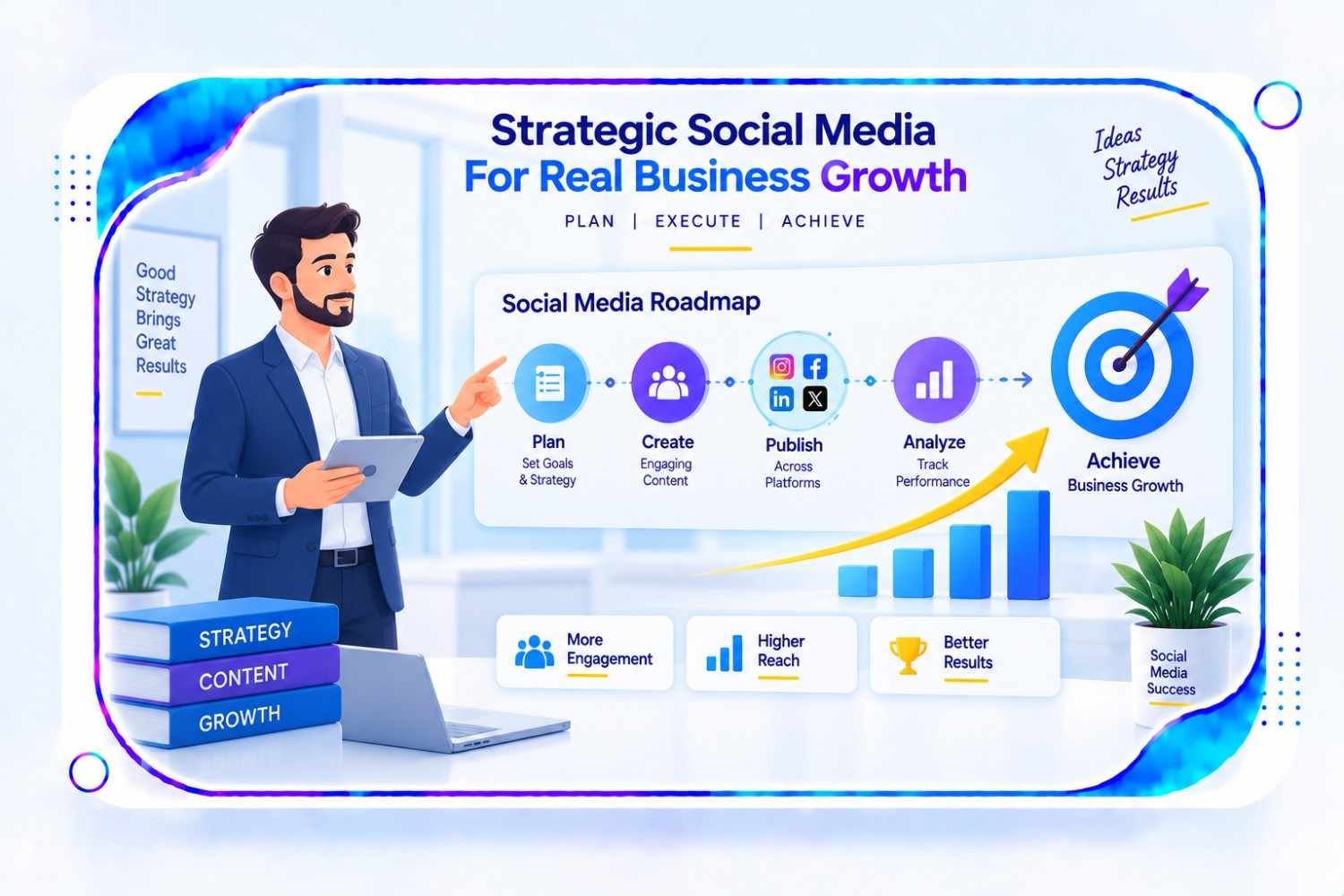
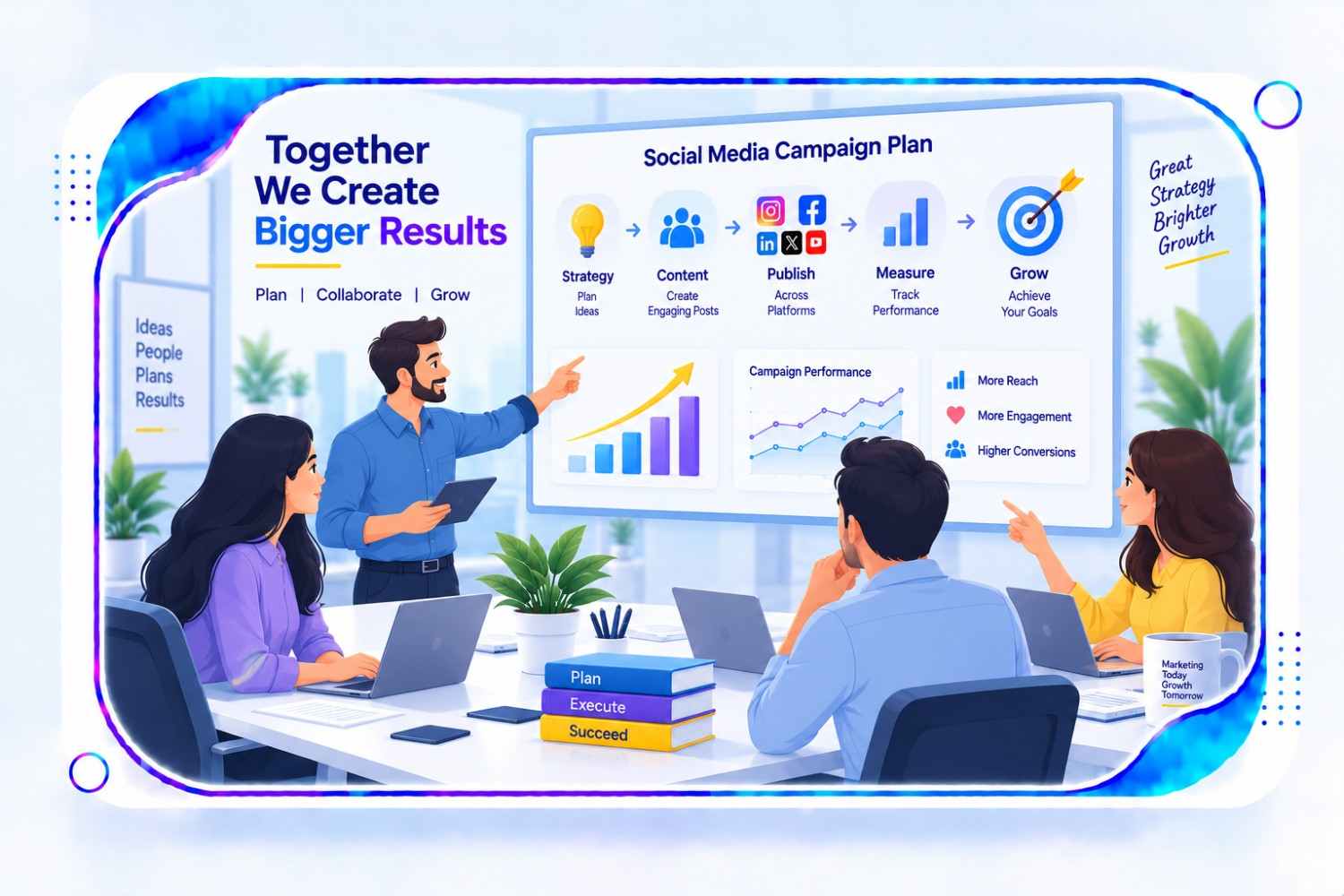
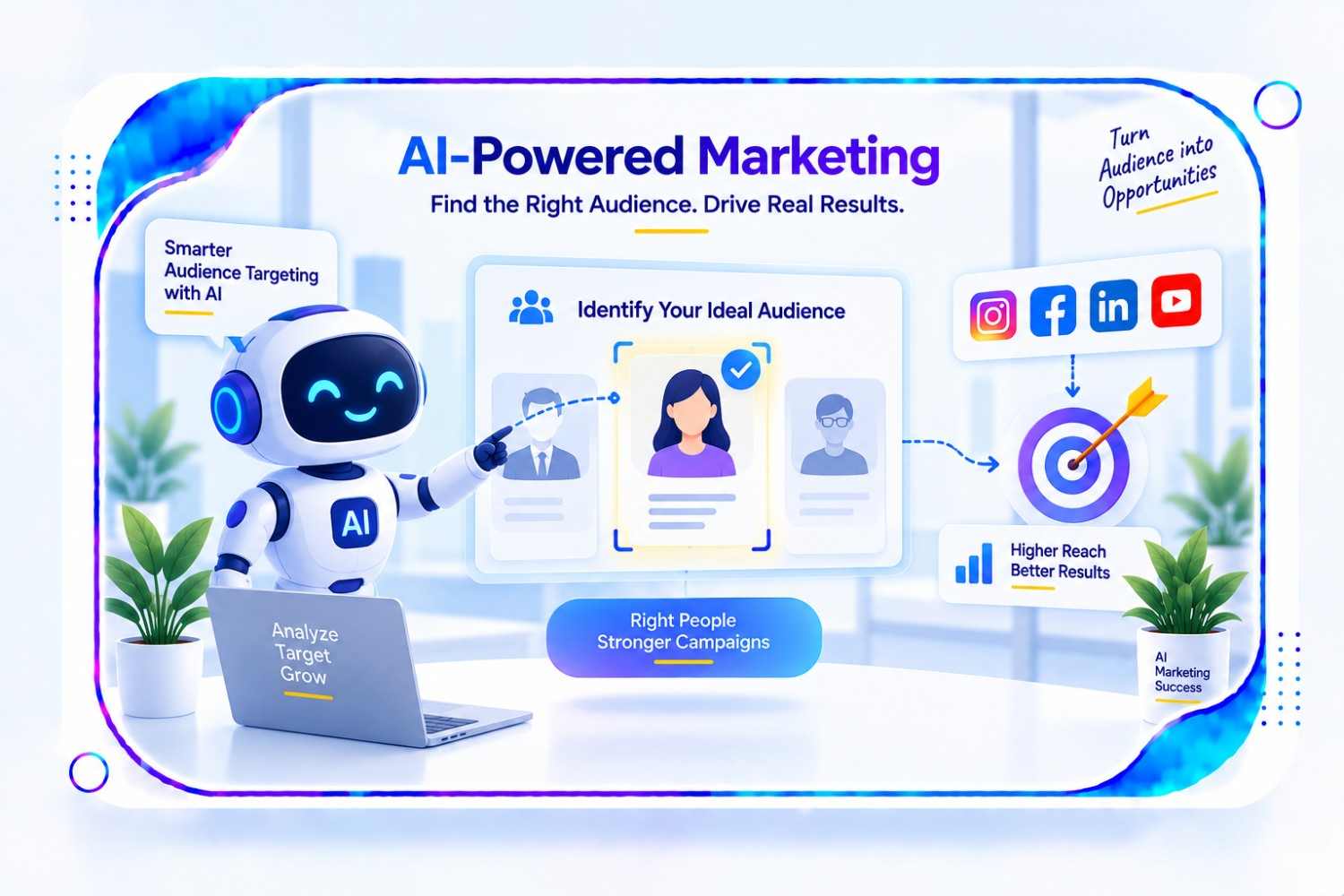
As a results-focused social media marketing services in Pune, we develop customized strategies that strengthen brand recognition, encourage meaningful audience interactions, and support business objectives. From content planning and profile management to paid promotions and performance analysis, our approach helps improve reach, engagement, qualified leads, website traffic, and long-term digital growth.
Tailored Social Media Planning
Engaging Content Creation
Audience & Engagement

Targeted Social Advertising
Performance Analytics
Long-Term Digital Growth
Why Linkplux Is a Leading Social Media Marketing Agency in Pune?
What Our Clients Say About Us
LinkPlux Social Media Marketing FAQs
FAQs + more
Social Media Marketing is a digital growth approach that uses social networking platforms to increase brand awareness, communicate with relevant audiences, promote products or services, and encourage meaningful customer interactions. It can include content development, profile management, community engagement, paid advertising, audience targeting, campaign planning, and performance measurement.
A complete social media strategy can cover audience research, platform selection, profile optimization, content planning, copywriting, creative design, posting schedules, community interaction, influencer collaborations, paid advertising, campaign optimization, and performance reporting. The activities are structured around the brand's objectives, customer interests, industry environment, and available marketing resources.
A consistent social presence can place your brand in front of relevant audiences through useful content, platform-specific communication, targeted advertising, and regular engagement. By maintaining recognizable messaging and responding to audience interests, businesses can improve online visibility, encourage interactions, strengthen brand familiarity, and create more opportunities for potential customers to discover them.
Yes, social media marketing commonly involves planning and producing content suited to different platforms and audience preferences. This may include branded graphics, informative captions, reels, short-form videos, stories, carousels, promotional creatives, and other visual formats. Each asset can be developed around the brand voice, campaign objective, content theme, and communication style.
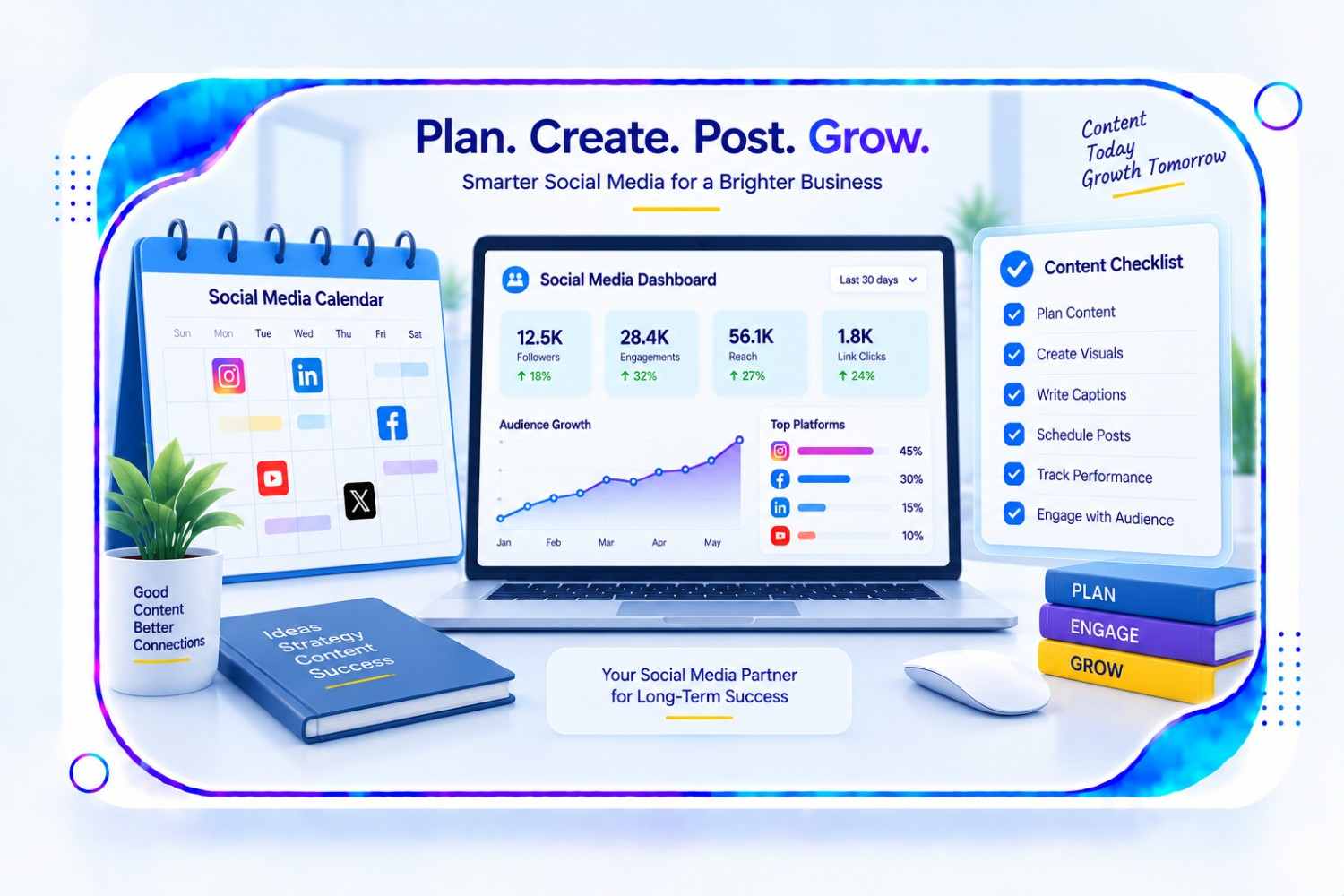
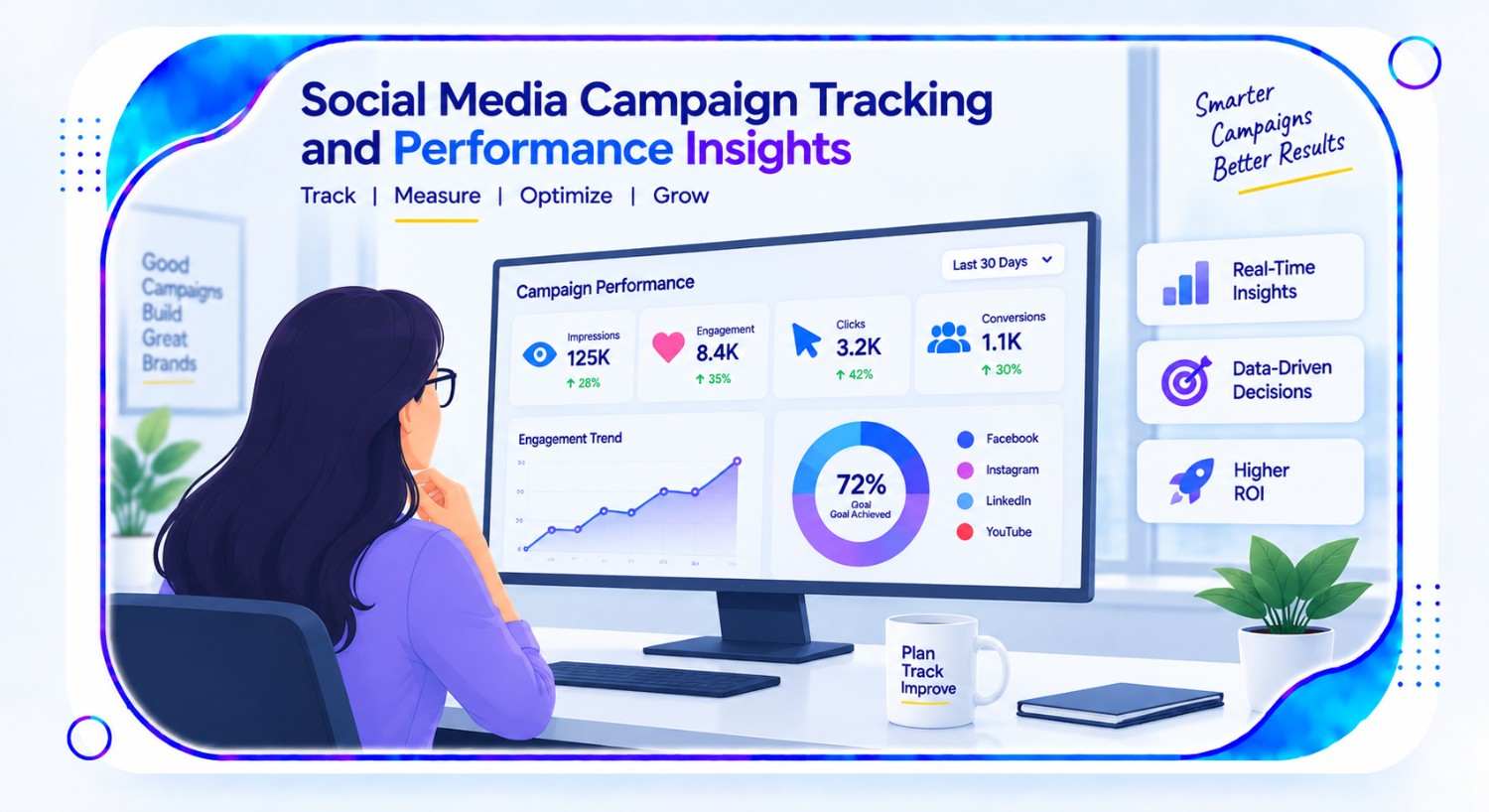
Campaign performance can be assessed through relevant metrics such as reach, impressions, engagement, profile activity, follower growth, link clicks, website visits, enquiries, leads, conversions, and advertising results. Reviewing these indicators helps identify effective content and audience responses while providing useful direction for refining future social media campaigns.
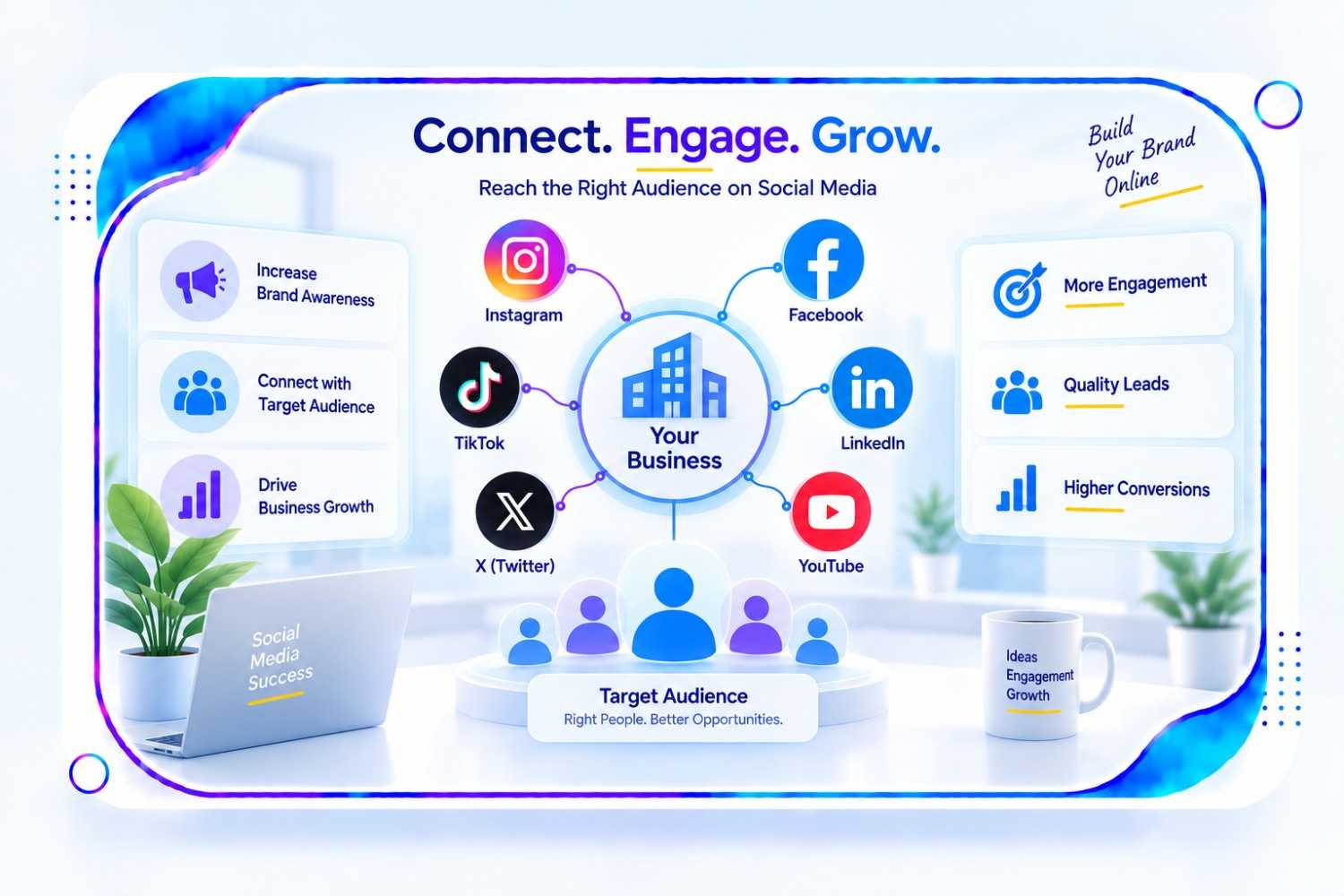
The right channels depend on your customer profile, industry, content format, communication goals, and business model. Instagram and Facebook can support visual and consumer-focused communication, while LinkedIn is often relevant for professional and B2B audiences. YouTube can support video-led storytelling, and other networks may be considered when they align with your audience and marketing objectives.
The timeline differs according to factors such as industry competition, audience size, content quality, posting consistency, campaign objectives, and advertising activity. Organic growth generally requires continuous publishing and engagement, while paid campaigns may generate measurable traffic or interactions within a shorter period. Results should be reviewed regularly against clearly defined marketing goals.
Social media marketing costs can vary depending on the number of platforms managed, content volume, creative requirements, publishing frequency, advertising budget, campaign scope, community management needs, and reporting expectations. A customized plan can be developed according to the business's priorities, marketing objectives, required deliverables, and available budget.
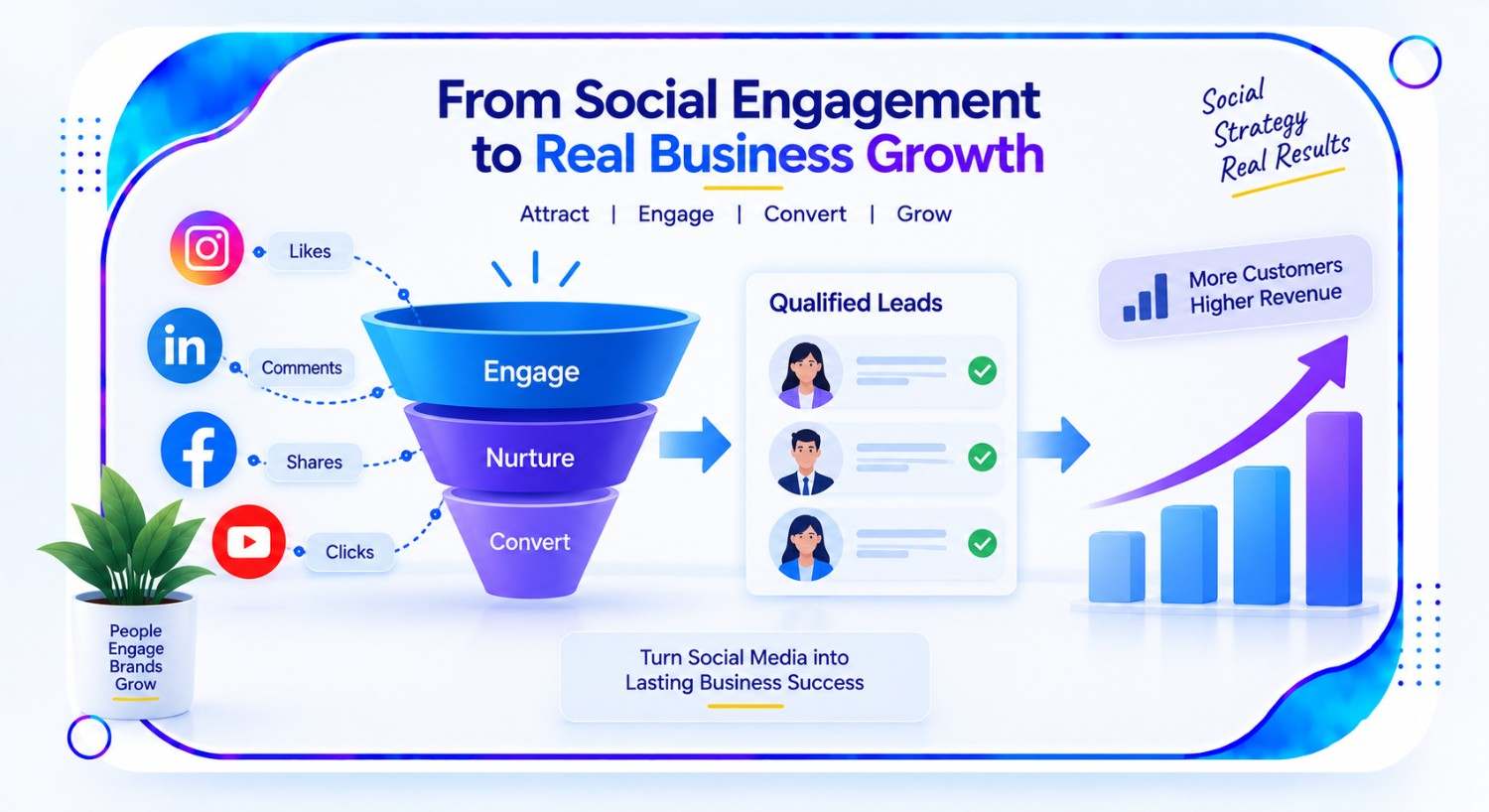
Yes, social media campaigns can contribute to lead generation through audience segmentation, paid advertisements, promotional offers, direct-message interactions, lead forms, website links, and clear calls to action. When campaigns are aligned with the customer journey, interested users can be guided from initial engagement toward enquiries, registrations, consultations, or purchase-related actions.
Community management focuses on maintaining meaningful communication with audiences across social channels. It can include reviewing comments, messages, mentions, questions, and feedback, followed by timely and appropriate responses. Consistent interaction helps businesses understand audience sentiment, encourage conversations, address concerns, and maintain a professional and approachable digital presence.
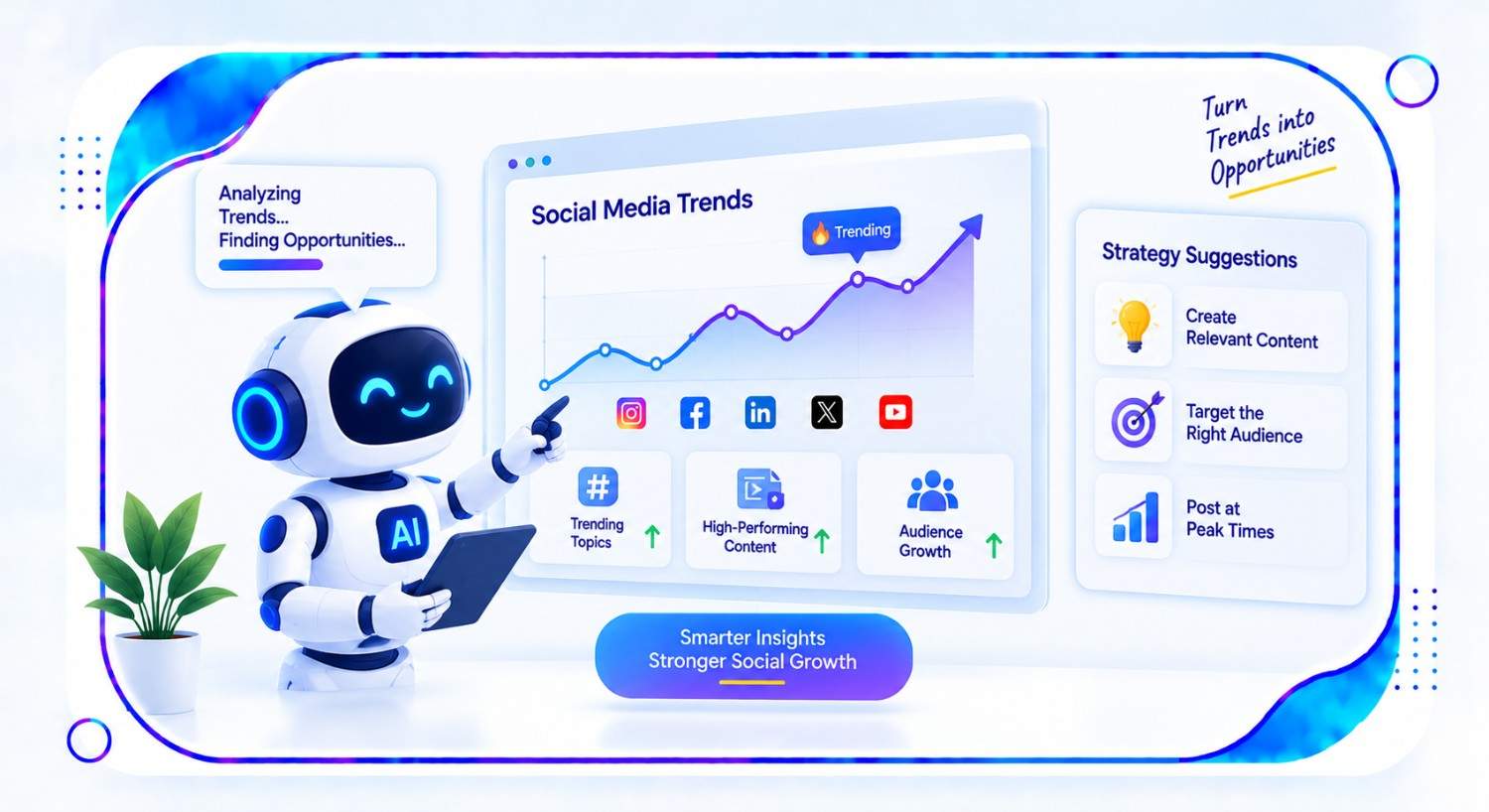
Businesses can improve their social media efforts by defining measurable objectives, researching customer preferences, selecting relevant platforms, developing useful content, maintaining a planned publishing schedule, encouraging conversations, testing campaign ideas, and reviewing performance data. Regular optimization helps keep the strategy aligned with changing audience behaviour and business priorities.
A structured social media presence can help businesses expand brand recognition, communicate with prospective customers, distribute useful information, increase website visits, support lead-generation activities, and nurture customer relationships. It also creates opportunities to study audience responses and use those insights to improve content, campaigns, messaging, and broader digital marketing initiatives.
Social media can complement wider digital marketing activities by distributing content, increasing online visibility, supporting advertising campaigns, generating website traffic, encouraging audience interactions, and providing valuable customer insights. When integrated with SEO, content marketing, paid advertising, email campaigns, and other channels, social communication can contribute to a more consistent customer journey.
Businesses may encounter challenges such as maintaining a consistent content schedule, selecting suitable platforms, keeping pace with changing platform features, developing fresh creative ideas, managing audience conversations, controlling advertising costs, and connecting social activity with measurable outcomes. A well-planned approach with regular monitoring can help address these challenges and keep social campaigns focused on defined business objectives.