
Powering Digital Growth for Businesses Across Industries




















Our Success Stories







Why Work With Us?
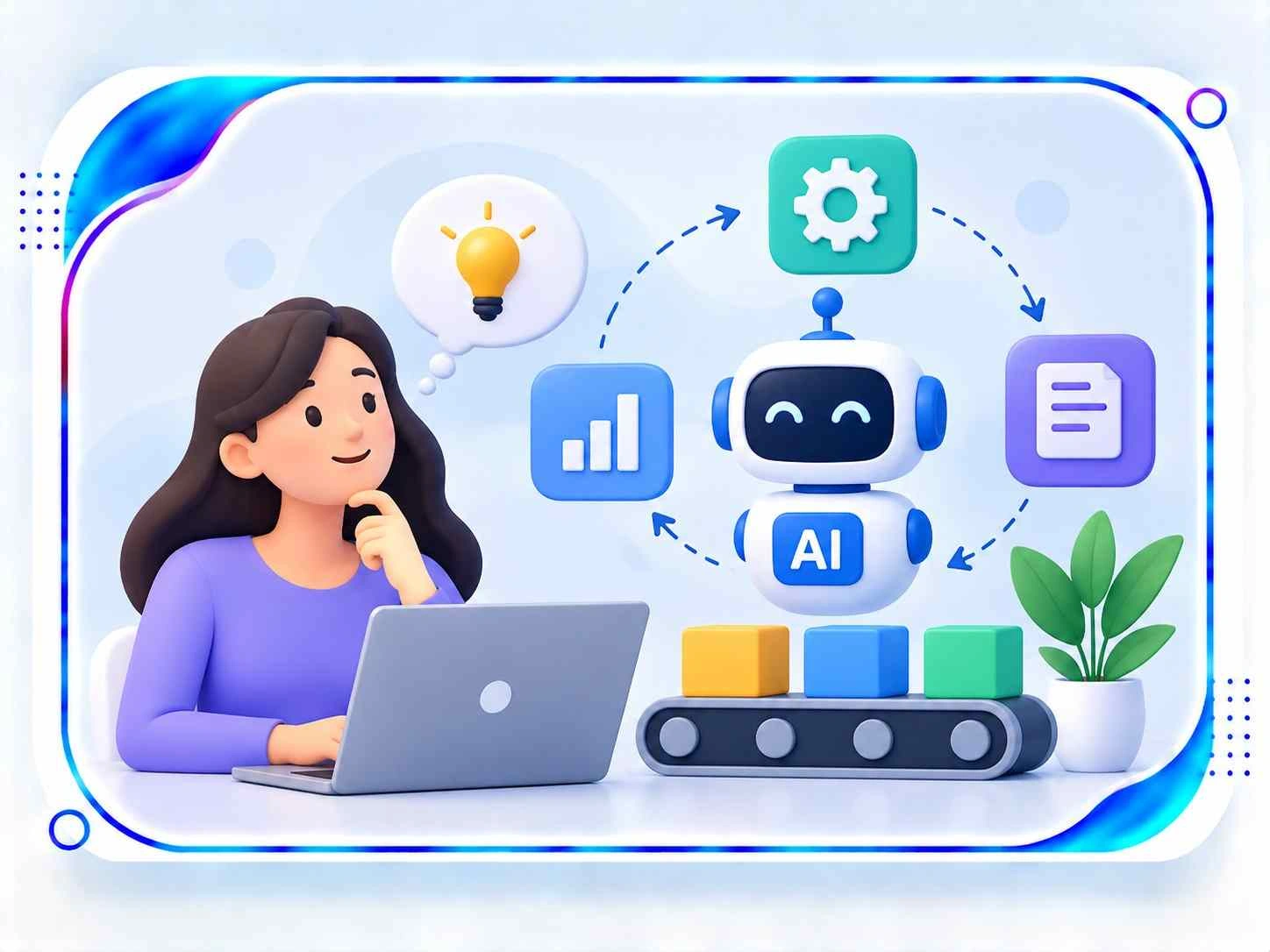
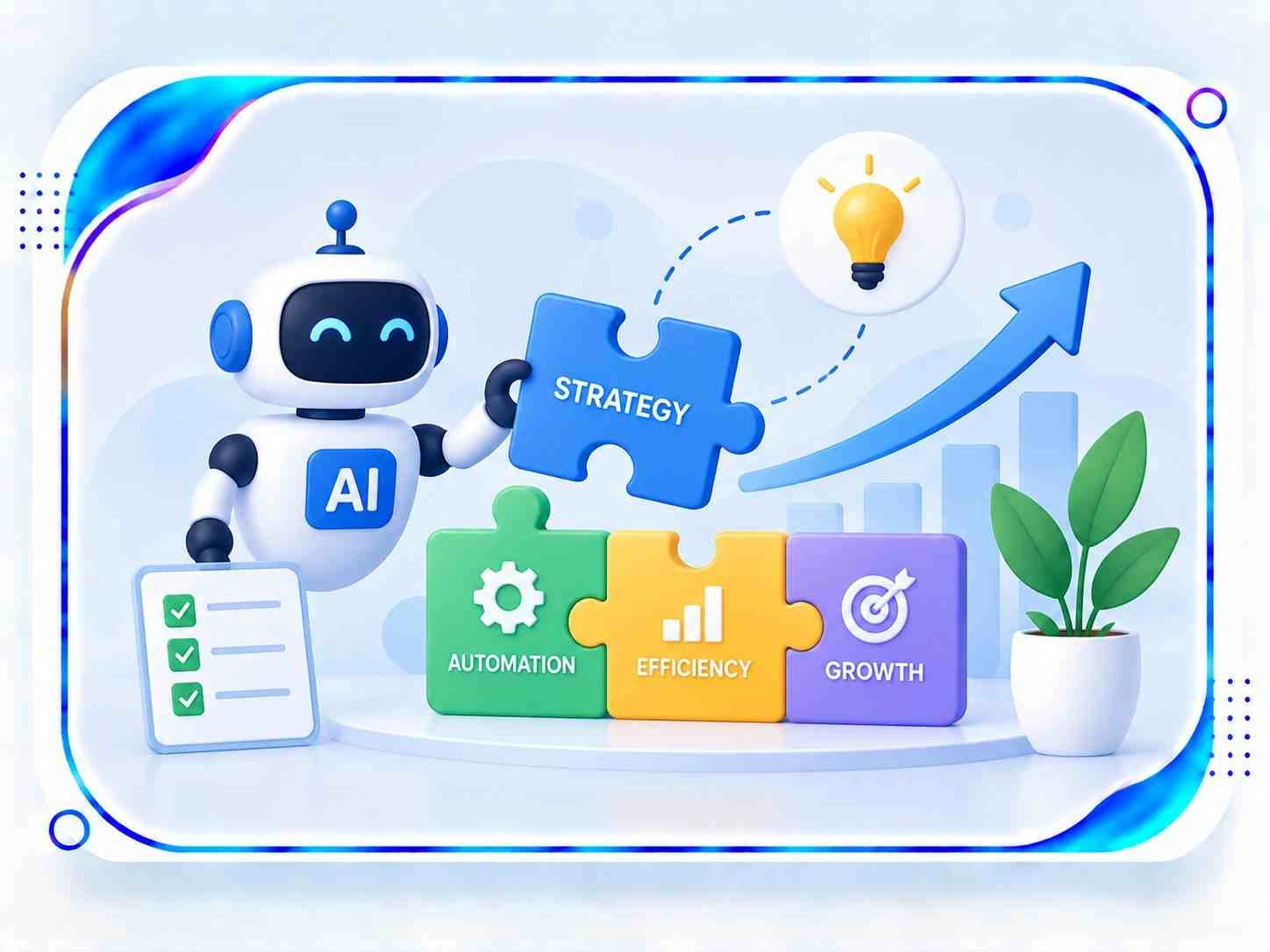
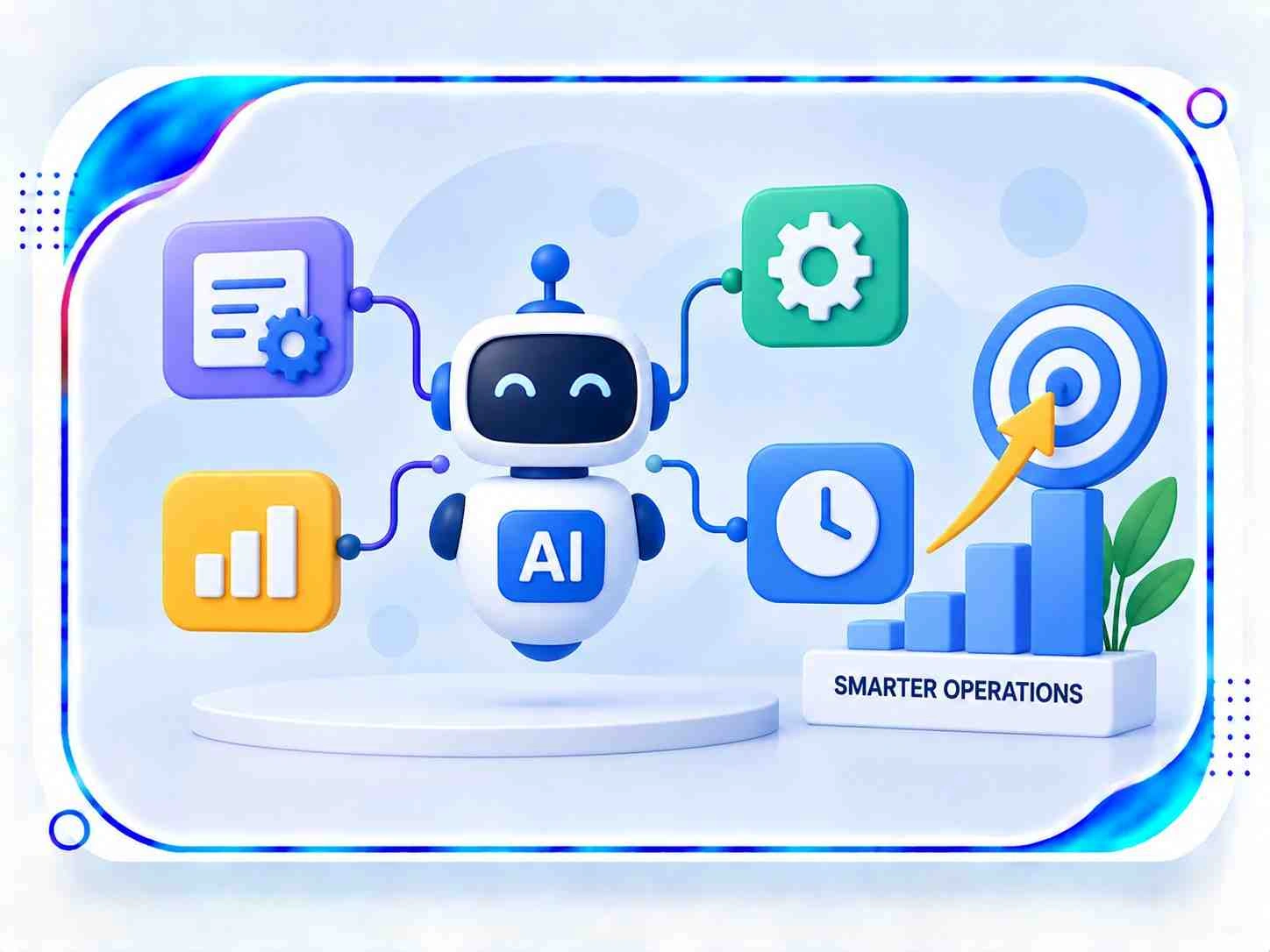
We help businesses adopt intelligent AI Automation solutions to streamline daily operations and improve task efficiency. Our AI Automation Services in Coimbatore combine machine intelligence, smart workflows, automated applications, and seamless integrations to reduce repetitive work, accelerate processes, optimize resources, and support scalable digital growth.
Intelligent Workflow Automation
Custom AI Development
Streamlined Business Processes

AI Agents & Smart Assistants
Connected System Integration
Scalable Intelligent Operations
What Makes Linkplux The Best AI Automation Agency in Coimbatore?
What Our Clients Say About Us
LinkPlux AI Automation FAQs
FAQs + more
An AI Automation Company in Coimbatore develops intelligent digital solutions that simplify repetitive activities, connect business applications, and manage multi-step workflows. Services can cover AI agents, conversational assistants, document intelligence, workflow orchestration, data automation, predictive solutions, and software integration. These capabilities help organizations coordinate operations, handle routine processes, and establish connected digital environments.
AI automation can help companies handle recurring workloads, accelerate information processing, connect digital tools, and reduce avoidable manual effort. Intelligent workflows can assist sales, marketing, customer care, finance, HR, administration, and operations. By coordinating applications and processes, organizations can improve consistency, respond faster to routine needs, and give employees more time for valuable responsibilities.
Our AI Automation Agency in Coimbatore can cover AI agent development, intelligent chatbot creation, workflow automation, document processing, conversational AI, WhatsApp workflows, CRM integration, data automation, and business process automation. We can also assist organizations in identifying suitable automation opportunities across existing operations. Solutions can be aligned with current applications, workflow structures, customer journeys, data environments, and long-term digital transformation plans.
Traditional automation generally follows predetermined rules, triggers, and conditions created for defined activities. AI automation can introduce language understanding, information extraction, classification, pattern detection, recommendations, and content generation. Depending on the use case, AI models can operate with APIs, databases, workflow platforms, and conventional automation tools to manage changing information or tasks requiring contextual interpretation.
Businesses can adopt AI automation to handle recurring workloads, simplify internal operations, and improve information exchange between teams and applications. Intelligent workflows may support lead qualification, customer enquiries, appointment scheduling, document handling, reporting, notifications, data capture, and follow-ups. Organizations can begin with selected processes and expand automation gradually according to business priorities, available resources, and technology readiness.
Yes. AI automation can integrate with many existing applications through APIs, webhooks, connectors, databases, and workflow platforms. Depending on the technical setup, solutions can communicate with CRM tools, ERP applications, helpdesk software, communication platforms, payment systems, websites, and internal databases. Such integrations can synchronize information, reduce duplicate handling, and establish smoother links between business applications and departments.
Yes. Growing companies can use AI automation for repetitive, frequent, or time-intensive activities. Useful applications include enquiry handling, lead follow-ups, appointment coordination, email responses, document processing, reporting, and information organization. Starting with one focused workflow allows smaller teams to address a specific operational challenge before extending intelligent automation into additional functions.
AI Automation Agency can help organizations speed up routine activities, simplify workflows, organize information, reduce repetitive workloads, and improve coordination between connected applications. Intelligent systems may also assist with customer communication, document management, lead processing, reporting, and internal operations. Results vary according to workflow suitability, solution architecture, data quality, integration design, security requirements, and continued performance management.
An AI automation strategy usually starts with evaluating business goals, existing workflows, applications, information sources, and operational challenges. Potential use cases can then be prioritized according to frequency, complexity, feasibility, and expected value. Implementation may involve solution architecture, AI model selection, system integration, workflow creation, testing, deployment, monitoring, and refinement. A structured process helps ensure automation solves meaningful business requirements instead of adopting technology without a clear purpose.
When selecting an AI Automation Company, review its expertise in workflow analysis, artificial intelligence, software integration, data handling, security, scalability, testing, and ongoing support. The provider should understand operational requirements before recommending technologies. It is also helpful to examine project scope, development methods, integration capabilities, monitoring processes, communication, maintenance, and the ability to modify automation as business needs develop.
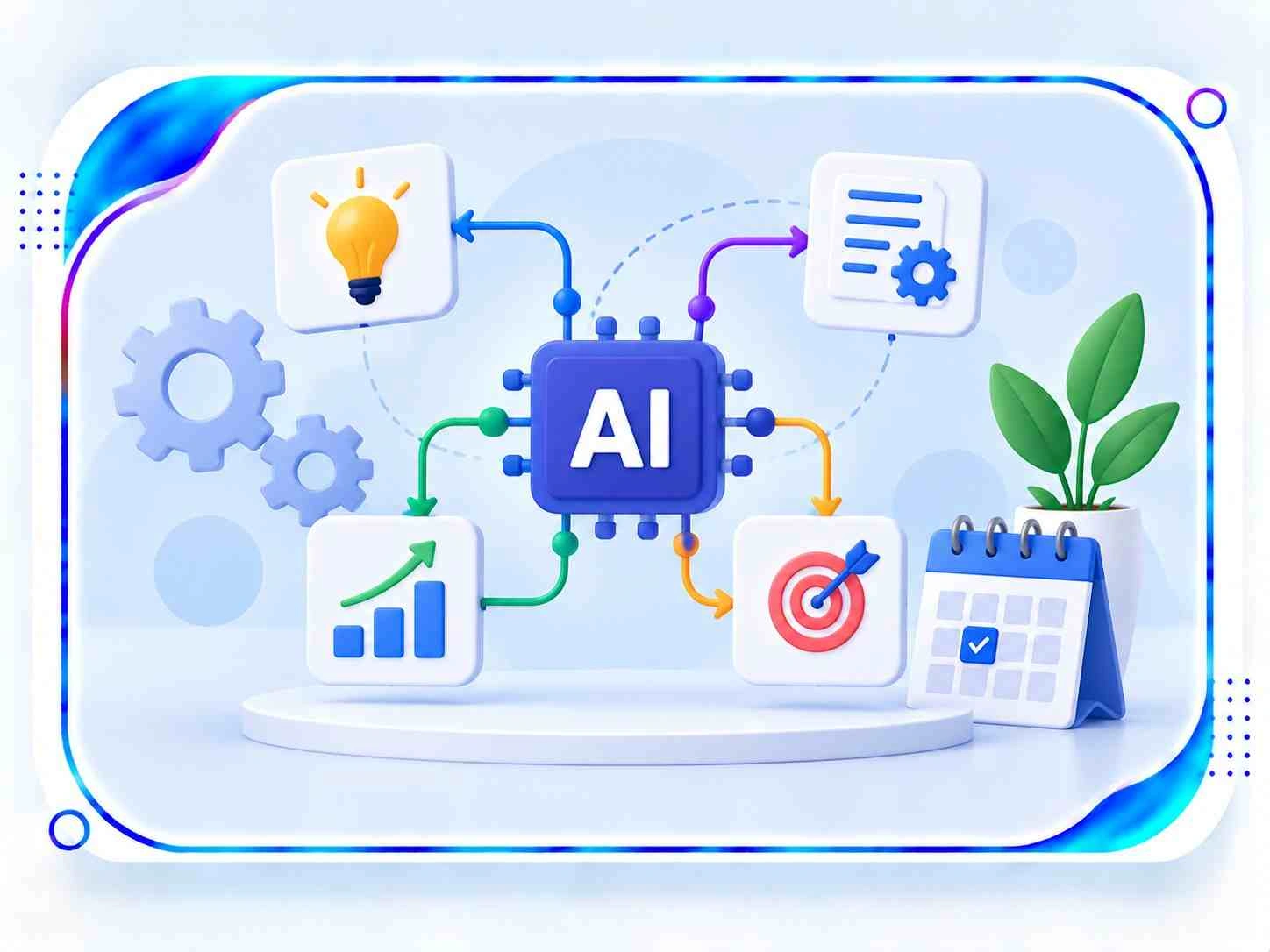
AI automation can coordinate several workflow stages so information moves between activities with reduced manual intervention. For instance, an intelligent workflow can receive a customer enquiry, extract relevant details, update a CRM, assign the request to the appropriate employee, and trigger a notification. This form of workflow orchestration can reduce repeated handling, improve visibility, and support consistent execution across routine business processes.
Suitable AI automation opportunities can be found by reviewing repetitive activities, transaction frequency, employee effort, workflow delays, error patterns, data accessibility, and manual coordination needs. Processes involving customer enquiries, document extraction, lead handling, reporting, scheduling, classification, and data transfer may offer useful possibilities. Each workflow should be assessed separately to determine whether AI, conventional automation, or a blended approach is appropriate.
AI automation can be assessed using measures such as completion duration, workflow accuracy, response speed, exception frequency, processing volume, application availability, and manual effort. Depending on the implementation, teams may also review chatbot interactions, lead handling, document extraction accuracy, customer responses, or integration activity. Regular monitoring helps organizations identify workflow issues, understand operational results, and refine automation as requirements evolve.
Starting an AI automation project generally requires details about business objectives, existing workflows, software applications, data sources, users, process rules, and operational challenges. Sample documents, workflow diagrams, integration requirements, and relevant system information can further support planning. Using these inputs, an AI Automation Company in Coimbatore can identify suitable use cases, define project scope, recommend a practical technology framework, and prepare workflows for development, testing, deployment, and continuous optimization.