
Powering Digital Growth for Businesses Across Industries




















Our Success Stories







Why Partner With Our Social Media Marketing
Agency in Gurgaon?
As a business-oriented social media marketing company in Gurgaon, we build customized campaigns that enhance brand visibility, encourage audience participation, and align with your commercial goals. From strategic content development and account management to paid advertising and campaign tracking, our solutions aim to expand reach, improve engagement, attract potential customers, increase website visits, and create sustainable online growth.
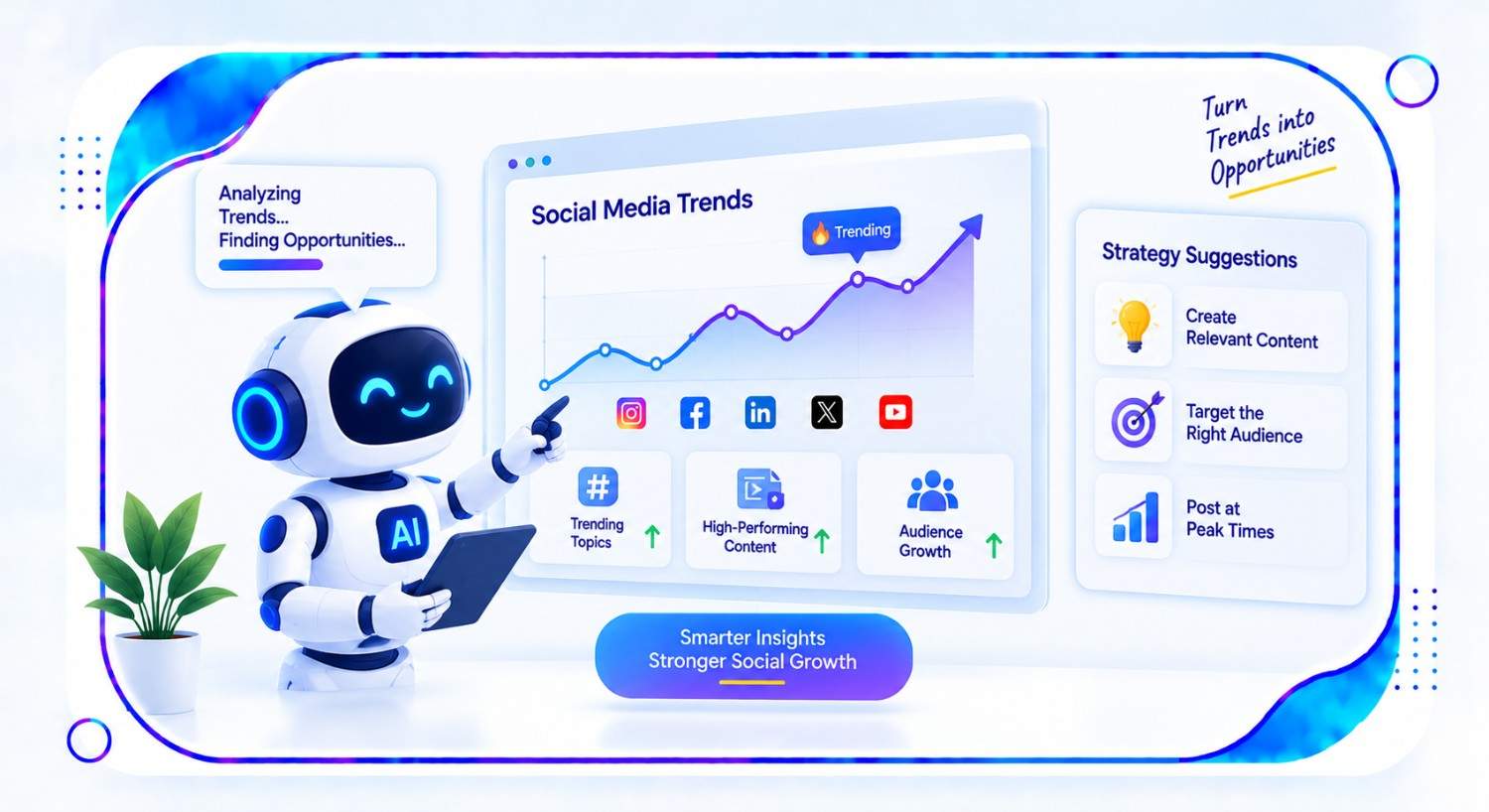
Social Media Strategies
Creative Content Development
Community Interaction

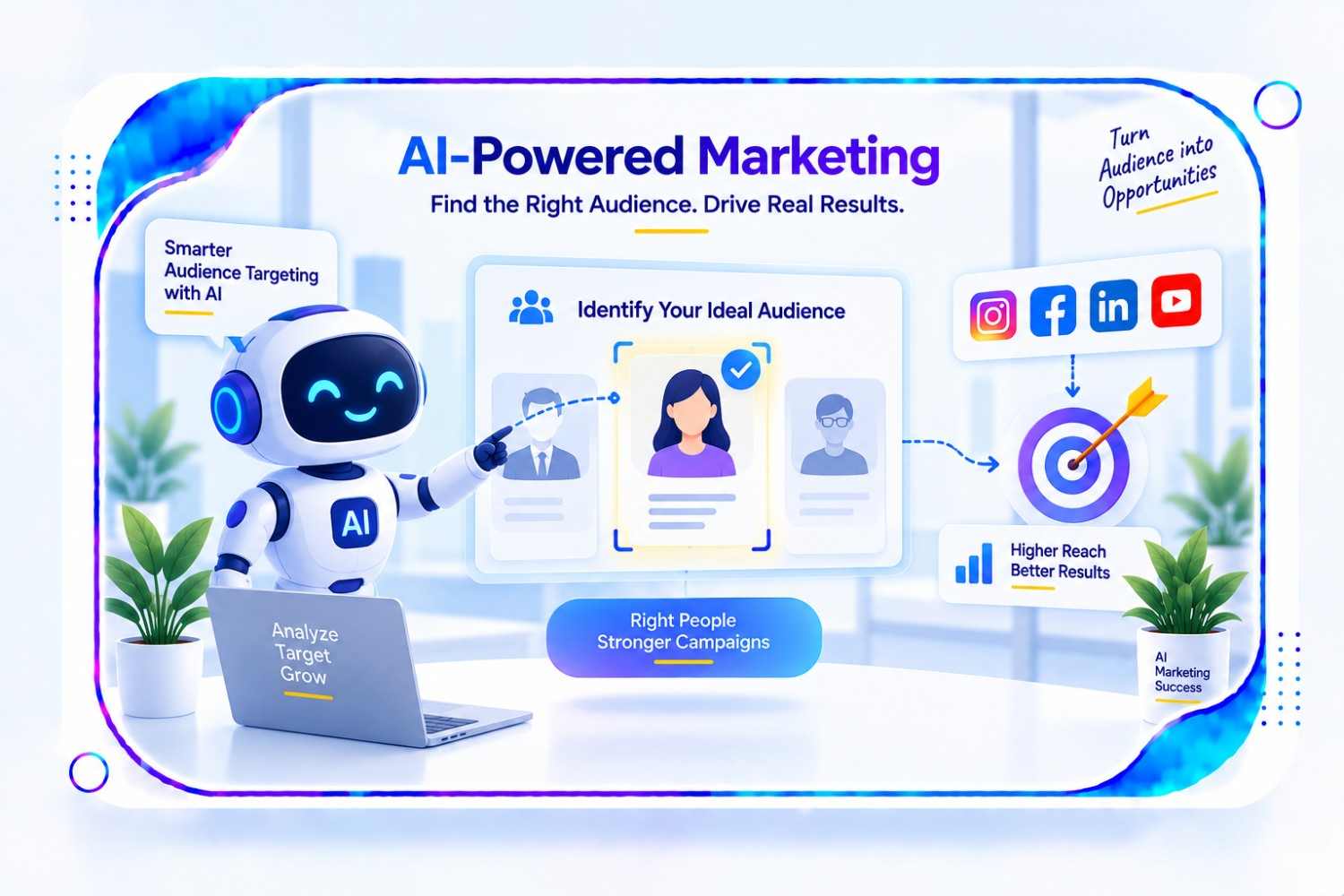
Audience-Focused Campaigns
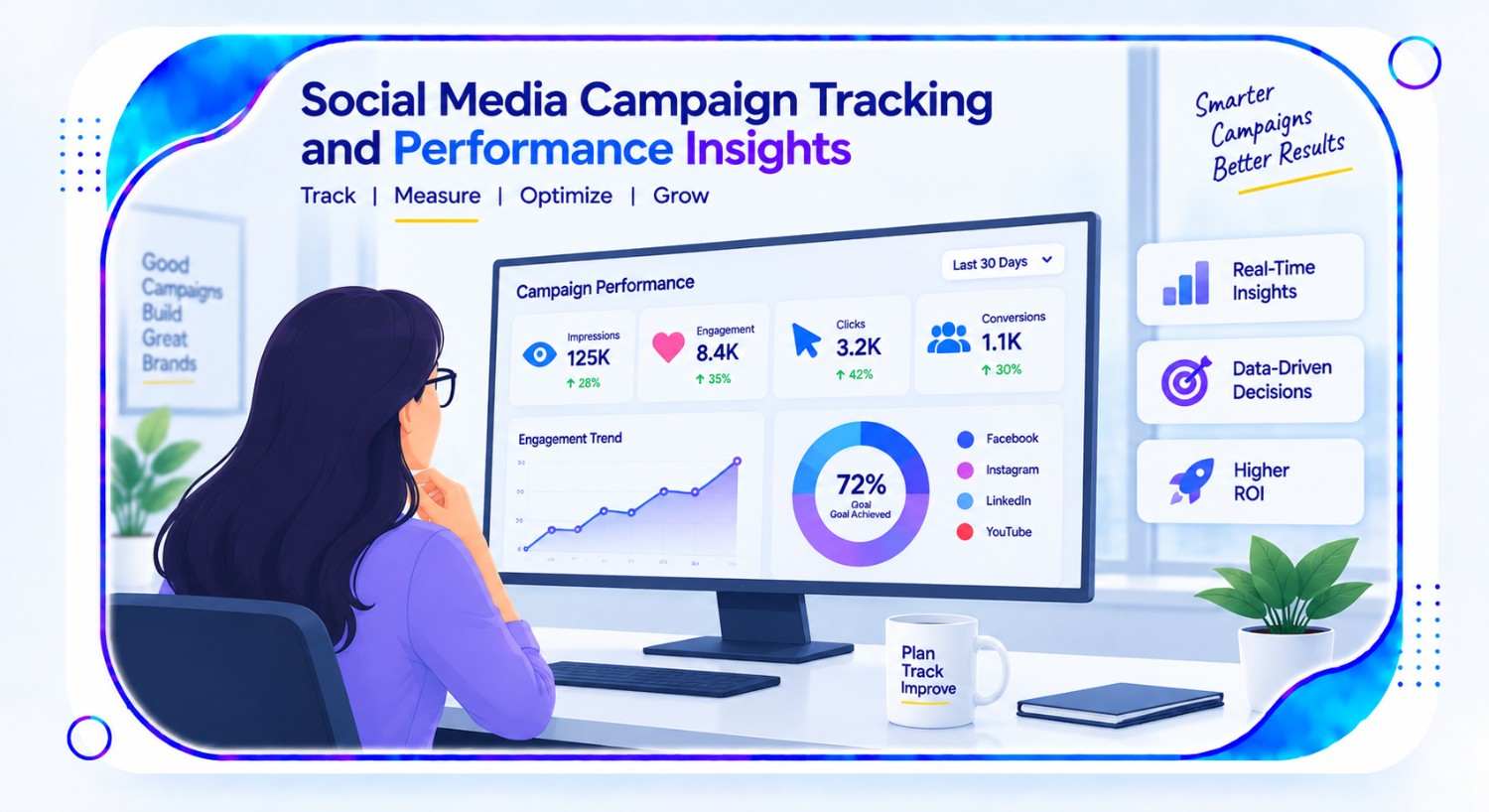
Campaign Tracking & Insights
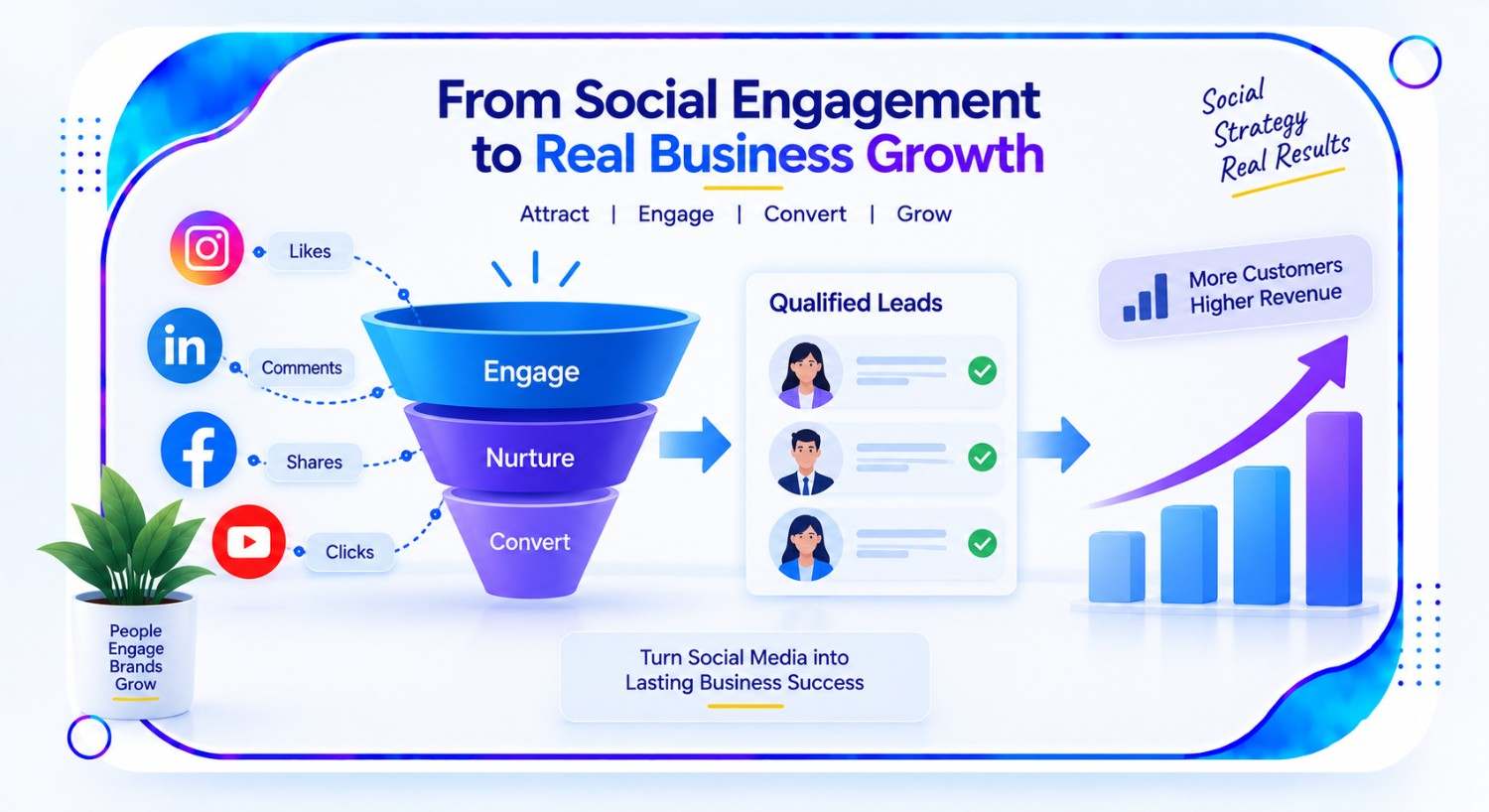
Online Business Growth
Why Linkplux Is a Leading Social Media Marketing Company in Gurgaon?


What Our Clients Say About Us
LinkPlux Social Media Marketing FAQs
FAQs + more
A Social Media Marketing Company in Gurgaon helps businesses improve their online presence, connect with potential customers, and communicate their brand value across relevant social networks. Services may include social profile optimization, content creation, publishing, paid promotions, audience research, community engagement, influencer collaborations, and campaign reporting to support marketing goals.
A well-organized plan begins with clear business goals and an understanding of the intended audience. It can include competitor research, platform selection, brand messaging, creative development, content scheduling, hashtag research, paid promotion, audience interaction, and progress analysis. Each activity should be planned according to customer preferences, industry requirements, and the outcomes the business wants to achieve.
Businesses can become more recognizable by sharing relevant posts, publishing engaging videos, participating in conversations, and reaching selected audiences through social advertising. Consistent visual identity and clear communication help people remember the brand and understand its offerings. Over time, these activities can increase discovery, encourage profile visits, and create additional opportunities to connect with prospective customers.
Yes, content production is an important part of social media communication. Depending on the campaign, businesses can use branded illustrations, promotional banners, educational posts, customer stories, reels, short videos, infographics, and carousel designs. Content is developed to match the platform, reflect the brand's personality, communicate useful information, and encourage audiences to take meaningful action.
Campaign results can be measured using indicators such as audience reach, impressions, comments, shares, saves, video views, profile visits, click-through rates, website traffic, enquiries, and conversions. For paid promotions, businesses can also review cost per click, cost per lead, and advertising returns. Evaluating these figures helps determine which activities perform well and where adjustments may be needed.
Platform selection should reflect the audience a business wants to reach and the type of content it can produce consistently. Instagram and Facebook are useful for visual storytelling and consumer engagement, LinkedIn can help reach professionals and B2B decision-makers, and YouTube supports video-based communication. Other networks may also be suitable when their audience and features match the company's marketing priorities.
The time required to achieve results depends on the business's starting position, competition, audience engagement, content quality, campaign objectives, and promotional budget. Organic activity typically needs consistent effort to build recognition and trust, whereas paid advertising can produce early visibility and traffic. Regular performance reviews help businesses understand progress and make realistic decisions about future campaigns.
Pricing depends on the range of services required, number of social platforms, quantity of monthly content, design and video production needs, posting frequency, advertising expenditure, and level of audience support. Reporting and campaign complexity can also affect the overall investment. A service plan can be tailored to the company's goals, expected deliverables, operational needs, and available marketing budget.
Social platforms can help attract potential customers through targeted advertisements, relevant offers, informative posts, enquiry forms, direct conversations, and links to dedicated landing pages. Campaigns designed around customer needs can guide interested people toward requesting information, booking consultations, registering for services, or exploring products. Clear messaging and suitable audience targeting can improve the relevance of incoming enquiries.
Community management involves looking after interactions between a brand and its online audience. Typical tasks include monitoring comments, responding to messages, reviewing mentions, answering common questions, and directing customer concerns to the appropriate team. Thoughtful and timely communication can encourage constructive conversations, reveal customer expectations, strengthen relationships, and help maintain a reliable brand image.
Businesses can strengthen their social media presence by setting specific goals, understanding customer behaviour, choosing suitable channels, creating audience-focused content, and following a realistic publishing plan. Testing different formats, reviewing engagement patterns, responding to feedback, and refining paid campaigns can further improve performance. Ongoing evaluation keeps social activities relevant to customer expectations and wider business targets.
Social media marketing gives businesses opportunities to introduce their offerings, share expertise, communicate directly with customers, and build recognition across digital channels. It can also support website traffic, product promotion, lead acquisition, and customer retention. Audience interactions provide useful feedback that can inform future content, improve campaign decisions, and help align marketing communication with business objectives.
Social media works alongside other digital channels by distributing content, promoting campaigns, driving visitors to websites, and maintaining communication with potential customers. When coordinated with search engine optimization, email marketing, paid search, content development, and website improvements, social activities can reinforce brand messaging and provide a more connected experience throughout the customer journey.
Common difficulties include producing fresh content regularly, identifying the right audience, adapting to platform updates, maintaining consistent communication, managing advertising expenditure, and determining which activities contribute to business results. These issues can be addressed through structured planning, clear performance indicators, audience research, and regular campaign reviews that help teams adjust their approach as requirements change.