
Powering Digital Growth for Businesses Across Industries




















Our Success Stories







Why Partner With Our Team?
Our Lead Generation Services in Gurgaon help businesses reach suitable prospects, develop a stronger sales pipeline, and discover valuable growth opportunities. We build customised strategies around your objectives, combining digital advertising, audience research, search optimisation, landing page improvements, lead qualification, and performance analysis to attract potential customers and improve campaign effectiveness.
Lead Generation Strategies
Audience and Industry Analysis
Focused Campaigns

Conversion Landing Pages
Lead Qualification
Ongoing Campaign Analysis
What Makes Linkplux The Best Lead Generation Service in Gurgaon?
What Our Clients Say About Us
LinkPlux Lead Generation FAQs
FAQs + more
Lead generation is the process of attracting prospective customers and encouraging them to show interest in a company's offerings. It helps businesses identify potential buyers, collect relevant enquiries, and develop sales opportunities through methods such as digital advertising, search visibility, content promotion, and targeted outreach. A structured approach can make customer acquisition more consistent and easier to measure.
Businesses in Gurgaon can benefit from a well-planned lead acquisition strategy by reaching relevant audiences, attracting more suitable enquiries, and developing a stronger sales pipeline. Professional campaign management can help identify promising marketing channels, refine customer targeting, improve enquiry capture, and monitor spending. These activities give companies a clearer understanding of their acquisition efforts and help them make informed marketing decisions.
Customer acquisition campaigns can include search engine optimisation, Google Ads, social media advertising, LinkedIn outreach, email marketing, content development, remarketing, landing page improvements, and enquiry form optimisation. Businesses may also use lead qualification, automated responses, and conversion tracking to manage incoming prospects. The most appropriate combination depends on the target audience, industry, available resources, and intended business outcomes.
B2B lead generation focuses on finding businesses, professionals, and decision-makers who may need a particular product or solution. Activities can include industry research, account targeting, LinkedIn campaigns, search advertising, email outreach, informative content, and dedicated landing pages. These methods help organisations introduce their expertise to relevant prospects, encourage business enquiries, and create opportunities for consultations, demonstrations, or sales discussions.
Audience selection begins with understanding customer needs, purchasing behaviour, location, industry, demographics, interests, search intent, and previous interactions with a brand. For B2B campaigns, company size, professional responsibilities, and business requirements may also influence targeting. These insights help marketers focus their efforts on people who are more likely to benefit from the offering and respond to relevant messages.
Attracting qualified prospects requires relevant advertising, precise audience selection, suitable offers, useful landing page content, and a straightforward enquiry process. Businesses can introduce qualification questions to understand a prospect's needs, budget, location, or expected timeline. Reviewing campaign sources and sales feedback helps identify which activities bring in suitable enquiries and where targeting or messaging needs improvement.
Lead generation is concerned with attracting interested prospects and encouraging them to make contact with a business. Lead conversion takes the process further by guiding those prospects towards an intended outcome, such as purchasing a product, booking an appointment, requesting a quotation, or signing a contract. Coordinating both stages helps businesses connect marketing activity with sales opportunities and customer acquisition goals.
A landing page gives visitors a focused place to learn about a product, service, or offer after clicking an advertisement or marketing link. Clear information, relevant benefits, credibility signals, mobile-friendly design, and visible calls to action can make it easier for interested users to respond. Well-structured forms also help businesses collect the details required to begin a useful conversation with potential customers.
Yes. Prospect nurturing keeps communication relevant for people who need more time or information before making a decision. Businesses may use helpful email updates, educational resources, remarketing, personalised follow-ups, and automated acknowledgements to maintain engagement. These activities help prospects explore available options and can encourage them to return when their requirements become more immediate.
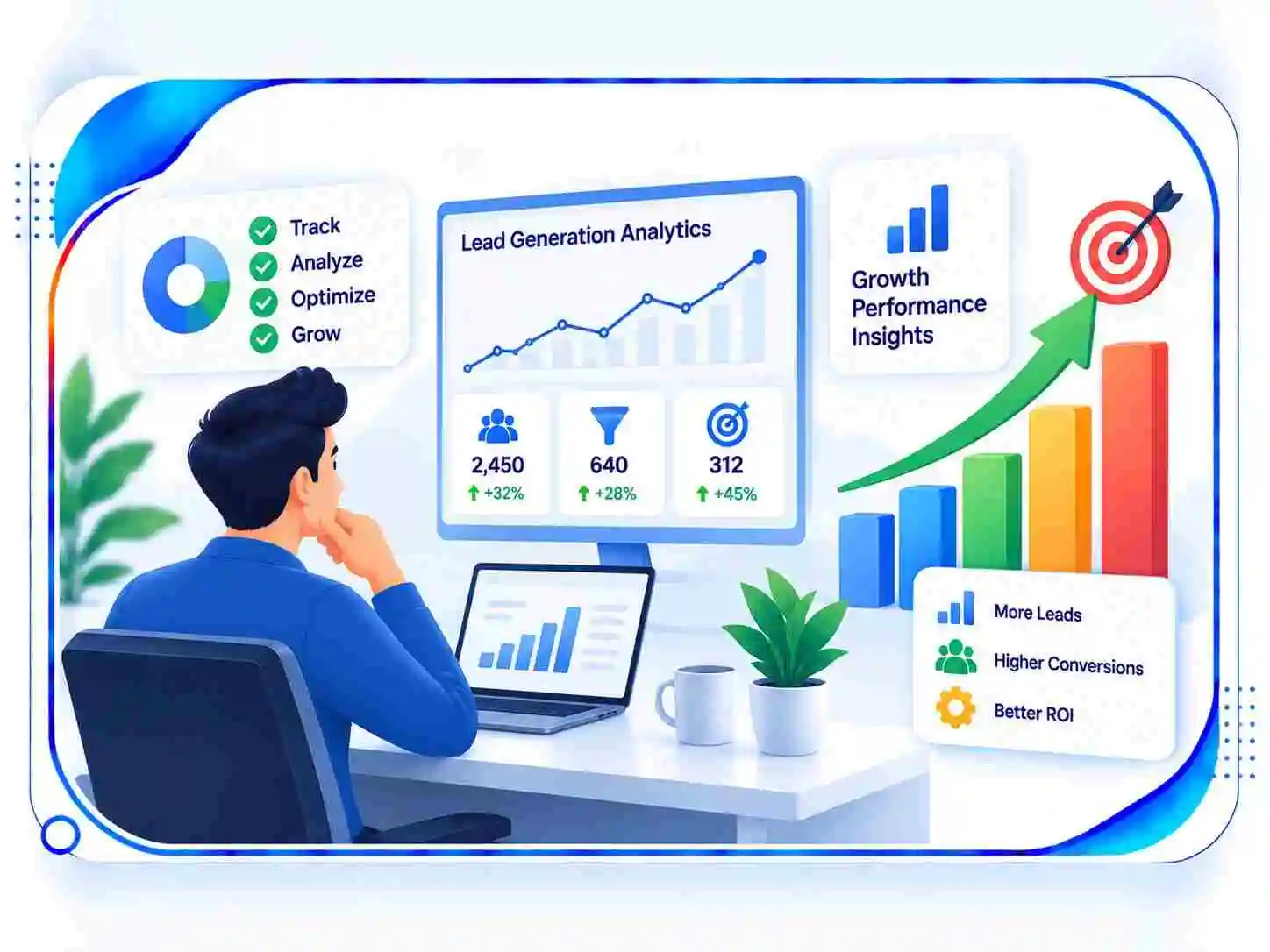
Businesses can evaluate campaign outcomes by monitoring enquiry numbers, qualified prospects, cost per lead, conversion rate, acquisition cost, landing page activity, form completion, and the performance of individual marketing channels. Where tracking is available, sales appointments, opportunities, and completed transactions can provide additional insight. Reviewing these indicators helps identify useful campaigns and areas that may require further refinement.
The time needed to see results varies according to the chosen channels, target audience, competition, campaign budget, offer, and website experience. Paid advertising may start generating enquiries relatively quickly, although improving their quality requires testing and optimisation. Organic methods such as SEO and content marketing usually need a longer period to build visibility and attract a consistent flow of relevant visitors.
Lead acquisition primarily aims to introduce a business to potential customers and create opportunities for engagement. However, useful information, relevant follow-ups, personalised communication, and timely responses can help establish trust during the buying process. When supported by a good customer experience and appropriate post-sale communication, these interactions may also contribute to stronger relationships and future business opportunities.
Lead acquisition can be adapted to the needs and resources of startups, local businesses, and growing organisations. A focused campaign may begin with a specific customer segment, a defined geographic area, and a small selection of relevant channels. By monitoring enquiry quality and campaign costs, businesses can learn which approaches work for their audience and make gradual improvements as their requirements evolve.
An existing strategy can be strengthened by refining customer profiles, improving campaign relevance, reviewing search terms, testing advertising creatives, simplifying enquiry forms, and enhancing landing page experiences. Businesses can also assess follow-up speed, lead qualification, and sales feedback to identify gaps in the acquisition process. Consistent performance reviews help prioritise changes that are most likely to improve enquiry relevance and business outcomes.