
Powering Digital Growth for Businesses Across Industries




















Our Success Stories







Why Work With Our Team?
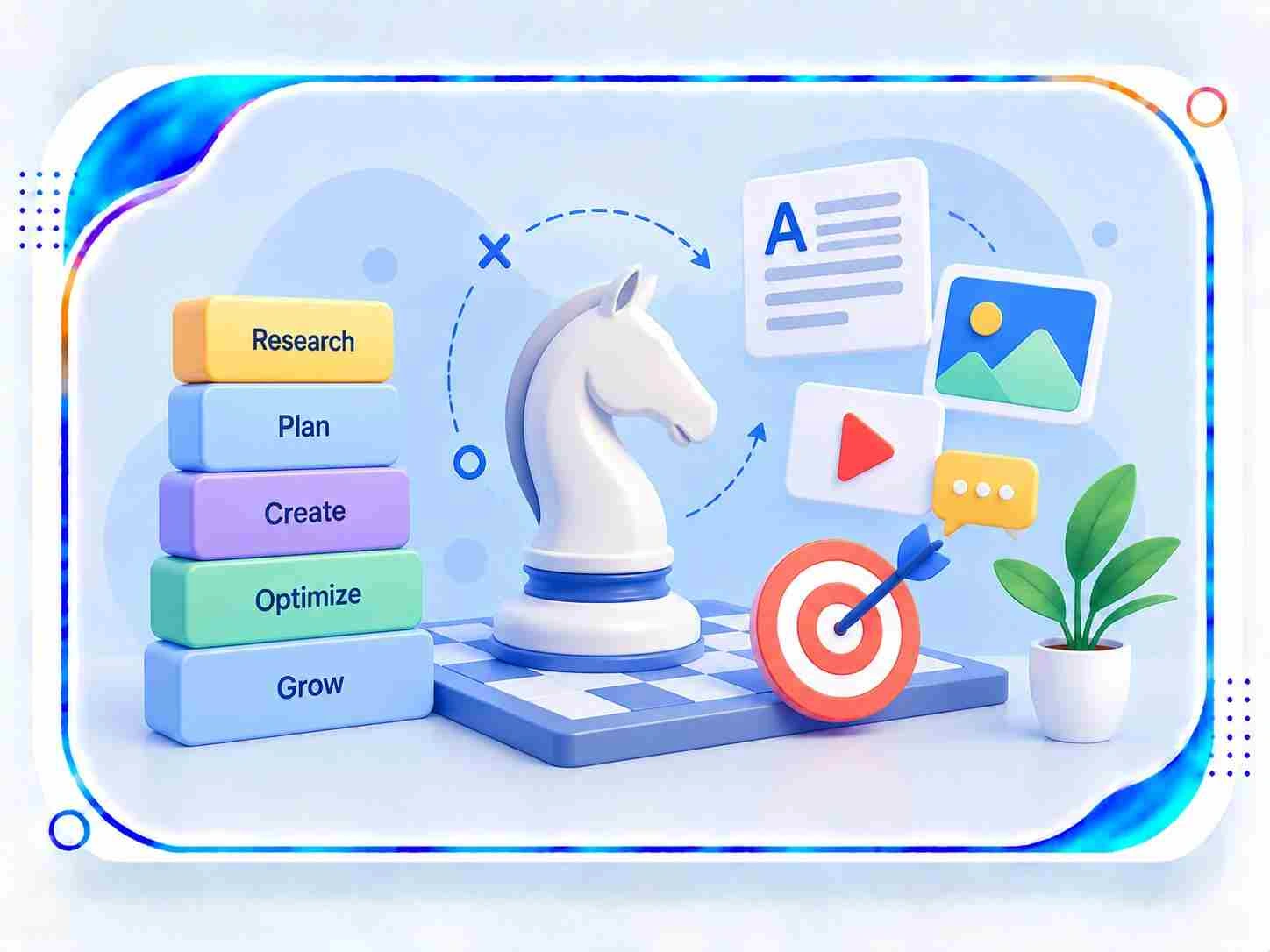
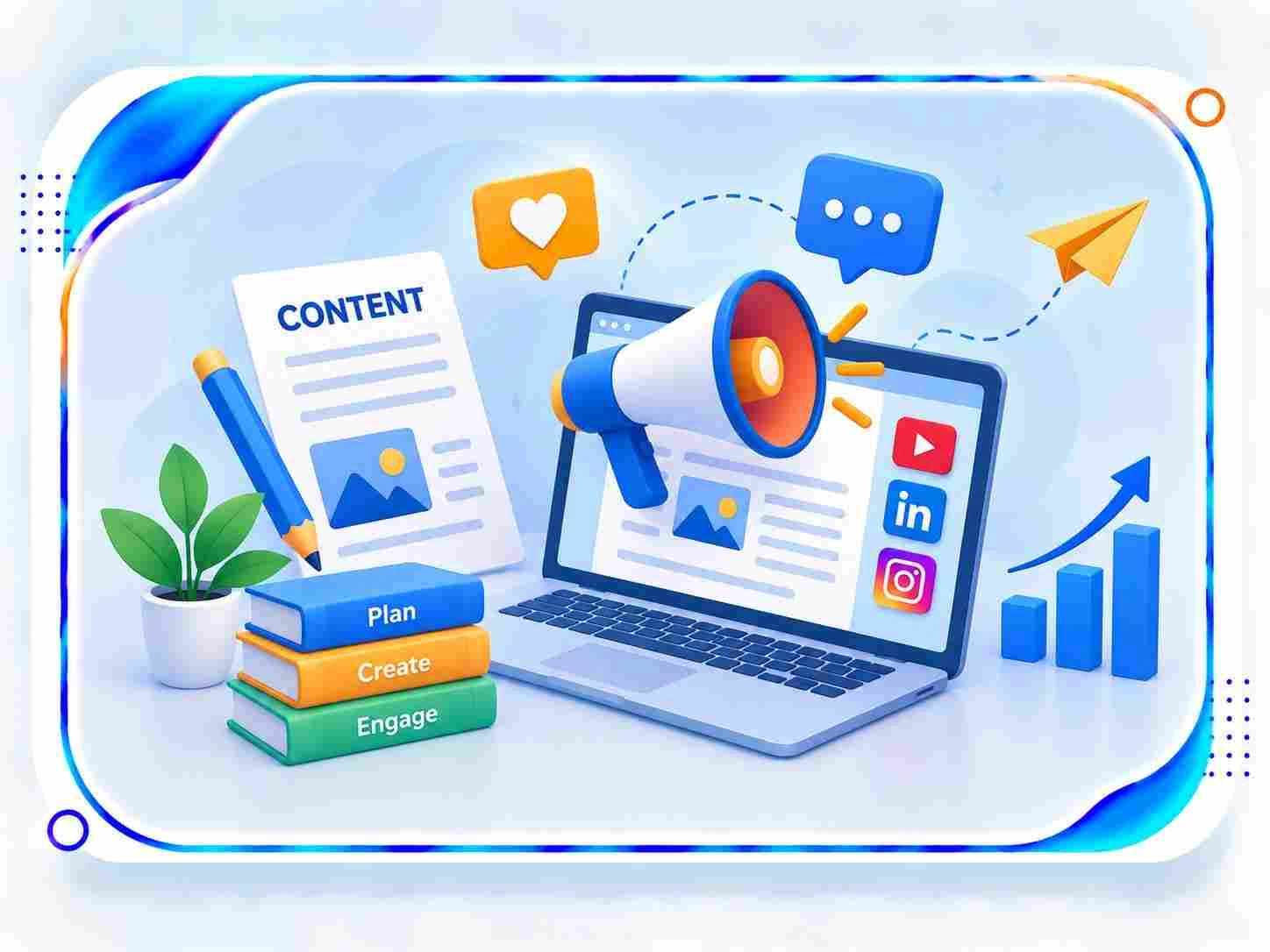
Our Content Marketing Services in Gurgaon help businesses attract relevant prospects, strengthen Google rankings, and develop meaningful customer relationships. Through keyword research, audience analysis, compelling storytelling, strategic content promotion, and performance tracking, we improve online reach, encourage audience engagement, demonstrate industry expertise, and support long-term brand growth.
Customer Research & Planning
SEO Content Development
Compelling Brand Narratives

Website Copy & Blog Writing
Social Media Content Creation
Brand Authority & Search Reach
What Makes Linkplux The Content Marketing Agency in Gurgaon?








What Our Clients Say About Us
LinkPlux Content Marketing FAQs
FAQs + more
Content marketing solutions cover audience research, editorial strategy, content writing, SEO optimization, publishing, and promotion across relevant digital platforms. Services may include search-friendly blogs, website copy, landing pages, social media posts, email newsletters, guides, case studies, videos, and other resources designed to strengthen online visibility, showcase expertise, engage prospects, and achieve business objectives.
Suitable formats include SEO blog articles, comprehensive guides, pillar pages, website content, landing pages, email newsletters, social media updates, eBooks, infographics, videos, client testimonials, case studies, and specialist resources. The right combination depends on customer preferences, industry requirements, marketing targets, available resources, and the stage of the buying process.
Content marketing costs depend on content volume, selected formats, research requirements, subject complexity, publishing frequency, SEO needs, editing time, and promotional activities. A tailored package may include strategy development, keyword research, copywriting, optimization, publishing support, content promotion, analytics, and performance reports according to individual business requirements.
Yes. Relevant, helpful content supports SEO by answering user queries, covering important subjects, and helping search engines understand website relevance. Blog posts, service pages, guides, and supporting articles can improve organic discovery when they satisfy search intent, offer reliable information, and follow appropriate on-page SEO practices.
Informative content attracts visitors by addressing relevant questions, needs, and topics searched by potential customers. SEO articles, guides, landing pages, and resource hubs can capture suitable search traffic, while newsletters, social platforms, and industry networks help distribute these materials to broader audiences and create additional routes to your website.
Publishing useful information consistently gives businesses opportunities to communicate their expertise, services, values, and industry knowledge across multiple channels. Educational articles, specialist insights, videos, social updates, and practical guides can increase brand exposure. Clear messaging and relevant subject coverage help audiences recognize a business and understand its capabilities over time.
Yes. Strategic content can attract audiences with relevant requirements and encourage them to take meaningful steps. Detailed guides, comparison articles, customer stories, solution pages, downloadable resources, and focused landing pages help answer buying questions, demonstrate credibility, and motivate visitors to submit enquiries, request details, subscribe, book consultations, or explore services.
Yes. Blog insights, customer experiences, educational tips, videos, and visual assets can be adapted into platform-specific social content. Posts created for LinkedIn, Instagram, Facebook, and YouTube can encourage comments, shares, reactions, profile visits, and website clicks while maintaining consistent brand communication across online channels.
Results depend on website strength, industry competition, keyword demand, content usefulness, publishing consistency, promotion, and campaign goals. Social engagement or referral visits may emerge earlier, whereas sustainable organic growth usually requires ongoing content creation and refinement. Measuring performance across multiple publishing cycles helps reveal progress in visibility, engagement, enquiries, and conversions.
Key measurements include organic visits, search impressions, click-through rates, keyword performance, audience engagement, repeat sessions, enquiries, downloads, subscriptions, assisted conversions, and content-attributed revenue. The most relevant indicators depend on campaign priorities. Evaluating these figures together helps identify which topics, formats, pages, and promotion channels contribute to business growth.
Publishing frequency varies according to audience expectations, team capacity, subject complexity, campaign goals, and quality standards. A practical editorial schedule is more valuable than frequent posts without clear purpose. Businesses can balance fresh articles with existing-page updates, content repurposing, promotional activities, and regular expansion of useful subject areas.
Yes. Content research, strategy planning, copywriting, editing, SEO improvements, approvals, publishing, promotion, and reporting can be coordinated online. This allows businesses in Gurgaon, other Indian cities, and overseas markets to access ongoing content marketing support without requiring every team member to operate from a shared office.
Relevant resources improve email campaigns through newsletters, learning series, curated articles, downloadable guides, product updates, and customer-focused announcements. These materials give subscribers useful reasons to engage with a brand. Segmenting content according to customer interests also helps businesses share targeted information at different points in the customer lifecycle.
Yes. Content marketing can complement organic SEO, social media promotion, email outreach, paid advertising, and other digital channels. A detailed article can attract search traffic, provide material for social posts, support an email newsletter, or offer useful information to paid campaign visitors. Coordinating these channels around shared topics creates a consistent brand experience and extends the reach of valuable information.