
Powering Digital Growth for Businesses Across Industries



















Our Success Stories







Why Choose Us?
LinkPlux provides Online Reputation Management Services in Delhi to help businesses strengthen public perception and maintain customer confidence. Our approach combines online review management, brand mention monitoring, feedback response planning, reputation improvement, and positive content development to support a credible digital presence and build lasting relationships with customers.
Digital Reputation Analysis
Customer Review Management
Online Reputation Improvement

Positive Brand Content
Brand Mention Monitoring
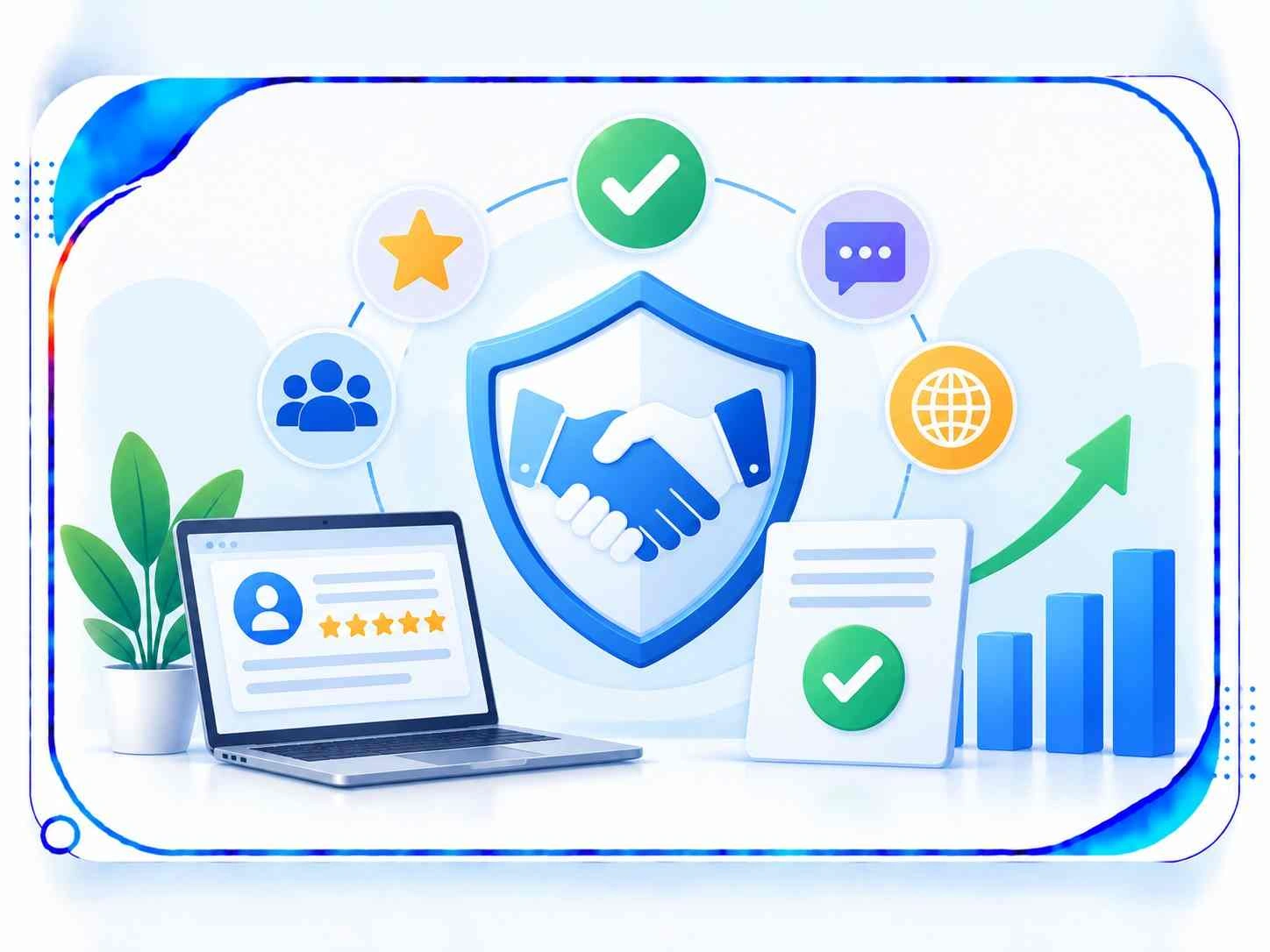
Customer Trust Development
What Makes Linkplux The Best Online Reputation Management Services in Delhi?






What Our Clients Say About Us
LinkPlux Online Reputation Management FAQs
Frequently Asked Questions + more
Online Reputation Management Services in Delhi help organizations understand and improve how they are perceived across digital channels. These activities may involve monitoring search results, evaluating customer reviews, tracking brand mentions, assessing online conversations, updating business profiles, and developing relevant content. The objective is to maintain accurate brand information, address customer concerns professionally, and build greater confidence among people researching your business online.
Reputation management helps businesses understand customer opinions, respond to feedback, and maintain consistent information across important online platforms. A well-planned strategy can highlight areas that require improvement, support professional communication, and strengthen confidence among potential customers. For businesses in Delhi, these efforts can contribute to a more credible digital presence and help create stronger relationships with their audiences over time.
Our reputation management solutions may include digital reputation audits, customer review monitoring, brand mention tracking, sentiment assessment, business profile updates, content planning, search presence analysis, and performance reporting. The specific activities depend on your industry, audience, business objectives, current online image, and reputation challenges. Each plan can be tailored to address the areas most relevant to your brand.
A dedicated reputation management team can help bring monitoring, feedback analysis, content development, review responses, and reporting together within a coordinated plan. Specialists can evaluate your existing digital presence, identify important reputation concerns, and recommend practical improvements based on your business priorities. This structured approach helps maintain consistent brand communication and provides a clearer understanding of how your online reputation changes over time.
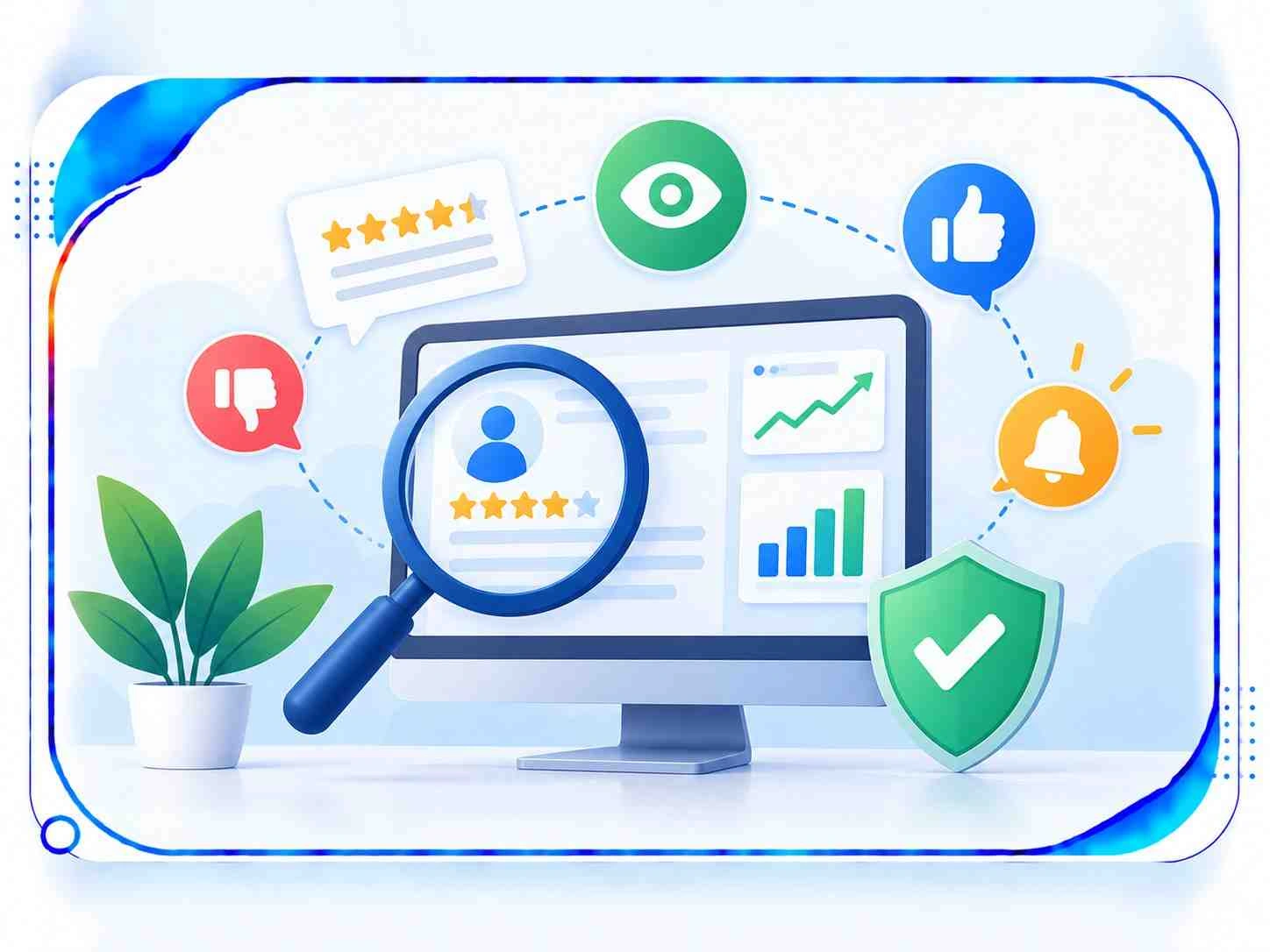
Regular monitoring helps businesses stay informed about new reviews, customer comments, brand references, search listings, and online discussions. Tracking these signals can reveal changes in public sentiment, recurring concerns, and opportunities to improve customer communication. By reviewing relevant feedback consistently, businesses can respond more thoughtfully, keep information accurate, and adjust their reputation activities as audience expectations evolve.
Yes. We can help businesses evaluate customer complaints, identify recurring issues, and prepare appropriate responses for relevant platforms. Professional communication can acknowledge genuine concerns and demonstrate a willingness to resolve problems. When a review appears to violate a platform's policies, we can help identify suitable reporting options. Building a stronger reputation also involves sharing accurate information and encouraging authentic customer feedback without manipulating reviews.
Yes. Startups can benefit from establishing accurate business profiles, monitoring early customer feedback, managing reviews, and sharing useful information about their offerings. These activities help emerging brands develop a consistent digital identity as they build relationships with customers. The strategy can be adjusted according to the startup's industry, growth stage, target audience, available resources, and the online platforms its customers use.
Depending on your requirements, monitoring can cover search engines, Google Business Profiles, customer review websites, social media networks, business directories, discussion forums, news publications, and relevant industry websites. The platforms selected for your strategy depend on your business type, customer behavior, location, online visibility, and the channels where people discuss or research your brand.
We begin by assessing your current online presence, including search results, customer feedback, ratings, brand mentions, social discussions, and business listings. After identifying the most important strengths and concerns, we recommend activities suited to your objectives. Ongoing review monitoring, content improvements, audience sentiment analysis, and performance reporting help evaluate progress and guide future adjustments.
When comparing reputation management providers, review their experience with monitoring, customer feedback, content strategy, search visibility, reporting, and professional communication. Ask about the proposed activities, deliverables, reporting frequency, and how progress will be assessed. Relevant experience, transparent processes, realistic expectations, and a strategy aligned with your business needs can help you choose a suitable partner.
Reputation management may include improving business profiles, publishing useful resources, and optimizing relevant brand pages so people can find accurate information about your organization. These activities can support a more complete digital presence and help customers discover your business through relevant searches. Search rankings depend on many factors, however, so specific positions or visibility outcomes cannot be guaranteed.
Yes. Review monitoring can involve tracking ratings, evaluating written feedback, identifying repeated concerns, and helping businesses prepare suitable responses. Organizations can also invite customers to share genuine experiences in accordance with the relevant platform's policies. Reviewing feedback patterns helps businesses understand customer expectations and identify opportunities to improve communication, customer experience, and reputation management practices.
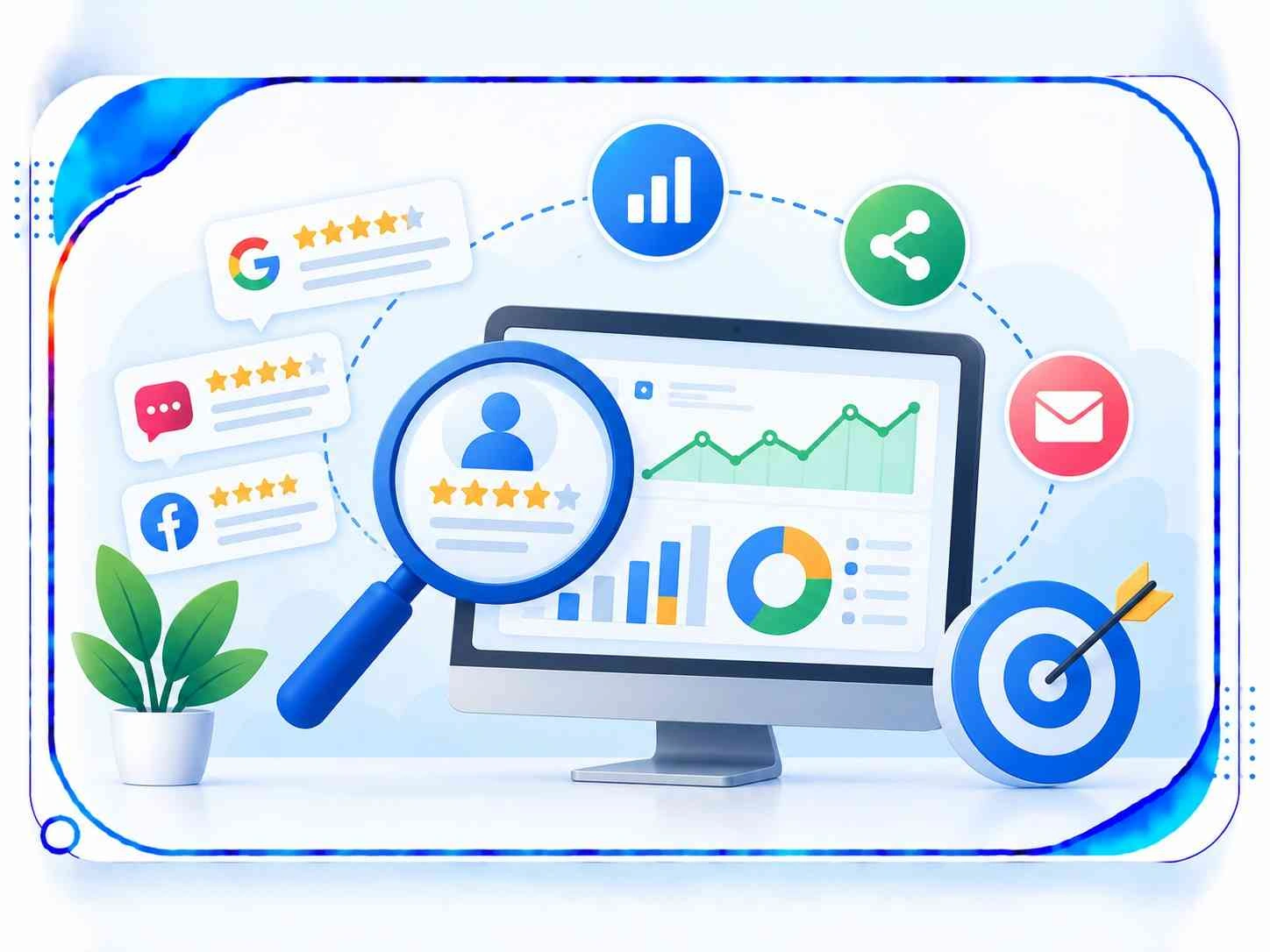
Performance can be evaluated by reviewing customer ratings, feedback trends, brand mentions, search visibility, audience sentiment, content engagement, and changes in relevant search results. The indicators used depend on your objectives and the activities included in your plan. Regular reports help identify progress, understand developing concerns, and determine which reputation management efforts may need refinement.
Client input helps establish the brand voice, reputation priorities, business goals, and preferred communication approach. Useful information may include business details, product or service updates, existing customer feedback, important online profiles, and known reputation concerns. Depending on the engagement, clients may also review proposed content, clarify business information, approve responses, and share feedback to keep the strategy aligned with their objectives.