
Powering Digital Growth for Businesses Across Industries




















Our Success Stories







Why Partner With Our Team?
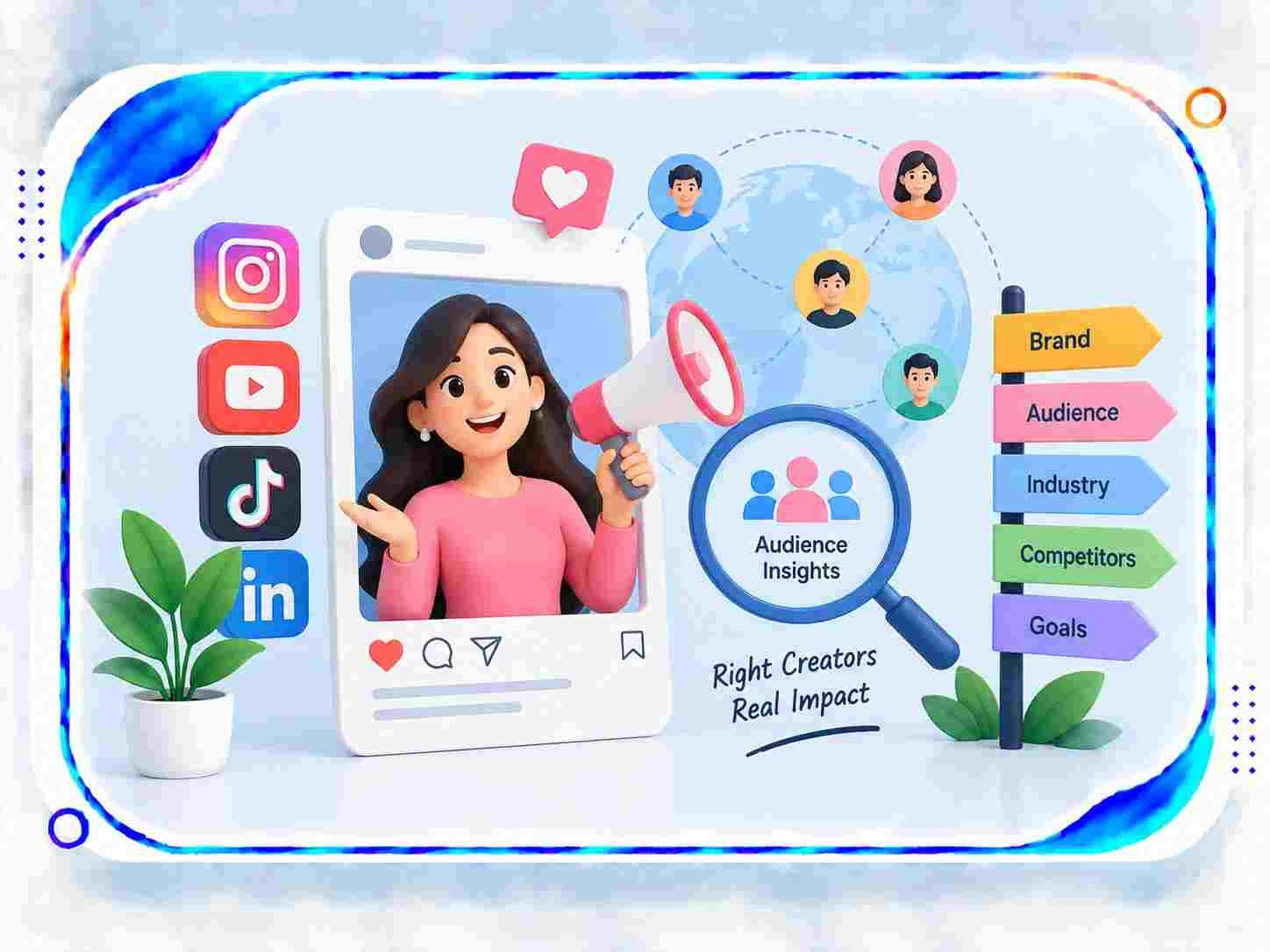
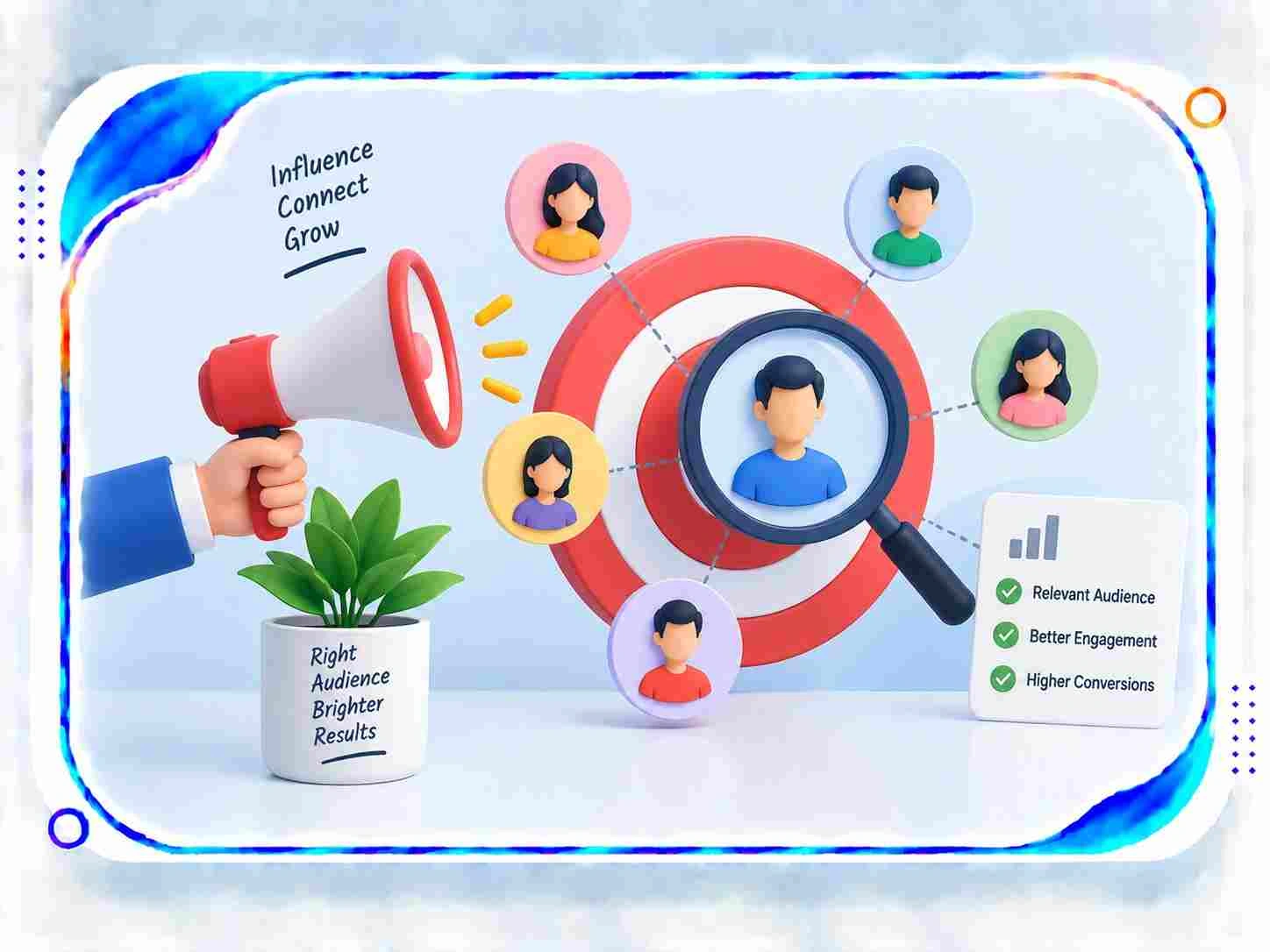
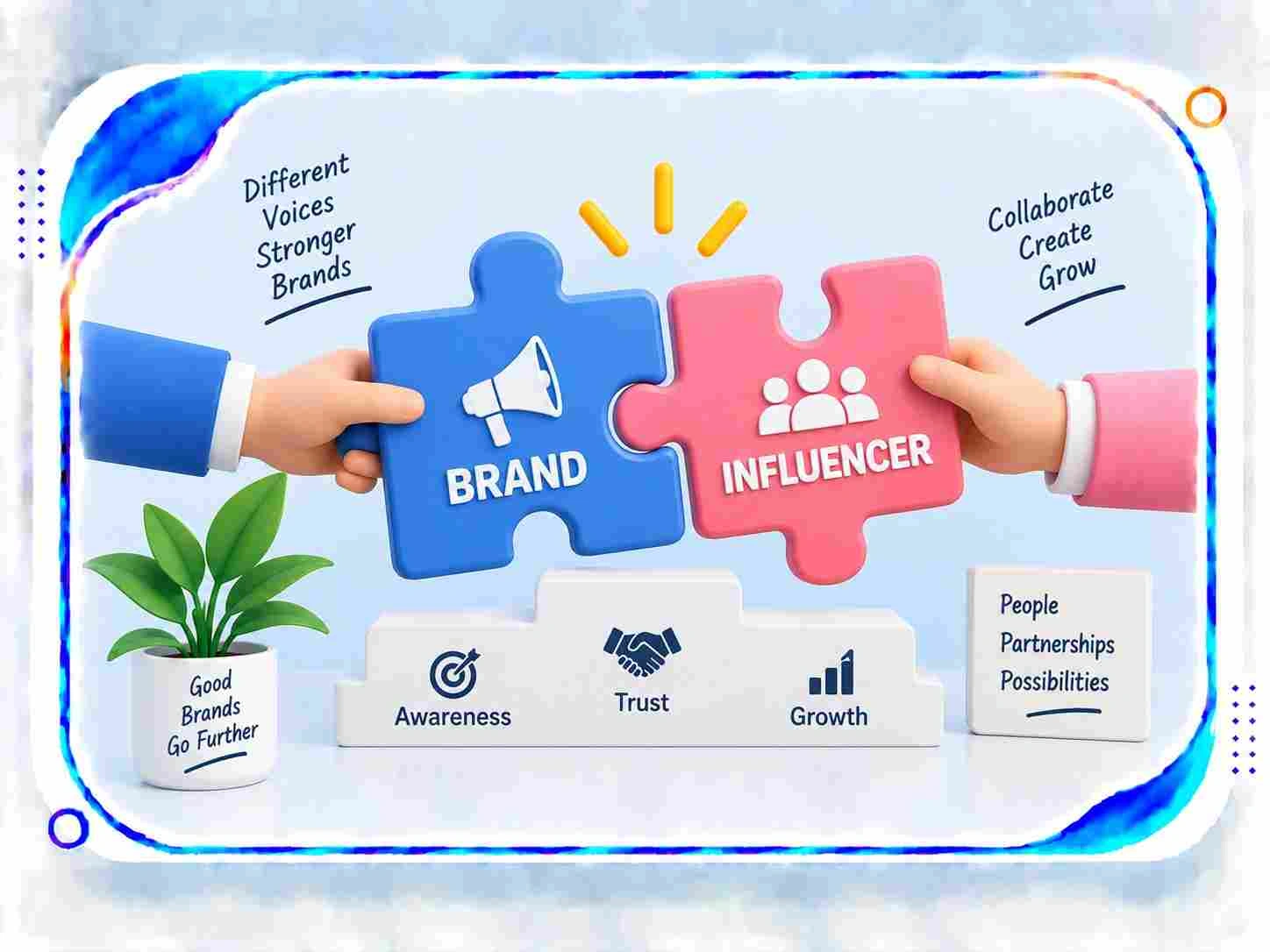
We help businesses in Gurgaon build valuable relationships with relevant influencers through thoughtful campaign planning, creative partnerships, and audience-driven promotions. Our influencer marketing solutions focus on reaching the right people, enhancing brand trust, encouraging genuine interactions, and improving campaign effectiveness across leading social media platforms.
Data-Led Influencer Discovery
Brand-Creator Relationships
Precise Audience Segmentation
Campaign Development
Influencer Outreach
Tracking and Insights
What Makes Linkplux The Best Influencer Marketing Agency in Gurgaon?
What Our Clients Say About Us
LinkPlux Influencer Marketing FAQs
FAQs + more
An influencer marketing agency connects businesses with suitable content creators who can introduce their products, services, or ideas to relevant online communities. Its activities may include influencer discovery, audience research, profile verification, campaign strategy, creator communication, content coordination, publishing schedules, performance monitoring, and reporting. Linkplux helps businesses identify creators whose audience interests, content style, and professional niche match their objectives, supporting brand awareness, engagement, website visits, enquiries, and potential sales.
Influencer partnerships help brands reach people who already follow creators for recommendations, specialist knowledge, entertainment, or lifestyle inspiration. Depending on the campaign strategy, collaborations can improve brand recognition, introduce products to new audiences, encourage social interactions, attract website visitors, generate enquiries, and support purchasing decisions. Choosing creators based on audience relevance, content credibility, engagement quality, and campaign goals helps businesses communicate their value through relatable digital experiences.
Linkplux supports influencer discovery, creator evaluation, audience research, campaign planning, outreach, collaboration coordination, creative briefing, content scheduling, and results analysis. Depending on your objectives, partnerships may involve nano influencers, micro creators, industry specialists, regional personalities, established content producers, and celebrity talent. Campaigns can be developed for Instagram, YouTube, Facebook, LinkedIn, and other appropriate platforms, with the format and creator selection guided by your audience, brand identity, and promotional requirements.
Brands partner with creators to communicate with communities that share specific interests, needs, or lifestyles. Influencers can present product demonstrations, personal experiences, recommendations, tutorials, and reviews in formats that fit their established content style. These collaborations give businesses additional ways to explain product benefits, introduce new offerings, encourage conversations, and strengthen audience familiarity. Results depend on creator suitability, campaign execution, audience response, and the clarity of the brand's objectives.
Linkplux plans influencer collaborations around your business goals, target customers, brand positioning, and preferred communication channels. For businesses targeting Gurgaon and nearby markets, creator selection can consider regional relevance, audience language, industry knowledge, community interests, and content quality. Our campaign approach includes researching potential partners, aligning promotional concepts with brand messaging, coordinating deliverables, and reviewing performance indicators to help businesses make informed decisions throughout their influencer initiatives.
Yes. Linkplux can help organise creator partnerships across Instagram, YouTube, and other relevant social platforms. Instagram campaigns may use Reels, Stories, carousel posts, sponsored publications, and product showcases, while YouTube collaborations can feature Shorts, reviews, tutorials, unboxing videos, demonstrations, and dedicated brand integrations. The channel, creator, and content format are selected according to audience habits, campaign goals, subject suitability, and the type of message your business wants to communicate.
Influencer marketing can be adapted for businesses at different stages of growth, including startups introducing a new product or establishing their market presence. Smaller creators may offer access to focused communities and specific interest groups, making them worth considering for carefully defined campaigns. Businesses can begin with a clear objective, a manageable budget, and a suitable creator shortlist, then evaluate audience response and campaign outcomes before deciding how to expand future collaborations.
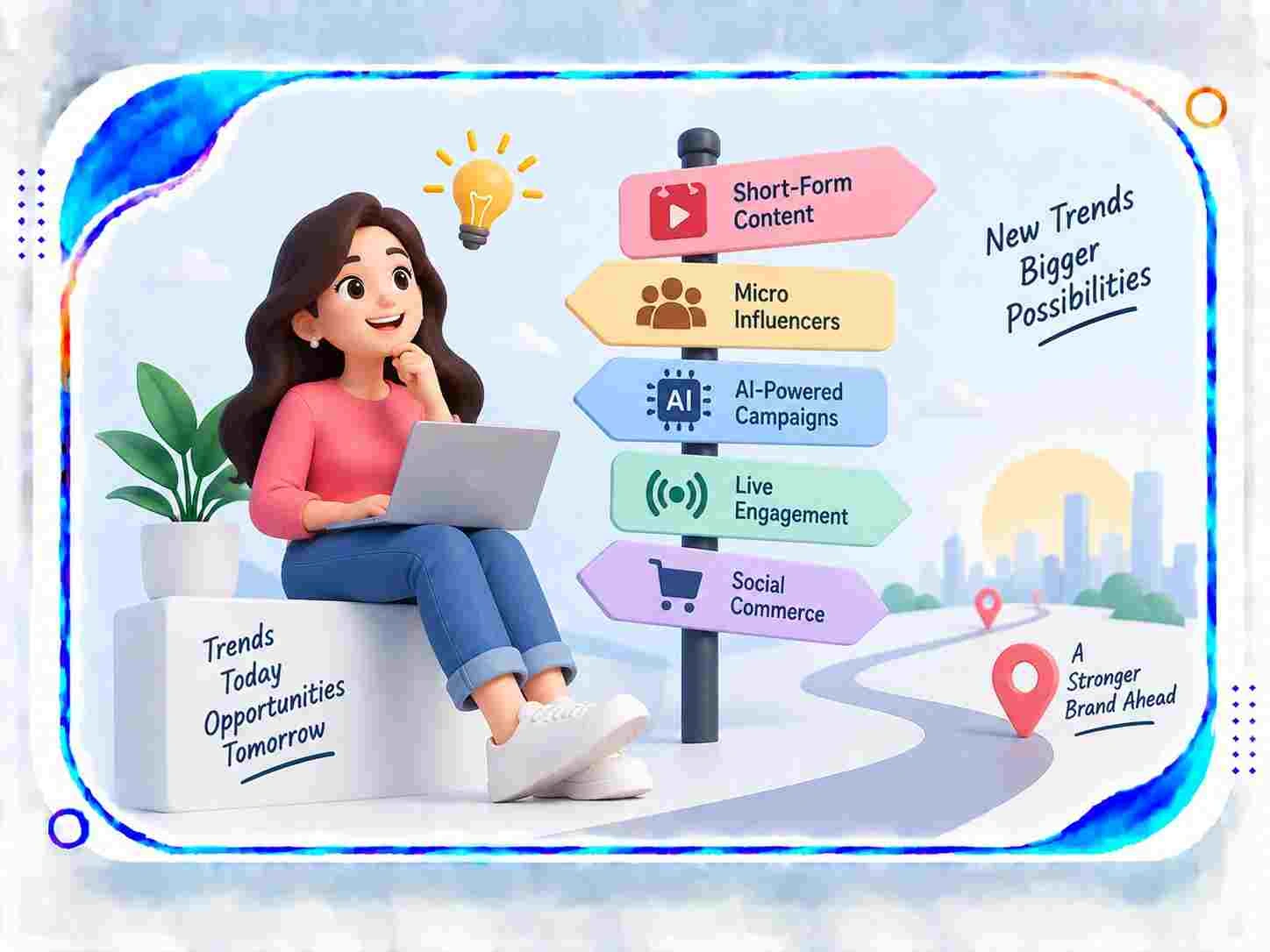
Micro and nano influencers often create content for specific communities, including local audiences, professional groups, hobbyists, and people interested in particular products or lifestyles. Their focused subject areas can make them relevant for campaigns in fashion, food, beauty, fitness, technology, travel, education, and other niches. When selecting these creators, businesses should consider audience authenticity, interaction quality, subject knowledge, content consistency, and compatibility with the campaign's intended audience.
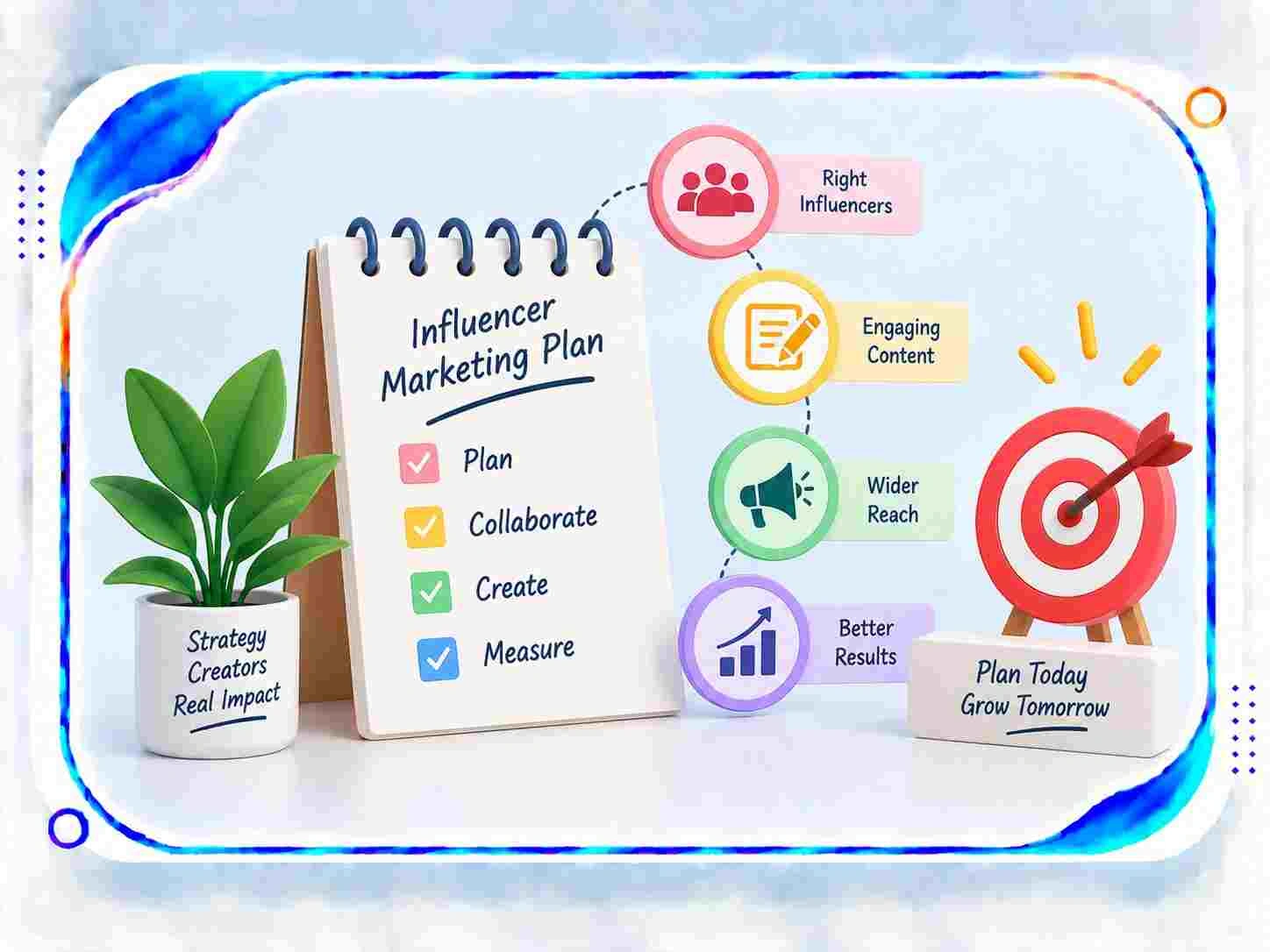
A campaign usually begins by defining its purpose, target audience, budget, key messages, preferred channels, deliverables, and measurement criteria. The next steps may include researching creators, reviewing their profiles, assessing audience suitability, preparing a shortlist, and coordinating partnership terms. After the creative brief and content schedule are agreed upon, the campaign moves into production and publishing. Performance data is then assessed against the original objectives to identify strengths and opportunities for future improvements.
Before choosing a partner, review its approach to creator research, audience assessment, campaign planning, communication, content approvals, reporting, and performance measurement. Ask how potential influencers are evaluated and how campaign results will be shared. It is also important to clarify deliverables, timelines, content usage rights, disclosure requirements, payment terms, and revision arrangements in advance. Clear expectations help both parties coordinate activities and evaluate the collaboration against agreed objectives.
Creators can feature products through demonstrations, comparisons, personal experiences, tutorials, reviews, and everyday-use content that reaches people interested in related topics. These presentations may help audiences discover unfamiliar brands, understand product features, and explore available solutions. Depending on the campaign design, creator content can encourage profile visits, website traffic, questions, enquiries, and purchases. The outcome depends on audience relevance, content credibility, product suitability, and the ease of taking the next step.
Creator recommendations can be based on subject expertise, audience demographics, geographic relevance, engagement patterns, content quality, communication style, previous brand partnerships, and campaign requirements. Linkplux considers whether a creator's usual content and community are appropriate for the proposed product or service. This evaluation helps identify potential partners who can present the brand message naturally while reaching audiences relevant to the campaign's purpose and intended customer profile.
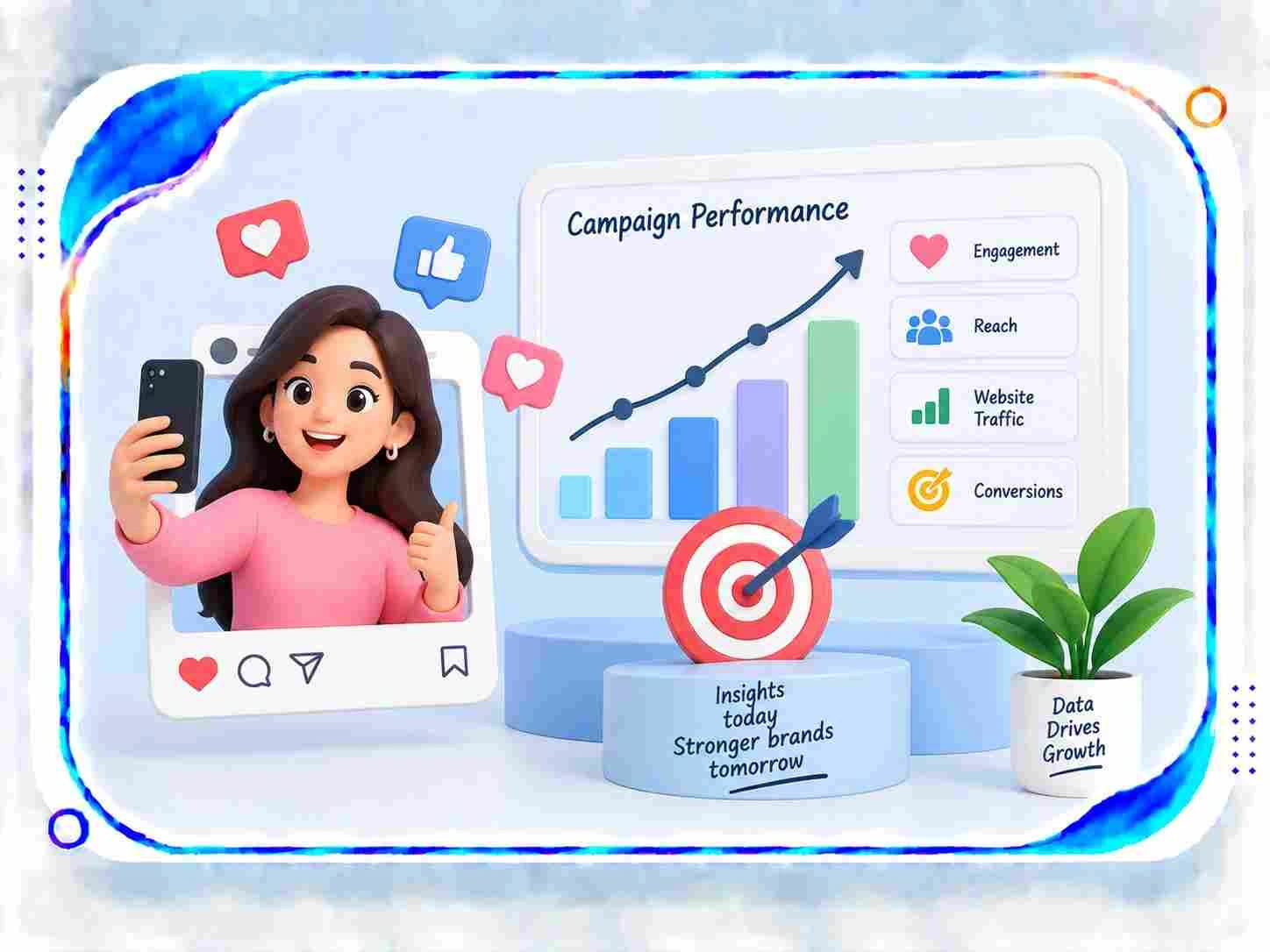
Campaign measurement can include reach, impressions, video views, engagement rate, comments, shares, saves, link clicks, profile visits, website sessions, enquiries, leads, conversions, and sales. The most relevant indicators depend on whether the campaign focuses on awareness, consideration, traffic, or revenue. Linkplux reviews available data against agreed targets to assess creator contribution, understand audience responses, and identify opportunities to improve content choices, channel selection, campaign coordination, and future marketing activity.
To prepare an effective campaign, businesses should share their brand background, product details, intended audience, marketing goals, budget range, preferred platforms, geographic focus, key messages, and expected deliverables. Existing brand guidelines, product images, website links, previous campaign examples, and relevant creative materials can also help shape the content direction. Clear communication about approval processes, schedules, and reporting expectations supports smoother coordination from creator selection through campaign evaluation.