
Powering Digital Growth for Businesses Across Industries




















Our Success Stories







Why Partner with Our Mobile App Development Company in Singapore?
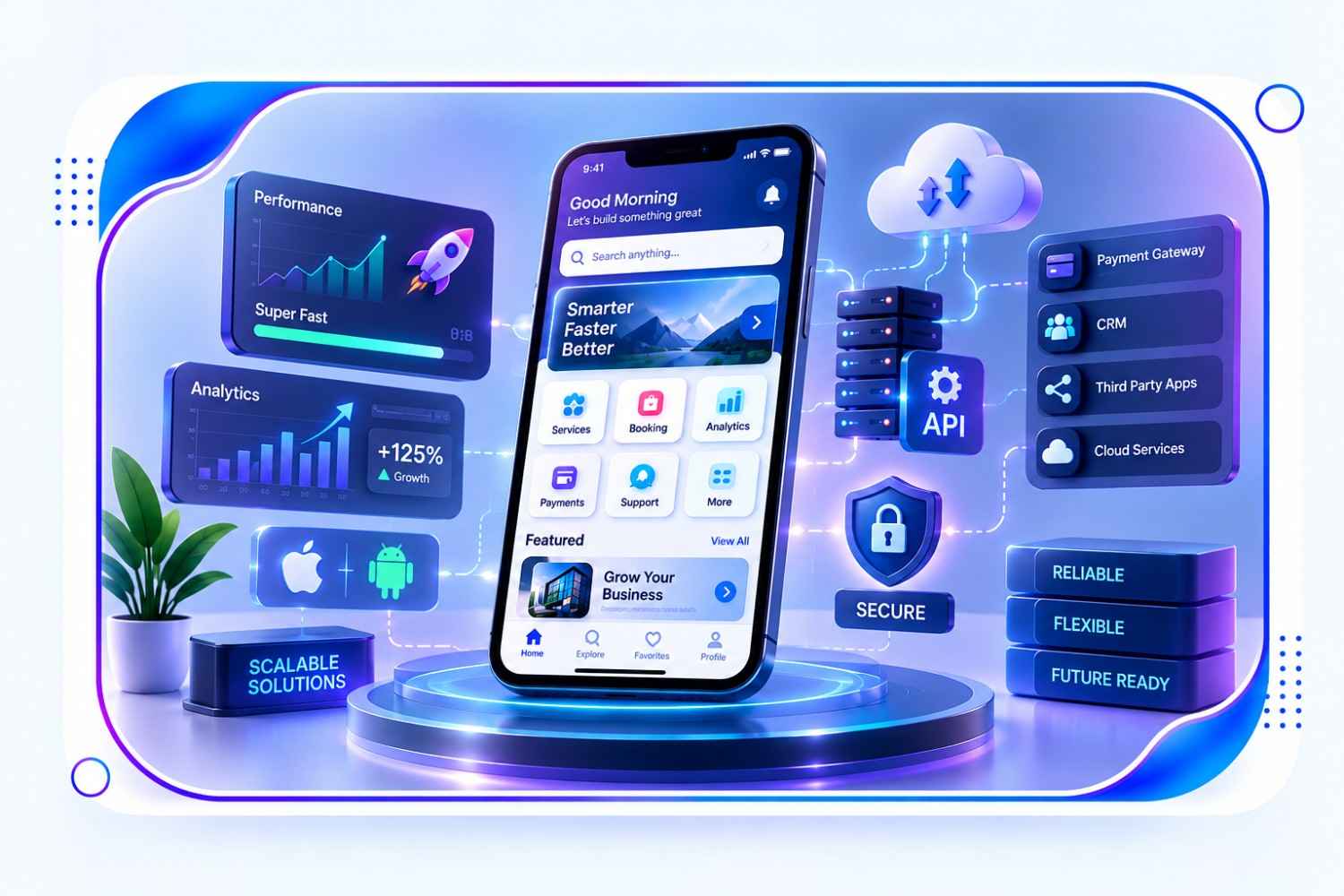
At Linkplux, we build purpose-driven mobile applications that help businesses connect with customers across Android, iOS, and multiple platforms. Our skilled specialists focus on seamless navigation, attractive interface design, dependable functionality, secure development practices, and adaptable technology. Every solution is planned around your operational requirements and audience expectations to deliver a smooth digital experience.
Focused App Development
Android and iOS Applications
User Experience Design

Cross-Platform Solutions
Integration and Quality
App Support and Updates
What Makes Linkplux The Best Mobile App Development Company in Singapore?
What Our Clients Say About Us
LinkPlux Mobile App Development FAQ
Frequently Asked Questions + more
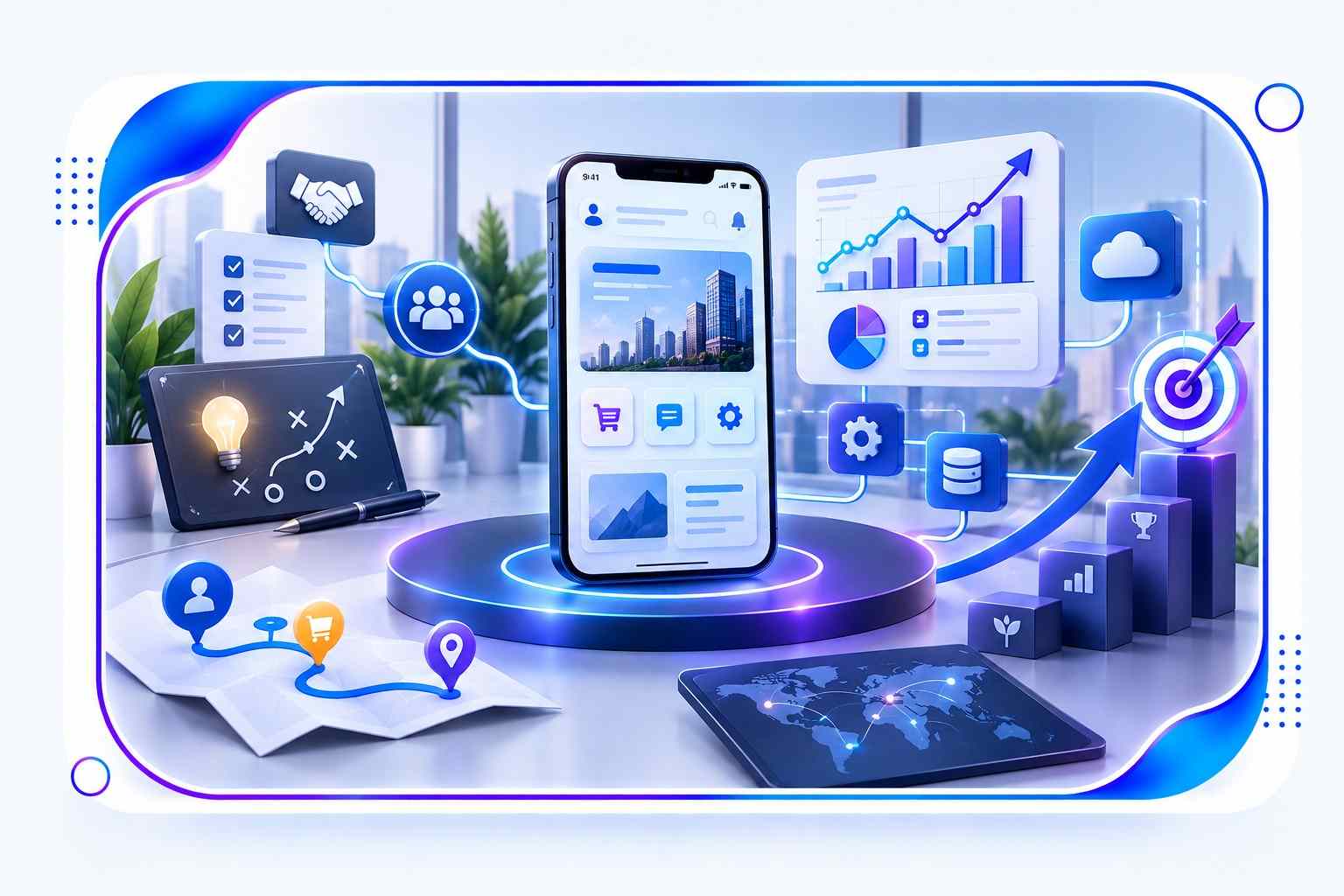
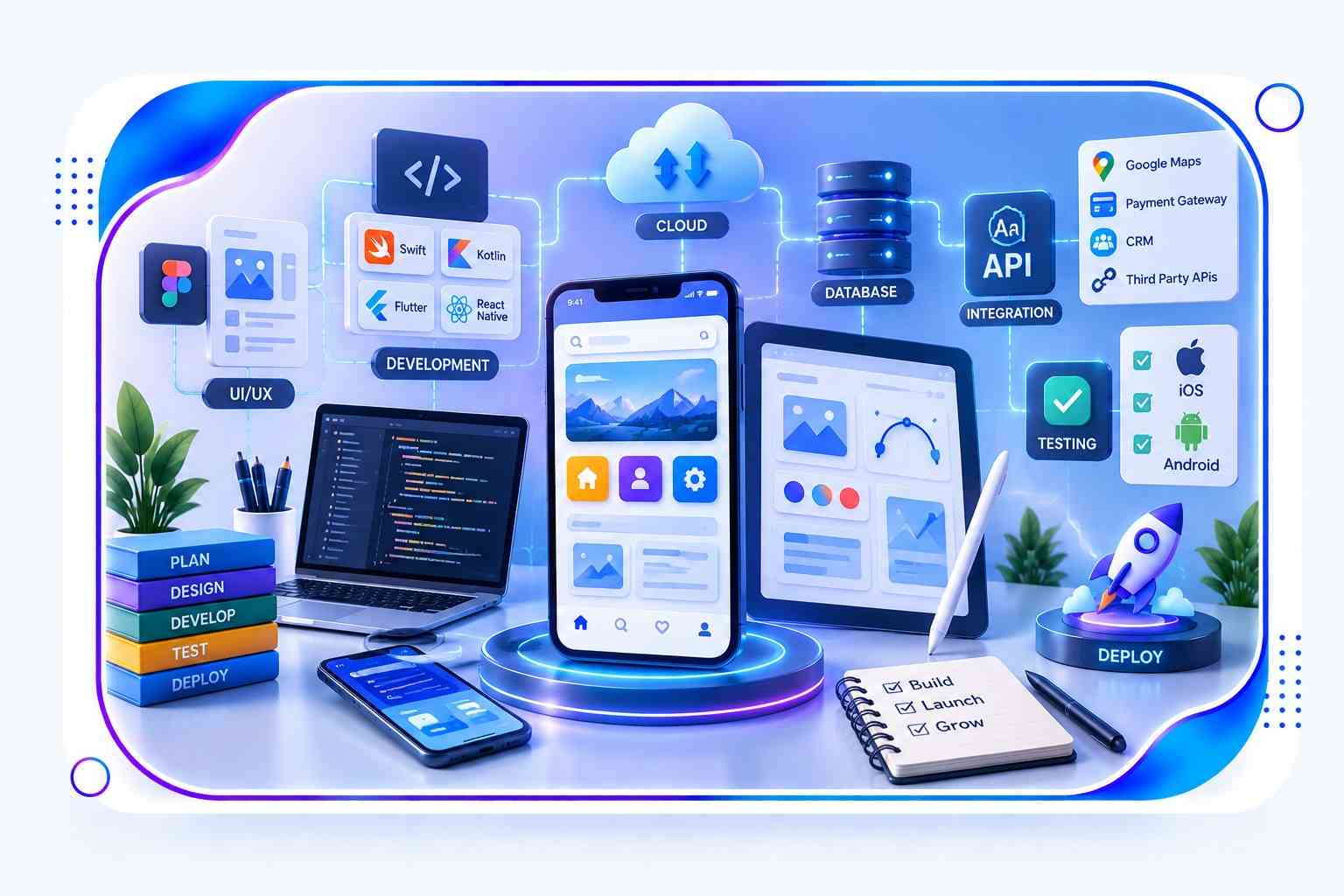
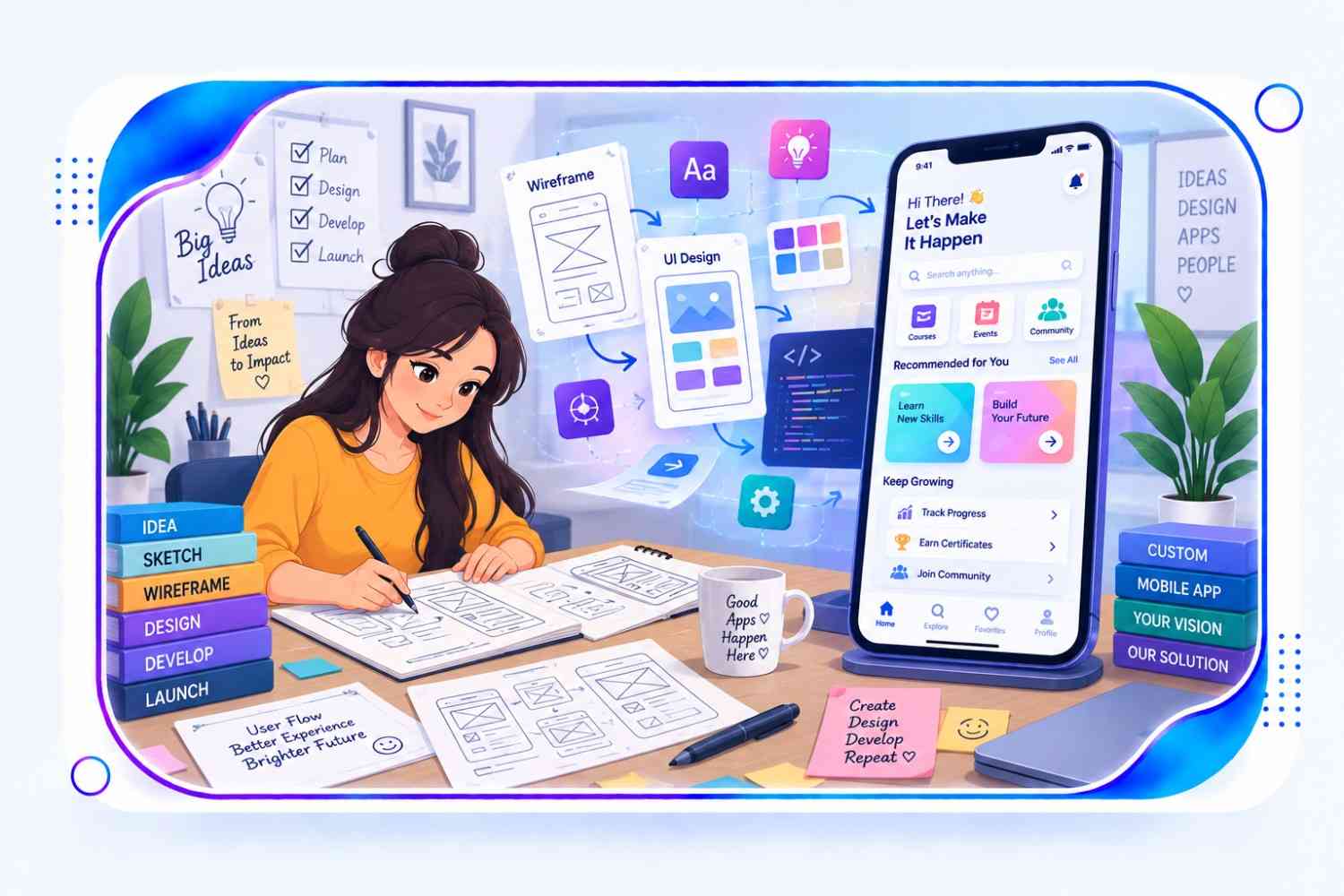
Building a mobile application typically involves several stages, beginning with business analysis and product research, followed by requirement gathering, feature planning, wireframing, interface design, software development, and system integration. The application is then tested, prepared for release, and submitted to the relevant app marketplace. At Linkplux, we plan each stage around the intended audience, technical specifications, usability expectations, and long-term product objectives while developing Android, iOS, and cross-platform solutions.
Android applications are designed for smartphones and tablets powered by Google's Android operating system, whereas iOS applications are developed for Apple's devices, such as iPhones and iPads. The platforms differ in programming languages, development environments, interface guidelines, device ecosystems, and publishing procedures. Linkplux evaluates your target audience, required functionality, and project objectives to determine whether native development or a cross-platform approach would be appropriate.
Skilled developers bring practical knowledge of application architecture, programming frameworks, interface engineering, database management, and software integrations. Their involvement helps translate business requirements into a workable technical plan, select suitable development technologies, and identify potential challenges early. They can also coordinate testing, improve application reliability, and prepare the product for future enhancements, making it easier for businesses to manage their digital products as requirements evolve.
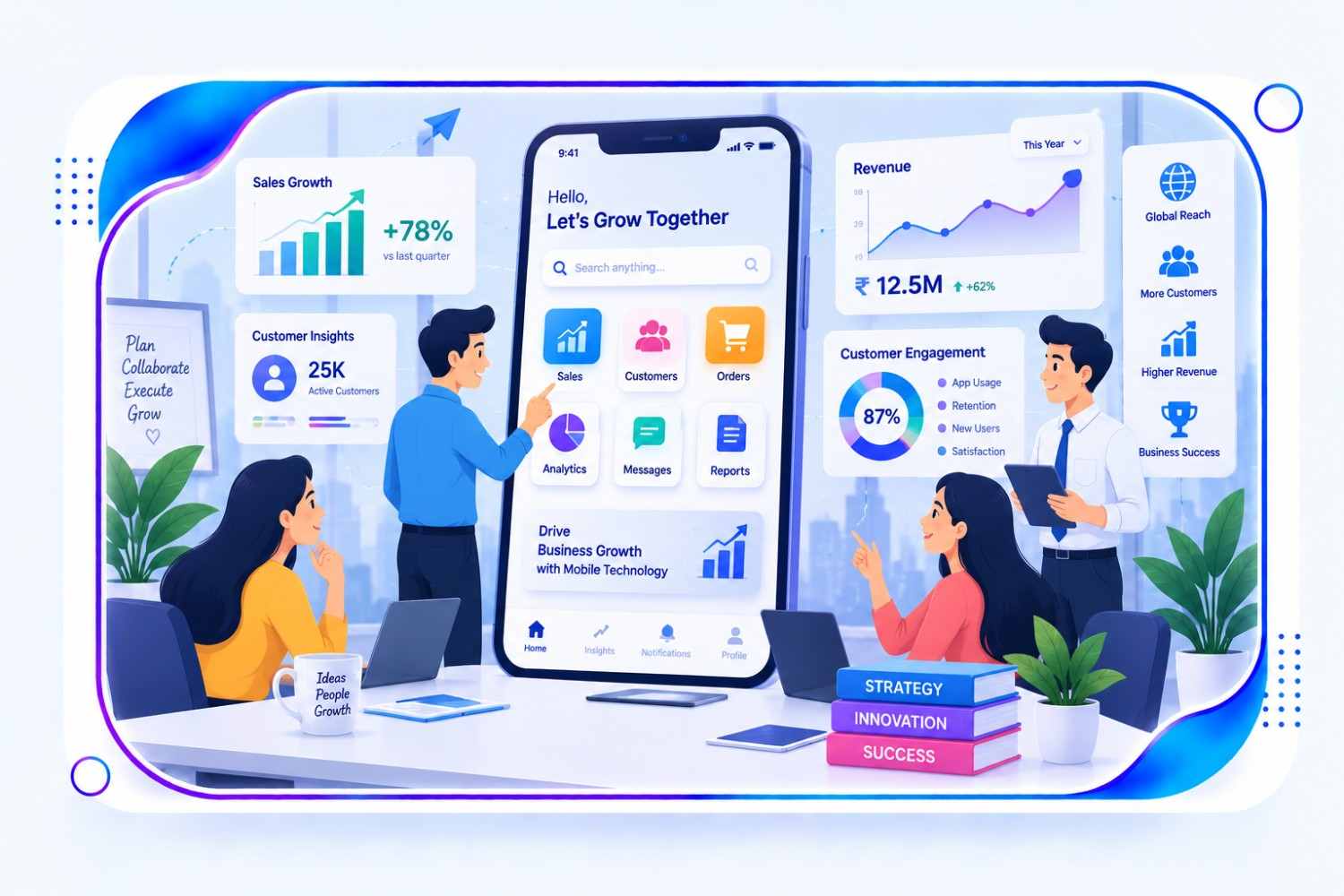
A mobile application can create an additional channel for customers to explore offerings, access information, make purchases, schedule appointments, and communicate with a business. It can also support internal activities such as employee coordination, order tracking, inventory updates, and customer relationship management. Linkplux develops applications around specific operational and customer requirements, helping organizations introduce convenient digital interactions and make selected business activities more accessible.
The time required depends on the product's functionality, design complexity, number of platforms, backend requirements, integrations, and testing scope. A basic application with limited features may take less time than a large-scale marketplace, financial platform, or enterprise solution involving multiple user roles and connected systems. Once the requirements are understood, the project can be organised into development phases with milestones for design, implementation, testing, and deployment.
The overall budget is influenced by the application's feature set, selected operating systems, interface requirements, development framework, backend architecture, external integrations, security expectations, and maintenance needs. Additional considerations may include cloud infrastructure, data storage, payment processing, and the number of users the application is expected to accommodate. Linkplux reviews the project specifications and business priorities before outlining a suitable scope and providing an estimate based on the required development effort.
Yes. We plan custom applications according to your organisation's workflows, customer expectations, industry requirements, and functional priorities. Depending on the project, features may include personalised dashboards, user registration, role-based access, booking systems, payment facilities, product catalogues, reporting tools, notifications, and integrations with existing software. The design and technical structure are selected to reflect the way your business operates and the experience you want to provide to users.
Yes. We design mobile interfaces with attention to navigation clarity, visual hierarchy, readable content, accessible controls, and consistent interaction patterns. The design process can include user-flow planning, wireframes, interactive prototypes, and interface testing before implementation. Layouts are also evaluated across supported screen dimensions to help ensure that menus, buttons, forms, and other important elements remain convenient to use on different smartphones and tablets.
Yes. Mobile applications can communicate with external platforms through APIs and other supported integration methods. Depending on the requirements, Linkplux can connect applications with payment providers, customer management tools, enterprise software, cloud platforms, mapping systems, analytics solutions, and communication technologies. These connections can help synchronise information, reduce repetitive manual activities, and allow the application to work alongside the organisation's existing digital systems.
Yes. We can build shopping applications that make it easier for customers to discover products, compare options, place orders, and follow their purchases. Depending on the retailer's requirements, features can include product categories, advanced search, filters, wish lists, shopping carts, secure checkout, payment integration, order histories, delivery information, and promotional notifications. The application can be structured around the store's catalogue, fulfilment process, customer preferences, and business model.
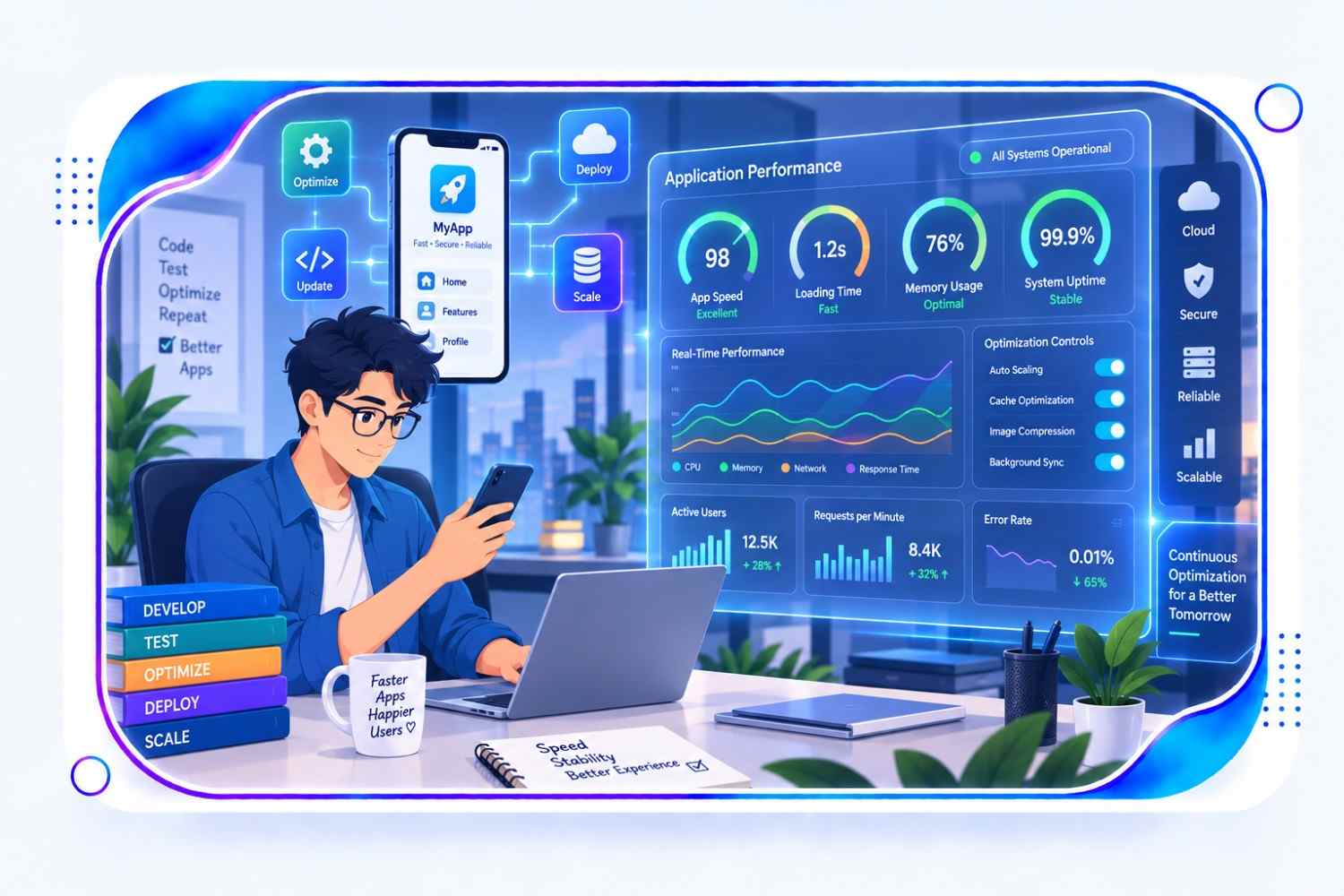
Application protection and efficiency depend on suitable technical practices throughout development and maintenance. Measures may include secure authentication, access permissions, encrypted data transmission, protected API communication, input validation, and regular software updates. Performance evaluations can also cover response times, loading behaviour, memory usage, network requests, and system stability. Linkplux considers these aspects during implementation and testing to help businesses maintain dependable applications and safeguard information handled by their products.
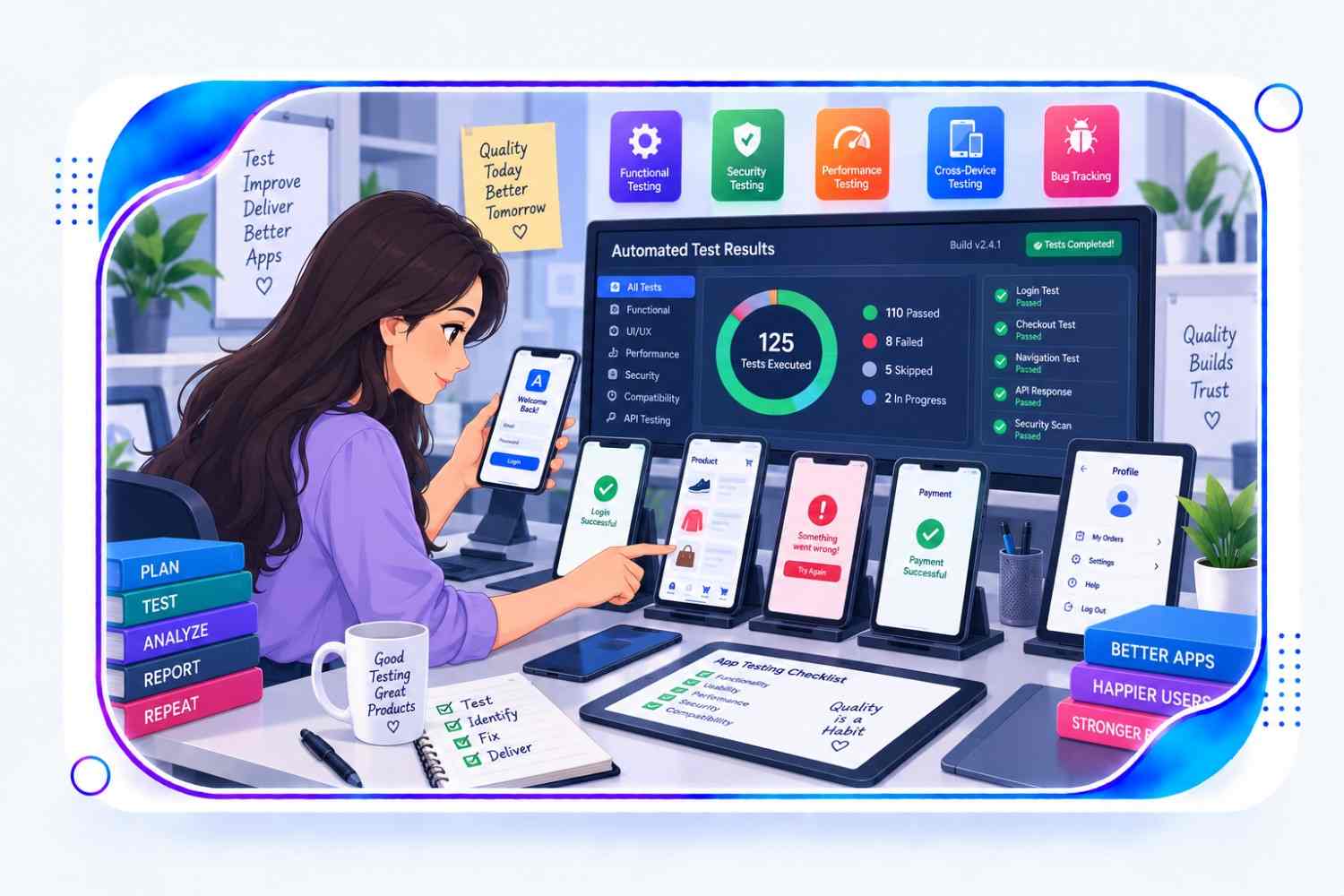
Release preparation involves checking whether the application's features, interface, and technical components work as expected. Our validation activities can include functional assessments, usability reviews, device testing, operating system compatibility checks, security evaluations, and performance analysis. We also examine important user journeys and investigate defects identified during testing. Once the required checks are completed, the application can be prepared for submission to the relevant distribution platform.
Yes. Linkplux can assist with release preparation, app marketplace submissions, software maintenance, and future product enhancements. Continued support may involve resolving technical issues, adapting applications to operating system changes, improving existing features, reviewing performance, and implementing new capabilities. Regular maintenance helps businesses address emerging technical requirements and keep their applications aligned with changing user expectations and device environments.
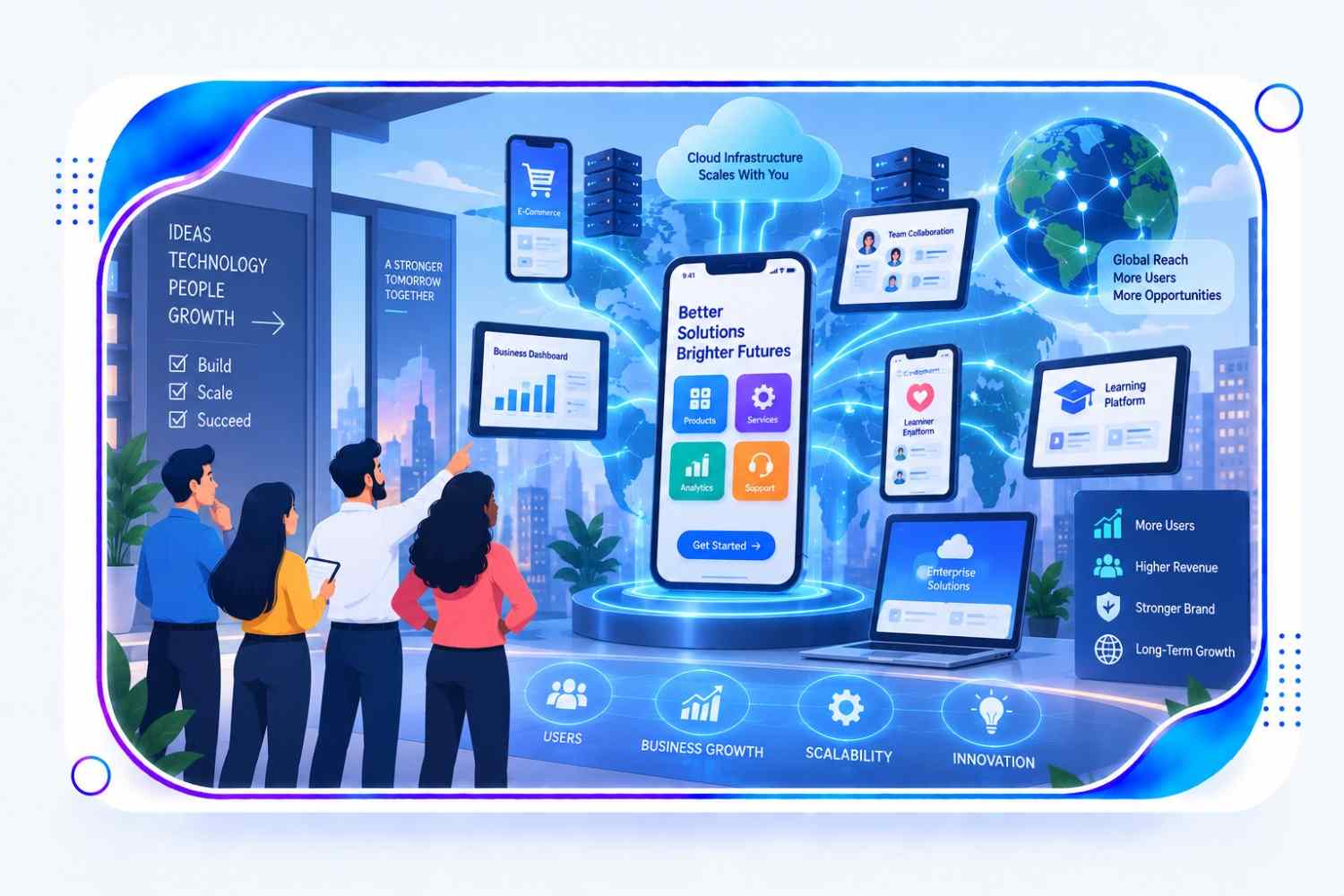
Linkplux brings together product planning, interface design, software engineering, system integration, quality evaluation, and post-launch assistance within a coordinated workflow. We work on Android, iOS, cross-platform, eCommerce, and business-focused applications, with attention to each project's technical and operational needs. Our approach considers Singapore's diverse digital audience, mobile usage patterns, and business environment while shaping applications that are practical to use, maintain, and enhance as organisational priorities change.