
Powering Digital Growth for Businesses Across Industries




















Our Success Stories







Why Work With Us?
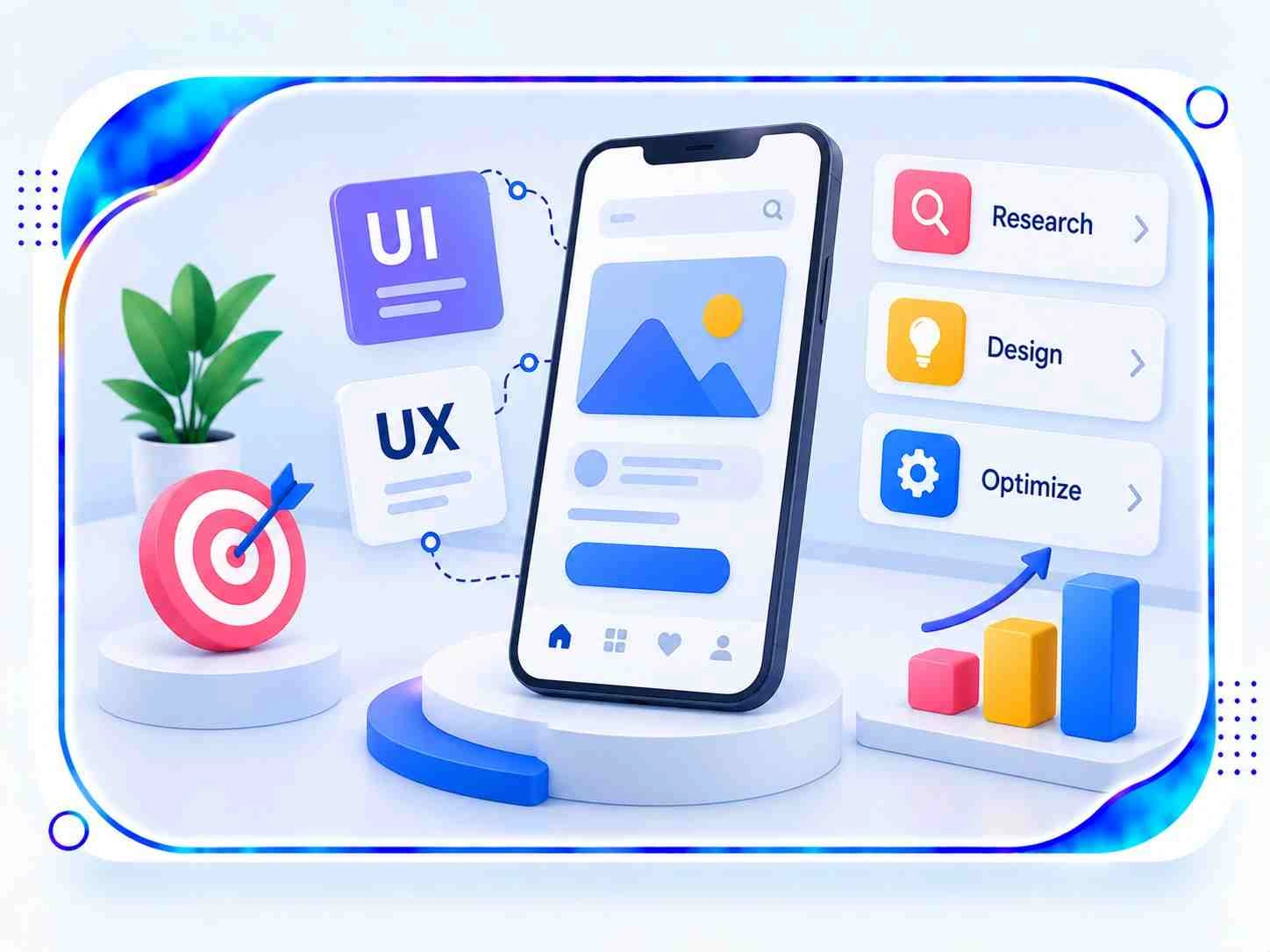
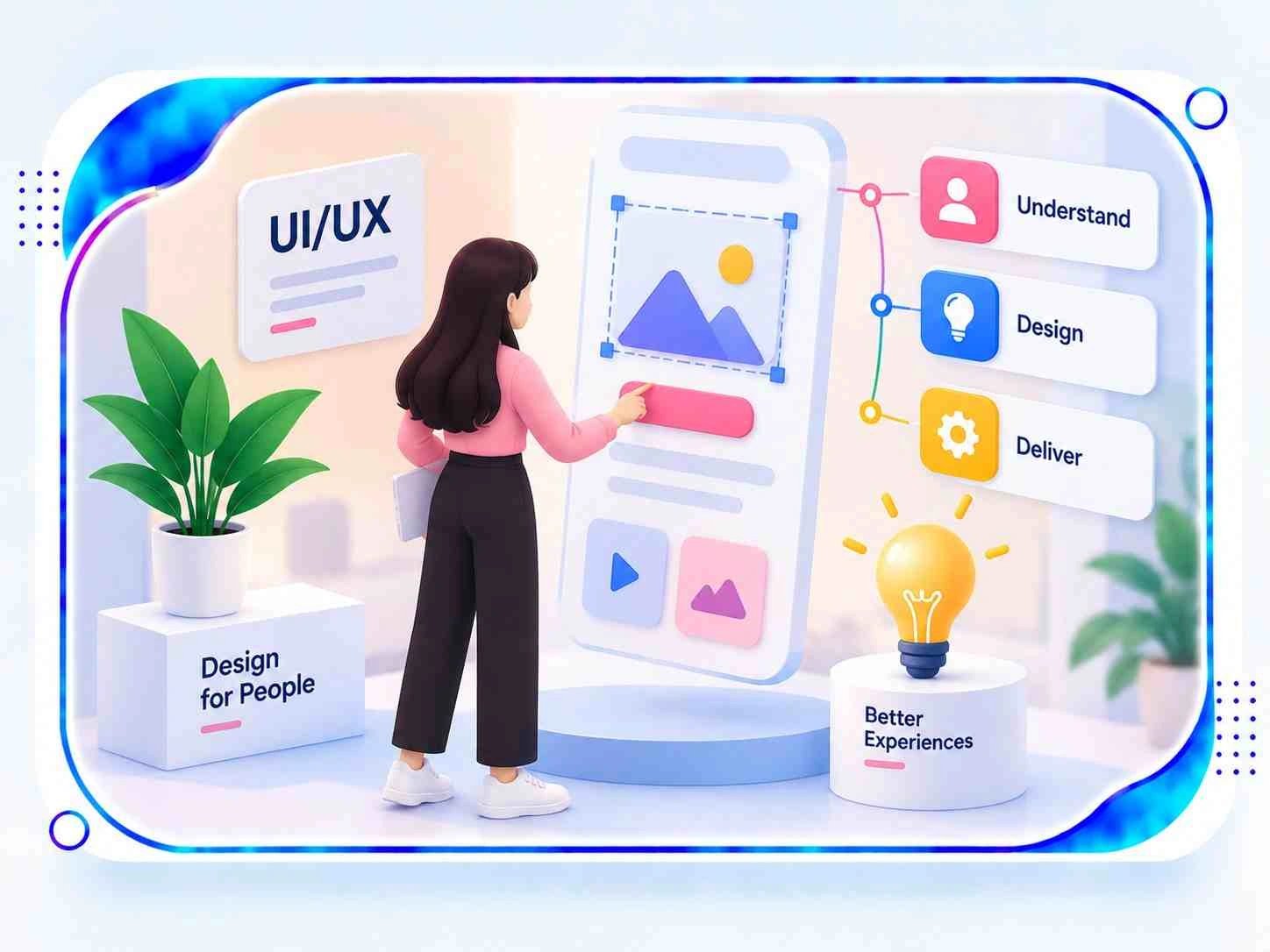
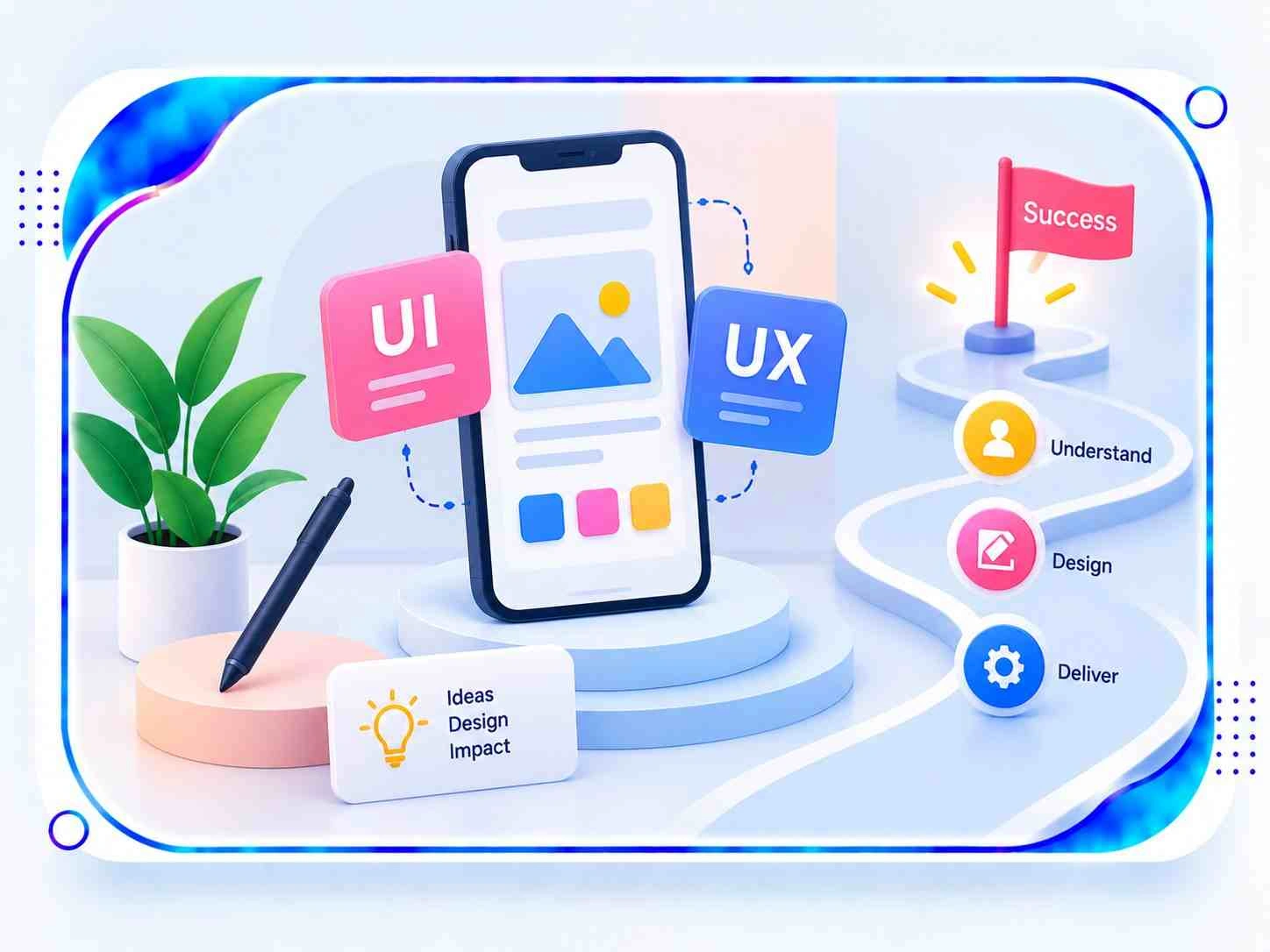
As a reliable UX design agency in Singapore, LinkPlux helps businesses create intuitive digital experiences through user research services, interface planning, usability testing, responsive layouts, and strategic product design services. Our UI/UX design approach enhances website navigation, strengthens customer interaction, and delivers user-friendly digital solutions across mobile applications, e-commerce platforms, and websites.
User Experience Research
Interface Design Solutions
Usability Testing Services

Responsive Website Interfaces
Mobile App UX Design
Seamless User Journeys
What Makes Linkplux The Best UI & UX Design Service in Singapore?

What Our Clients Say About Us
LinkPlux UI & UX Design FAQs
FAQs + more
UI & UX Design Services in Singapore help businesses develop functional and visually appealing digital products, including websites, mobile applications, SaaS platforms, and software interfaces. Depending on project requirements, solutions may include user research, wireframing, prototyping, information architecture, responsive interface design, usability testing, and experience optimization to improve digital interactions.
Professional UI/UX design enables Singapore businesses to provide convenient digital experiences through organized layouts, clear navigation, accessible interfaces, and simplified user journeys. A thoughtful design strategy can improve customer engagement, make product features easier to understand, strengthen brand consistency, and support conversions across websites, applications, and digital platforms.
Our UI/UX design process can cover audience research, competitor analysis, user journey mapping, information architecture, wireframe development, interactive prototyping, visual interface creation, responsive layouts, and usability testing services. Each activity is selected according to your product specifications, customer expectations, technical requirements, and intended business outcomes.
Working with a professional UI/UX design agency provides access to structured design strategies, user research expertise, interface development, and usability evaluation. An experienced team can coordinate visual design, navigation planning, responsive functionality, and product requirements under one approach. When comparing UI/UX agencies, review their portfolio examples, project experience, design methodology, communication standards, and service scope.
User research helps designers understand audience expectations, browsing habits, accessibility requirements, and common interaction difficulties before development begins. These findings influence information architecture, interface layouts, navigation structures, and product functionality. Research-led decisions reduce design assumptions and help create digital experiences that address genuine customer requirements.
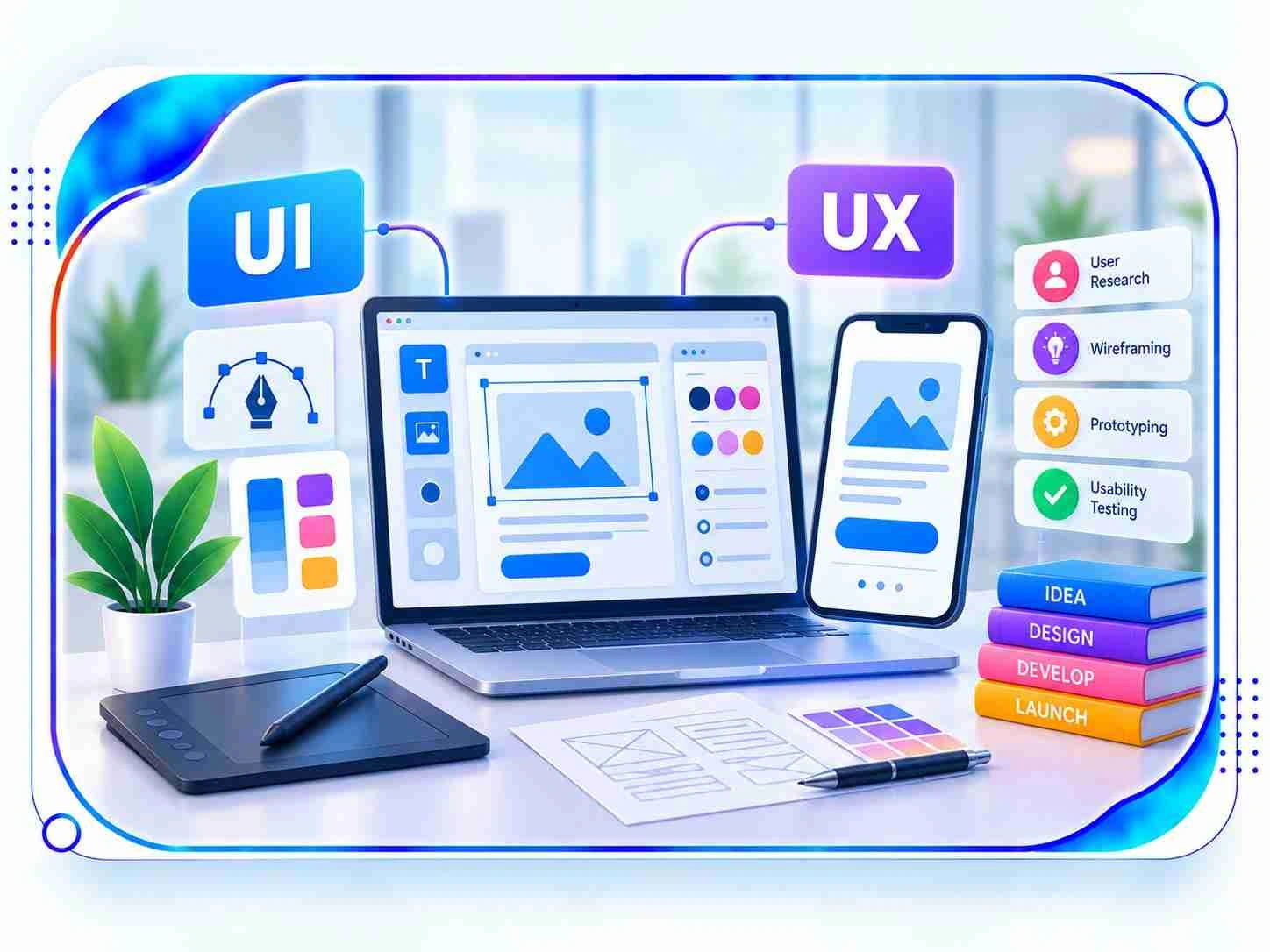
UI design concentrates on the visual and interactive elements of a digital interface, including typography, colours, buttons, icons, layouts, and menus. UX design focuses on the complete experience, covering usability, navigation, information structure, user journeys, and task completion. Both disciplines work together to create digital products that look consistent and function effectively.
Yes. Startups and smaller organizations can benefit from UI/UX design by making their websites, mobile applications, and digital products easier to understand and operate. A focused design strategy can prioritize essential features, improve customer journeys, establish a recognizable brand identity, and create a scalable foundation for future product development.
Our design solutions can support corporate websites, e-commerce stores, mobile applications, SaaS platforms, enterprise software, customer portals, dashboards, and web-based applications. Depending on the product, we provide website UI design, mobile app UX design, product design services, responsive interfaces, and reusable design systems to improve usability across digital touchpoints.
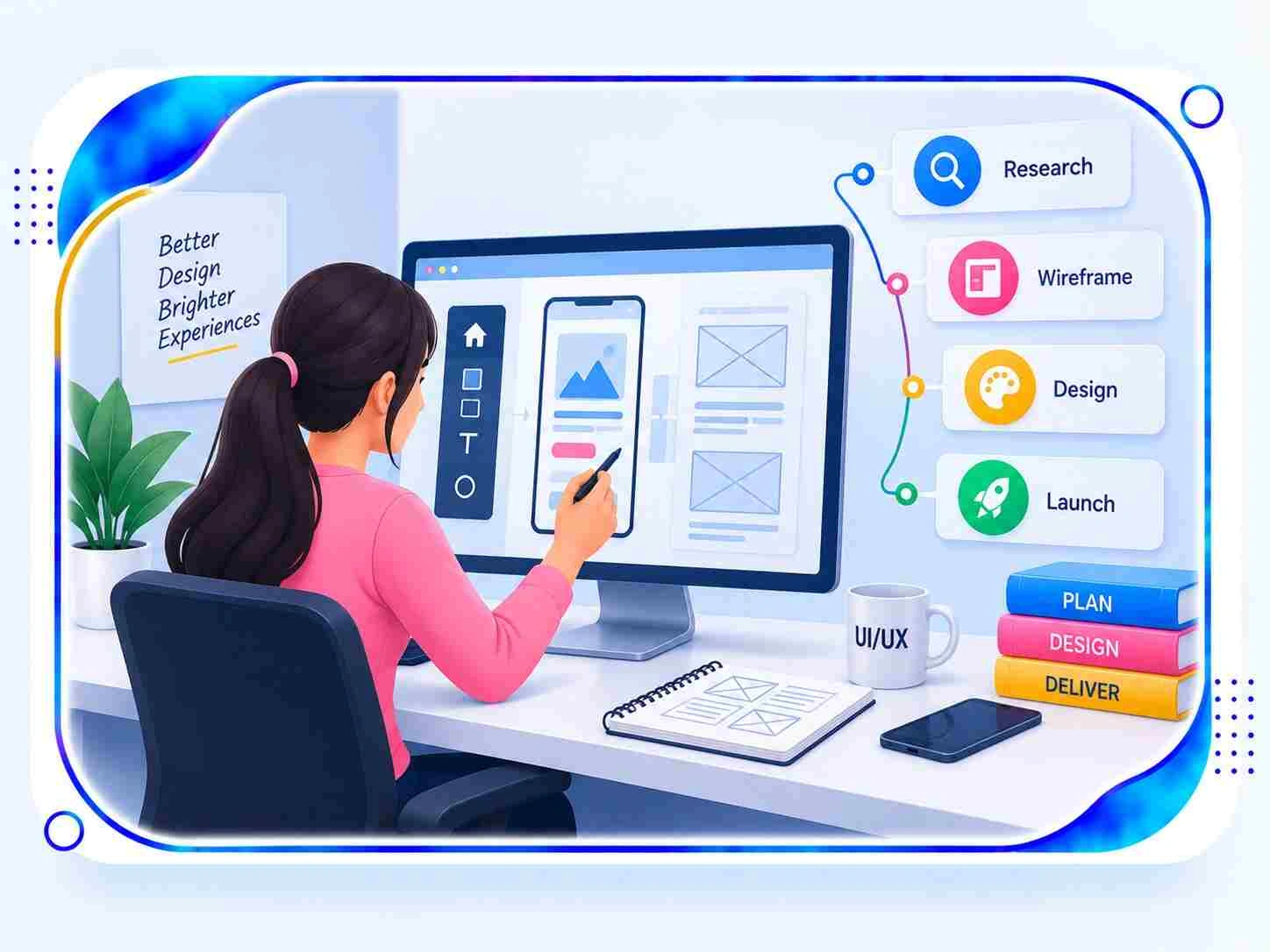
We begin by understanding the intended audience, product objectives, and required functionality. The process then moves through user research, content planning, information architecture, wireframes, visual concepts, interactive prototypes, and usability evaluation. Responsive layouts, accessible components, and straightforward navigation help ensure that the finished website or application provides a consistent experience across different devices.
Evaluate the agency's UX design portfolio examples, industry knowledge, user research capabilities, prototyping methods, usability testing approach, and communication process. Check whether its team understands responsive interfaces, accessibility, design systems, and your product requirements. Clear project deliverables, realistic timelines, and transparent pricing are also important when selecting a suitable design partner.
Well-planned UI/UX design can support website conversions by simplifying navigation, presenting important information clearly, improving form usability, and making calls to action easier to locate. A user-focused interface reduces avoidable interaction difficulties and helps visitors move through essential steps. Actual conversion results depend on traffic quality, product value, pricing, and other business factors.
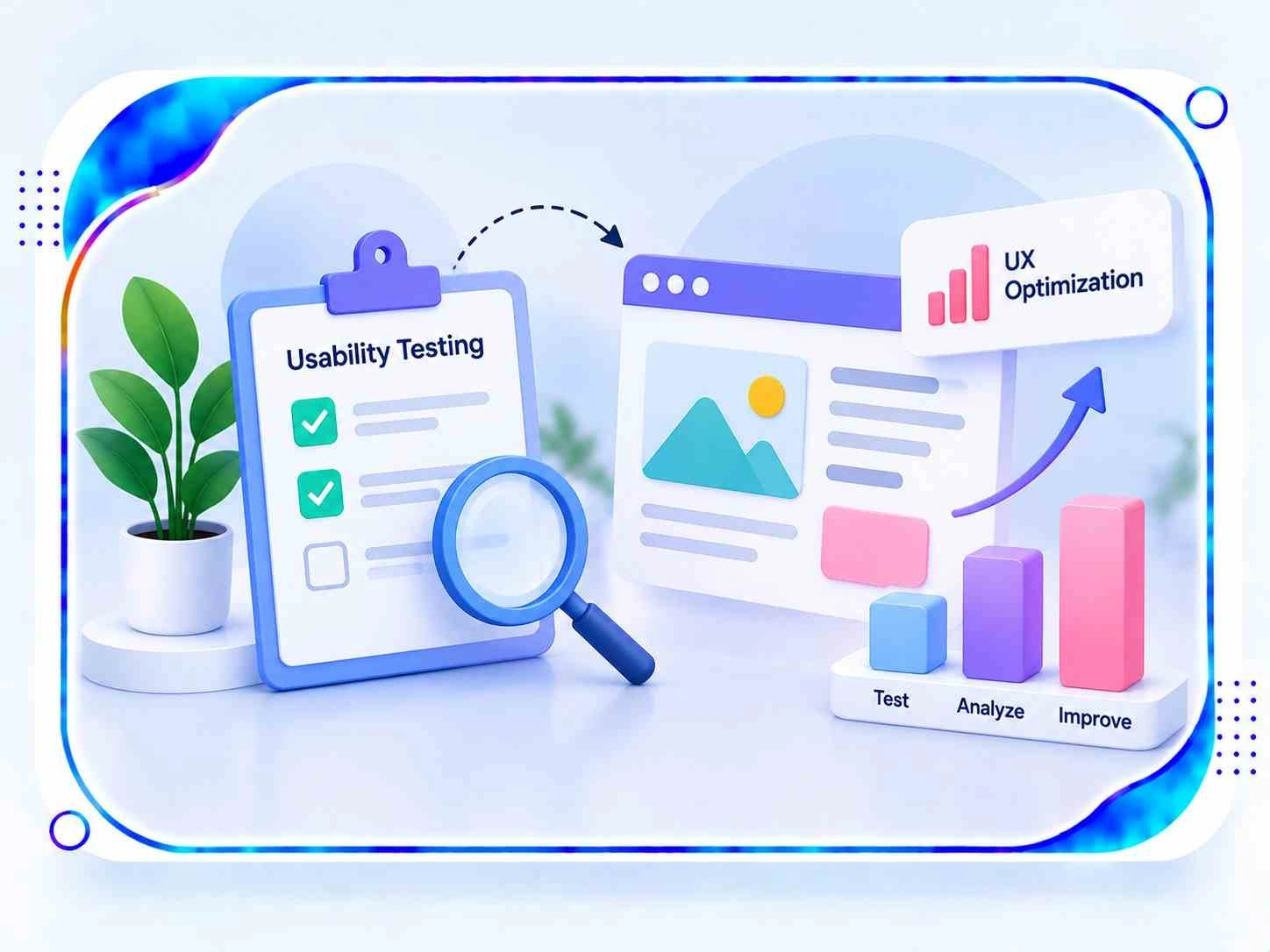
Usability testing services reveal how effectively people interact with a website, application, or software platform. Testing can uncover confusing navigation, unclear instructions, inaccessible components, and difficulties completing important tasks. Addressing these findings helps designers improve interface clarity, simplify workflows, and create digital products that better accommodate actual user expectations.
Project performance can be assessed through usability test results, task completion rates, navigation behaviour, user feedback, engagement patterns, and conversion data where relevant. The selected measurements depend on the product's original objectives and target audience. Regular evaluation helps identify successful design decisions, discover usability gaps, and determine which interface elements require further refinement.
Before beginning, provide your business objectives, project requirements, target audience details, existing website or application, brand guidelines, and preferred functionalities. Existing design references, customer feedback, and known usability concerns can also help establish priorities. These details allow our team to understand the project scope and prepare a suitable UI/UX design strategy.