
 4.8 / 5 Rating
Powered by ACTE
Leading Gen AI Training in Sydney, Australia
Gain industry-focused capabilities in Gen AI, advanced LLM technologies, and intelligent solution creation through Linkplux.
Professional Generative AI Training in Sydney, Australia
to Advance Your AI Career
Linkplux offers comprehensive Gen AI Training in Sydney, Australia, exploring Generative AI, advanced prompt engineering, language models, ChatGPT, natural language processing, RAG, LangChain, and practical AI-powered solution building. This Generative AI curriculum emphasises experiential projects and modern artificial intelligence techniques, enabling learners, fresh graduates and industry professionals to strengthen their technical capabilities.
Intelligent AI Solutions
LLM-Based Development
Employment Assistance

Generative AI Platforms
LangChain & AI Agents
Professional AI Certification
Generative AI Training in Sydney Advantages
Practical Generative AI Experience
Strengthen technical abilities with interactive AI development exercises, business-oriented examples and hands-on Gen AI assignments centred on building innovative intelligent systems.
LLM Architecture & AI Engineering
Explore generative model concepts, transformer networks, foundation models, prompt optimisation, retrieval-based systems and autonomous agents to develop expertise in designing advanced artificial intelligence applications.
Industry-Relevant Gen AI Credentials
Strengthen your professional profile through a Generative AI training certificate highlighting your practical knowledge of language models, contextual prompting, information retrieval and modern AI implementation techniques.
Professional Guidance & Career Readiness
Prepare for opportunities as a Gen AI Engineer, Machine Learning Developer, AI Solutions Engineer, LLM Application Specialist, and Prompt Designer with CV guidance, technical coaching, simulated assessments, and employment preparation.
Real-Time AI Application Development
Practise using Python, foundation models, vector embeddings, retrieval pipelines, LangChain, intelligent agents, and API integrations to create business-focused AI applications addressing practical challenges and emerging automation requirements.
Expert-Led Generative AI Instruction
Build technical knowledge through organised modules covering AI model fundamentals, transformer networks, semantic retrieval, autonomous workflows, LangChain integration, multimodal intelligence, and advanced application engineering with instructor-led practical sessions.
Professional AI Portfolio Development
Assemble an impressive AI development portfolio featuring language model integrations, intelligent search assistants, automated business processes, chatbot interfaces, autonomous workflows, and industry-oriented final projects showcasing your technical proficiency.
Technical Interview Preparation
Improve your artificial intelligence interview performance with Python coding challenges, foundation model discussions, prompt optimisation exercises, retrieval techniques, practice assessments, and professional career coaching.
How You'll Learn
Generative AI Training Curriculum in Sydney, Australia
Paper 1: Introduction to Generative AI & Python Programming
- Unit 1: AI Fundamentals, Core Machine Learning Concepts and Generative Model Introduction
- Unit 2: Generative Architectures, Pretrained Models and Business-Oriented Use Cases
- Unit 3: Python Fundamentals for Building Artificial Intelligence Applications
- Unit 4: Numerical Computing, Data Analysis and Python-Based Development Setup
- Unit 5: AI Limitations, Responsible Innovation, Information Security and Ethical Practices
Tools used in this Paper: Python, Jupyter Notebook, NumPy, Pandas, ChatGPT
Paper 2: Natural Language Processing & Transformer Architecture
- Unit 1: NLP Foundations, Text Normalisation and Language Data Processing
- Unit 2: Text Tokenisation, Semantic Vectors, Similarity Analysis and Contextual Representations
- Unit 3: Deep Learning Networks, Recurrent Models, LSTMs and Sequence Processing
- Unit 4: Self-Attention Concepts and Transformer Network Design
- Unit 5: Encoder-Decoder Frameworks, BERT, GPT and Modern Language Model Functionality
Tools used in this Paper: Python, NLTK, Hugging Face, Transformers, BERT, GPT
Paper 3: LLM Fundamentals & Advanced Prompt Engineering
- Unit 1: Language Model Foundations, Pretrained Architectures and Generative Capabilities
- Unit 2: Token Management, Context Windows, Model Parameters and Inference Techniques
- Unit 3: Zero-Shot, Single-Example, Few-Shot and Role-Based Prompt Strategies
- Unit 4: Instruction Formatting, Prompt Optimisation and Output Validation
- Unit 5: Context Engineering for Enterprise Applications and Intelligent Business Processes
Tools used in this Paper: ChatGPT, Gemini, Claude, OpenAI API, Prompt Engineering Tools
Paper 4: Multimodal Generative Models & AI Application Building
- Unit 1: Automated Writing, Text Summaries, Intelligent Responses and Content Synthesis
- Unit 2: Synthetic Image Production, Visual Recognition and Image Processing Applications
- Unit 3: Automatic Speech Processing, Voice Generation and Audio-Based AI Interfaces
- Unit 4: Cross-Modal Processing Integrating Written Content, Visual Inputs and Sound
- Unit 5: Building Functional Applications Through Combined Generative Model Capabilities
Tools used in this Paper: ChatGPT, Gemini, Hugging Face, OpenAI API, Generative AI Platforms
Paper 5: Retrieval-Augmented Generation, Vector Embeddings & Databases
- Unit 1: RAG Architecture, External Knowledge Integration and Context-Aware Generation
- Unit 2: Document Loading, Content Chunking and Information Repository Preparation
- Unit 3: Embedding Generation, Vector Similarity and Meaning-Based Search Techniques
- Unit 4: Vector Database Management, Attribute Filtering and Retrieval Architecture
- Unit 5: Building, Testing and Improving Knowledge-Driven RAG Applications for Organisations
Tools used in this Paper: LangChain, ChromaDB, Pinecone, OpenAI Embeddings, Vector Search
Paper 6: LangChain Framework, Autonomous Agents & AI Automation
- Unit 1: LangChain Framework Fundamentals, Reusable Prompt Structures and Model Orchestration
- Unit 2: Chain Execution, Tool Integration, Function Calls and Third-Party Data Connections
- Unit 3: Agentic AI Fundamentals, Autonomous Decision Processes and Workflow Automation
- Unit 4: Engineering Conversational Assistants with Context Memory, Search and External Tools
- Unit 5: Complex Agent Workflows, Quality Measurement and System Optimisation
Tools used in this Paper: LangChain, Python, OpenAI API, AI Agents, Function Calling
Paper 7: Hugging Face Ecosystem, LLM Fine-Tuning & Custom Models
- Unit 1: Language Model Specialisation, Instruction Tuning and Adaptation Fundamentals
- Unit 2: Preparing Domain-Specific Training Collections for Custom AI Systems
- Unit 3: Efficient Parameter Adaptation and Tailored Language Model Configuration
- Unit 4: LoRA, QLoRA and Lightweight Fine-Tuning Strategies for Model Customisation
- Unit 5: Hugging Face Libraries, Model Tokenisation, Benchmarking and Configuration Tuning
Tools used in this Paper: Hugging Face, Transformers, PEFT, LoRA, QLoRA, Python
Paper 8: AI API Integration, Cloud Infrastructure & Application Hosting
- Unit 1: Generative Model Interfaces, Secure Authentication and API Communication
- Unit 2: Connecting OpenAI, Gemini and Other Foundation Model Services
- Unit 3: Embedding Intelligent Capabilities into Websites and Enterprise Software
- Unit 4: Containerisation, Version Control and Collaborative Software Deployment Practices
- Unit 5: Cloud-Based Model Hosting, Application Observability and Scalable Production Environments
Tools used in this Paper: OpenAI API, Gemini API, Python, Docker, Git, GitHub, AWS, Azure, Google Cloud
Paper 9: Advanced Generative AI Engineering, Testing & Final Projects
- Unit 1: Complex Language Model Applications, Cross-Modal AI and Autonomous System Architecture
- Unit 2: Enterprise Knowledge Retrieval, Intelligent Agents and End-to-End AI Architecture
- Unit 3: Model Benchmarking, Functional Testing and Generated Content Accuracy Assessment
- Unit 4: Designing, Implementing and Deploying Complete Generative AI Portfolio Applications
- Unit 5: Technical Portfolio Presentation, Project Walkthrough and Employment Interview Practice
Tools used in this Paper: Python, LangChain, OpenAI API, Hugging Face, RAG, AI Agents, GitHub, Cloud AI Platforms
Let's Get Started
Skills Covered





Industry-Ready Generative AI Tools You'll Master in Sydney, Australia
LLMs & Foundation Models "Explore Modern Large Language Models, Multimodal AI and Foundation Model Architectures in Hyderabad"







LLM Application Frameworks "Develop RAG Applications, AI Assistants, Agentic Workflows and LLM-Powered Solutions"



Fine-Tuning & Model Optimization "Customize Open LLMs with Parameter-Efficient Fine-Tuning, Quantization and Model Adaptation"

LLMOps & Deployment "Build, Deploy, Monitor and Maintain Production-Ready Generative AI Applications"


Prompt Engineering & AI Automation "Design Effective Prompts, Structured AI Workflows and Intelligent Automation Solutions"

Eligibility & Criteria
Everything you need to know to join and qualify for placement.
Who Can Apply?
Eligibility Year of Passing
2018 and After
Graduates
Any Graduate / Diploma
Academic Percentage
Min 60%
Placement Eligibility
Attendance
Min 90%
Assessment Marks
Min 75%
Live Projects
100% Completion
How Generative AI Training in Sydney, Australia
Can Transform Your Career Prospects
Generative AI is transforming application engineering, organisational workflows, creative industries, and intelligent business operations. Learning these technologies builds hands-on proficiency in Large Language Models, prompt engineering, retrieval-augmented generation, autonomous agents, multimodal processing, model fine-tuning, and practical AI solution development.
Growing Opportunities in Generative AI Engineering
Strengthen Employability With Applied AI Expertise
Discover Opportunities in Intelligent Software Engineering
Build Capabilities in Cross-Modal AI Technologies
Adapt to Advancements in Artificial Intelligence
Generative AI Job Profiles and Estimated Salary Packages in Sydney
AI Fundamentals & Intelligent Prompt Engineering
- Generative AI Intern
- Junior Prompt Engineer
- Associate AI Programmer
- Artificial Intelligence Data Analyst
- AI Content Development Specialist
- AI Testing Associate
RAG Architecture, LLM Integration & Chatbot Engineering
- Generative AI Application Developer
- Large Language Model Engineer
- Retrieval-Augmented Generation Engineer
- Conversational AI Programmer
- Vector Search Developer
- AI Software Engineer
Foundation Model Tuning & Multimodal Intelligence
- Foundation Model Engineer
- Autonomous AI Agent Developer
- LLM Fine-Tuning Specialist
- Open-Source AI Model Engineer
- Multimodal Intelligence Developer
- Synthetic Data Specialist
MLOps Integration, LLM Testing & Production Engineering
- ML Operations Engineer
- AI Implementation Engineer
- Model Deployment Specialist
- LLM Quality Engineer
- AI Infrastructure Developer
- Responsible AI Governance Specialist
Enterprise AI Architecture & Intelligent Solution Design
- Generative AI Solutions Architect
- Enterprise AI Consultant
- Cloud Artificial Intelligence Architect
- AI Systems Architect
- AI Security Engineer
- AI Integration Manager
AI Innovation Management & Strategy
- Principal Generative AI Engineer
- Chief AI Solutions Architect
- Lead Language Model Specialist
- AI Development Manager
- Head of Artificial Intelligence
- AI Research and Innovation Director
Advance Professionally With Gen AI Training in Sydney, Australia
- Junior AI Associate
- Prompt Engineering Assistant
- AI Content Executive
- AI Software Developer
- Retrieval Engineer
- LLM Integration Specialist
- Generative AI Engineer
- Autonomous Agent Specialist
- LLM Infrastructure Engineer
- Enterprise AI Architect
- Principal AI Developer
- AI Strategy Manager
Our Alumni Work at




















Success Stories from Our Students
See how Linkplux's IT training programs have helped students land top jobs through hands-on learning and expert guidance.
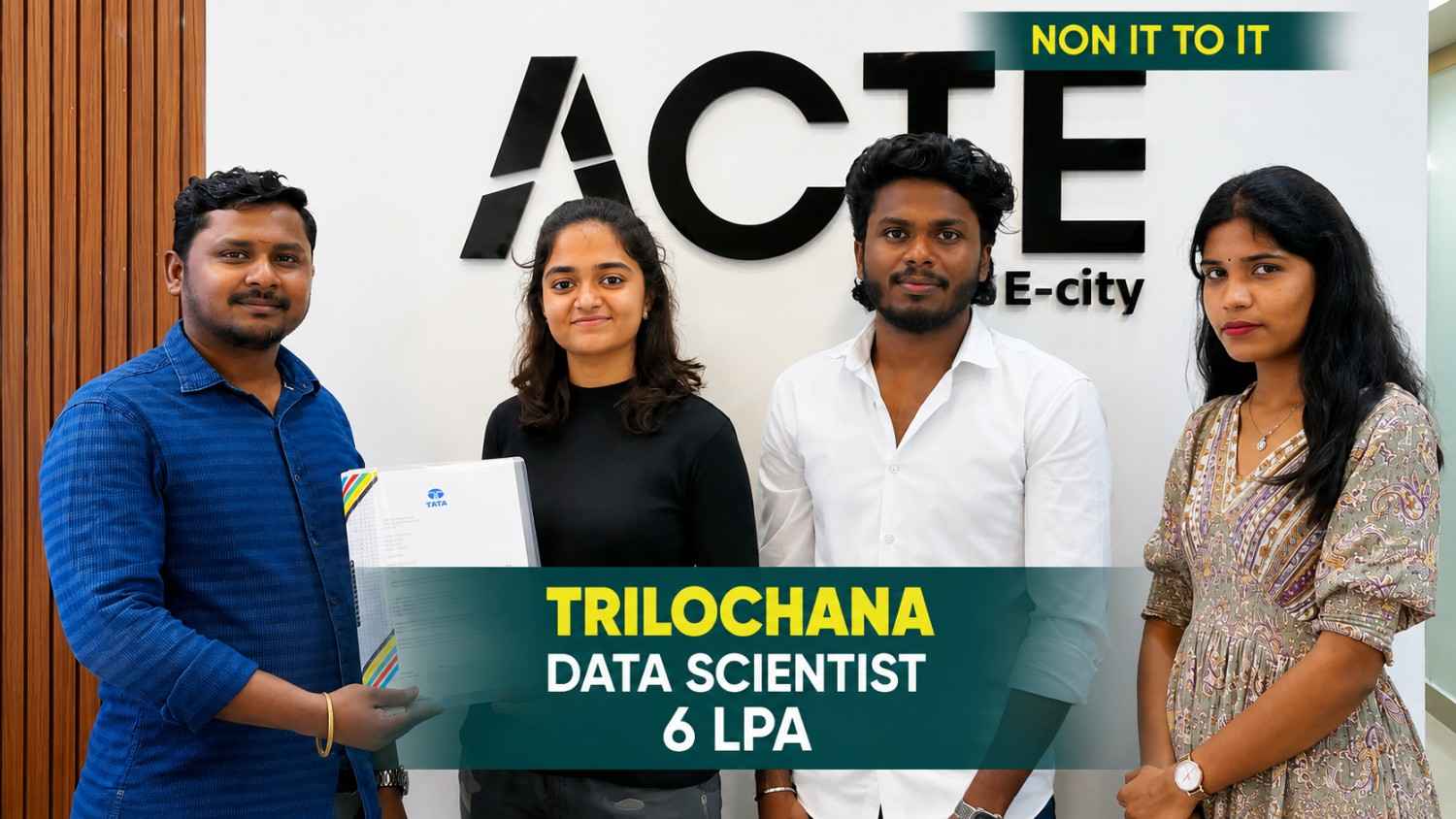
Trilochana found her path with Linkplux and landed the dream job.
#Datascience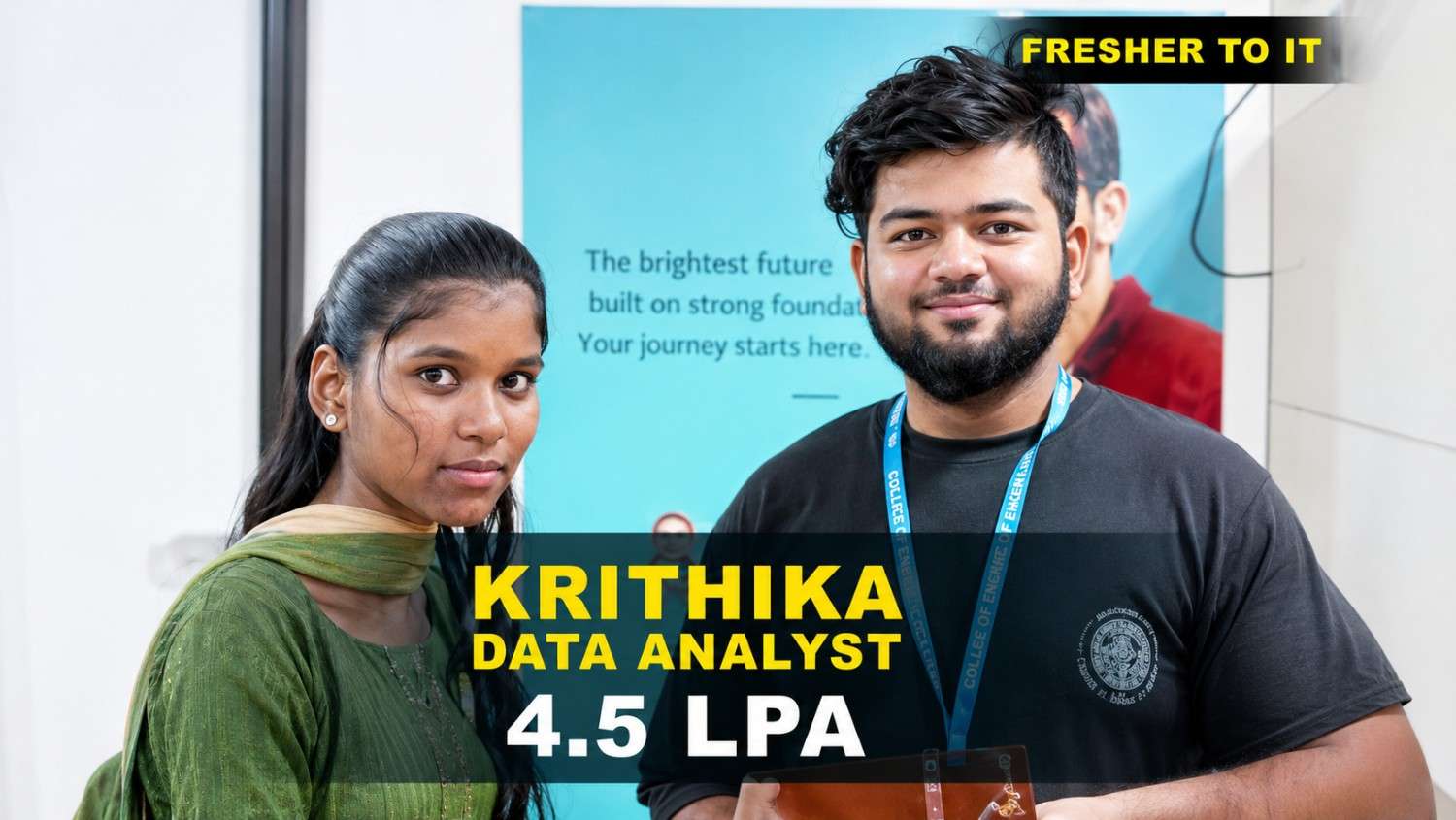
Krithika transformed her career with Linkplux and secured a Data Analyst role with a 4.5 LPA package. 🚀
#DataAnalytics
Students shared how Linkplux's practical training and live projects helped him confidently start his Digital Marketing career.
#DigitalMarketing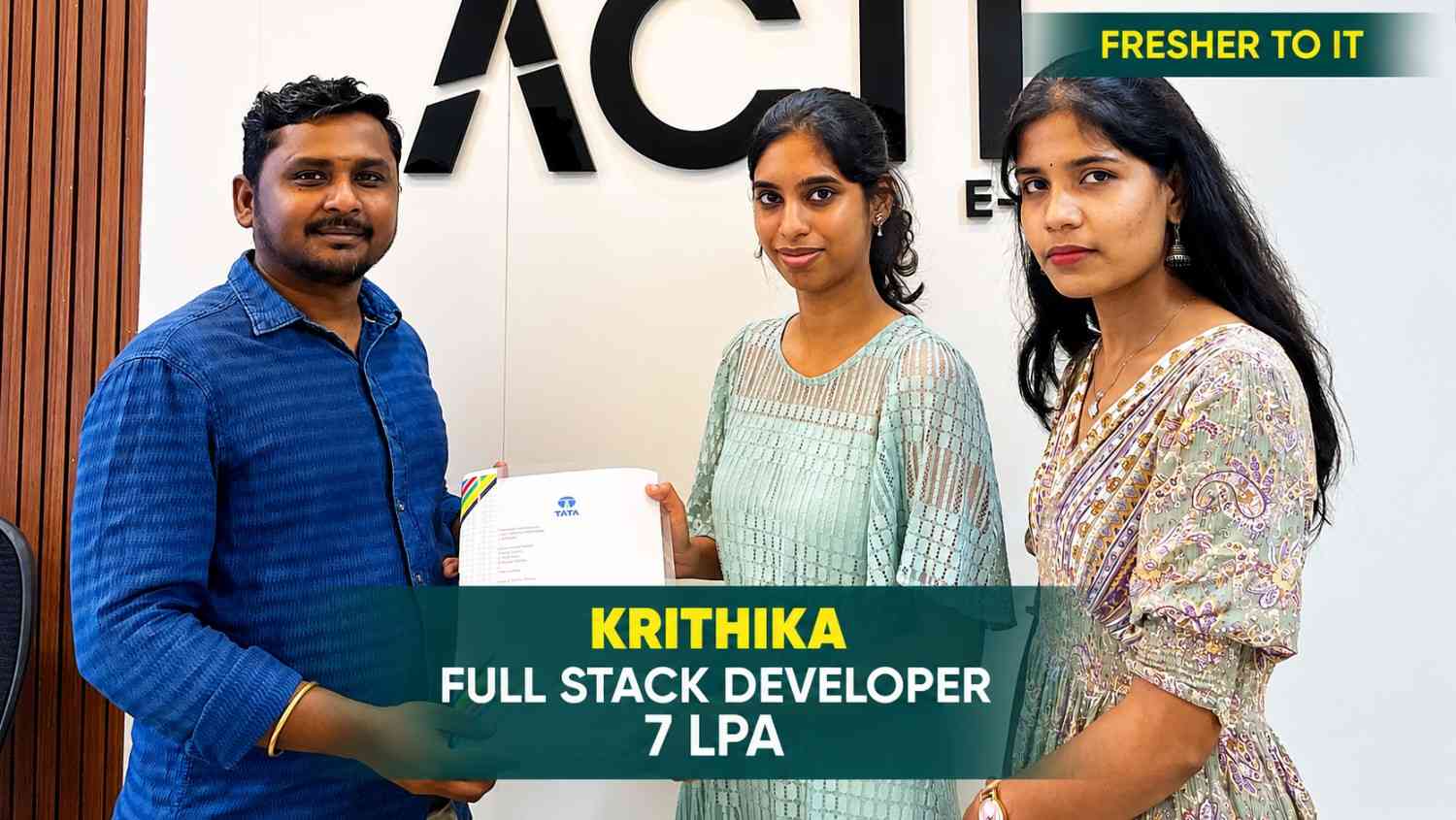
Krithika built her Full Stack Development skills at Linkplux and secured a 7 LPA Software Developer role. 🚀
#FullStackDevelopment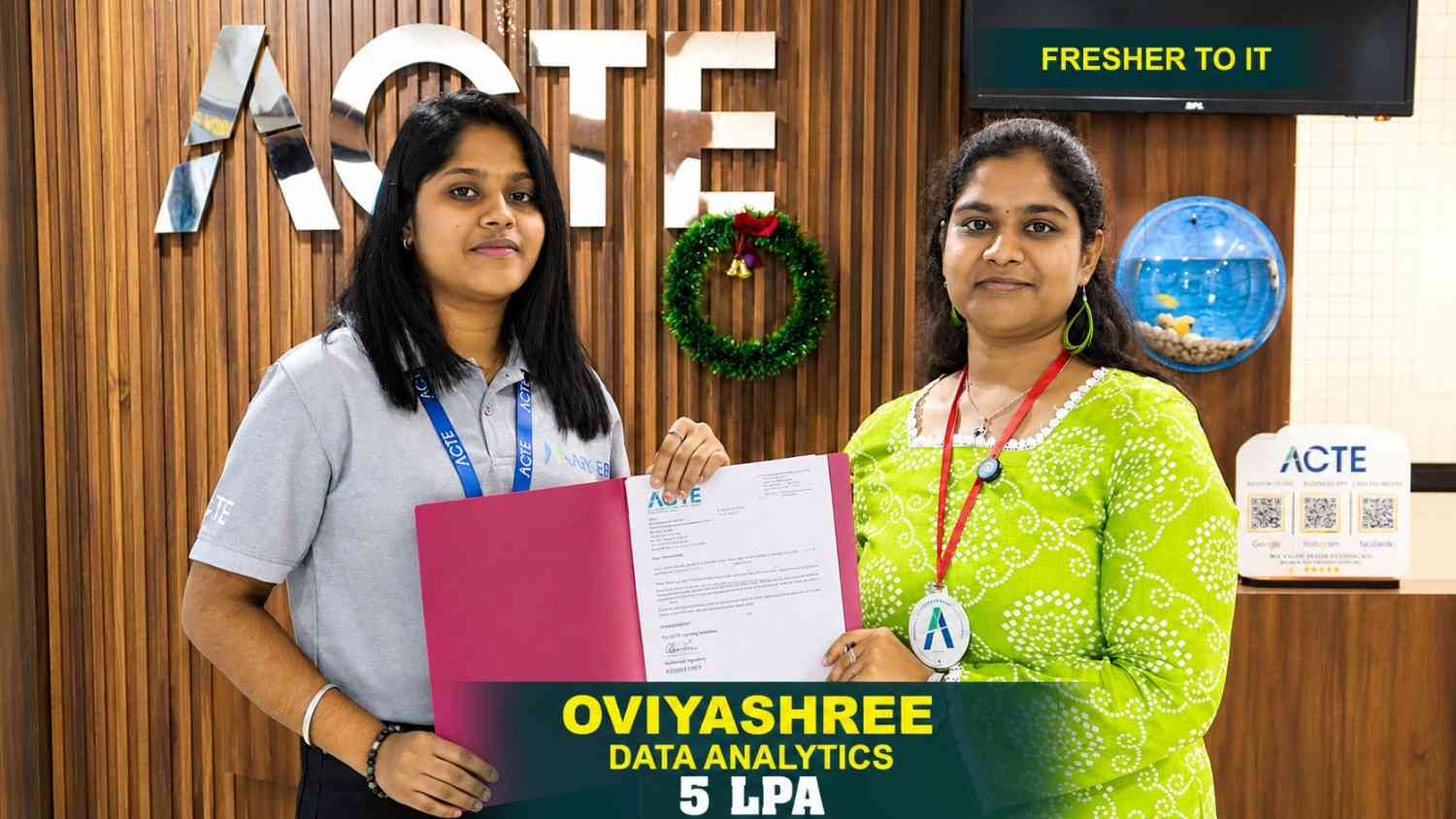
Oviya Shree developed strong Data Analytics skills at Linkplux and launched her career as a Data Analyst. 📊
#DataAnalytics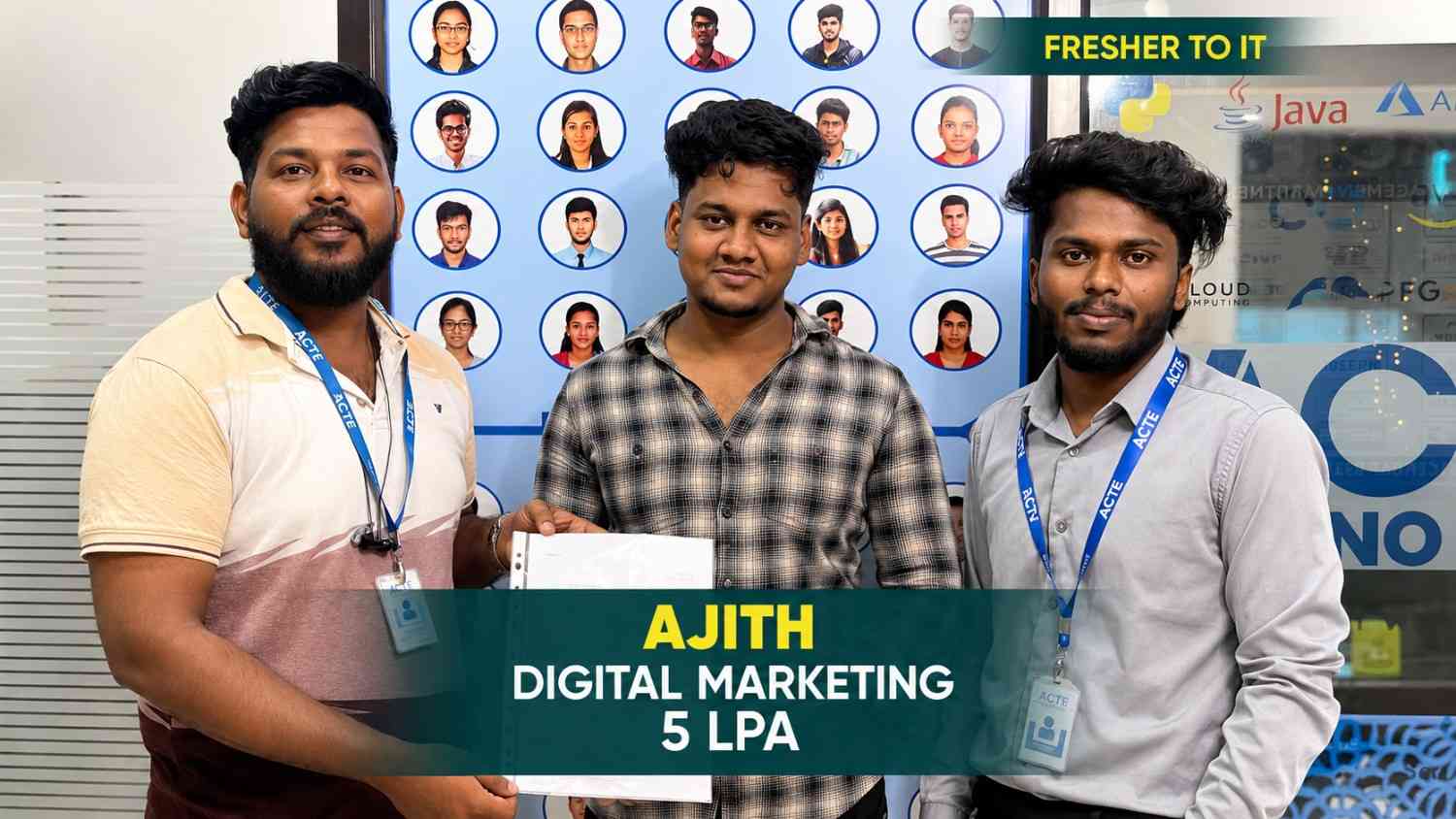
From a small town to a top tech firm, learn how our hands-on projects helped.
#Inspiration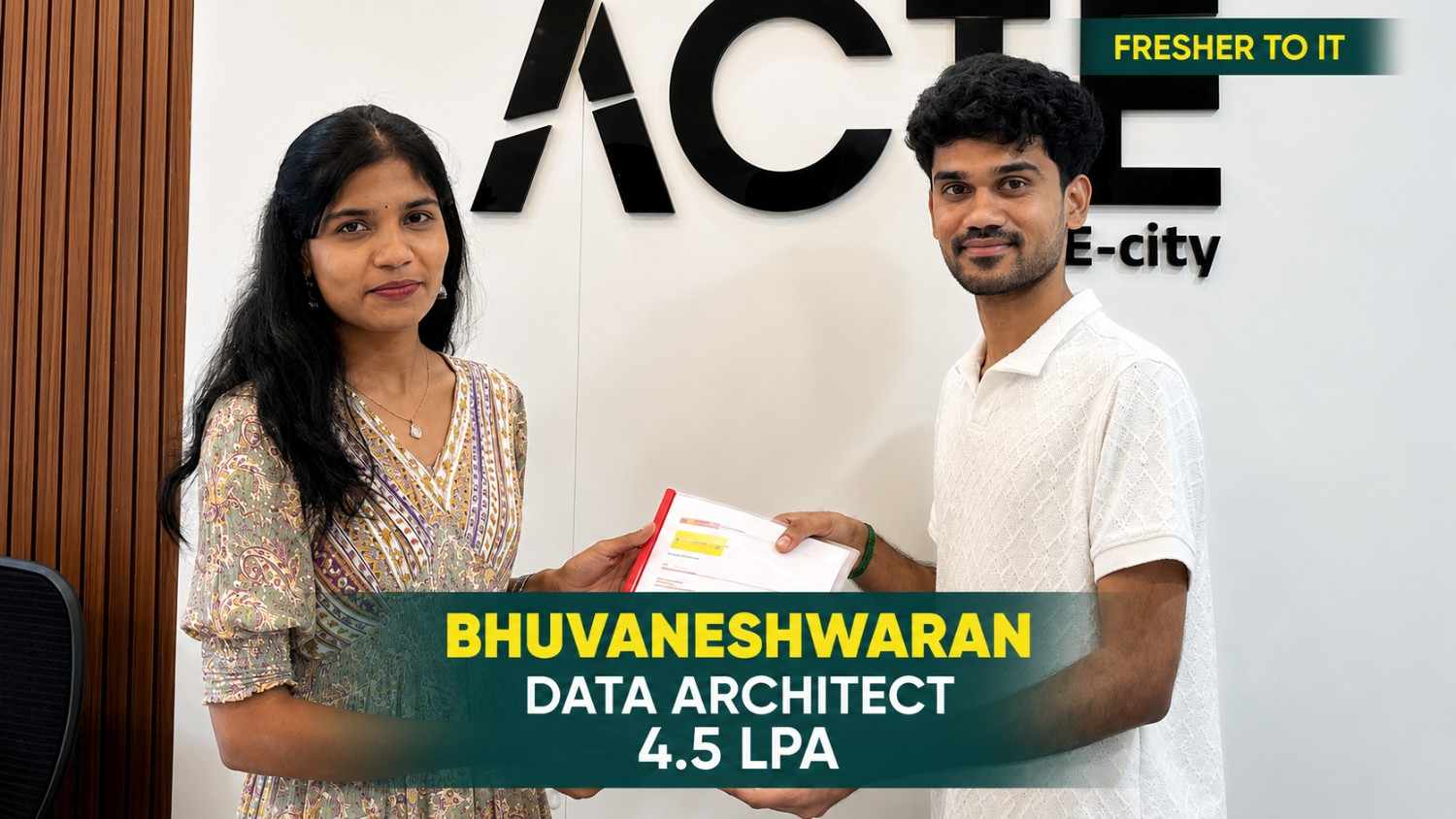
From a small town to a top tech firm, learn how our hands-on projects helped.
#Inspiration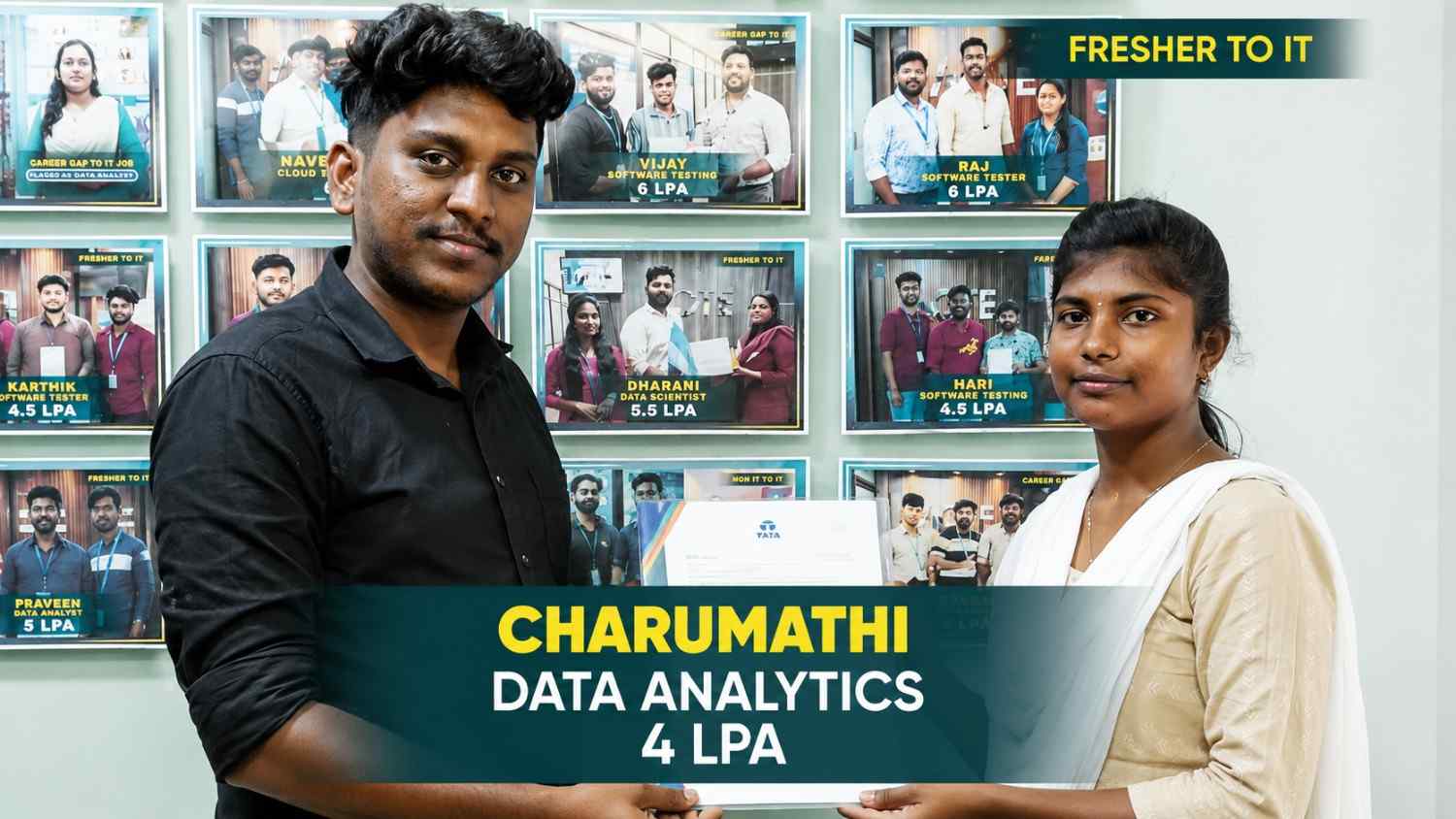
From a small town to a top tech firm, learn how our hands-on projects helped.
#Inspiration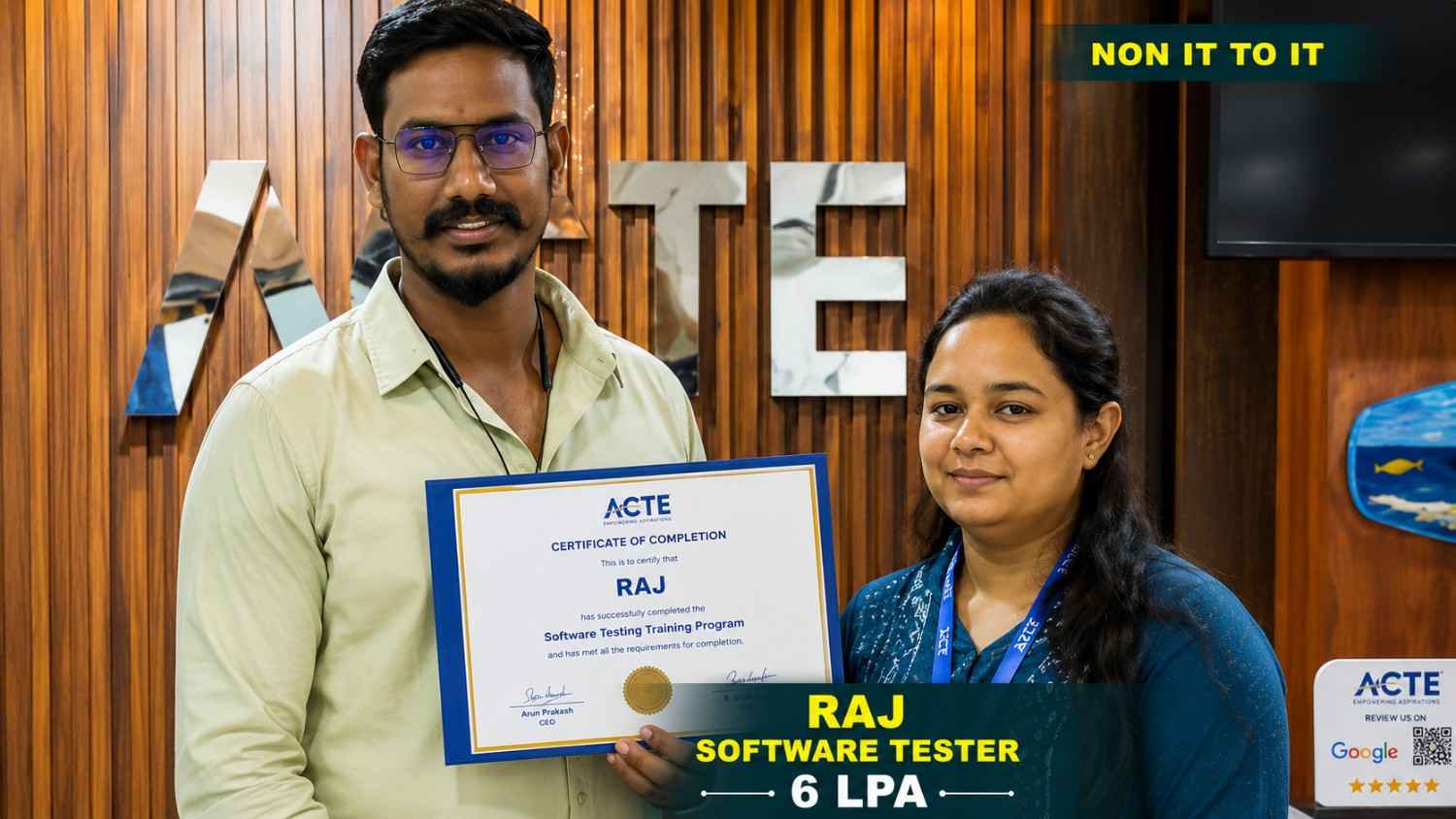
From a small town to a top tech firm, learn how our hands-on projects helped.
#Inspiration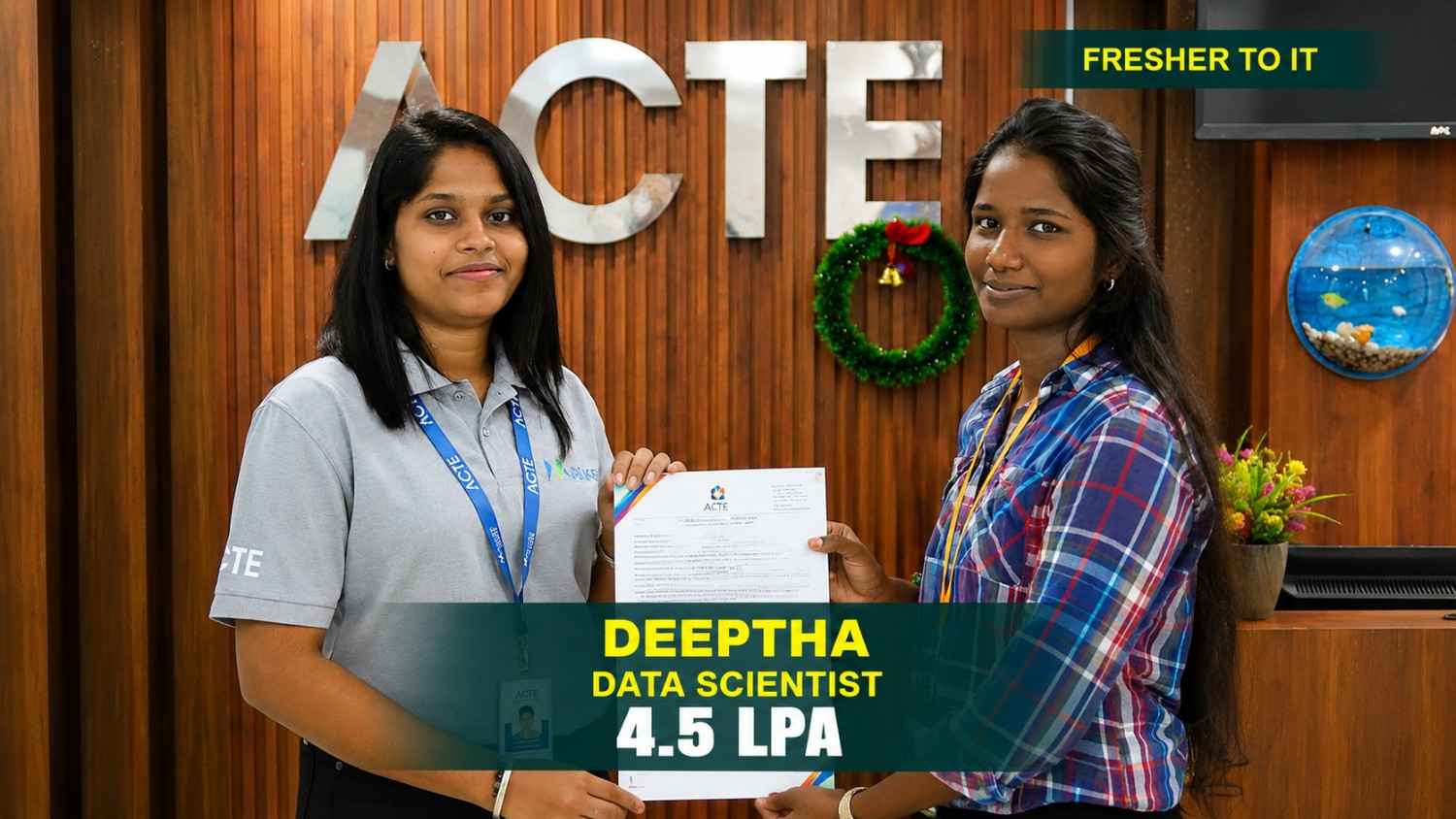
From a small town to a top tech firm, learn how our hands-on projects helped.
#Inspiration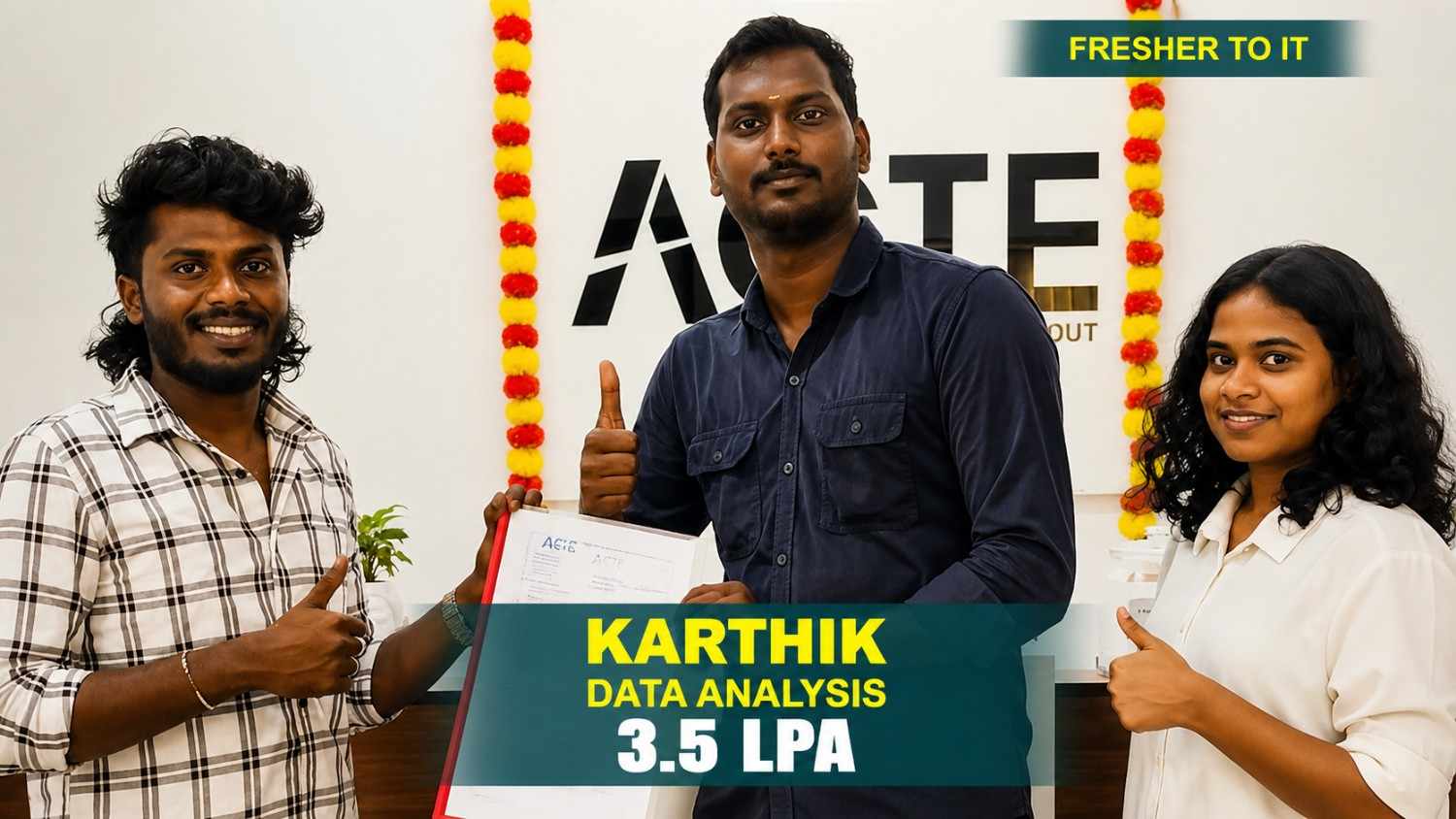
From a small town to a top tech firm, learn how our hands-on projects helped.
#InspirationEarn Industry-Oriented Gen AI
Training Certification in Sydney
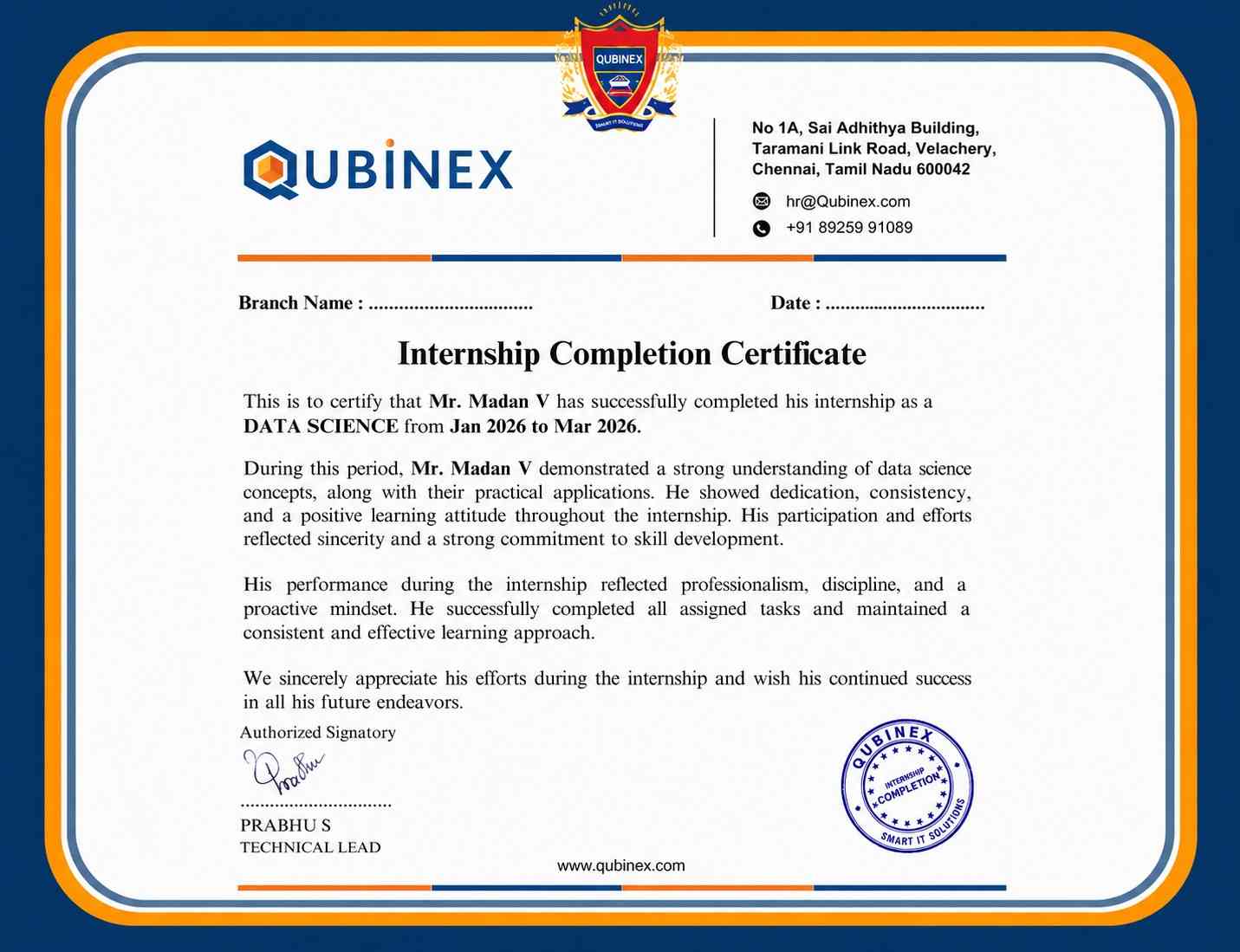
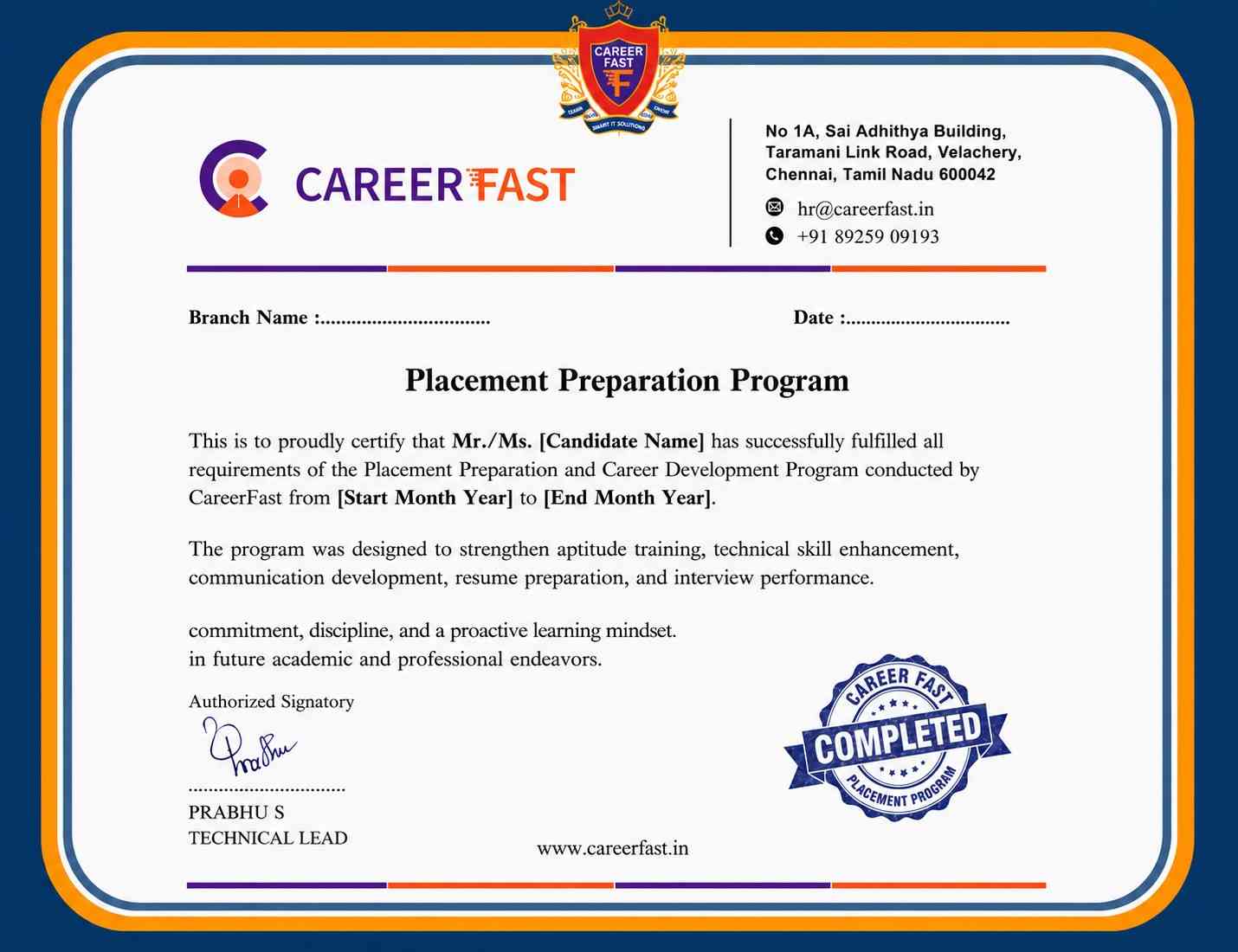
Completing Gen AI Training at Linkplux provides a certificate recognising your learning in Generative AI, Python programming, prompt engineering, Large Language Models, retrieval-augmented generation, vector databases, LangChain, autonomous agents, fine-tuning, multimodal AI, API integration, and modern application engineering. This credential can strengthen your resume, highlight practical project experience, and support applications for positions such as Generative AI Engineer, LLM Developer, Prompt Specialist, RAG Developer, AI Agent Engineer, LLMOps Specialist, and AI Software Developer.



Reviews from Our Successful Students
See how our AI-powered IT training institute has helped students succeed.

"Perfect for Beginners"
Hi, I'm Priya.S . I completed my undergraduate degree in 2021. Then I decided to change my career to the IT field. The trainers were very friendly and cleared all my doubts. My special thanks to Ashok sir for his guidance. I learned to create a website very easily. The real-time project gave me the confidence to crack the interview.

"Hands-On Learning That Built My Confidence"
The MERN Stack training at Linkplux gave me practical experience in building real-world web applications. Every concept was explained clearly with hands-on coding sessions, making it easy to understand both frontend and backend development. The trainers were supportive throughout the course, and the live projects helped me gain the confidence to attend interviews and start my career as a Full Stack Developer.

"A Perfect Start to My Digital Marketing Career"
The Digital Marketing program at Linkplux gave me the confidence to work on real-world projects and understand industry practices. The trainers explained every concept with practical examples, and the live assignments helped me improve my skills. I truly appreciate the guidance and support I received throughout the course and would recommend Linkplux to anyone looking to build a successful career in Digital Marketing.

"A Career-Changing Learning Experience"
The practical assignments and live projects at Linkplux helped me gain real-world experience in Data Analytics. The trainers explained every concept clearly and guided me throughout the learning journey. The hands-on approach boosted my confidence and prepared me for industry challenges. I highly recommend Linkplux to anyone looking to build a successful career in the IT field.