
 4.8 / 5 Rating
Powered by ACTE
Expert-Led Cybersecurity Training in Toronto, Canada
Accelerate Your Information Security Career With Industry-Focused Learning in VAPT, SOC Monitoring, SIEM Tools, and Cyber Threat Intelligence at Linkplux.
Career-Oriented Cybersecurity Training
in Toronto, Canada
Linkplux delivers hands-on Cybersecurity Training covering penetration testing, network defence, ethical hacking, security audits, malware analysis, SIEM monitoring, cloud protection, digital forensics, and incident handling. Our Cybersecurity programme combines guided lab sessions, practical assignments, and current security techniques to help beginners and IT professionals develop job-ready capabilities for the growing information security industry.
Real-Time Security Assignments
Penetration Testing & VAPT Labs
Resume & Interview Assistance

Security Portfolio Building
Industry Expert Coaching
Career Development Assistance
Cybersecurity Course Benefits
Practical Information Security Skills
Develop technical proficiency through interactive security exercises, attack simulations, network monitoring, and activities focused on essential information protection practices for professionals.
Penetration Testing & Vulnerability Analysis
Explore security testing techniques, information gathering, vulnerability scanning, exploit analysis, and industry-standard tools for detecting system weaknesses.
Professional Security Credential Support
Improve your career prospects with cybersecurity certification preparation covering security operations, threat identification, risk assessment, and defensive security concepts.
Information Security Career Assistance
Explore SOC Analyst, Cybersecurity Specialist, Security Consultant, and Network Security Engineer roles through technical training and career development support.
Industry-Based Cyber Defense Projects
Practise firewall configuration, Linux administration, vulnerability scanning, ethical hacking, SIEM monitoring, and incident detection through realistic security assignments.
Expert-Led Security Training Sessions
Study network defense strategies, operating system protection, web application security, SOC operations, digital forensics, and cloud security through structured practical classes.
Professional Security Project Portfolio
Build a demonstrable cybersecurity project collection containing security assessment reports, testing exercises, threat investigation records, and monitoring assignments.
Technical Interview Coaching
Improve cybersecurity interview confidence through penetration testing discussions, SOC investigations, simulated interviews, and job readiness sessions.
How You'll Learn
Cybersecurity Training Curriculum in Toronto, Canada
Module 1: Information Security Basics & Cyber Defense Fundamentals
- Unit 1: Introduction to Cybersecurity, Information Assets, Online Threats and Core Protection Principles
- Unit 2: CIA Triad, Security Risks, Attack Vectors, Weakness Assessment and Protective Measures
- Unit 3: Network Architecture, TCP/IP, IP Subnetting, Ports, Communication Standards and Infrastructure Devices
- Unit 4: DNS, DHCP, HTTP, HTTPS, FTP, SSH, SMTP Services and Network Intrusion Techniques
- Unit 5: User Authentication, Access Authorization, Identity Governance, MFA and Account Protection
Tools explored in this Module: Wireshark, Cisco Packet Tracer, Nmap, Linux, Windows
Module 2: Linux Systems, Windows Administration & Endpoint Security
- Unit 1: Managing Linux Environments, Directories, User Accounts, Permissions and System Processes
- Unit 2: Operating Kali Linux, Installing Packages, Shell Commands and Built-In Security Applications
- Unit 3: Configuring Windows Protection, Active Directory, Group Policy and Account Privileges
- Unit 4: Applying OS Hardening, Security Updates, Configuration Audits and Endpoint Safeguards
- Unit 5: Examining System Logs, Background Services, Running Tasks and Host-Based Threat Detection
Tools explored in this Module: Kali Linux, Ubuntu, Windows Server, PowerShell, Sysinternals
Module 3: Ethical Hacking Methods, Information Gathering & Security Testing
- Unit 1: Understanding Ethical Hacking Processes, Testing Authorization, Compliance and Legal Responsibilities
- Unit 2: Conducting OSINT Research, Digital Footprinting, Reconnaissance and Target Profiling
- Unit 3: Performing Network Mapping, Port Enumeration, Service Analysis and Weakness Discovery
- Unit 4: Studying Exploitation Concepts, Privilege Escalation, Post-Testing Activities and Security Verification
- Unit 5: Preparing Penetration Testing Reports, Documenting Evidence, Assessing Risks and Suggesting Corrections
Tools explored in this Module: Nmap, Metasploit, Gobuster, Nikto, Netcat, Kali Linux
Module 4: Website Protection, API Testing & Mobile Application Defense
- Unit 1: Studying Web Architecture, HTTP Requests, Session Handling, Cookies and Application Safeguards
- Unit 2: Examining OWASP Top 10, Login Security, Permission Management, Access Restrictions and Session Protection
- Unit 3: Identifying SQL Injection, XSS, CSRF, SSRF, Unsafe File Uploads and Application-Level Threats
- Unit 4: Testing REST APIs, JWT Authentication, OAuth Protocols, Request Limits and Endpoint Permissions
- Unit 5: Reviewing Mobile Application Risks, Protected Storage, API Connections and App Security Testing
Tools explored in this Module: Burp Suite, OWASP ZAP, Postman, SQLMap, MobSF, Kali Linux
Module 5: Security Auditing, Vulnerability Scanning & VAPT Methodologies
- Unit 1: Performing Vulnerability Audits, Asset Mapping and Automated Security Checks
- Unit 2: Analysing CVEs, CVSS Scores, Exposure Levels, Risk Priorities and Incorrect Findings
- Unit 3: Assessing Network Infrastructure, Web Applications, APIs and Enterprise Systems
- Unit 4: Applying Penetration Testing Procedures, Confirming Findings, Fixing Weaknesses and Retesting
- Unit 5: Producing VAPT Documents, Management Summaries, Technical Observations and Security Improvement Plans
Tools explored in this Module: Nessus, OpenVAS, Nmap, Burp Suite, Nikto, OWASP ZAP
Module 6: Enterprise Network Protection, SOC Monitoring & SIEM Analysis
- Unit 1: Designing Network Defense, Firewall Policies, Proxy Servers, VPN Connections and Segmentation
- Unit 2: Configuring IDS, IPS, Endpoint Detection, Network Traffic Analysis and Event Monitoring
- Unit 3: Understanding Security Operations Centres, Analyst Responsibilities, Alert Triage and Incident Classification
- Unit 4: Implementing SIEM Log Ingestion, Event Correlation, Detection Logic and Monitoring Dashboards
- Unit 5: Investigating Suspicious Activities, Prioritising Alerts, Escalating Incidents and Maintaining SOC Records
Tools explored in this Module: Splunk, Wazuh, ELK Stack, Microsoft Sentinel, Wireshark, Snort
Module 7: Cyber Threat Research & Digital Evidence Analysis
- Unit 1: Analysing Threat Intelligence, Indicators of Compromise, Attack Patterns and Adversary Profiles
- Unit 2: Applying MITRE ATT&CK, Mapping Intrusion Techniques and Developing Detection Strategies
- Unit 3: Investigating Malicious Software, Static Examination, Behaviour Analysis and Infection Patterns
- Unit 4: Collecting Digital Evidence, Preserving Data, Examining Memory and Reconstructing Incident Timelines
- Unit 5: Detecting Phishing Campaigns, Ransomware, Account Compromise and Business Email Fraud
Tools explored in this Module: MITRE ATT&CK, VirusTotal, Autopsy, Volatility, FTK Imager, Wireshark
Module 8: AWS Security, Azure Protection, Zero Trust & DevSecOps Practices
- Unit 1: Exploring Cloud Protection Models, Shared Security Duties and Infrastructure Risks
- Unit 2: Securing AWS and Azure Environments, IAM Policies, MFA, User Roles and Privileged Accounts
- Unit 3: Protecting Cloud Networks, Virtual Private Clouds, Encryption Keys and Storage Resources
- Unit 4: Implementing Zero Trust Principles, Minimum Access Permissions and Continuous Identity Verification
- Unit 5: Integrating DevSecOps, Pipeline Protection, Secret Handling, SAST, DAST, SCA and Software Integrity
Tools explored in this Module: AWS, Microsoft Azure, IAM, Docker, GitHub Actions, OWASP ZAP, Trivy
Module 9: AI-Powered Security, Advanced Capstone Assignments
- Unit 1: Applying Artificial Intelligence to Threat Identification, Security Analytics and Response Automation
- Unit 2: Reviewing Generative AI Risks, Confidential Data Leakage, Model Vulnerabilities and Responsible AI Controls
- Unit 3: Developing Detection Rules, Automated Security Workflows, SOAR Processes and Incident Responses
- Unit 4: Practising Threat Hunting, Cyber Resilience and Enterprise-Level Defense Planning
- Unit 5: Completing Integrated Security Projects, SOC Case Investigations and Professional Portfolio Activities
Tools explored in this Module: Python, Wazuh, MITRE ATT&CK, Generative AI Tools
Let's Get Started
Skills Covered
Industry-Ready Cybersecurity Tools You'll Master in Toronto, Canada
Ethical Hacking & Penetration Testing Tools "Practice Modern Penetration Testing, Network Reconnaissance, Vulnerability Discovery & Security Assessment"






Network Security & Traffic Analysis Tools "Analyze Network Traffic, Detect Suspicious Activity, Investigate Packets & Strengthen Infrastructure Security Through Practical Network Defense"

SOC & SIEM Tools "Develop Security Operations Skills Through Log Monitoring, Event Correlation, Threat Detection, Alert Investigation & Incident Triage"


Endpoint Security & Threat Detection Tools "Learn Modern Endpoint Protection, Behavioral Detection, Threat Investigation & Automated Response Across Enterprise Devices"


Threat Intelligence & Digital Forensics Tools "Investigate Security Incidents, Analyze Digital Evidence, Study Threat Intelligence & Map Adversary Behavior Across Realistic Scenarios"


Cloud & Identity Security Tools "Build Cloud Security Expertise Through Identity Protection, Access Management, Workload Security, Monitoring & Zero Trust Practices"


Eligibility & Criteria
Everything you need to know to join and qualify for placement.
Who Can Apply?
Eligibility Year of Passing
2018 and After
Graduates
Any Graduate / Diploma
Academic Percentage
Min 60%
Placement Eligibility
Attendance
Min 90%
Assessment Marks
Min 75%
Live Projects
100% Completion
How Cybersecurity Training in Toronto, Canada
Can Shape Your Professional Future
Cybersecurity plays a vital role in helping businesses secure digital infrastructure, sensitive data, online services, and IT environments. Through Cybersecurity Training in Toronto, Canada, participants can build practical knowledge of ethical hacking, network security, penetration testing, vulnerability management, SOC operations, cloud protection, threat analysis, and incident management.
Rising Demand for Skilled Cybersecurity Experts
Career Options in Diverse Information Security Fields
Roles in SOC Analysis, Security Engineering & Penetration Testing
Employment Scope in Finance, Healthcare & Technology
Career Advancement with New Cyber Defense Skills
Discover Cybersecurity Career Roles and Annual Salary Packages in Toronto, Canada
Security Monitoring & Beginner-Level Cybersecurity Jobs
- Cybersecurity Intern
- Entry-Level SOC Analyst
- Junior Information Security Specialist
- Security Operations Technician
- IT Protection Support Associate
- Network Defense Analyst
Ethical Hacking, Vulnerability Testing & Penetration Security
- Junior Ethical Hacker
- Testing Consultant
- Vulnerability Management Analyst
- Cybersecurity Specialist
- VAPT Professional
- Red Team Security Analyst
Incident Investigation & Corporate Network Defense
- Cyber Defense Engineer
- Incident Response Specialist
- Network Security Engineer
- Threat Monitoring Specialist
- Digital Forensics Investigator
- SOC Security Operations Analyst
Cloud Infrastructure & Software Application Protection
- Cloud Security Engineer
- Software Application Security Analyst
- DevSecOps Engineer
- API Security Specialist
- Cloud Defense Consultant
- Application Security Engineer
Cyber Threat & Security Solutions
- Threat Intelligence Researcher
- Cyber Threat Specialist
- Security Detection Developer
- Security Automation Engineer
- Malware Research Analyst
- Cybersecurity Research Specialist
Enterprise Security Architecture & Executive Leadership
- Cybersecurity Architect
- Security Director
- Assurance Manager
- Cloud Security Architect
- Cyber Risk Management Consultant
- Chief Security Officer
Cybersecurity Career Progression Guide
- Security Technician
- Junior Analyst
- Cybersecurity Associate
- Penetration Tester
- Vulnerability Analyst
- SOC Engineer
- Network Engineer
- Forensics Investigator
- Threat Researcher
- Security Architect
- Cybersecurity Manager
- Security Director
Our Alumni Work at




















Success Stories from Our Students
See how Linkplux's IT training programs have helped students land top jobs through hands-on learning and expert guidance.

Trilochana found her path with Linkplux and landed the dream job.
#Datascience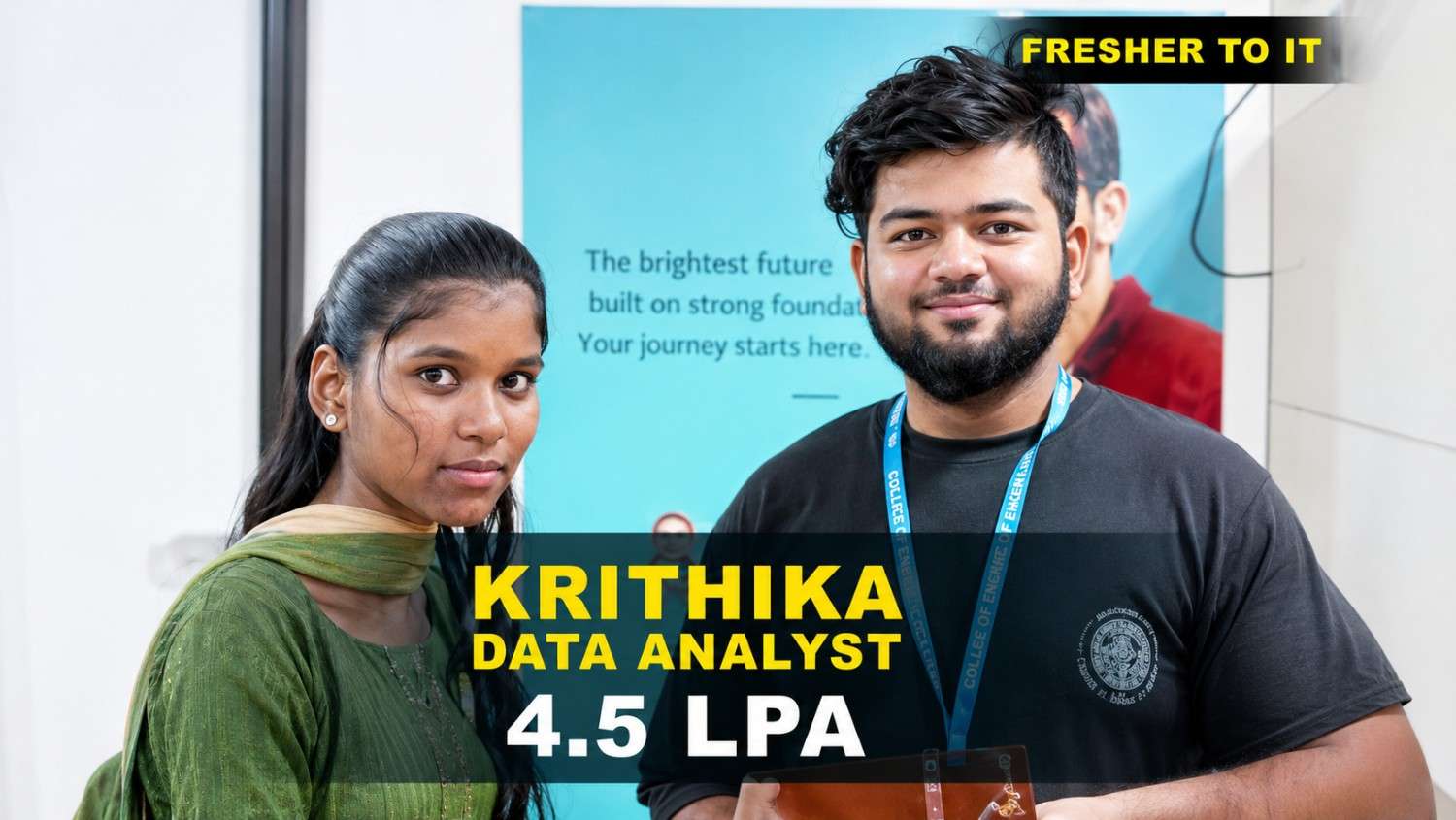
Krithika transformed her career with Linkplux and secured a Data Analyst role with a 4.5 LPA package. 🚀
#DataAnalytics
Students shared how Linkplux's practical training and live projects helped him confidently start his Digital Marketing career.
#DigitalMarketing
Krithika built her Full Stack Development skills at Linkplux and secured a 7 LPA Software Developer role. 🚀
#FullStackDevelopment
Oviya Shree developed strong Data Analytics skills at Linkplux and launched her career as a Data Analyst. 📊
#DataAnalytics
From a small town to a top tech firm, learn how our hands-on projects helped.
#Inspiration
From a small town to a top tech firm, learn how our hands-on projects helped.
#Inspiration
From a small town to a top tech firm, learn how our hands-on projects helped.
#Inspiration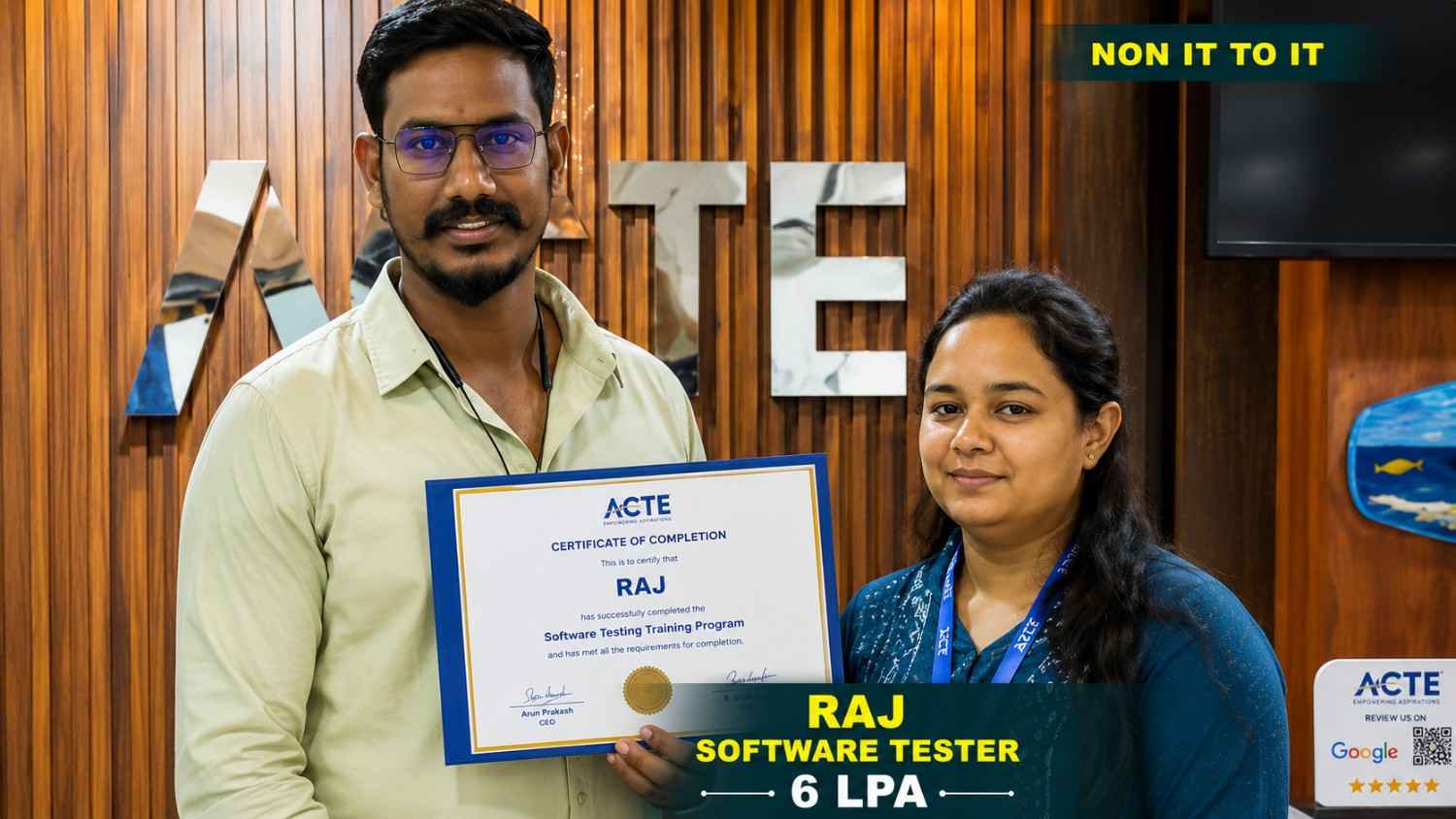
From a small town to a top tech firm, learn how our hands-on projects helped.
#Inspiration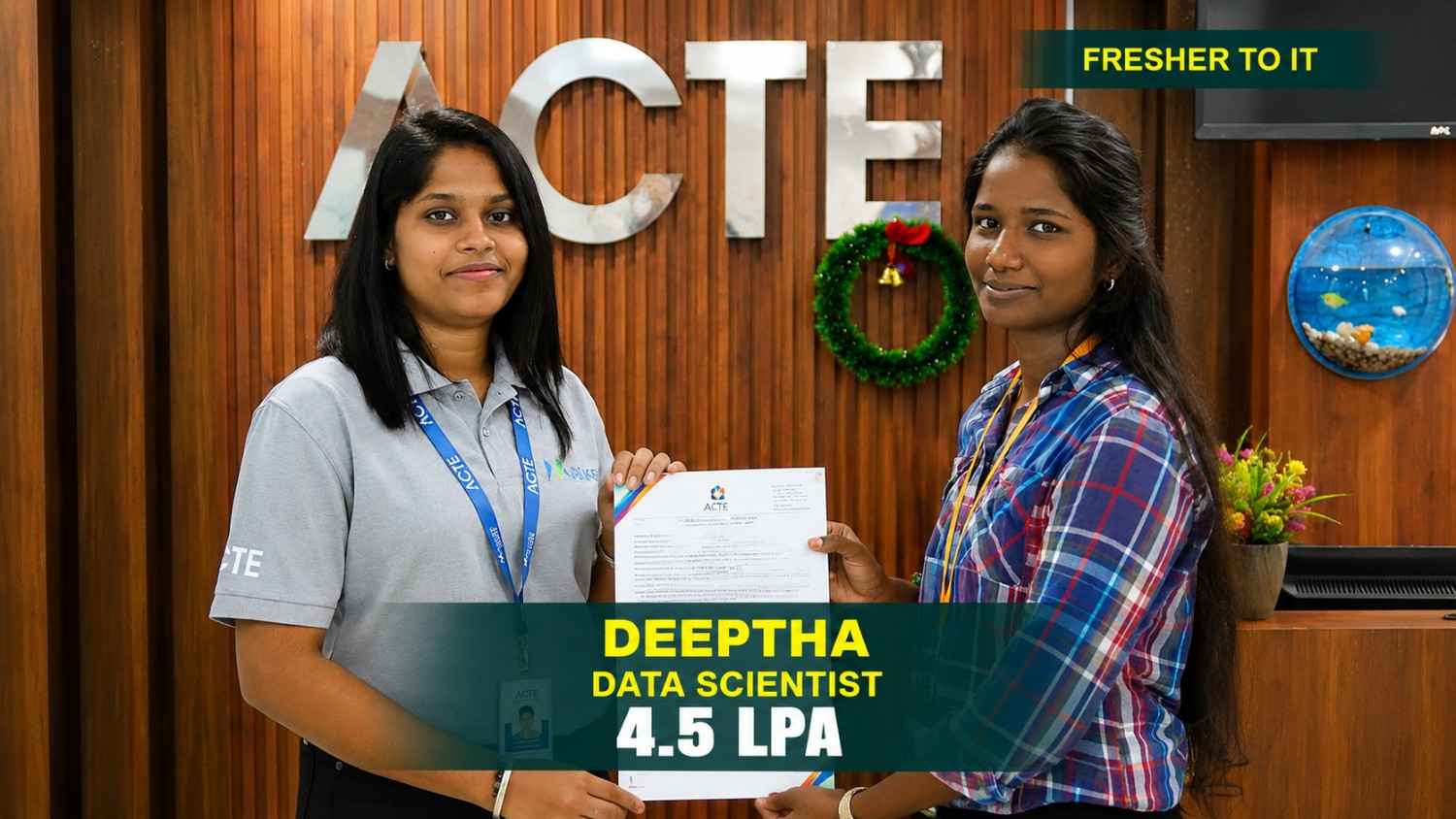
From a small town to a top tech firm, learn how our hands-on projects helped.
#Inspiration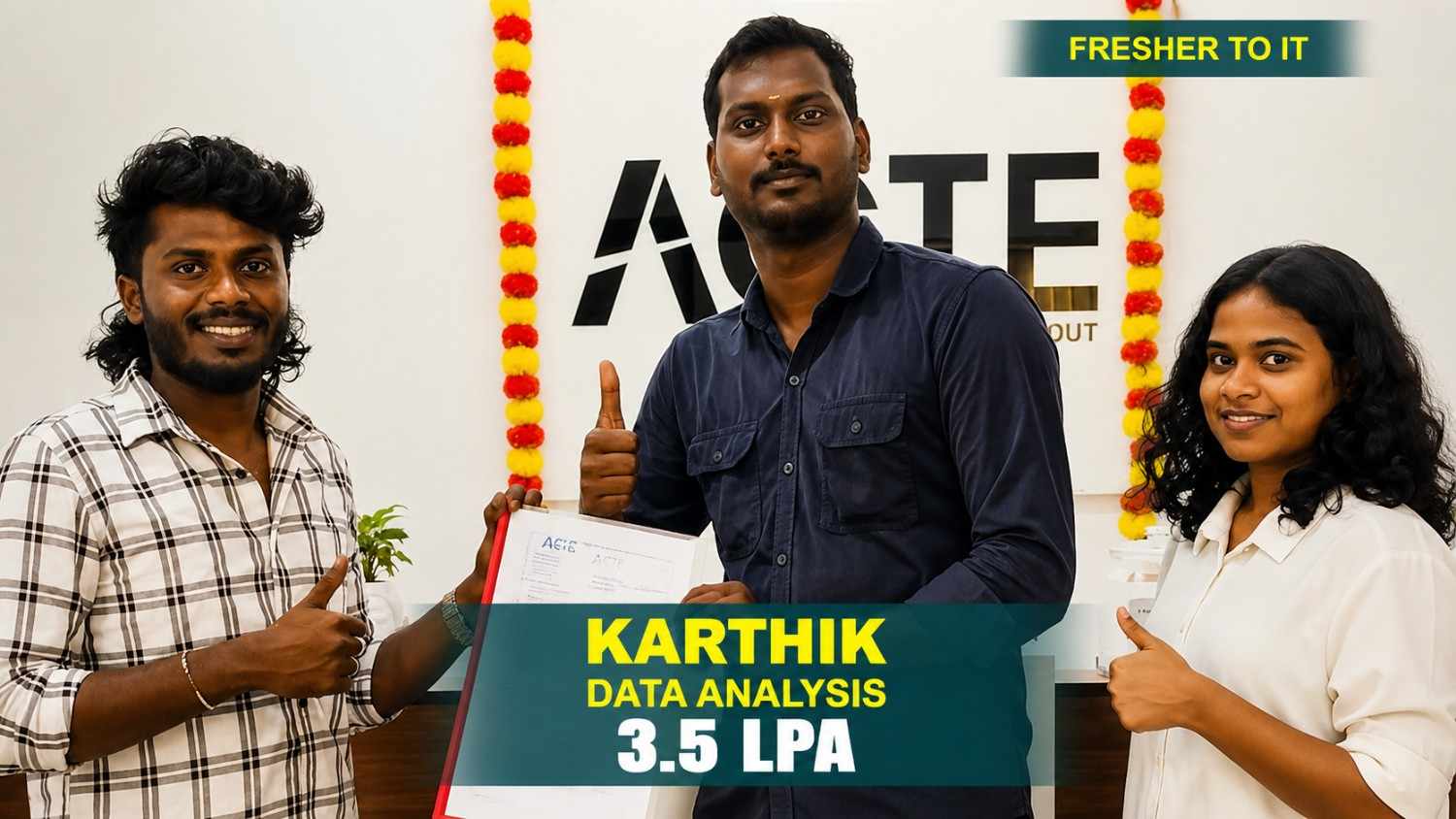
From a small town to a top tech firm, learn how our hands-on projects helped.
#InspirationAchieve Your Cybersecurity Training
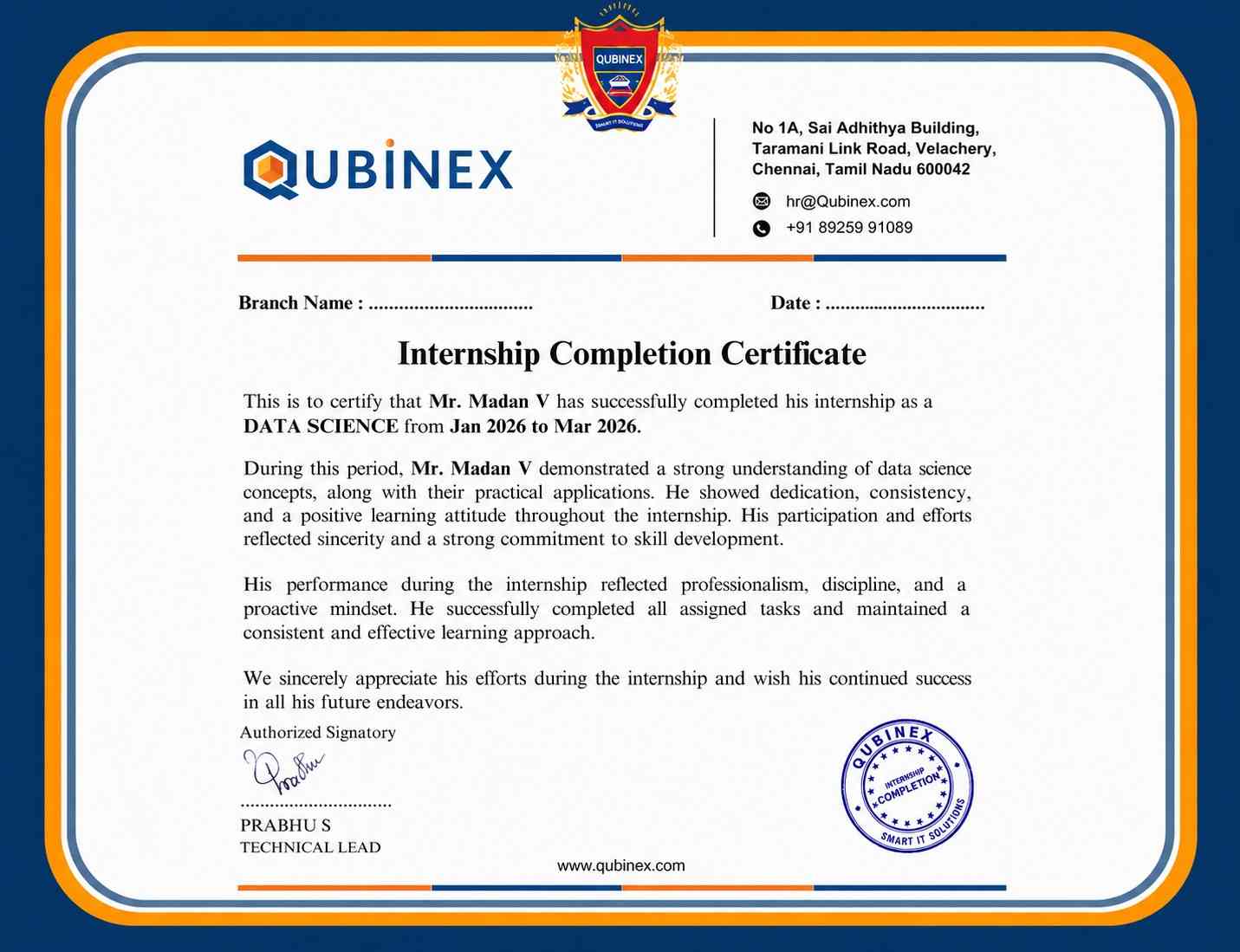
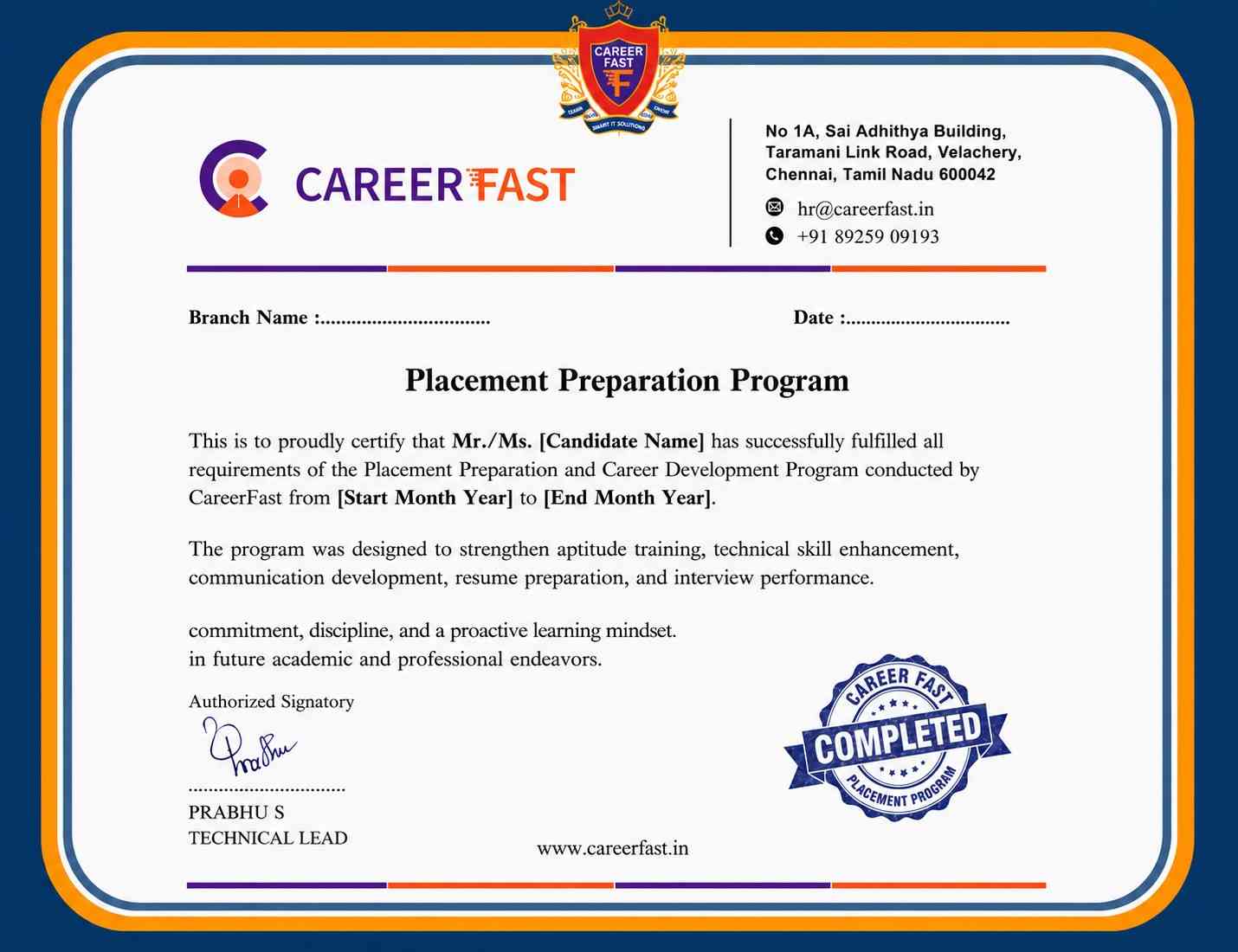
Certificate in Toronto, Canada
Completing Cybersecurity Training at Linkplux provides a course completion certificate highlighting your learning in network defense, ethical hacking, vulnerability scanning, penetration testing, SOC monitoring, cloud protection, and security incident handling. It adds value to your professional portfolio, showcases practical information security knowledge, and supports your preparation for roles such as Cybersecurity Analyst, SOC Analyst, Penetration Tester, Security Engineer, or Information Security Specialist in Toronto, Canada.




Reviews from Our Successful Students
See how our AI-powered IT training institute has helped students succeed.

"Perfect for Beginners"
Hi, I'm Priya.S . I completed my undergraduate degree in 2021. Then I decided to change my career to the IT field. The trainers were very friendly and cleared all my doubts. My special thanks to Ashok sir for his guidance. I learned to create a website very easily. The real-time project gave me the confidence to crack the interview.

"Hands-On Learning That Built My Confidence"
The MERN Stack training at Linkplux gave me practical experience in building real-world web applications. Every concept was explained clearly with hands-on coding sessions, making it easy to understand both frontend and backend development. The trainers were supportive throughout the course, and the live projects helped me gain the confidence to attend interviews and start my career as a Full Stack Developer.

"A Perfect Start to My Digital Marketing Career"
The Digital Marketing program at Linkplux gave me the confidence to work on real-world projects and understand industry practices. The trainers explained every concept with practical examples, and the live assignments helped me improve my skills. I truly appreciate the guidance and support I received throughout the course and would recommend Linkplux to anyone looking to build a successful career in Digital Marketing.

"A Career-Changing Learning Experience"
The practical assignments and live projects at Linkplux helped me gain real-world experience in Data Analytics. The trainers explained every concept clearly and guided me throughout the learning journey. The hands-on approach boosted my confidence and prepared me for industry challenges. I highly recommend Linkplux to anyone looking to build a successful career in the IT field.