
Powering Digital Growth for Businesses Across Industries



















Our Success Stories







Why Partner With LinkPlux?
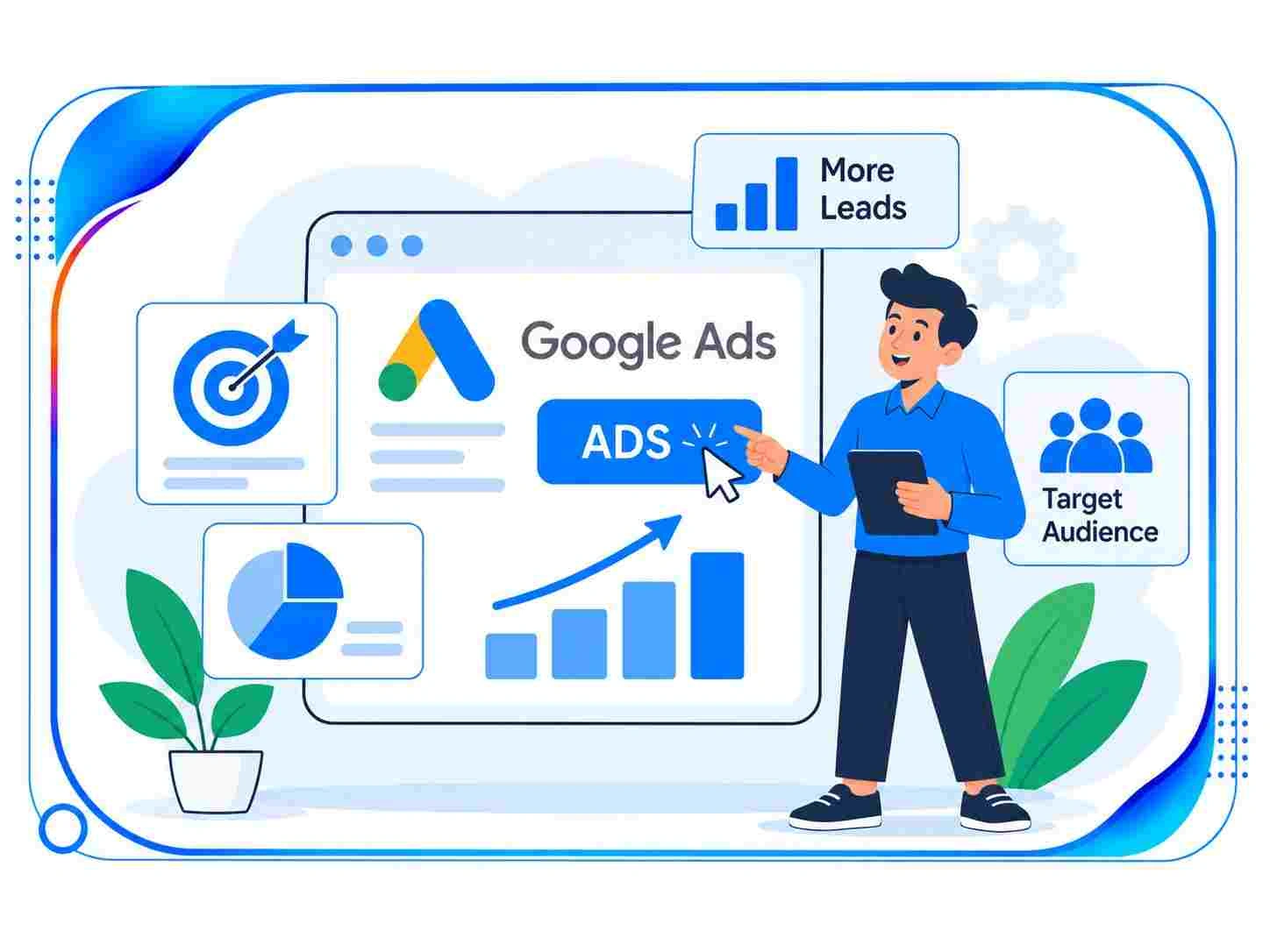
LinkPlux delivers tailored Google Ads solutions for London businesses looking to generate more enquiries, sales, and measurable returns. We combine market research, search intent analysis, ad messaging, and strategic campaign planning to reach potential customers at the right moment. From account setup to performance optimisation, we focus on improving advertising efficiency and helping your business compete online.
Strategic Search Term Analysis
Custom Advertising Solutions
Dedicated PPC Specialists

Focused Ad Destinations
Clear Campaign Insights
Continuous PPC Improvements
What Makes Linkplux The Best Google Ads Marketing Agency in London, UK?
What Our Clients Say About Us
LinkPlux Google Ads Marketing FAQs
London Google Ads FAQs + more
A Google Ads marketing agency helps businesses reach potential customers through strategically planned paid advertising campaigns. This may include researching search terms, understanding customer intent, developing campaign structures, writing advertisements, selecting audiences, configuring conversion tracking, and monitoring account activity. With a well-planned approach, businesses in London can promote their products or expertise to relevant prospects, increase website visits, encourage enquiries, and create more opportunities to generate revenue.
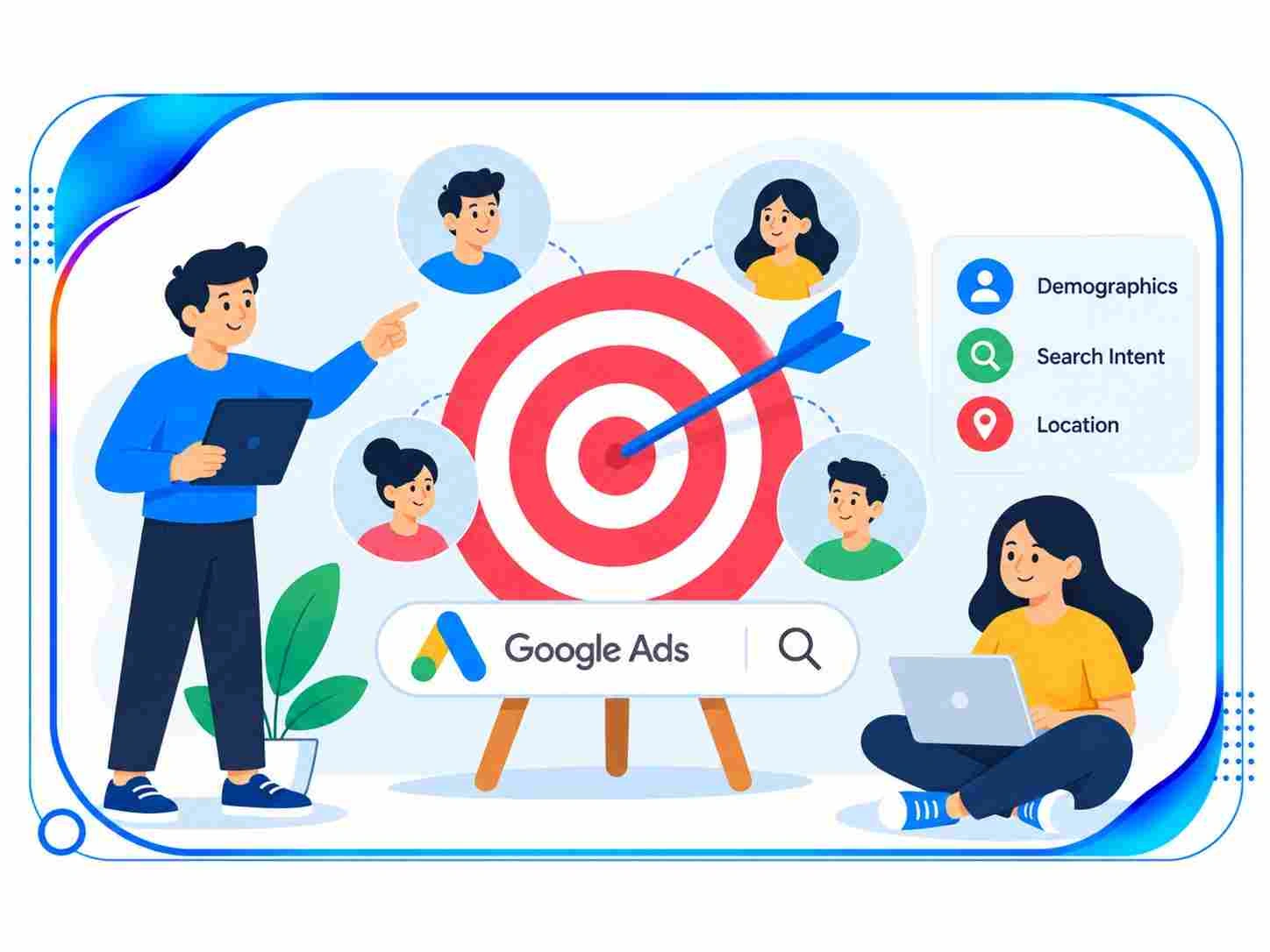
Google Ads allows businesses to display relevant promotions when people search for products, professional assistance, or solutions they need. Advertisers can tailor campaigns around search terms, boroughs, service areas, customer interests, and business objectives. By combining engaging ad messages with relevant website pages and properly configured tracking, businesses can connect with prospective buyers, encourage enquiries, and reach audiences across London who are more likely to be interested in their offerings.
Businesses can advertise through several Google channels, such as Search, Display, Shopping, Performance Max, YouTube, and remarketing. Depending on their objectives, campaigns may include search-term planning, audience development, responsive advertisements, product feeds, bidding configurations, conversion tracking, and landing-page improvements. Choosing the right advertising mix depends on the type of business, products or offerings being promoted, customer preferences, competitive activity, and available investment.
Conventional advertising often reaches large audiences through newspapers, magazines, billboards, radio, or television, whereas Google Ads can focus on users based on their searches, location preferences, interests, and online activity. Digital campaigns also provide measurable data, allowing advertisers to review website visits, customer enquiries, transactions, and spending. This visibility gives businesses greater flexibility to adjust their advertising approach according to audience response and commercial priorities.
Paid search advertising can help growing companies introduce their products and expertise to people actively exploring relevant options. Campaigns may be used to increase awareness, promote individual offerings, bring visitors to a website, collect enquiries, or support online purchases. Businesses can adapt their campaign priorities, targeting settings, and expenditure as their goals evolve, while using performance information to identify promising opportunities and make more informed marketing choices.
No advertising campaign can reliably promise a predetermined volume of leads, sales, or revenue. Results are influenced by search demand, competition, auction prices, customer intent, the quality of advertisements, website experience, product pricing, and other market conditions. Our focus is on building campaigns around realistic objectives, tracking valuable actions, reviewing search activity, improving targeting, and testing different approaches to enhance performance over time.
Absolutely. Smaller companies and newly established brands can use Google Ads by setting clear marketing goals, concentrating on relevant search terms, choosing suitable locations, and allocating a budget they can manage comfortably. Rather than targeting everyone, campaigns can prioritise specific products, customer needs, and areas of London. Regular account reviews help identify effective advertising activity, eliminate unnecessary expenditure, and determine when additional investment may be worthwhile.
Having campaigns handled by experienced professionals can provide a structured approach to planning, targeting, advertising development, budget allocation, and performance monitoring. This may include analysing search queries, excluding irrelevant terms, testing ad variations, improving landing pages, evaluating bidding methods, and measuring customer actions. Detailed reporting and regular account assessments help businesses understand how their advertising investment is being used and where adjustments could create better opportunities.
We begin by learning about your business model, products, target customers, growth ambitions, and the areas you wish to reach. Our research then considers search demand, competing advertisers, customer needs, existing campaign data, and website performance. This information helps us create a tailored plan with appropriate advertising groups, relevant messaging, location preferences, budget priorities, conversion goals, and measurement settings that reflect your business requirements.
Evaluate the provider's advertising knowledge, relevant project experience, understanding of your market, reporting practices, and ability to explain its campaign decisions. Find out how it handles keyword selection, search-term exclusions, conversion tracking, creative testing, budget control, and ongoing optimisation. It is also important to establish clear communication, access to your advertising account, transparency around fees, and a reporting process that lets you understand campaign progress and results.
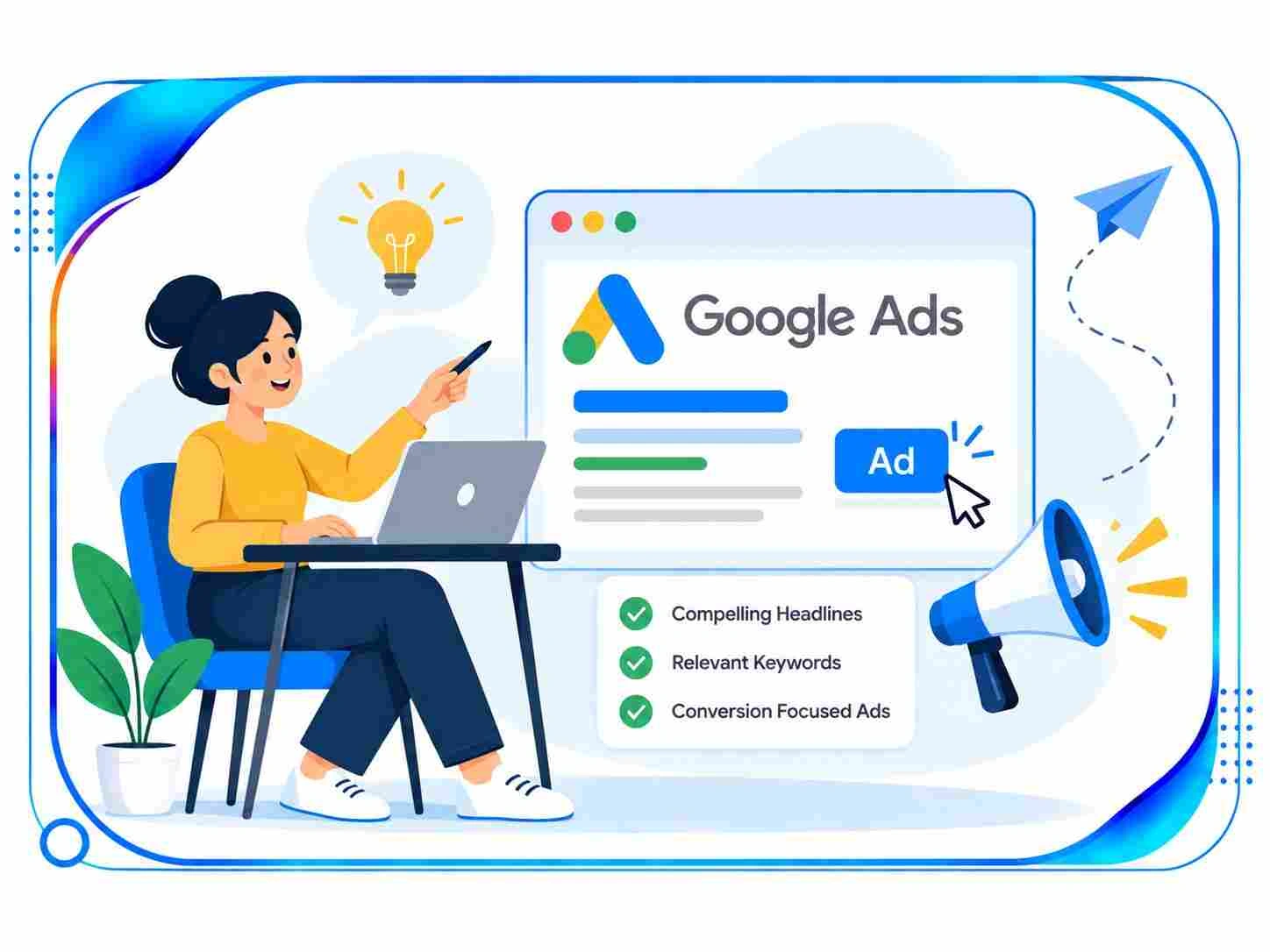
Advertising across Google's network can help introduce your brand to audiences searching for related products, businesses, or solutions. Campaigns can be configured using relevant search phrases, geographic preferences, customer interests, and suitable ad formats to increase exposure among potential buyers. Strong creative content, informative website pages, and clear next steps can encourage users to learn about your business, explore your offerings, and move towards contacting you or making a purchase.
Our keyword research process explores the phrases people use when looking for relevant products, businesses, and solutions. We assess search intent, wording variations, location-related queries, competitive activity, potential traffic, and estimated advertising expenditure. Selected terms are organised according to their relevance and purpose, while match types and negative keywords help control the searches that trigger ads. This creates a more focused connection between customer searches, advertising messages, and the pages they visit.
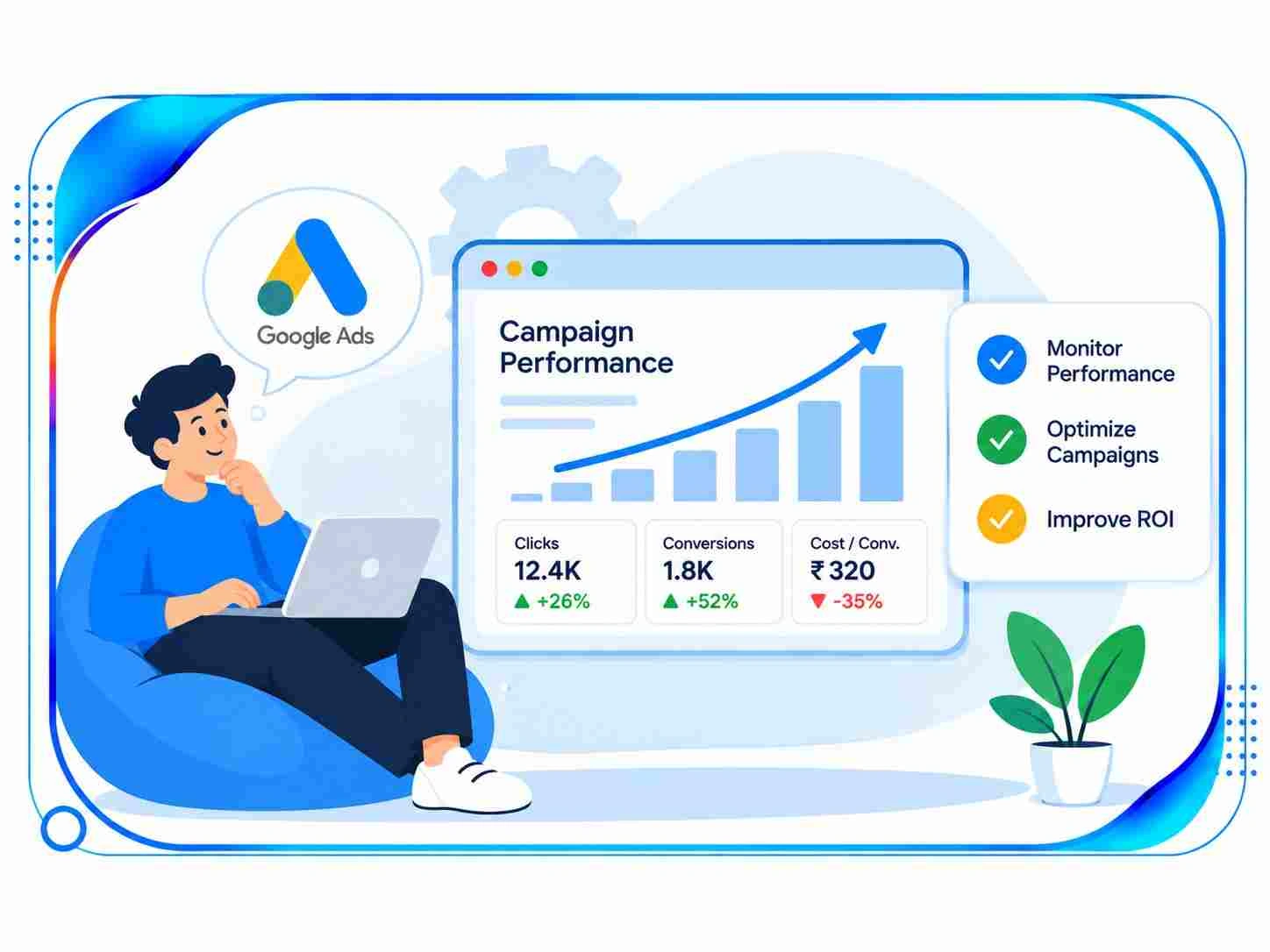
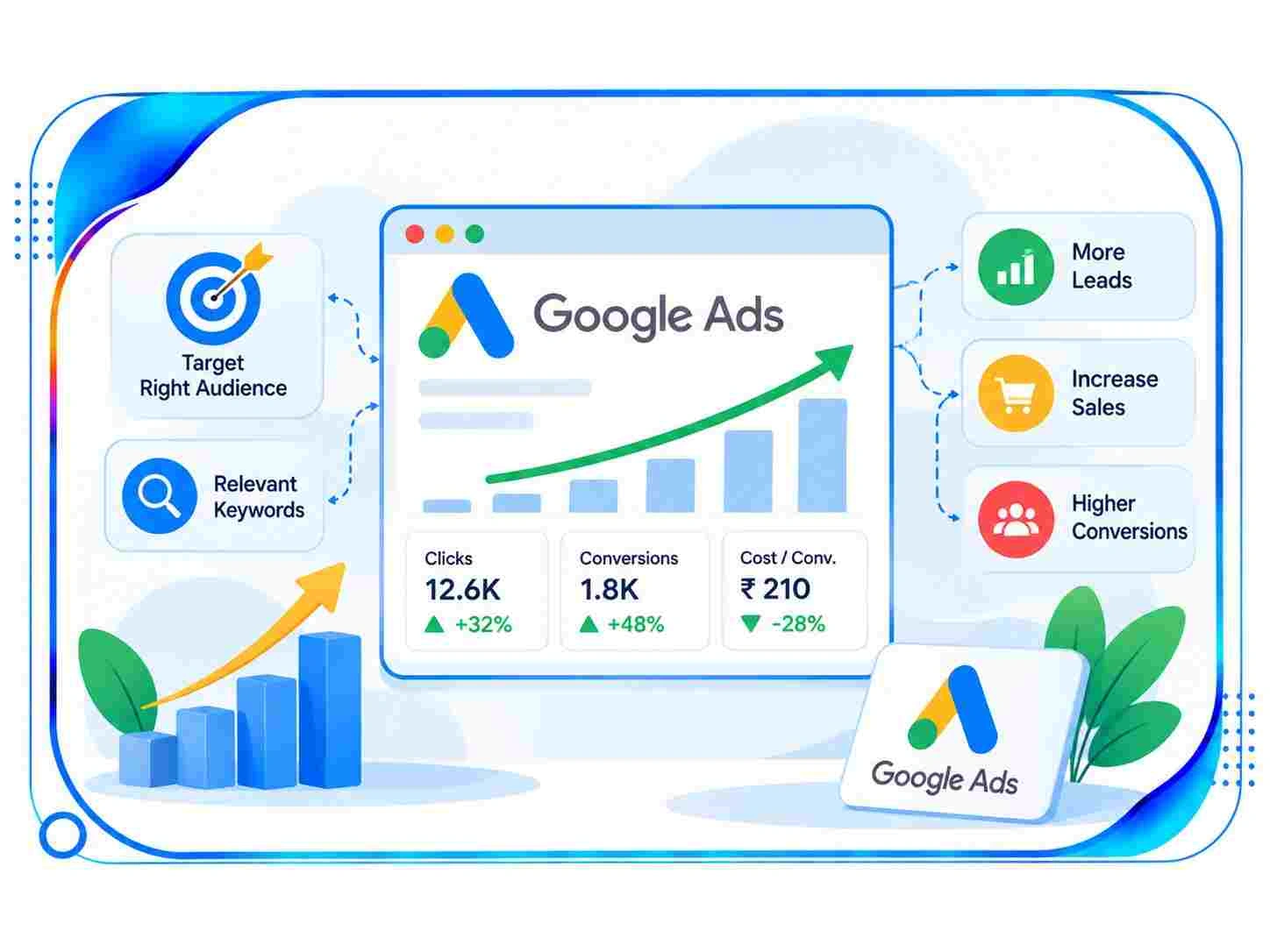
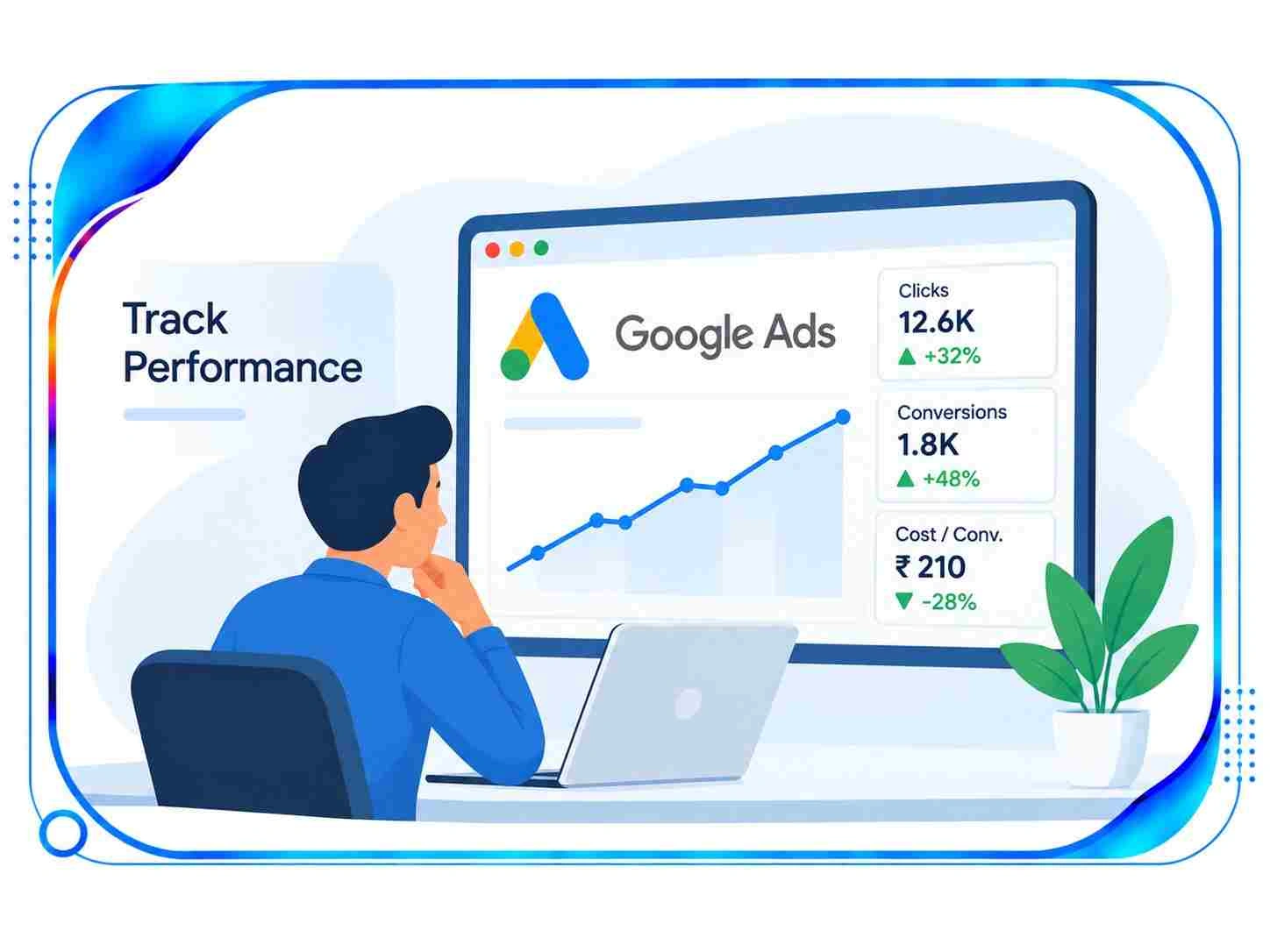
Advertising performance can be assessed using impressions, click volume, click-through rate, cost per click, conversion rate, lead numbers, cost per conversion, search-term data, and return on advertising spend. The measurements that matter most depend on what a business wants to achieve, whether that involves generating enquiries, selling products, increasing visits, or building awareness. Analysing several indicators together provides a clearer picture of campaign efficiency and helps guide future optimisation.
Client input is mainly required when establishing campaign direction, understanding the business, confirming priorities, sharing product or offering information, identifying preferred audiences, and agreeing on the actions that matter most. Once campaigns are active, our team can take responsibility for routine monitoring, search-term reviews, advertising adjustments, budget assessment, testing, and performance reporting. We keep clients updated with relevant findings, progress, and recommendations so they can remain involved in important decisions without having to manage daily advertising activity.