
Powering Digital Growth for Businesses Across Industries




















Our Success Stories







Why Choose Us?
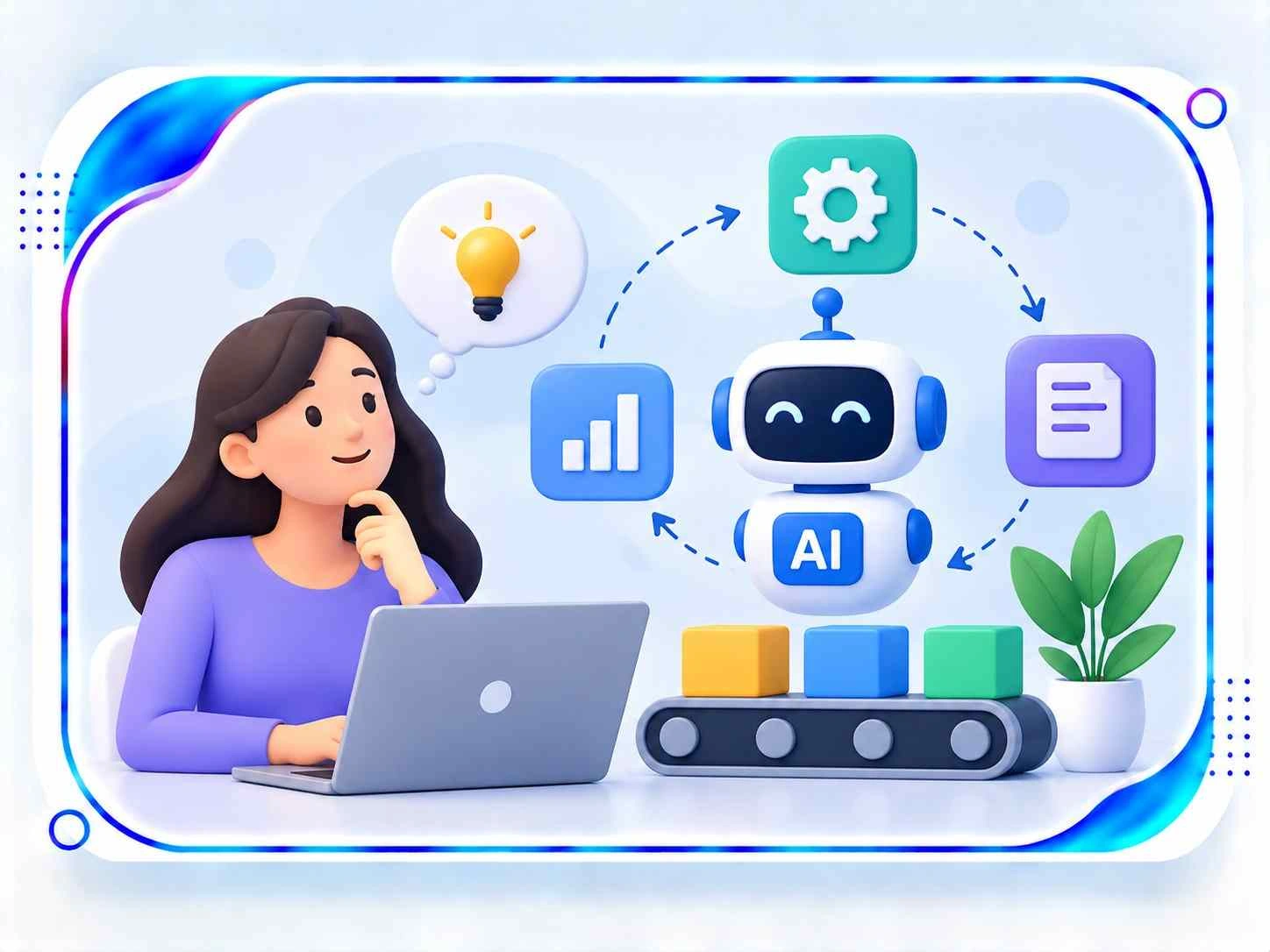
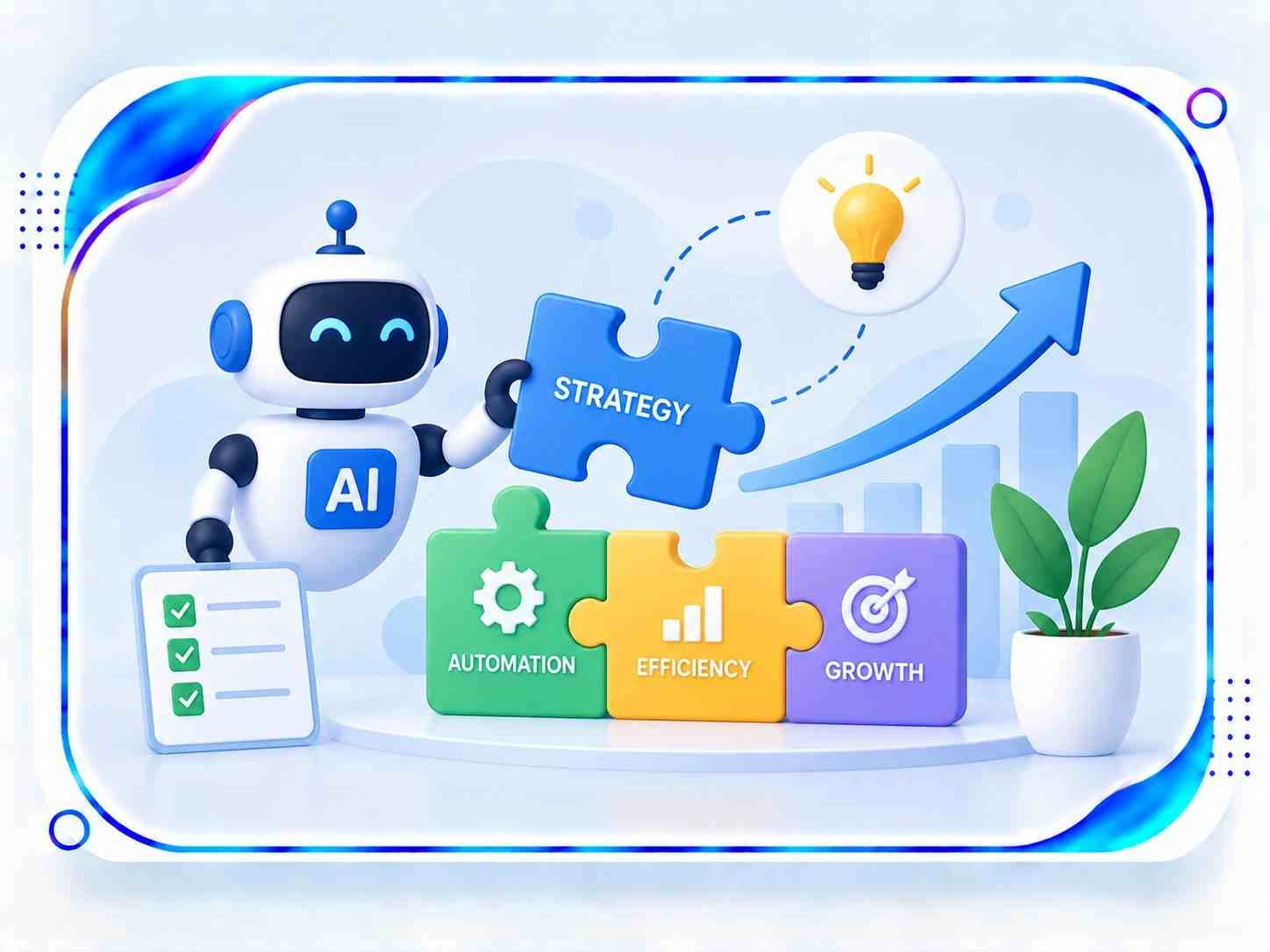
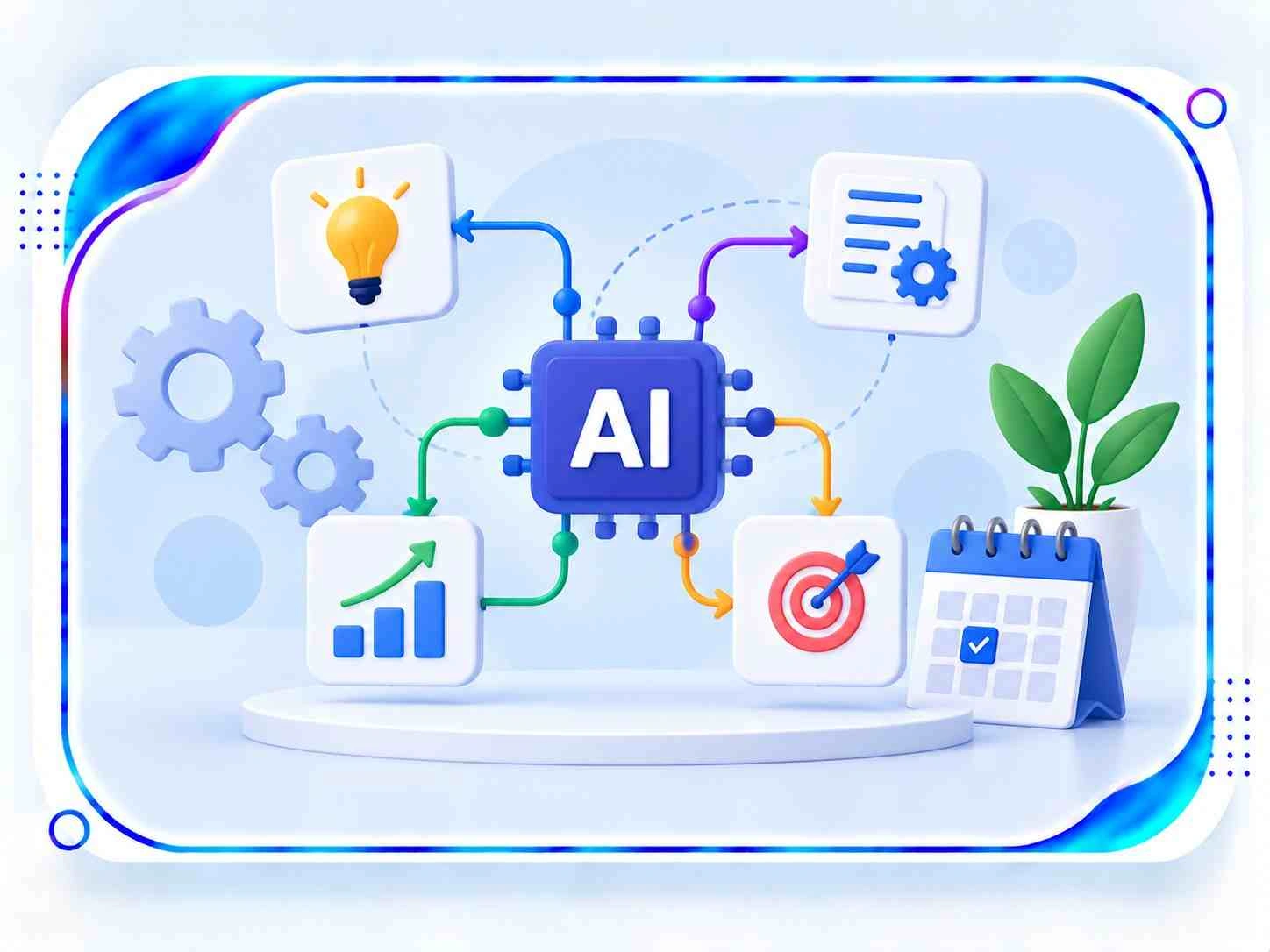
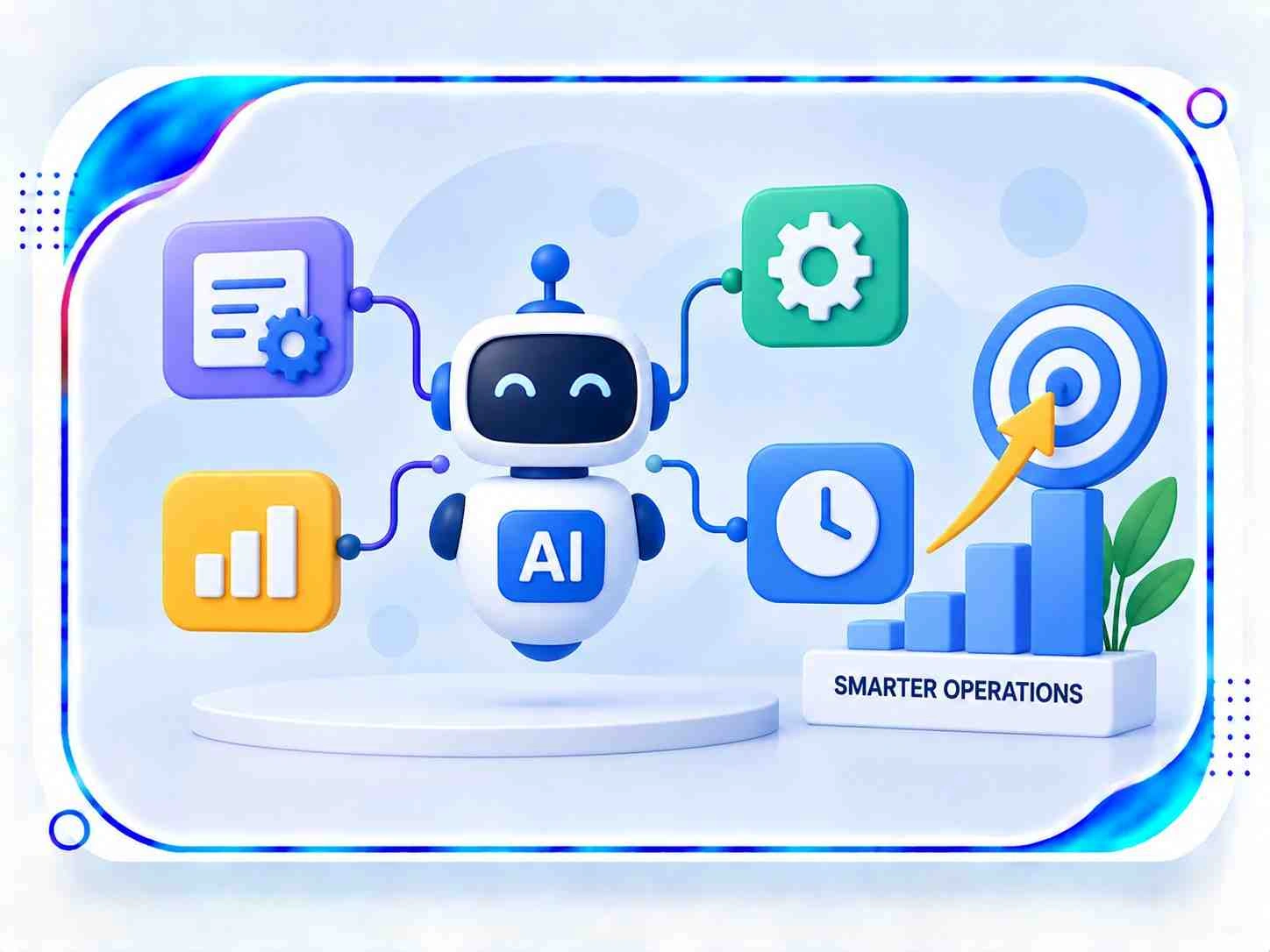
We help companies implement intelligent AI Automation technologies to improve everyday operations and increase efficiency on tasks. Our AI Automation Services in Hyderabad combine machine intelligence, intelligent workflow processes, automated software, and smooth integration in order to lessen the number of manual operations, improve the quality of work, speed up operations, optimize resources, and ensure digital development versatility.
Smart Process Automation
Tailored AI Development
Automated Business Workflows

AI Agents & Digital Assistants
Seamless Platform Integration
Scalable AI-Driven Operations
What Makes Linkplux The Best AI Automation Agency in Hyderabad?
What Our Clients Say About Us
LinkPlux AI Automation FAQs
FAQs + more
An AI Automation Company in Hyderabad creates intelligent digital solutions that help organizations streamline recurring tasks, connect business applications, and coordinate complex workflows. Services may include AI agents, chatbot solutions, document processing, workflow orchestration, predictive applications, data automation, and software integration. These technologies can help businesses improve process coordination, manage routine operations, and build more efficient digital environments.
AI Automation agency can help organizations reduce repetitive workloads, speed up information handling, coordinate connected applications, and limit unnecessary manual activities. Intelligent workflows can support sales, marketing, customer service, finance, human resources, administration, and operations. By linking relevant tools and processes, businesses can improve consistency, respond more quickly to routine requirements, and give employees greater time for productive responsibilities.
Our AI Automation Agency in Hyderabad can include AI agent development, intelligent chatbot creation, workflow automation, document intelligence, conversational AI, WhatsApp automation, CRM integration, data workflows, and business process automation. We can also help businesses identify suitable automation opportunities within existing operations. Solutions can be structured around current software, workflow requirements, customer interactions, information architecture, and long-term digital transformation goals.
Conventional rule-based automation generally operates through fixed instructions, conditions, and triggers designed for specific tasks. AI automation can add capabilities such as language interpretation, data extraction, classification, pattern recognition, recommendations, and content creation. Depending on the workflow, AI models can work alongside APIs, databases, automation platforms, and traditional tools to process information that changes in structure or requires contextual understanding.
Organizations can consider AI automation to manage recurring workloads, organize internal processes, and improve how information travels between departments and applications. Automation can support lead qualification, customer enquiries, appointment management, document workflows, reporting, alerts, data entry, and follow-up tasks. Businesses can begin with selected processes and gradually expand intelligent workflows based on operational priorities, available resources, and technology readiness.
Yes. AI automation can work with many existing business applications through APIs, webhooks, connectors, databases, and workflow platforms. Based on the technical environment, automated solutions can communicate with CRM systems, ERP software, helpdesk platforms, communication applications, payment services, websites, and internal databases. These integrations can synchronize information, minimize duplicate data handling, and create smoother connections between different applications and business functions.
Yes. Small and expanding businesses can apply AI automation to activities involving repetitive, frequent, or time-consuming work. Useful applications may include enquiry management, lead follow-up, appointment scheduling, email handling, document processing, reporting, and information organization. Starting with a focused automation initiative can help smaller teams solve a particular operational requirement before extending intelligent workflows across other departments.
AI Automation Services can help businesses accelerate routine tasks, create smoother workflows, improve information management, reduce repetitive workloads, and strengthen coordination between connected systems. Intelligent solutions may also support customer communication, document processing, lead handling, reporting, and internal activities. Actual results depend on factors including workflow suitability, solution design, information quality, integration architecture, security needs, and ongoing performance monitoring after implementation.
An AI automation plan typically begins by reviewing business objectives, current workflows, software platforms, information sources, and operational challenges. Potential use cases can then be assessed according to frequency, complexity, feasibility, and business value. Implementation may include solution architecture, AI model selection, application integration, workflow development, testing, deployment, monitoring, and optimization. A structured methodology helps ensure automation addresses genuine operational requirements rather than technology adoption alone.
When choosing an AI Automation Company, consider its capabilities in workflow assessment, artificial intelligence, software integration, information management, security, scalability, testing, and post-implementation support. The provider should understand your business operations before suggesting a technology approach. It is also useful to review project scope, development methodology, integration options, monitoring practices, communication procedures, maintenance services, and the ability to adapt automation as organizational requirements evolve.
AI automation can connect multiple stages of a workflow so information moves between activities with less human intervention. For example, an intelligent process can receive a customer enquiry, identify relevant details, update a CRM, allocate the request to an appropriate employee, and send a notification. This type of workflow orchestration can reduce repeated handling, improve process visibility, and support more consistent execution across everyday business activities.
Potential AI automation use cases can be identified by examining repetitive activities, transaction volumes, employee effort, workflow delays, error trends, information availability, and manual coordination requirements. Processes involving customer enquiries, document extraction, lead management, reporting, scheduling, classification, and data transfer may present useful opportunities. Each workflow should be evaluated independently to determine whether AI, conventional automation, or a combination of both provides the most suitable approach.
AI automation performance can be measured through indicators such as completion time, workflow accuracy, response rates, exception levels, processing volume, system availability, and manual effort. Depending on the solution, teams can also evaluate chatbot conversations, lead processing, document extraction results, customer responses, or integration performance. Continuous observation helps businesses detect workflow problems, understand operational outcomes, and improve automation effectiveness as requirements change.
Beginning an AI automation project generally requires information about business goals, current workflows, software platforms, data sources, users, process rules, and operational difficulties. Sample files, workflow diagrams, integration requirements, and relevant system details can also support the planning stage. With this information, an AI Automation Company in Hyderabad can identify suitable use cases, establish project scope, recommend an appropriate technology framework, and prepare workflows for development, testing, deployment, and ongoing optimization.