
 4.8 / 5 Rating
Powered by ACTE
Professional Data Science Training in Sydney, Australia
Build your analytical expertise through industry-oriented Data Science instruction at Linkplux.
Career-Focused Data Science
Education in Sydney, Australia
Linkplux offers professional training in contemporary data science technologies and techniques. Our Sydney Data Science programme features applied exercises, practical datasets, and expert guidance to develop analytical capabilities and prepare participants for data-driven careers.
Analyse Practical Datasets
Python, SQL & Data Analysis
Career Support

Develop Project Portfolios
Expert-Led Mentoring
Training Completion Credential
Programme Advantages
Hands-On Data Science Practice
Acquire practical expertise using authentic datasets, guided tasks, business scenarios, and applied activities across essential data science workflows.
AI & Predictive Modelling Skills
Explore machine learning algorithms, AI, forecasting methods, model assessment, and modern techniques for building intelligent data solutions.
Recognised Training Credential
Strengthen your profile with a Data Science course certificate demonstrating knowledge of coding, statistical methods, and insight generation.
Development Assistance
Prepare for analytics career opportunities with resume reviews, employment guidance, interview coaching, market awareness, and individual mentoring.
Real-World Project Experience
Apply Python, SQL, statistical techniques, visualisation, and predictive analytics to assignments based on authentic industry challenges and business data.
Expert-Led Learning Sessions
Learn with experienced trainers through structured lessons in Python programming, statistical modelling, machine learning, and advanced analytical techniques.
Project-Based Skills Showcase
Prepare a professional data science portfolio containing visual reports, predictive models, analytical solutions, and final projects that demonstrate your capabilities.
Job Interview Preparation
Improve technical interview skills through coding assessments, practice discussions, data interpretation tasks, and logical reasoning exercises for analytics careers.
How You'll Learn
Data Science Training Programme Curriculum
Module 1: Python Programming & Data Science Essentials
- Unit 1: Python Fundamentals, Identifiers, Variables, Data Types and Operators
- Unit 2: Conditional Statements, Iterations, Functions and Error Management
- Unit 3: Python Collections, Lists, Tuples, Sets, Dictionaries and Comprehensions
- Unit 4: Classes, Object-Oriented Concepts, Packages and File Operations
- Unit 5: Jupyter Environment, Version Control Basics and Analytical Programming
Software covered in this Module: Python, Jupyter, GitHub Copilot, ChatGPT
Module 2: Mathematical Methods, Statistics & Probability
- Unit 1: Statistical Summaries, Mean, Median, Mode and Data Variability
- Unit 2: Probability Principles, Random Variables and Distribution Models
- Unit 3: Sampling Techniques, Interval Estimation and Statistical Hypotheses
- Unit 4: Relationships Between Variables, Covariance and Regression Principles
- Unit 5: Experimental Testing, ANOVA and Evidence-Based Statistical Decisions
Software covered in this Module: Python, NumPy, SciPy, Jupyter
Module 3: Database Systems, SQL & Data Administration
- Unit 1: Database Structures, Relations, Primary Keys and Data Architecture
- Unit 2: SQL Statements, Table Joins, Grouping and Nested Queries
- Unit 3: Common Table Expressions, Analytical Functions, Views and Query Performance
- Unit 4: Data Validation, Restructuring and SQL-Based Analysis
- Unit 5: Data Warehouses, ETL Processes and Contemporary Data Infrastructure
Software covered in this Module: MySQL, PostgreSQL, BigQuery, ChatGPT
Module 4: Data Preparation, Exploration & Visualisation
- Unit 1: NumPy Structures, Array Processing and Mathematical Computations
- Unit 2: Pandas Tables, Data Selection, Sorting and Feature Transformation
- Unit 3: Managing Null Entries, Repeated Records, Anomalies and Data Integrity
- Unit 4: Dataset Exploration with Matplotlib, Seaborn and Plotly
- Unit 5: Power BI Reporting, Interactive Dashboards and Insight Communication
Software covered in this Module: NumPy, Pandas, Matplotlib, Seaborn, Power BI
Module 5: Predictive Analytics & Machine Learning Algorithms
- Unit 1: Model-Building Processes, Data Preparation and Feature Construction
- Unit 2: Linear and Logistic Regression, Model Regularisation Techniques
- Unit 3: Nearest Neighbours, Bayesian Classification, SVM and Prediction Methods
- Unit 4: Tree-Based Models, Random Forest Algorithms and Combined Learning
- Unit 5: Performance Measures, Validation Strategies, Parameter Optimisation and Algorithm Comparison
Software covered in this Module: Scikit-learn, Pandas, NumPy, MLflow
Module 6: Complex ML Techniques & Forecasting Models
- Unit 1: Gradient Boosting Approaches with XGBoost, LightGBM and CatBoost
- Unit 2: Unsupervised Grouping, K-Means, Hierarchical Methods and DBSCAN
- Unit 3: Principal Component Analysis, Variable Selection and Feature Compression
- Unit 4: Sequential Data Modelling, Trend Forecasting, Seasonal Patterns and Anomaly Identification
- Unit 5: SHAP Analysis, Interpretable AI and Ethical Machine Learning Practices
Software covered in this Module: XGBoost, LightGBM, CatBoost, SHAP, Python
Module 7: Neural Networks, Language Processing & Generative AI
- Unit 1: Neural Network Architecture, Activation Layers, Backpropagation and Model Optimisation
- Unit 2: Creating Deep Learning Architectures with TensorFlow and Keras
- Unit 3: Natural Language Processing, Text Preparation, Embedding Models and Sentiment Detection
- Unit 4: Transformer Architecture, Large Language Models, Prompt Design and Pretrained Systems
- Unit 5: Retrieval-Augmented Generation, Vector Storage, Intelligent Agents and AI Governance
Software covered in this Module: TensorFlow, Keras, Hugging Face, LangChain, ChatGPT
Module 8: MLOps Practices, Cloud Infrastructure & Deployment
- Unit 1: Developing ML Services with Flask, FastAPI, Streamlit and API Integration
- Unit 2: Source Control, GitHub, Docker Containers and Consistent ML Pipelines
- Unit 3: Experiment Management, Model Catalogues, Tracking and Performance Supervision
- Unit 4: AWS, Microsoft Azure, Google Cloud and Live Environment Integration
- Unit 5: Automated Build Pipelines, Model Hosting, System Observability and Scalable AI Infrastructure
Software covered in this Module: Docker, MLflow, GitHub, AWS, Azure, Google Cloud
Module 9: Practical Projects & Professional Career Development
- Unit 1: Identifying Business Challenges, Choosing Data Sources and Project Scheduling
- Unit 2: Complete Dataset Processing, Exploratory Analysis and Predictive Solution Building
- Unit 3: Interactive Report Creation, Prediction Explanation and Findings Communication
- Unit 4: Application Launch, Technical Records, GitHub Showcase and Project Documentation
- Unit 5: CV Preparation, Practice Interviews and Professional Data Science Skills
Software covered in this Module: GitHub, Streamlit, Power BI, ChatGPT, Gemini
Let's Get Started
Skills Covered


AI-Powered Data Science Tools You'll Master in Sydney, Australia
Python & Data Science Tools "Work with Industry-Standard Tools for Data Analysis, Programming & AI-Assisted Data Science Workflows"




SQL & Database Tools "Use Popular Database Platforms and Query Tools for Efficient Data Storage, Retrieval & Management"


Machine Learning Tools "Gain Hands-On Experience with Widely Used Libraries for Building, Evaluating & Optimising Machine Learning Models"

Deep Learning & AI Tools "Explore Modern Frameworks for Neural Networks, Artificial Intelligence, Natural Language Processing & Computer Vision"


Generative AI Tools "Use Leading AI Platforms and Frameworks to Enhance Research, Coding, Automation & Data Science Workflows"

Data Visualization Tools "Create Clear Visual Reports and Interactive Dashboards with Popular Business Intelligence & Python Visualization Platforms"



MLOps & Cloud Tools "Work with Deployment and Collaboration Tools Used to Manage, Package, Monitor & Scale Data Science Solutions"


Analytics & Professional Tools "Use Practical Tools for Analytics, Documentation, Project Collaboration & Building a Strong Data Science Portfolio"
Eligibility & Criteria
Everything you need to know to join and qualify for placement.
Who Can Apply?
Eligibility Year of Passing
2018 and After
Graduates
Any Graduate / Diploma
Academic Percentage
Min 60%
Placement Eligibility
Attendance
Min 90%
Assessment Marks
Min 75%
Live Projects
100% Completion
Why Choose Data Science
Training for Your Career in Sydney?
Data Science helps organisations transform complex information into meaningful insights, forecast business trends, and improve strategic planning. Learning Python, statistical analysis, machine learning, visualisation, and AI through Data Science Training in Sydney, Australia can equip participants with practical expertise for emerging analytical and technology careers.
Increasing Demand for Analytics Professionals
Career Options Across Multiple Industries
Opportunities in Data Careers
Potential for Career Mobility
Future Growth Through AI Technologies
Data Science Career Opportunities and Annual Salary Estimates in Sydney, Australia
Data Analytics
- Graduate Data Analyst
- Junior Data Analyst
- Business Analyst
- Insights Analyst
- Data Governance Analyst
- Reporting Specialist
Business Intelligence
- Business Intelligence Analyst
- BI Solutions Developer
- Power BI Specialist
- Tableau Consultant
- BI Consultant
- Business Intelligence Manager
Data Science
- Associate Data Scientist
- Data Scientist
- Applied Data Scientist
- Senior Data Scientist
- Lead Data Scientist
- Principal Data Scientist
Machine Learning Development
- Machine Learning Engineer
- ML Software Developer
- Applied ML Specialist
- Senior ML Engineer
- Machine Learning Architect
- ML Technical Lead
Artificial Intelligence & Deep Learning
- AI Developer
- Deep Learning Specialist
- Computer Vision Engineer
- Natural Language Processing Engineer
- Generative AI Developer
- AI Solutions Architect
Data & AI Management
- Principal Data Scientist
- Data Science Manager
- Machine Learning Manager
- AI Engineering Manager
- Head of Data Science
- Director of Data & AI
Data Science Career Progression Path
- Junior Data Analyst
- Reporting Analyst
- Business Intelligence Analyst
- Data Scientist
- Machine Learning Engineer
- Analytics Consultant
- Senior Data Scientist
- Data Architect
- Senior Data Engineer
- Data Science Manager
- Director of AI
- Head of Data Analytics
Our Alumni Work at














Success Stories from Our Students
See how Linkplux's IT training programs have helped students land top jobs through hands-on learning and expert guidance.
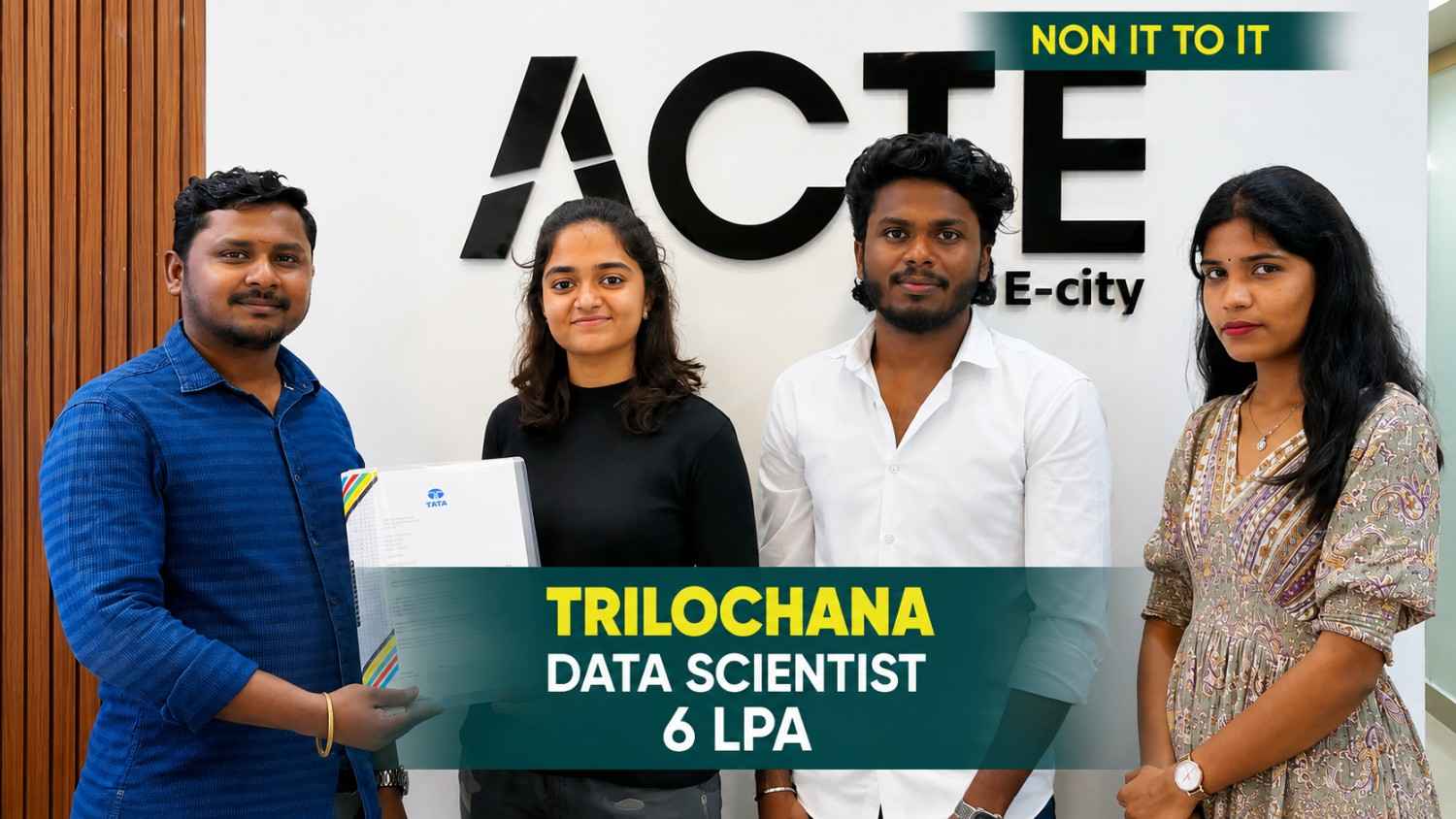
Trilochana found her path with Linkplux and landed the dream job.
#Datascience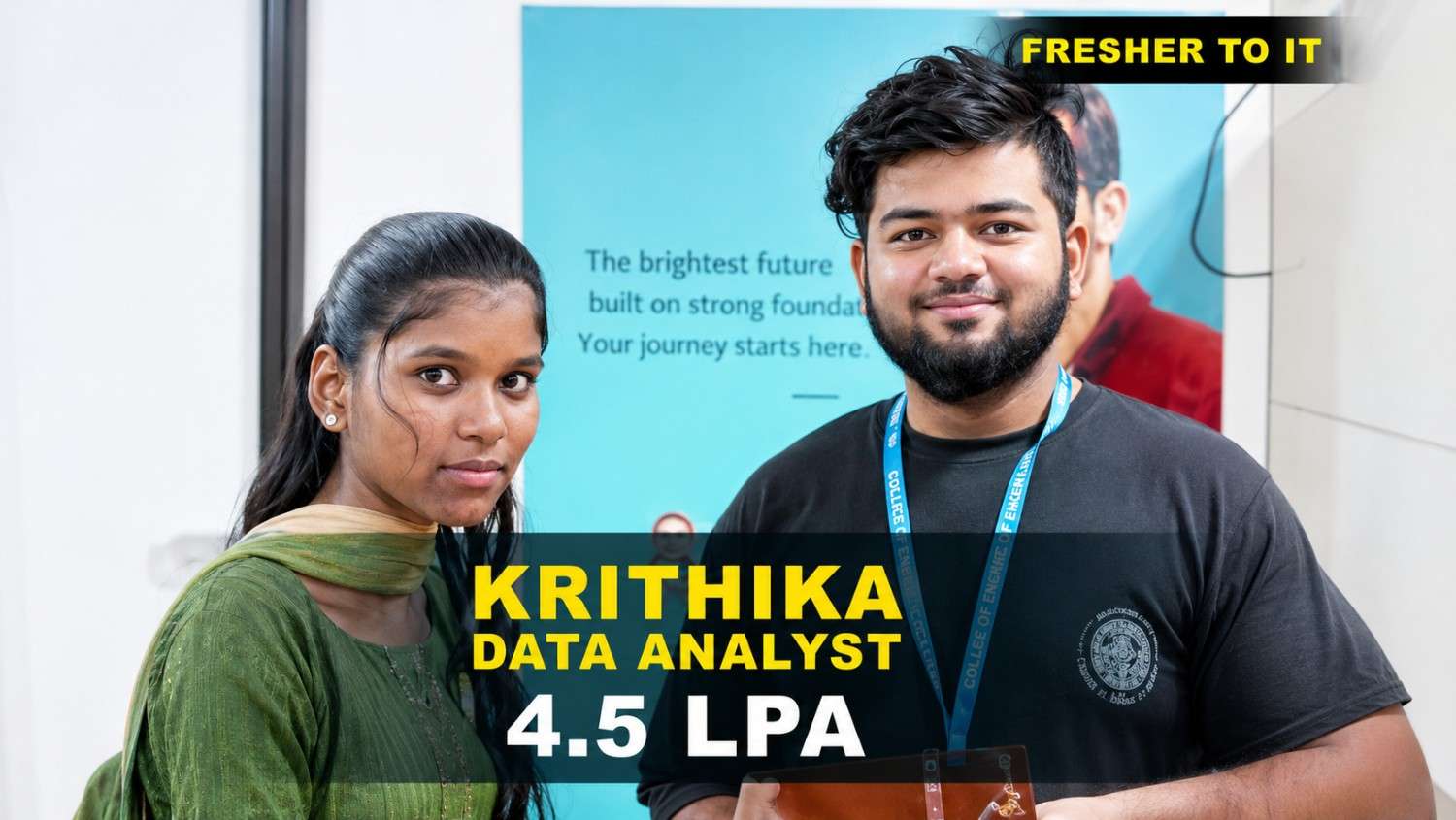
Krithika transformed her career with Linkplux and secured a Data Analyst role with a 4.5 LPA package. 🚀
#DataAnalytics
Students shared how Linkplux's practical training and live projects helped him confidently start his Digital Marketing career.
#DigitalMarketing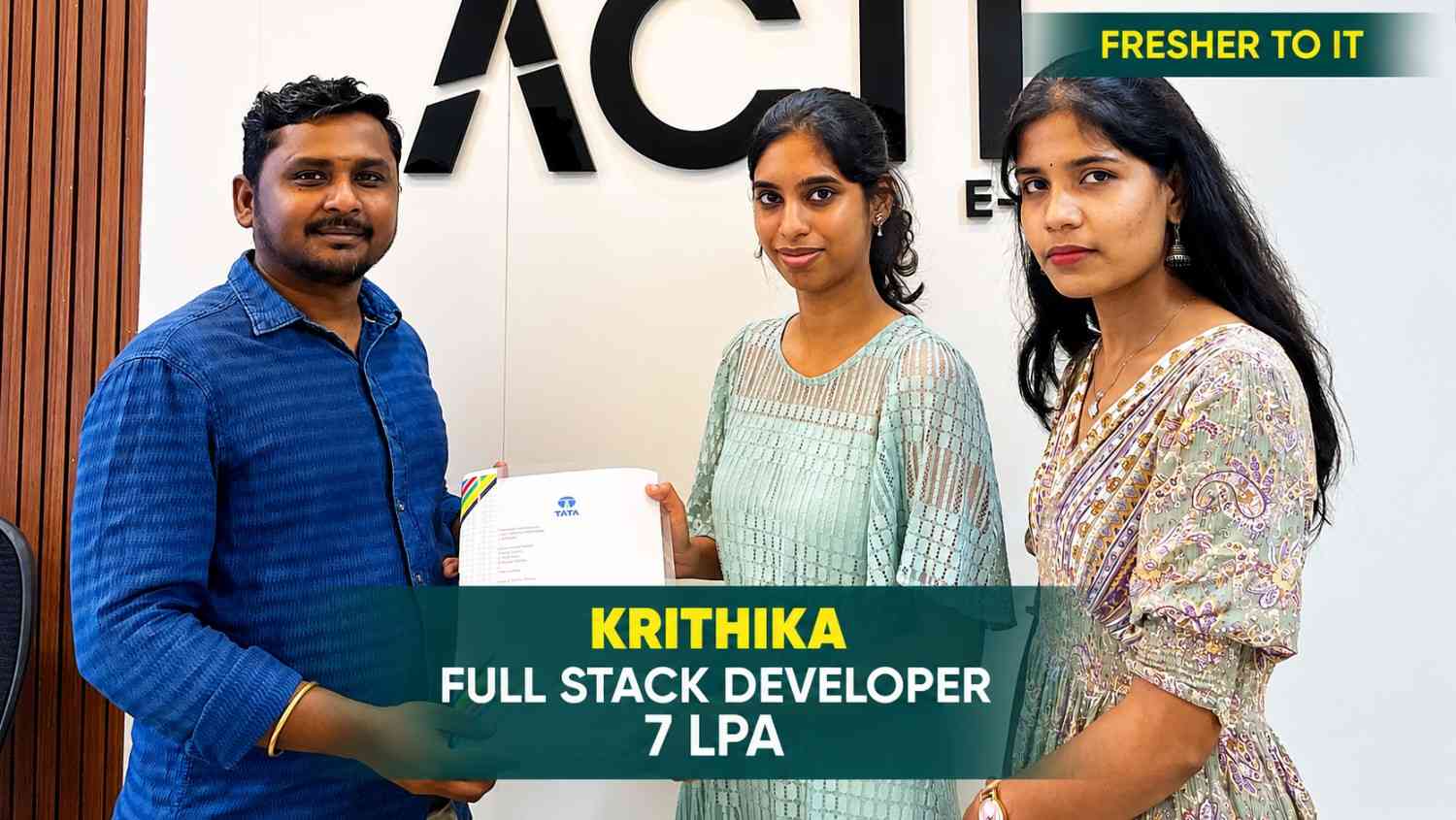
Krithika built her Full Stack Development skills at Linkplux and secured a 7 LPA Software Developer role. 🚀
#FullStackDevelopment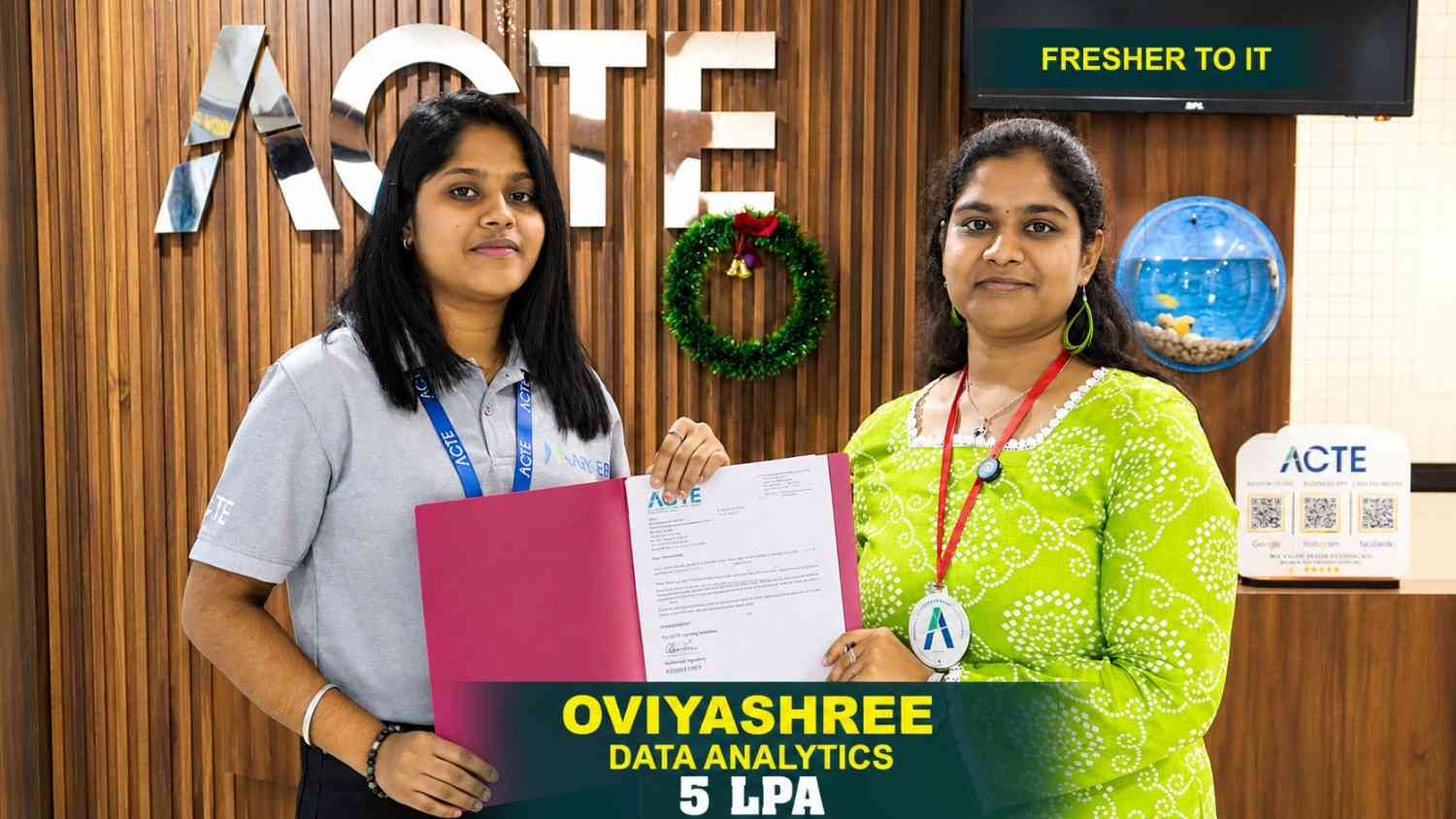
Oviya Shree developed strong Data Analytics skills at Linkplux and launched her career as a Data Analyst. 📊
#DataAnalytics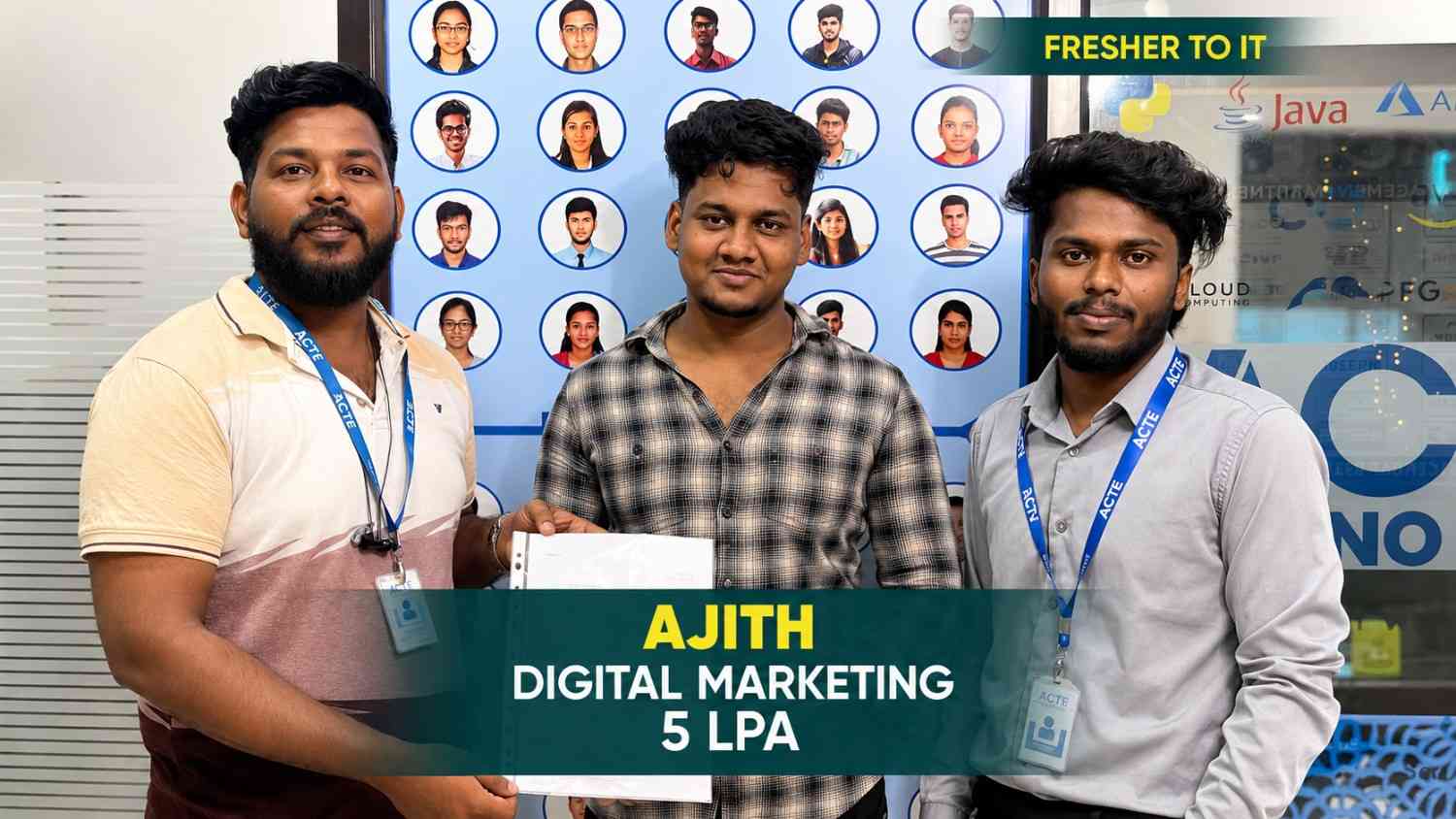
From a small town to a top tech firm, learn how our hands-on projects helped.
#Inspiration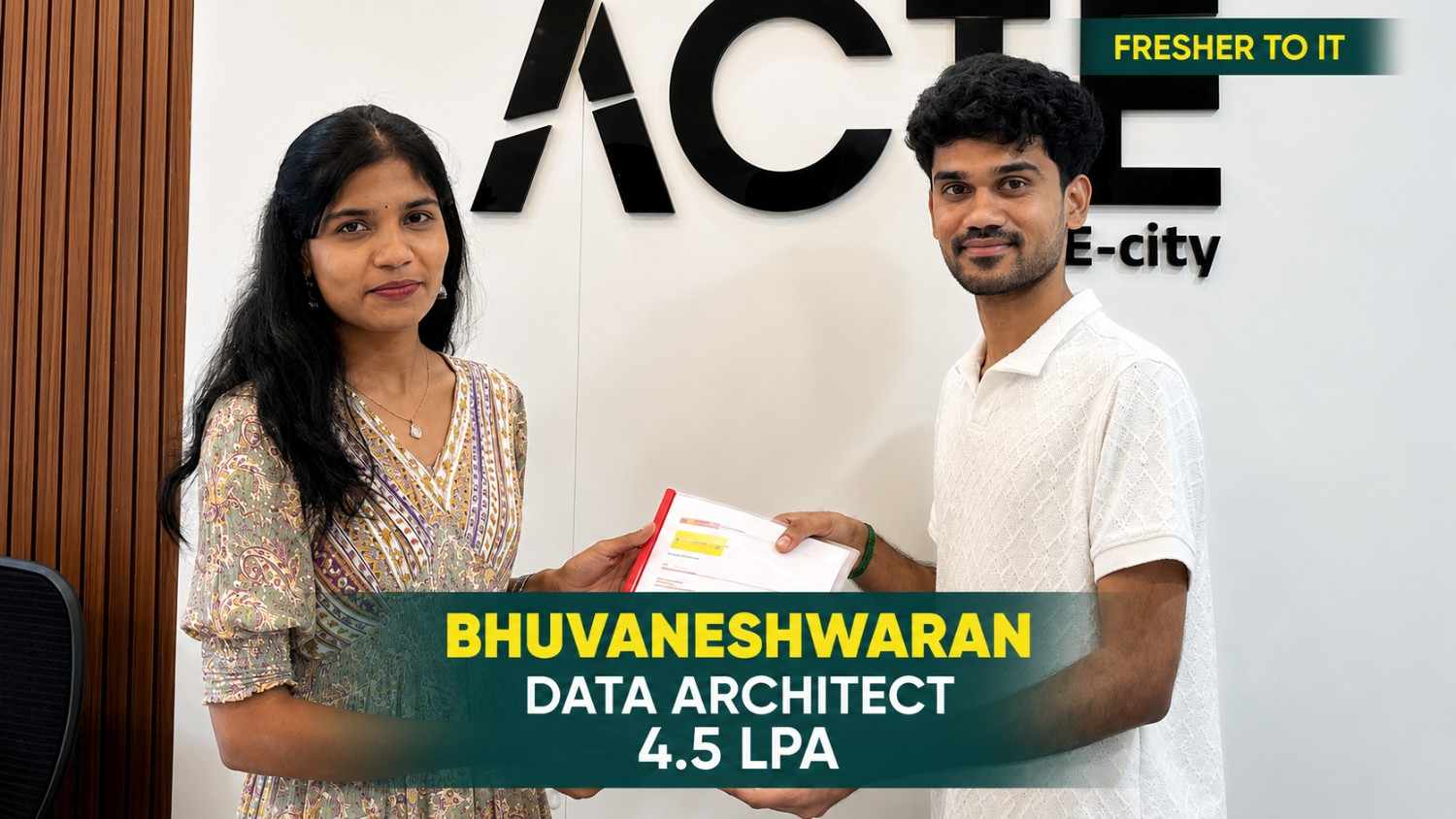
From a small town to a top tech firm, learn how our hands-on projects helped.
#Inspiration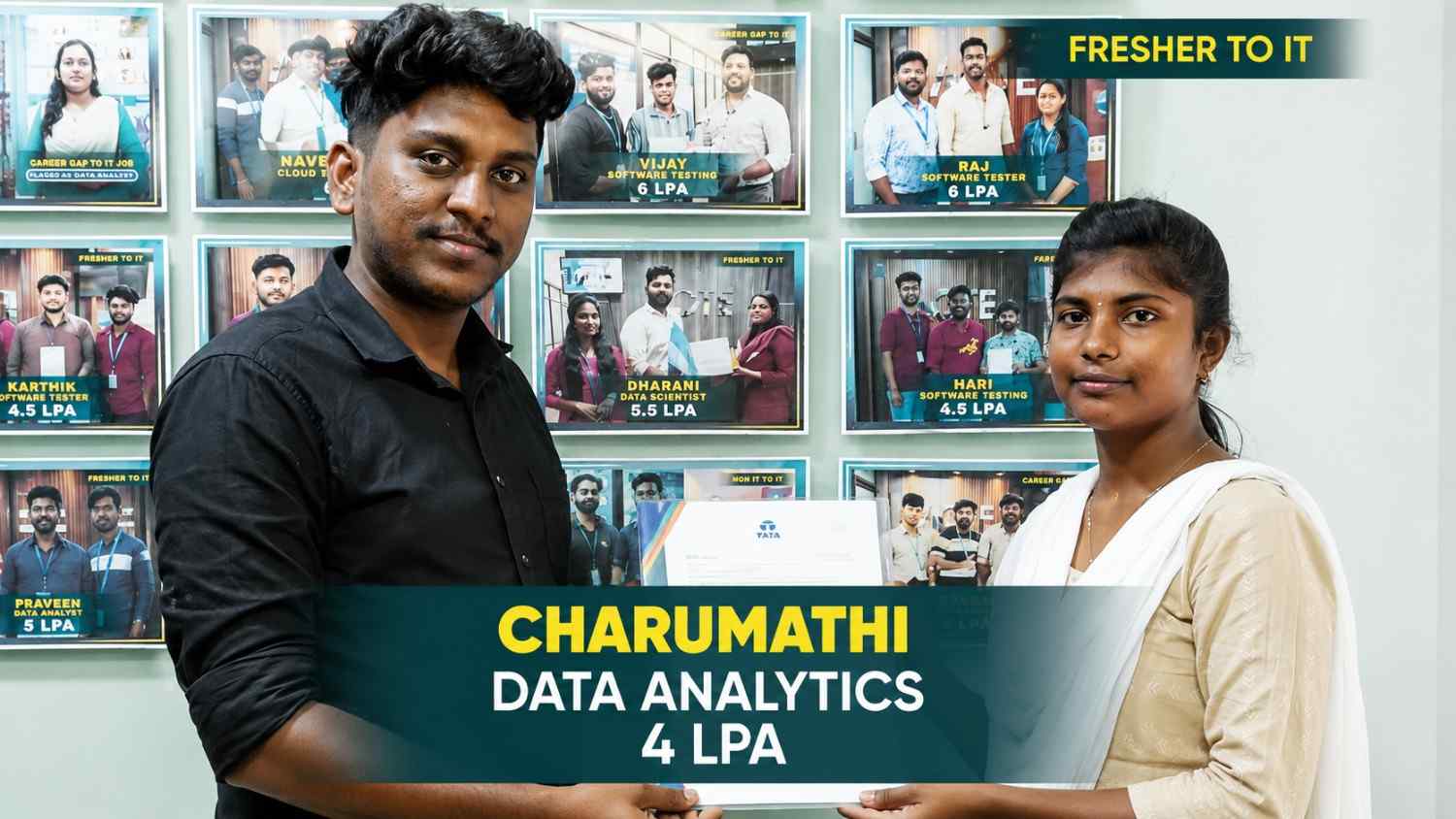
From a small town to a top tech firm, learn how our hands-on projects helped.
#Inspiration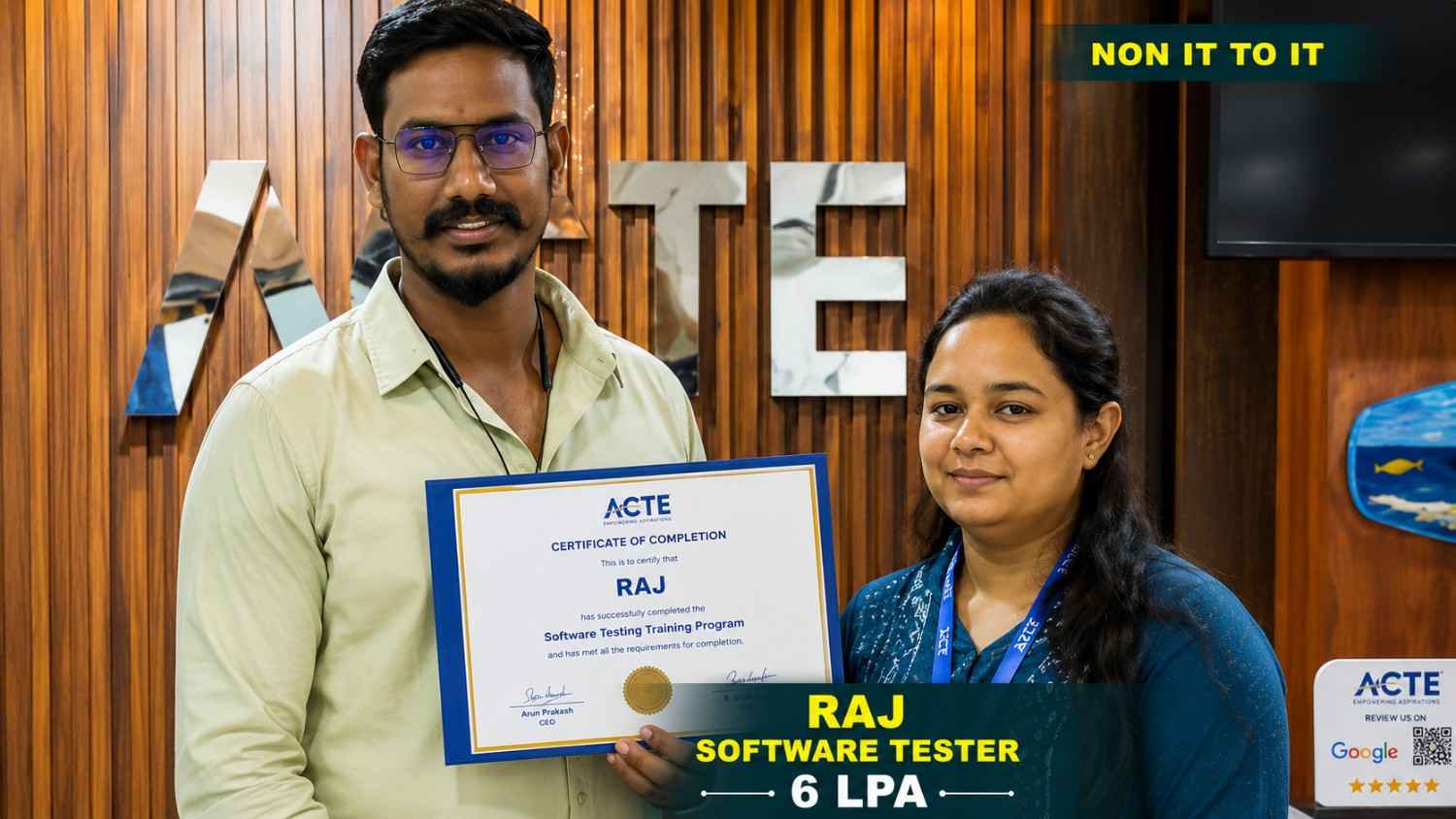
From a small town to a top tech firm, learn how our hands-on projects helped.
#Inspiration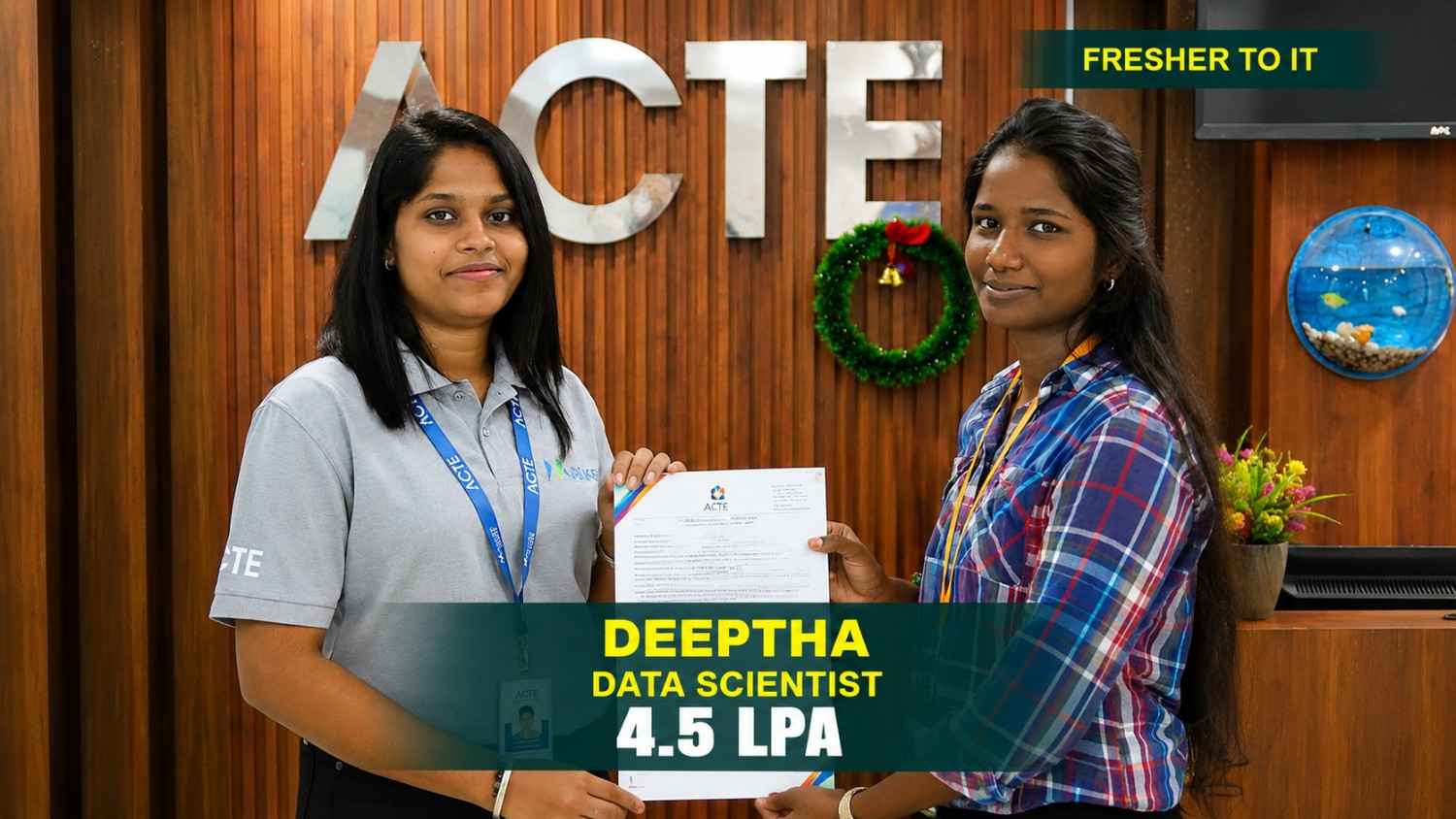
From a small town to a top tech firm, learn how our hands-on projects helped.
#Inspiration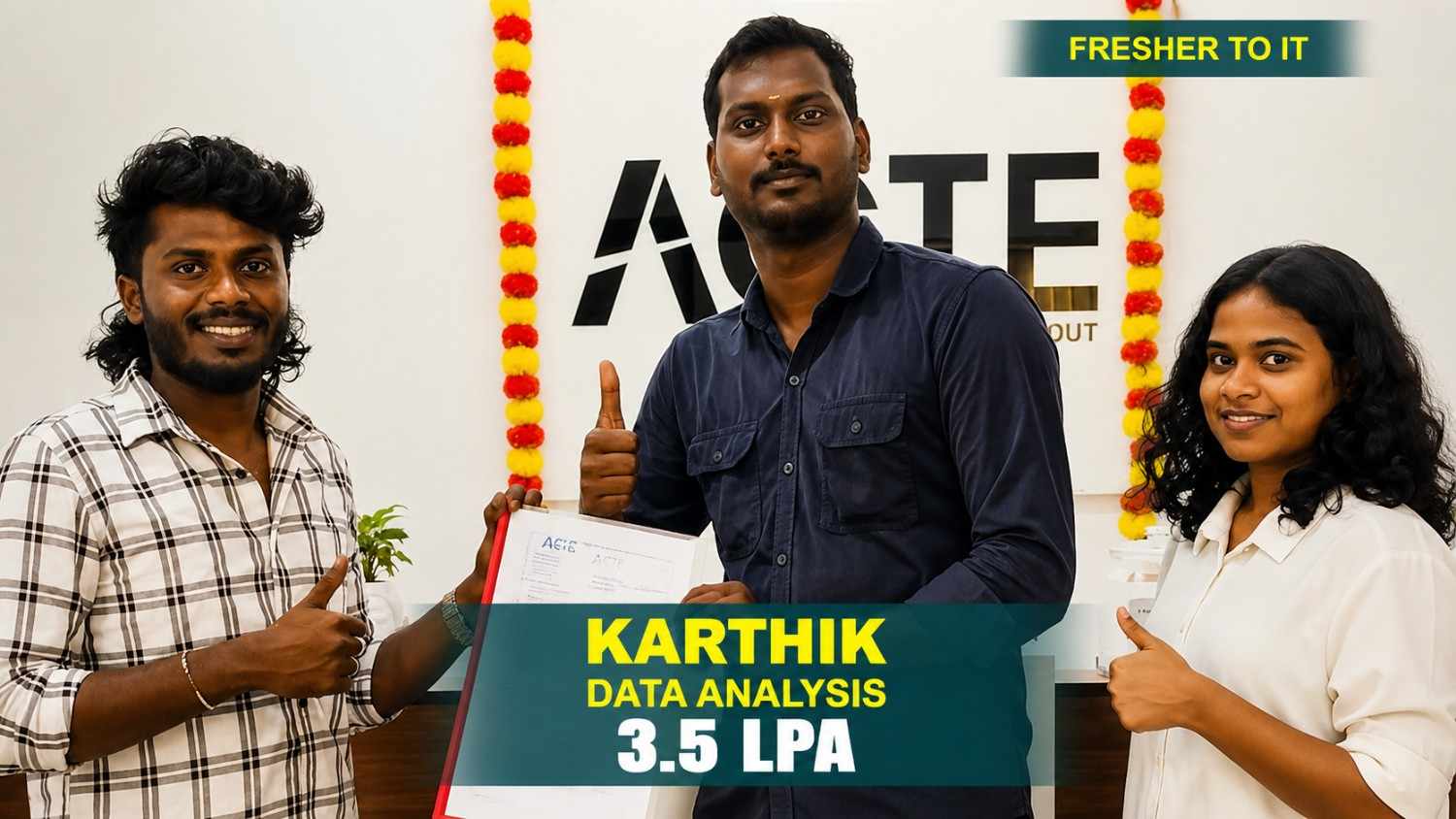
From a small town to a top tech firm, learn how our hands-on projects helped.
#InspirationObtain Industry-Relevant Data Science Training
Certification in Sydney, Australia
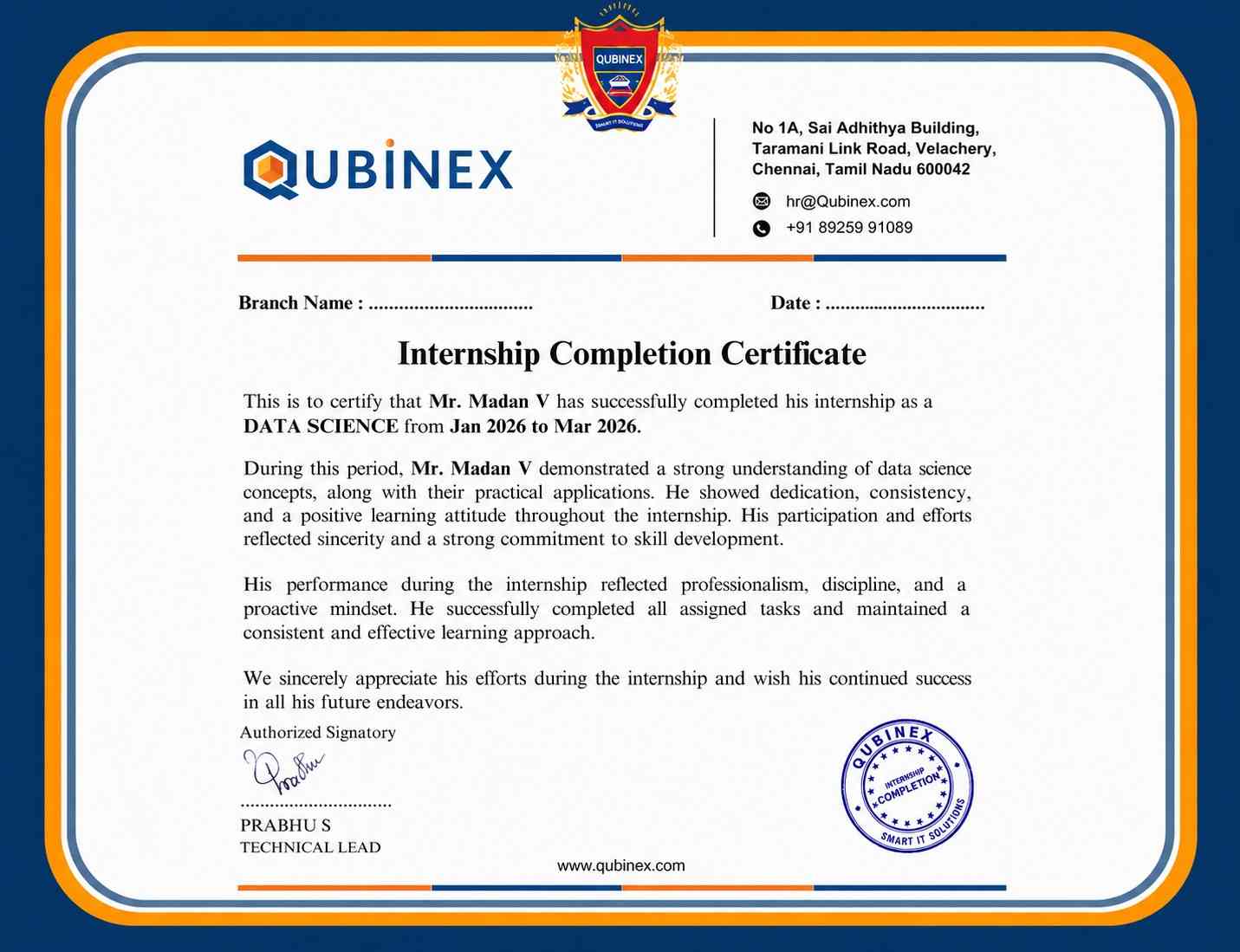
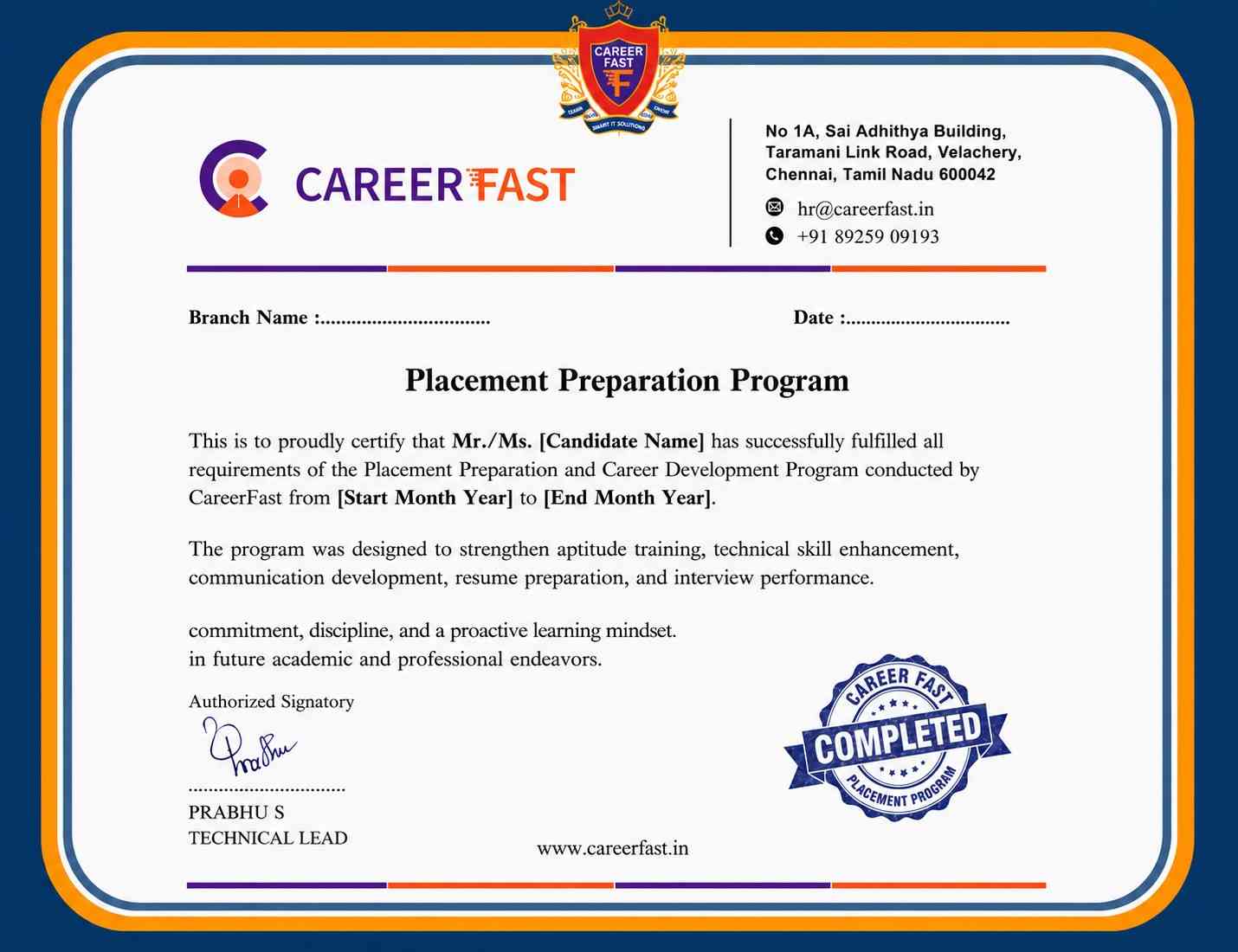
Linkplux Data Science Training in Sydney, Australia helps learners demonstrate applied knowledge of Python, SQL, statistical analysis, machine learning, data visualisation, predictive modelling, and analytical methods. Completing the programme and receiving its certificate can showcase project-based learning, strengthen your resume, and highlight your ability to develop data-focused solutions. This credential may assist learners exploring opportunities across Sydney’s technology sector, including positions such as Data Scientist, Data Analyst, Machine Learning Engineer, Business Intelligence Analyst, and Data Engineer, while building a foundation in practical industry skills.


Reviews from Our Successful Students
See how our AI-powered IT training institute has helped students succeed.
"Perfect for Beginners"
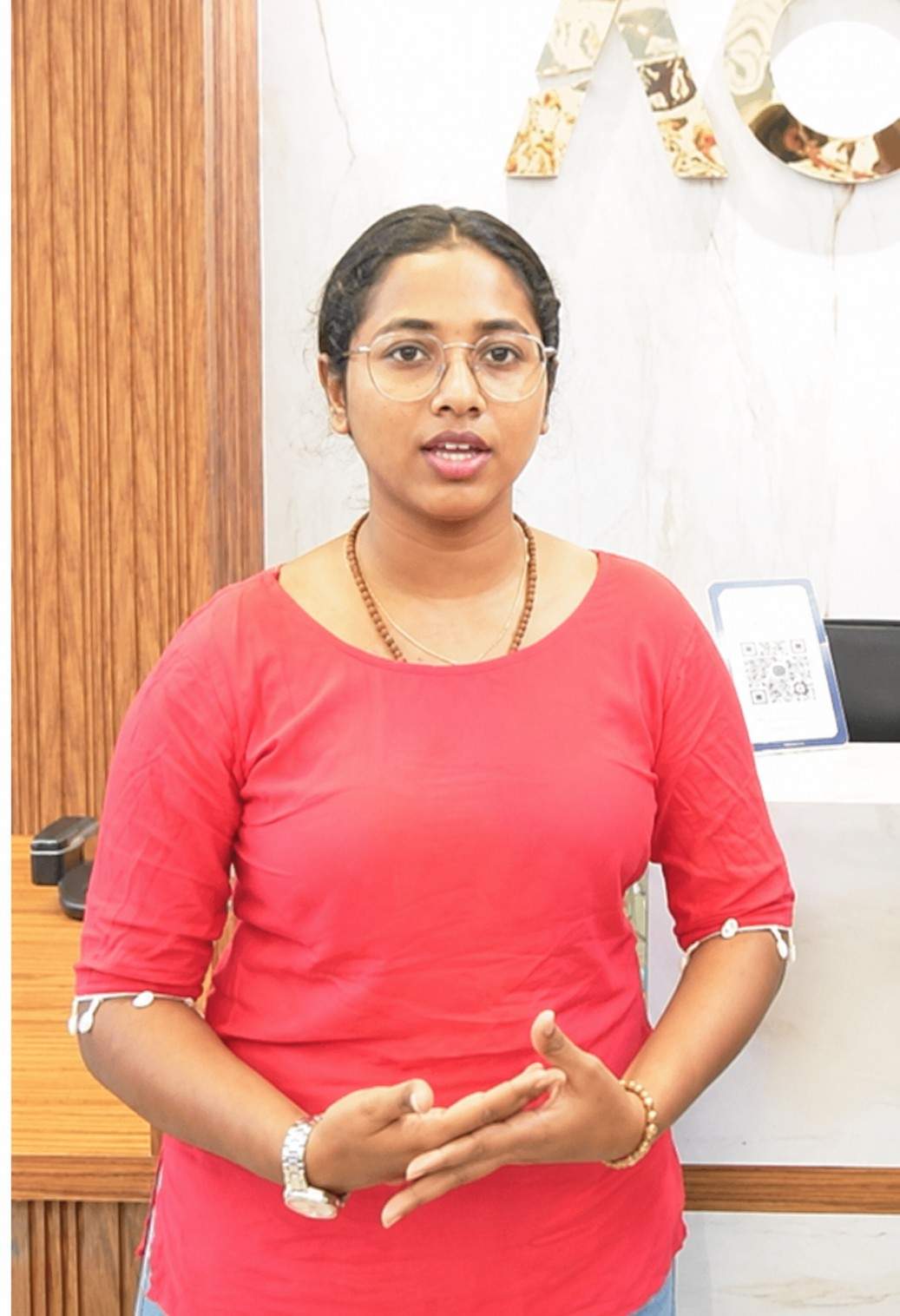
Hi, I'm Priya.S . I completed my undergraduate degree in 2021. Then I decided to change my career to the IT field. The trainers were very friendly and cleared all my doubts. My special thanks to Ashok sir for his guidance. I learned to create a website very easily. The real-time project gave me the confidence to crack the interview.

"Hands-On Learning That Built My Confidence"
The MERN Stack training at Linkplux gave me practical experience in building real-world web applications. Every concept was explained clearly with hands-on coding sessions, making it easy to understand both frontend and backend development. The trainers were supportive throughout the course, and the live projects helped me gain the confidence to attend interviews and start my career as a Full Stack Developer.
"A Perfect Start to My Digital Marketing Career"
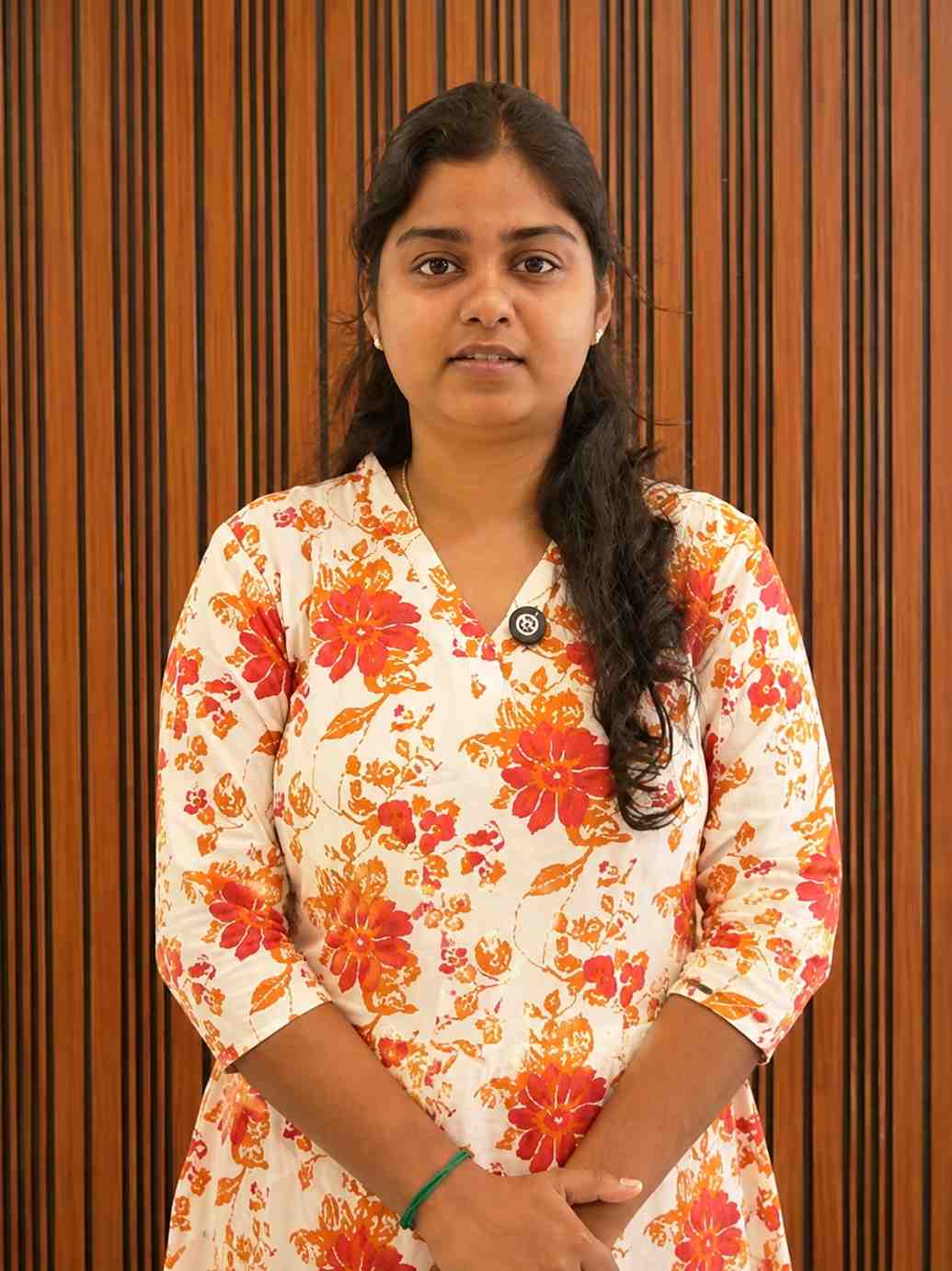
The Digital Marketing program at Linkplux gave me the confidence to work on real-world projects and understand industry practices. The trainers explained every concept with practical examples, and the live assignments helped me improve my skills. I truly appreciate the guidance and support I received throughout the course and would recommend Linkplux to anyone looking to build a successful career in Digital Marketing.

"A Career-Changing Learning Experience"
The practical assignments and live projects at Linkplux helped me gain real-world experience in Data Analytics. The trainers explained every concept clearly and guided me throughout the learning journey. The hands-on approach boosted my confidence and prepared me for industry challenges. I highly recommend Linkplux to anyone looking to build a successful career in the IT field.