
Powering Digital Growth for Businesses Across Industries

















Our Success Stories







Why Partner With Us?
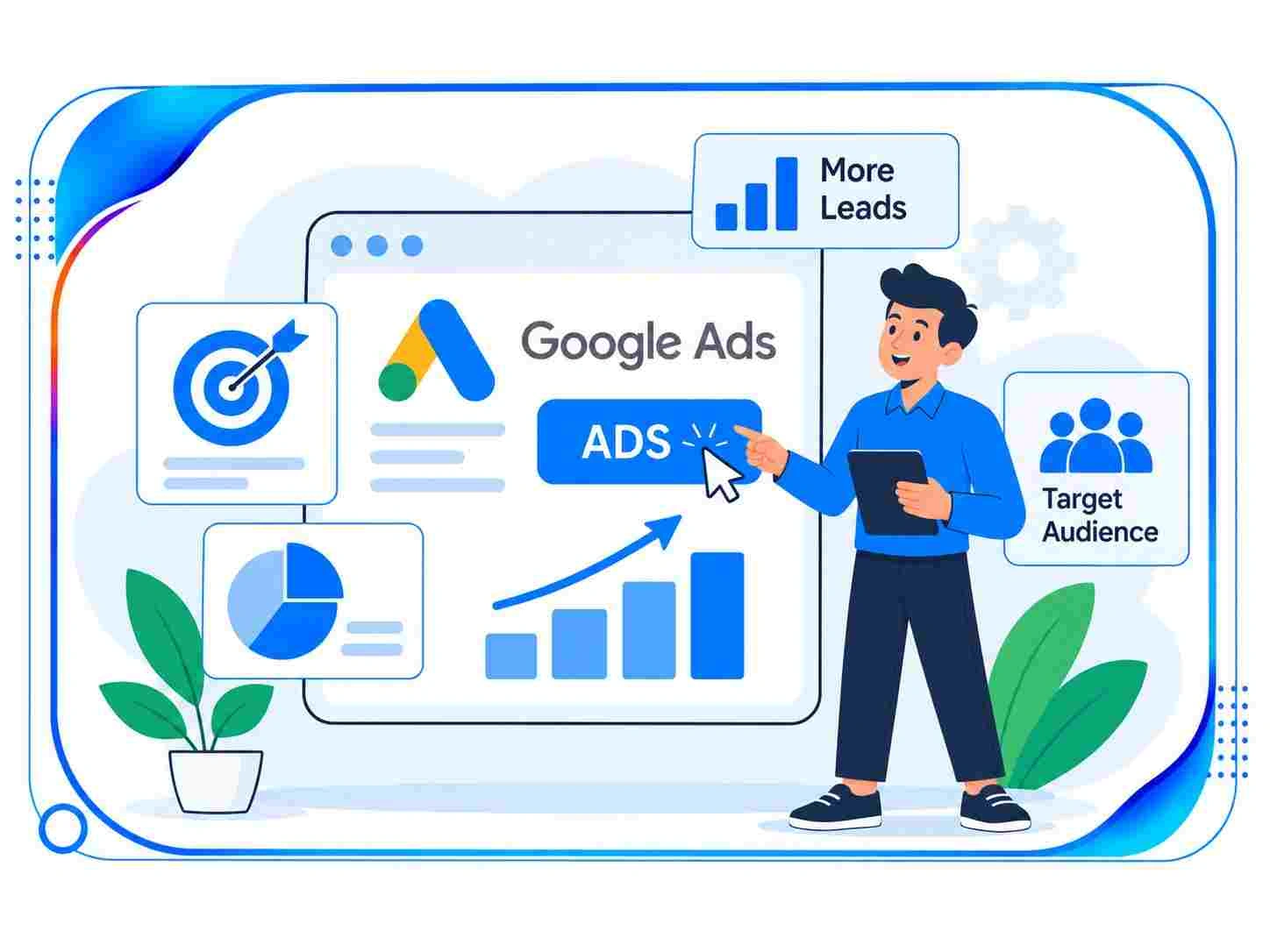
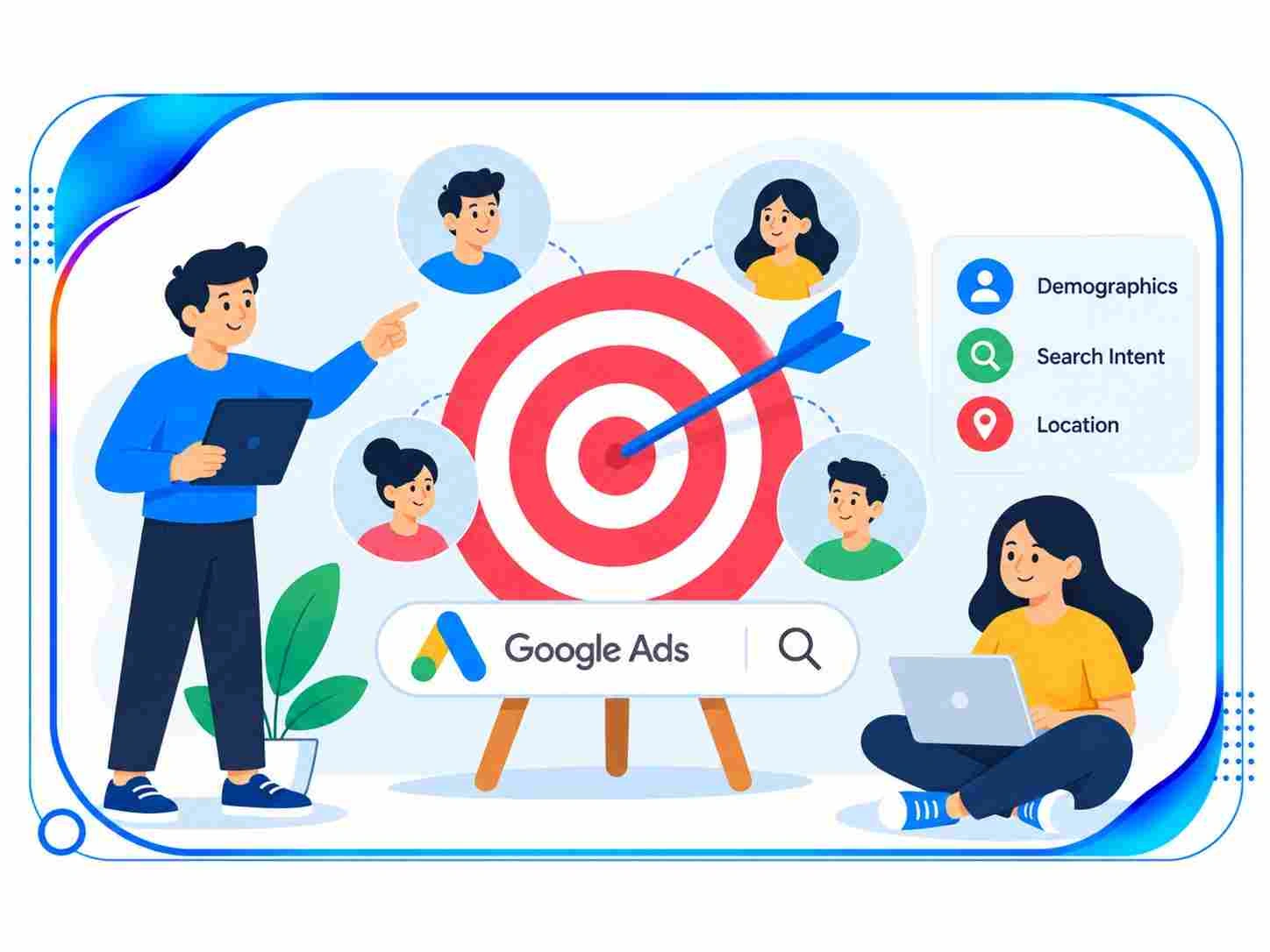
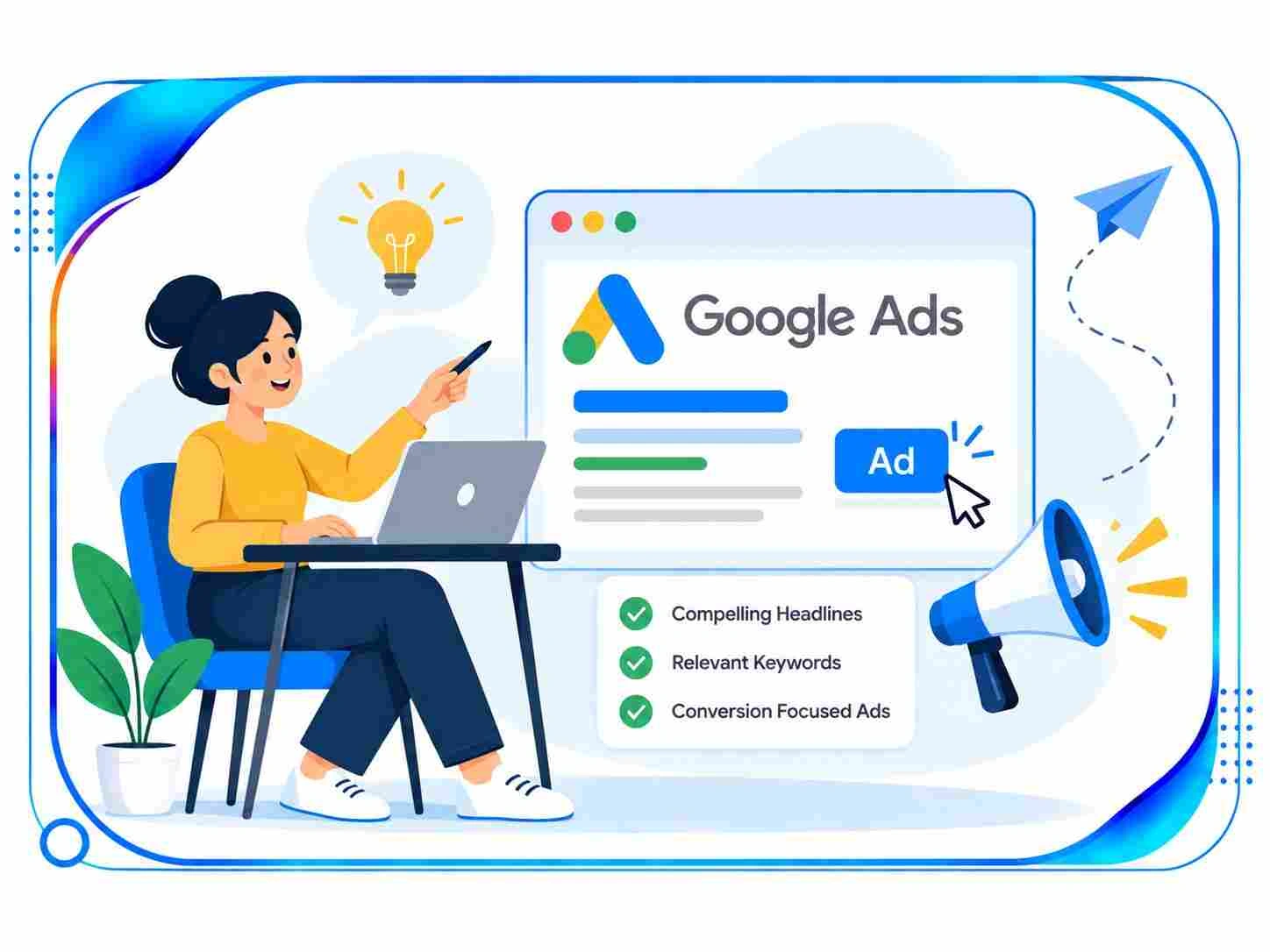
As a dedicated Google Ads Marketing Agency in Singapore, we develop advertising plans that reflect your business priorities, audience search patterns, and competitive landscape. From discovering valuable search terms and writing engaging advertisements to managing bids, refining landing pages, and measuring conversions, we coordinate every campaign element to help you use your advertising investment more effectively.
Strategic Search Term Analysis
PPC Campaign Handling
Advertising Management

Conversion Landing Experiences
Detailed Campaign Insights
Continuous Ad Optimisation
What Makes Linkplux The Best Google Ads Marketing Agency in Singapore?

What Our Clients Say About Us
LinkPlux Google Ads Marketing FAQs
Frequently Asked Questions + more
A Google Ads Marketing Agency in Singapore helps organisations plan, launch, and improve paid advertising campaigns across Google's network. This work can involve analysing search intent, researching relevant keywords, organising campaign structures, creating advertisements, defining audience groups, setting up conversion measurement, and reviewing account performance. These activities help businesses connect with suitable prospects and create opportunities for enquiries, purchases, and customer engagement.
Google Ads gives businesses an opportunity to connect with people searching for products, solutions, or information related to their offerings. Campaigns can be organised around relevant search phrases, selected locations, audience interests, and specific marketing objectives. With suitable advertisements, useful landing pages, and accurate conversion measurement, businesses can attract interested visitors, generate enquiries, and develop stronger customer acquisition opportunities across Singapore.
Businesses can explore several advertising formats, including Google Search, Display, Shopping, Performance Max, YouTube, and remarketing campaigns. Additional planning can cover keyword research, responsive ad development, audience selection, landing-page recommendations, bidding methods, conversion configuration, and campaign reporting. The appropriate combination depends on your products, target customers, marketing priorities, industry competition, and advertising budget.
Traditional advertising generally communicates with broad groups through channels such as print, outdoor displays, and broadcast media. Google Ads provides more flexibility to reach people according to their searches, selected locations, audience signals, and campaign objectives. Advertisers can also review measurable information such as clicks, enquiries, purchases, and conversion costs to understand how their campaigns are contributing to business goals.
Google Ads can help developing businesses introduce their offerings to audiences who are actively looking for relevant products or solutions. Depending on the campaign objective, advertising can support brand discovery, website visits, product promotion, lead generation, and online sales. Businesses can also adjust targeting and spending priorities as their requirements change, while using campaign reports to make more informed marketing decisions.
A fixed quantity of enquiries, purchases, or advertising returns cannot be guaranteed because campaign outcomes depend on several changing factors. These include search demand, competitor activity, auction conditions, audience preferences, website quality, pricing, and the relevance of the advertised offer. Our approach centres on careful campaign planning, conversion measurement, keyword refinement, budget reviews, and continuous testing to improve advertising decisions over time.
Yes. Startups and smaller organisations can use Google Ads by beginning with clearly defined objectives, carefully selected search terms, focused geographic targeting, and a manageable advertising budget. Prioritising the most relevant products, locations, and customer groups can help limit unnecessary traffic. Campaign performance can then be assessed regularly to identify useful opportunities and guide future spending decisions.
Experienced campaign management can bring greater structure to keyword selection, advertisement creation, audience targeting, bidding decisions, and conversion measurement. It can also involve reviewing search queries, testing different ad messages, assessing landing-page relevance, and monitoring budget distribution. Regular reporting helps businesses understand campaign activity, recognise areas that need attention, and make decisions based on measurable performance information.
Our planning begins with an understanding of your business activities, product or service categories, commercial priorities, intended customers, and target locations. We then study relevant search patterns, keyword opportunities, competitor messaging, and the existing advertising account, where available. Based on these findings, we organise campaign themes, prepare suitable advertisements, define valuable customer actions, and establish tracking methods for ongoing evaluation and improvement.
Before selecting a campaign management partner, consider its practical experience, understanding of your industry, approach to keyword research, reporting standards, and communication process. Ask how the team manages search terms, negative keywords, bidding decisions, conversion tracking, landing-page relevance, and advertising budgets. Clear account access, transparent reporting, and a well-defined optimization process are also important considerations.
Paid campaigns can introduce a business to people searching for related products, services, and information across Google's advertising channels. By selecting suitable keywords, locations, audiences, and campaign formats, businesses can present relevant messages to potential customers. Clear ad descriptions, useful landing pages, and appropriate calls to action can further encourage visitors to explore an offering, contact the business, or complete a purchase.
Keyword research involves examining the phrases potential customers use, their intent, relevant product categories, local search behaviour, and the competitive landscape. We assess keyword relevance, estimated search activity, and advertising costs before arranging terms into suitable groups. Match types and negative keywords are also considered to manage which searches may trigger advertisements and maintain a closer connection between user queries and ad messaging.
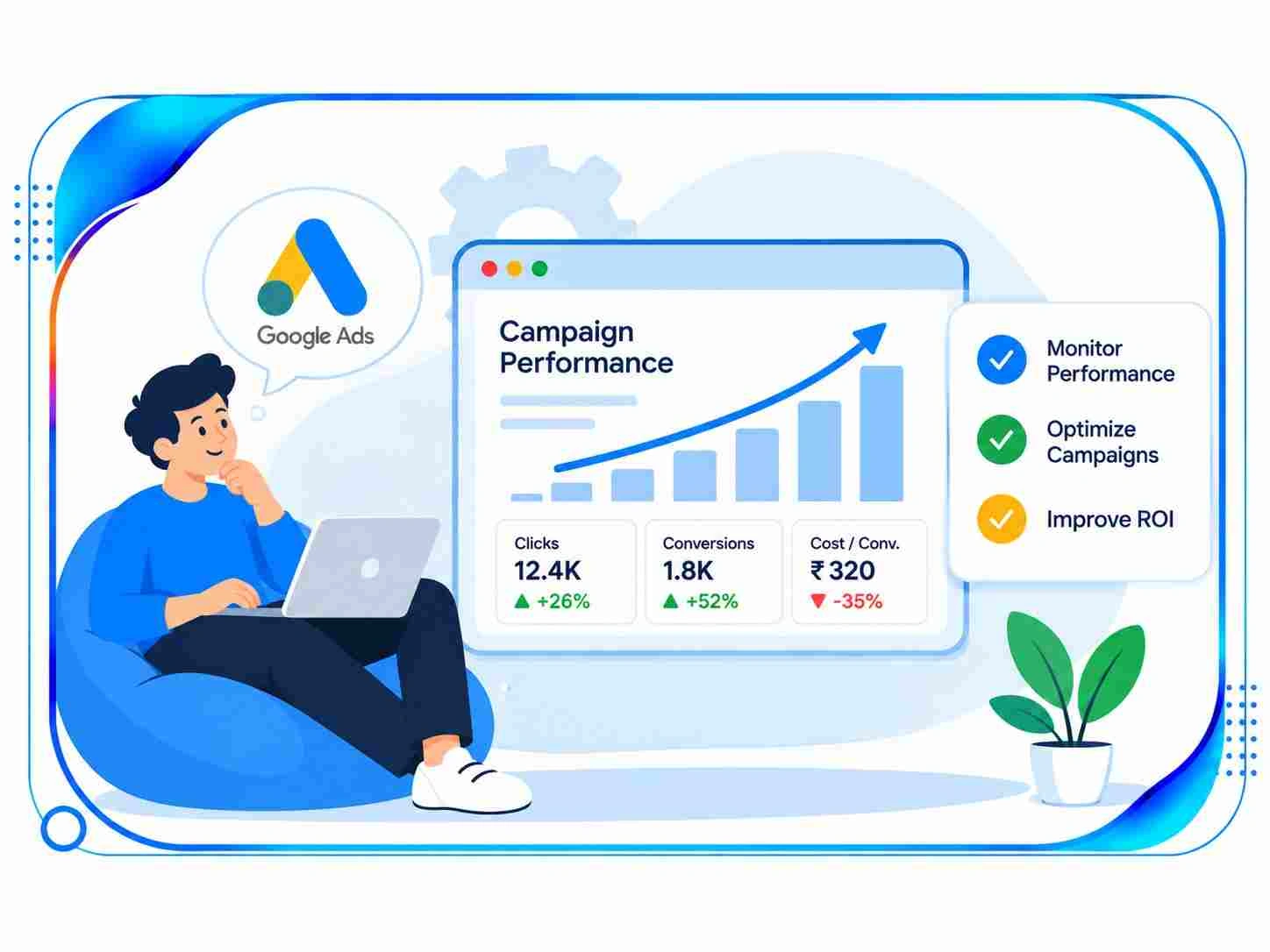
Campaign reviews can include impressions, clicks, click-through rate, average cost per click, conversion rate, total conversions, cost per acquisition, search-query activity, and return on ad spend. The most relevant indicators depend on the objective of each campaign. Reviewing these measurements together helps identify useful keywords, understand audience responses, evaluate advertising expenditure, and determine where further adjustments may be appropriate.
Your participation is particularly helpful during the initial planning stage, when we gather information about your offerings, business priorities, preferred audiences, target areas, and important conversion actions. After the campaign structure and measurement process are established, our team can oversee routine account reviews, keyword adjustments, bidding, advertisement testing, and performance analysis. We also share progress updates and recommendations so you remain informed about campaign activity and future opportunities.