
Powering Digital Growth for Businesses Across Industries




















Our Success Stories







Why Partner With Us?
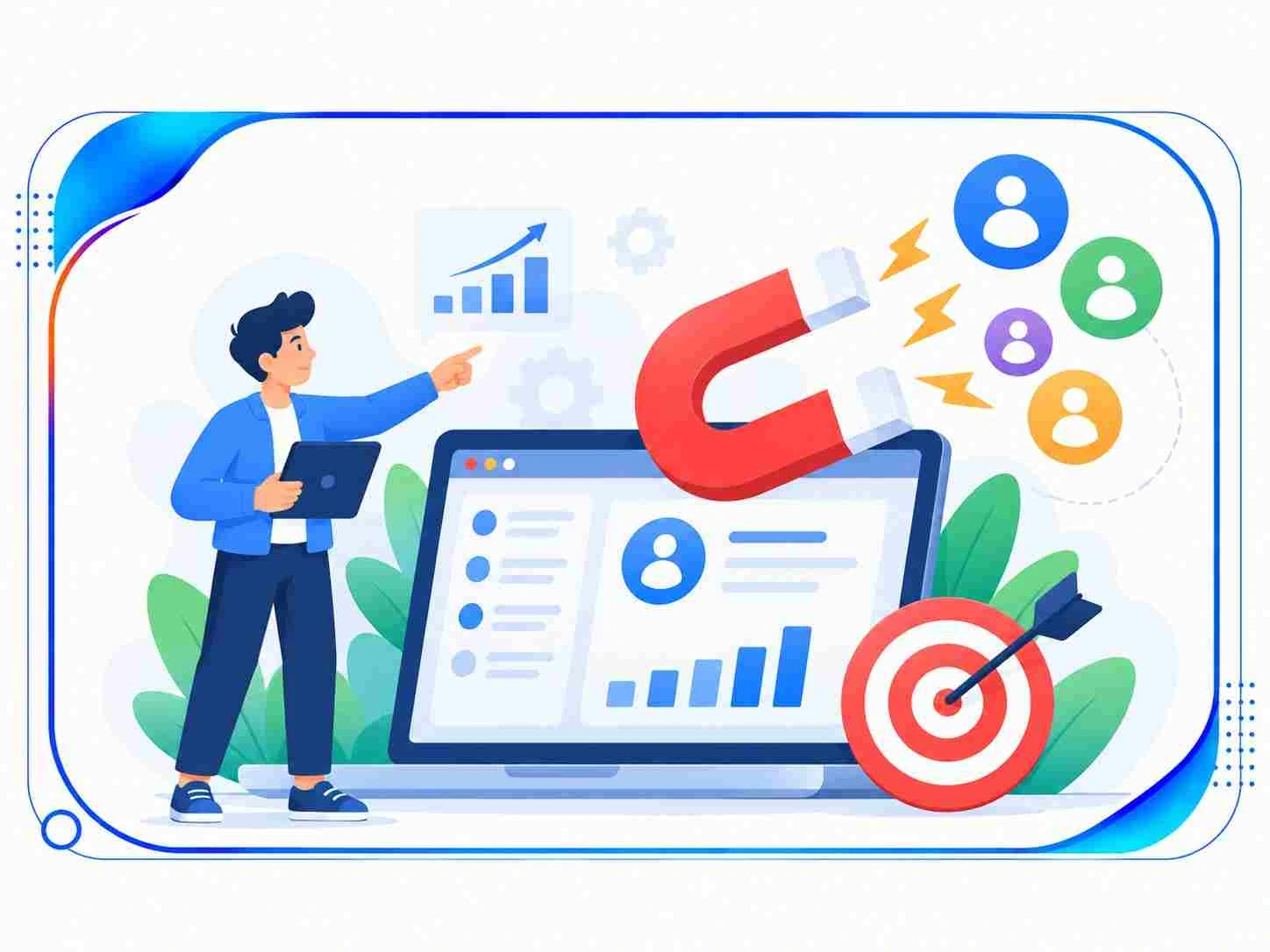
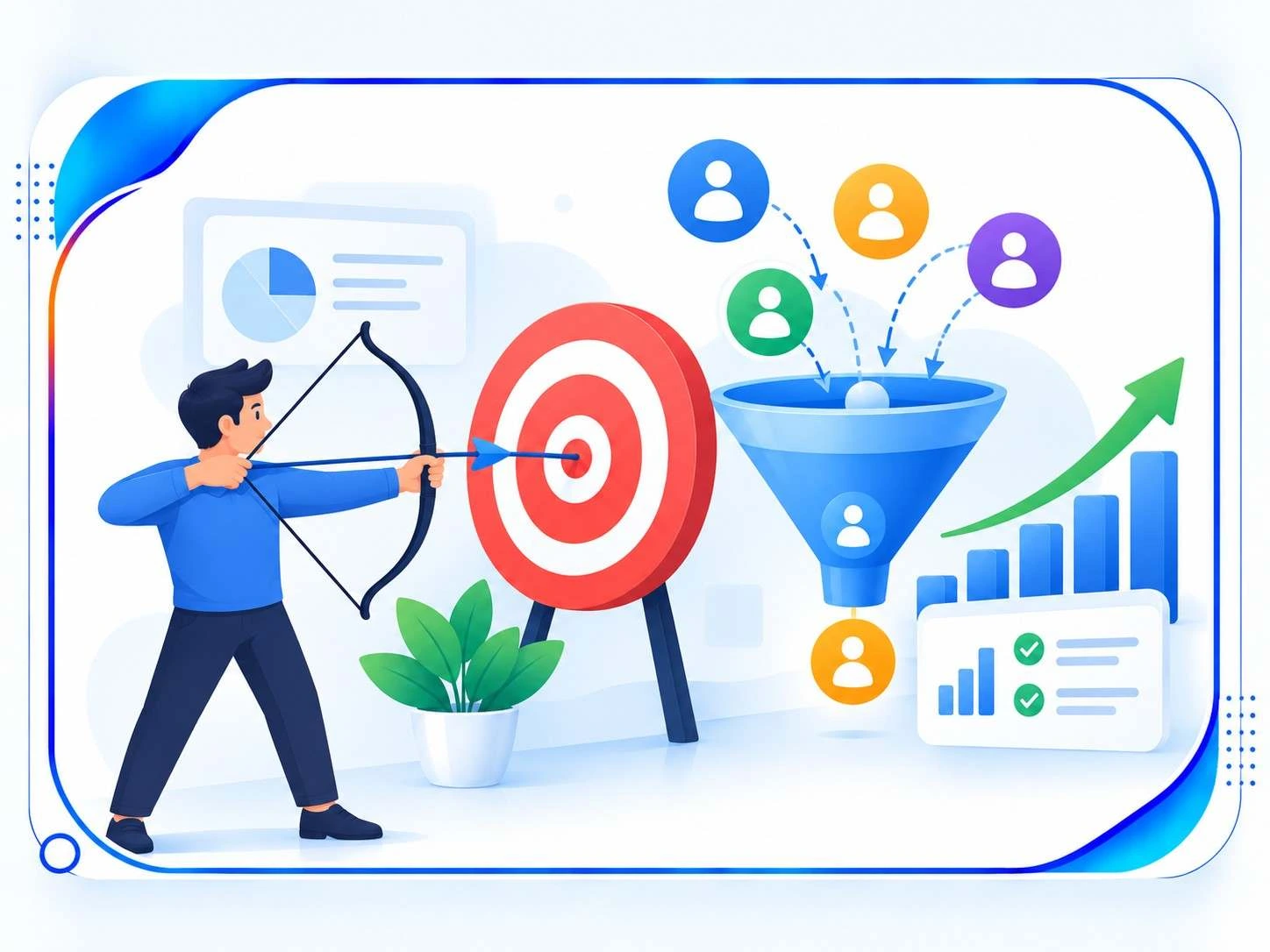
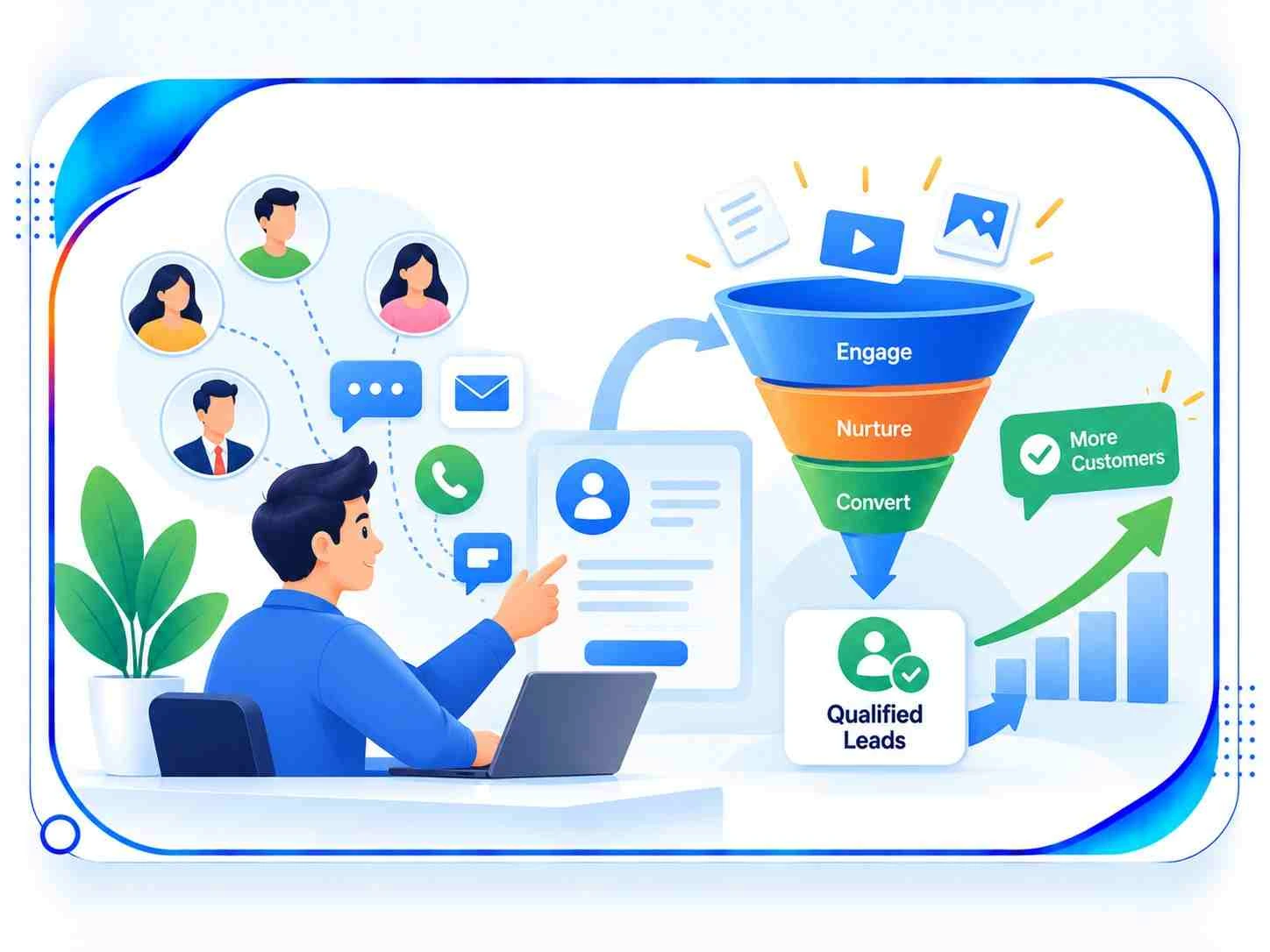
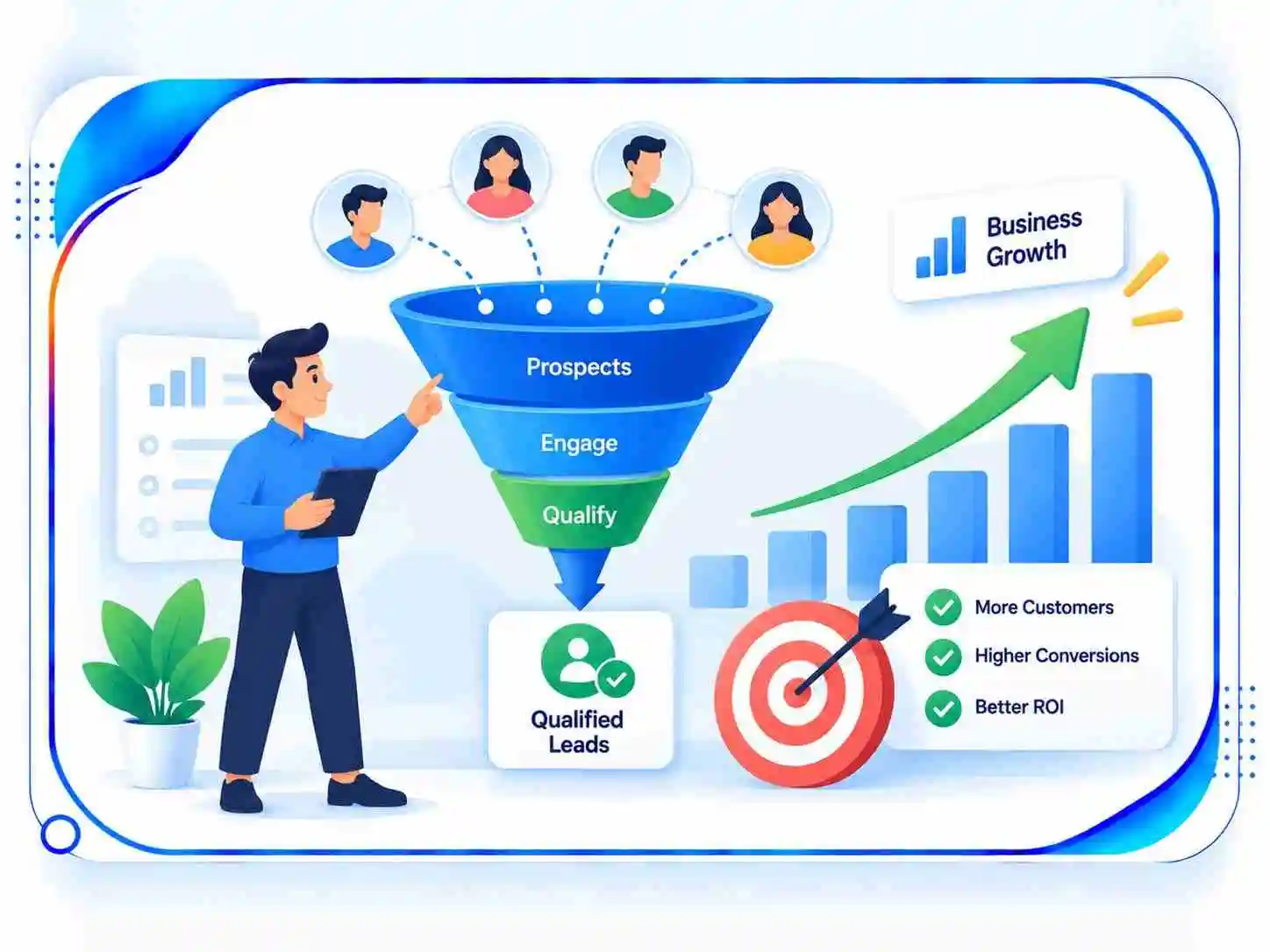
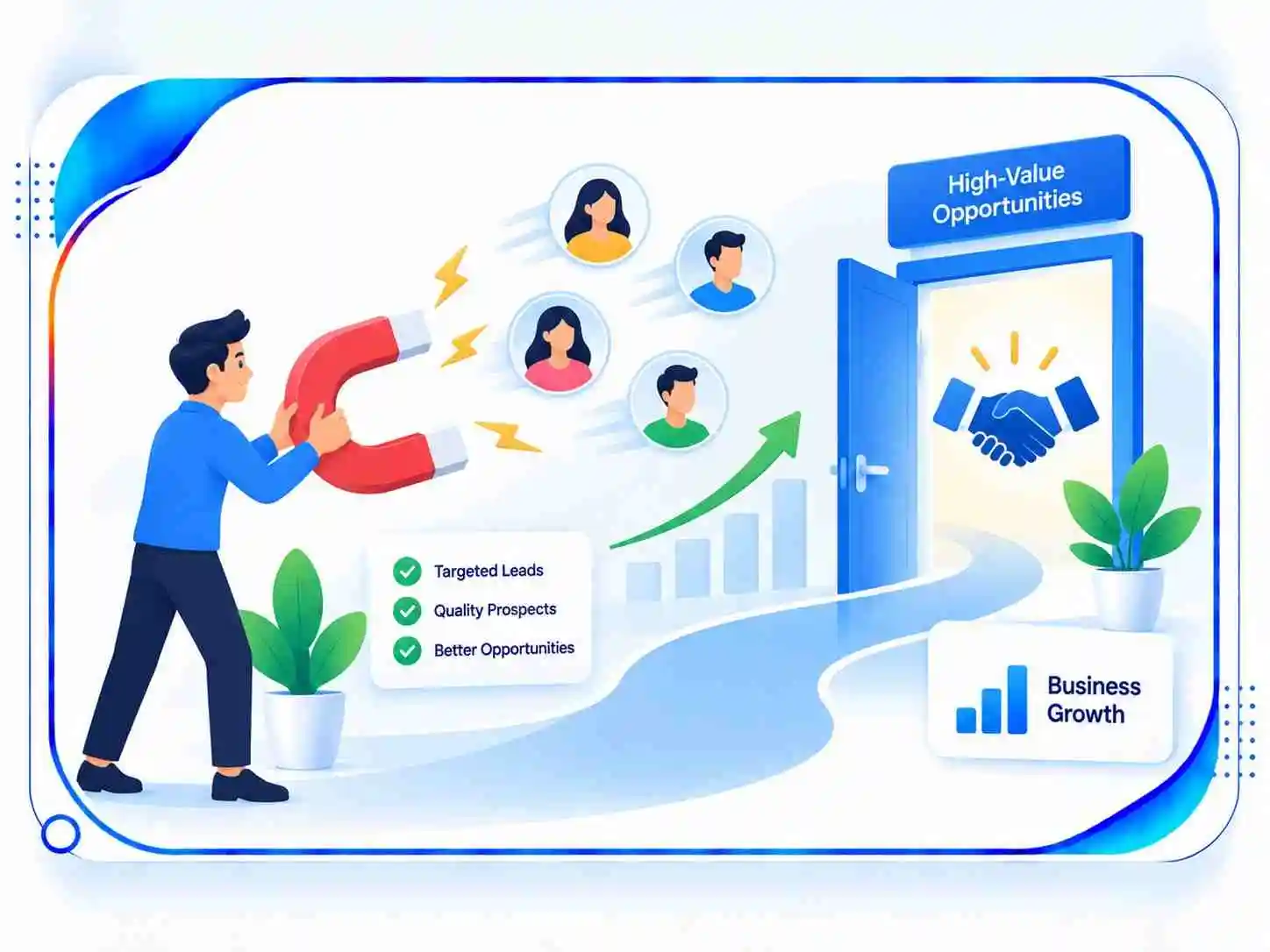
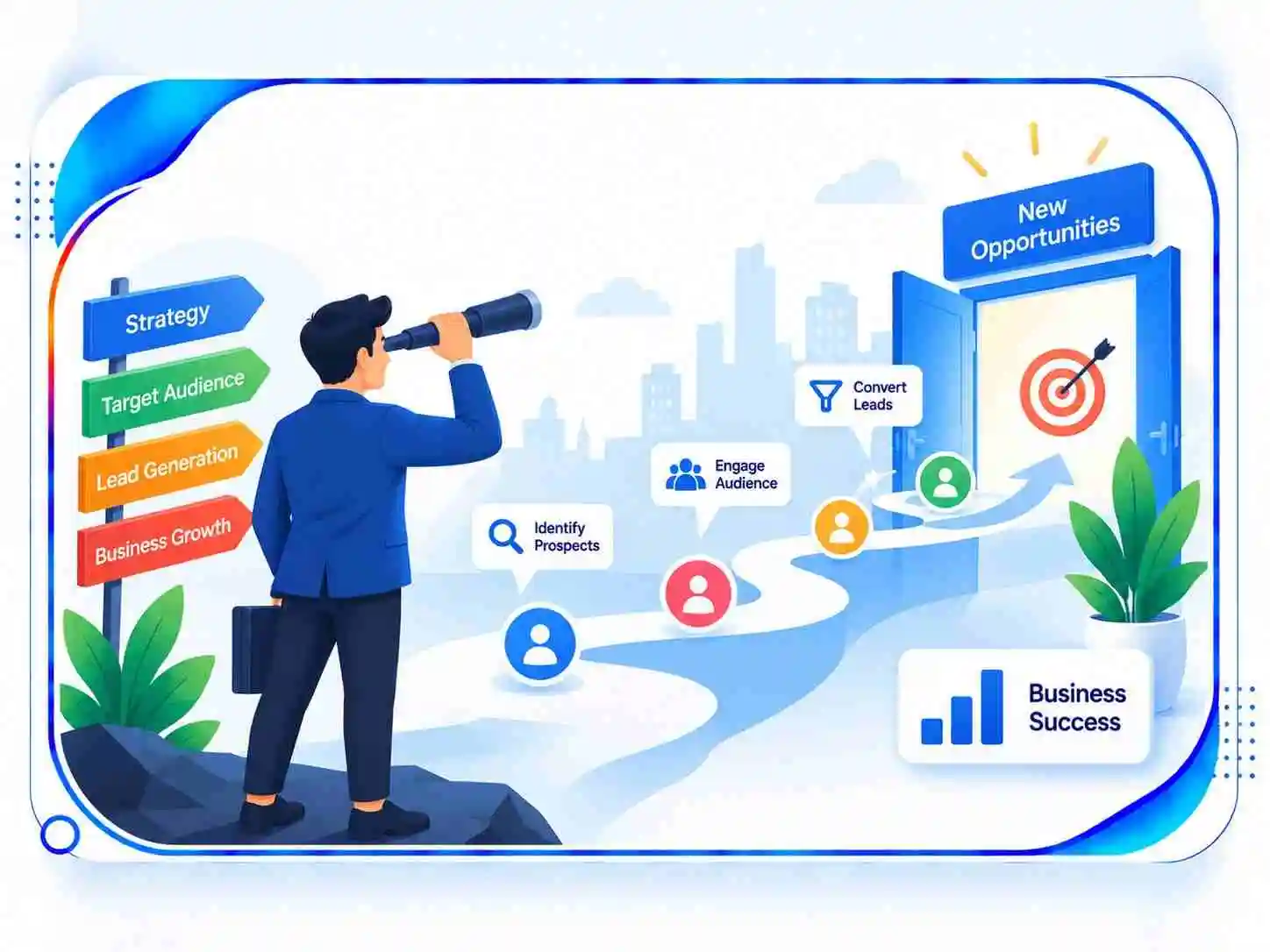
Our Lead Generation Services in Toronto, Canada help businesses discover promising prospects, expand their customer base, and develop stronger sales opportunities. We create focused acquisition strategies using search engine optimization, paid advertising, social media campaigns, competitor research, conversion-focused landing pages, prospect nurturing, and results tracking. Our data-informed methods aim to reach relevant audiences and improve campaign effectiveness.
Tailored Lead Generation Plans
Focused Prospect Identification
Planning & Management

Conversion Landing Pages
Lead Nurturing & Follow-Up
Analysis & Refinement
What Makes Linkplux The Best Lead Generation Service in Toronto, Canada?
What Our Clients Say About Us
LinkPlux Lead Generation FAQs
Frequently Asked Questions + more
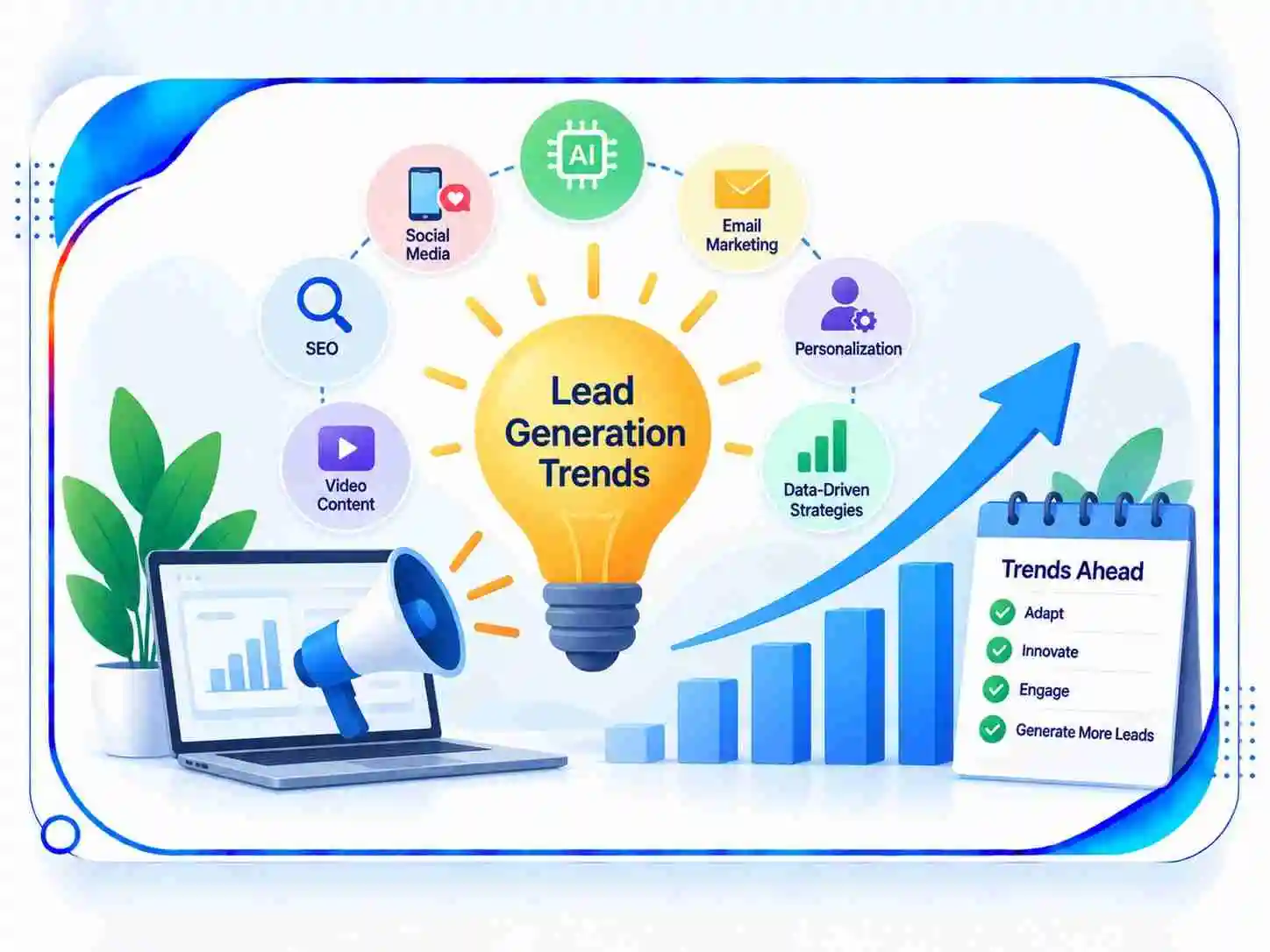
Lead generation services in Toronto help businesses connect with potential customers, encourage relevant enquiries, and develop opportunities for future sales. Depending on business goals, activities may include search engine optimisation, paid advertising, social media campaigns, B2B prospect research, email marketing, landing page improvements, audience targeting, and enquiry tracking.
A planned lead acquisition strategy helps businesses reach relevant audiences, increase suitable enquiries, and create more opportunities for their sales teams. By connecting marketing activities with clear objectives and reviewing campaign performance, companies can understand which channels attract potential customers and where improvements may be needed throughout the sales journey.
Businesses can attract potential customers through organic search, Google Ads, LinkedIn campaigns, paid social media, email outreach, content marketing, remarketing, and dedicated landing pages. The most suitable channel mix depends on the audience, industry, available budget, competition, sales cycle, and the type of enquiry a business wants to receive.
B2B lead generation focuses on identifying businesses, professionals, and decision-makers who may benefit from a company's products or expertise. Common activities include account research, LinkedIn outreach, search campaigns, relevant email communication, industry-specific content, paid promotions, and prospect follow-up. The aim is to connect with suitable organisations and develop enquiries that align with the company's sales objectives.
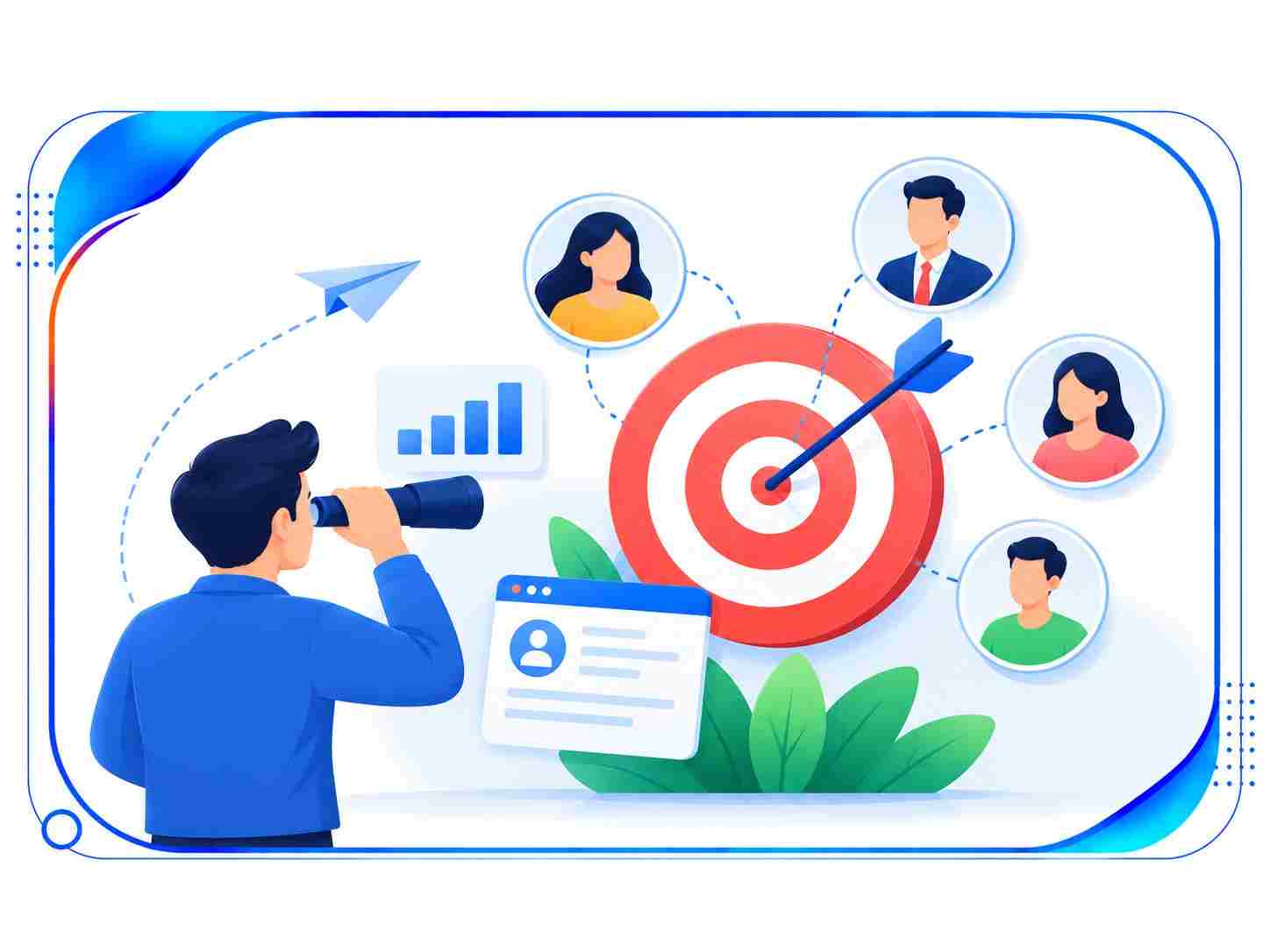
Prospect research can consider customer needs, location, search activity, professional responsibilities, company size, industry, interests, and previous interactions with a business. These details help define relevant audience groups and guide campaign messaging towards people or organisations whose requirements are more closely aligned with the products or services being offered.
Businesses can improve enquiry relevance by refining audience criteria, selecting appropriate search terms, presenting clear offers, improving campaign messaging, and simplifying website forms. Qualification questions and timely responses can also help identify serious prospects. Reviewing sales feedback and conversion data makes it easier to recognise which campaigns are attracting people who match the business's requirements.
Follow-up helps businesses continue conversations with people who have expressed an interest in their offer. Relevant emails, useful information, personalised responses, reminders, and remarketing can address unanswered questions and keep the business accessible while a prospect considers their options. Consistent communication can support the decision-making process, although the final outcome depends on the prospect's needs and timing.
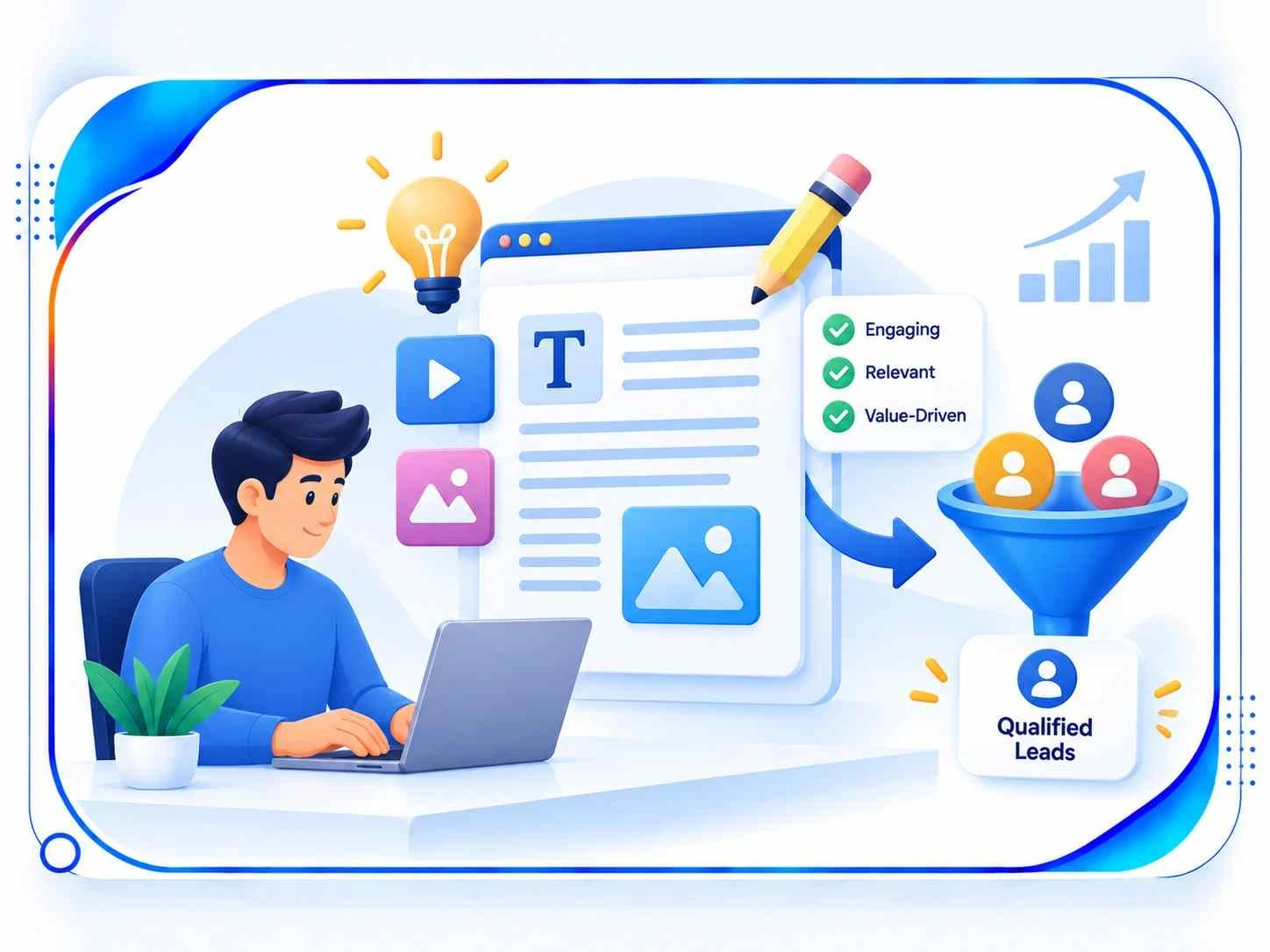
A dedicated landing page gives visitors focused information after they click an advertisement, search result, email, or social media promotion. Clear benefits, relevant details, trust signals, and a simple contact form can make it easier for visitors to understand the offer and enquire. Page content and layout should match the campaign message and the needs of the intended audience.
Yes. Email campaigns can maintain contact with interested prospects by sharing useful resources, service information, relevant updates, and personalised follow-up messages. When communication is appropriate and complies with applicable consent requirements, it can encourage recipients to request further details, arrange a discussion, or continue exploring an offer. Results depend on audience relevance, message quality, and timing.
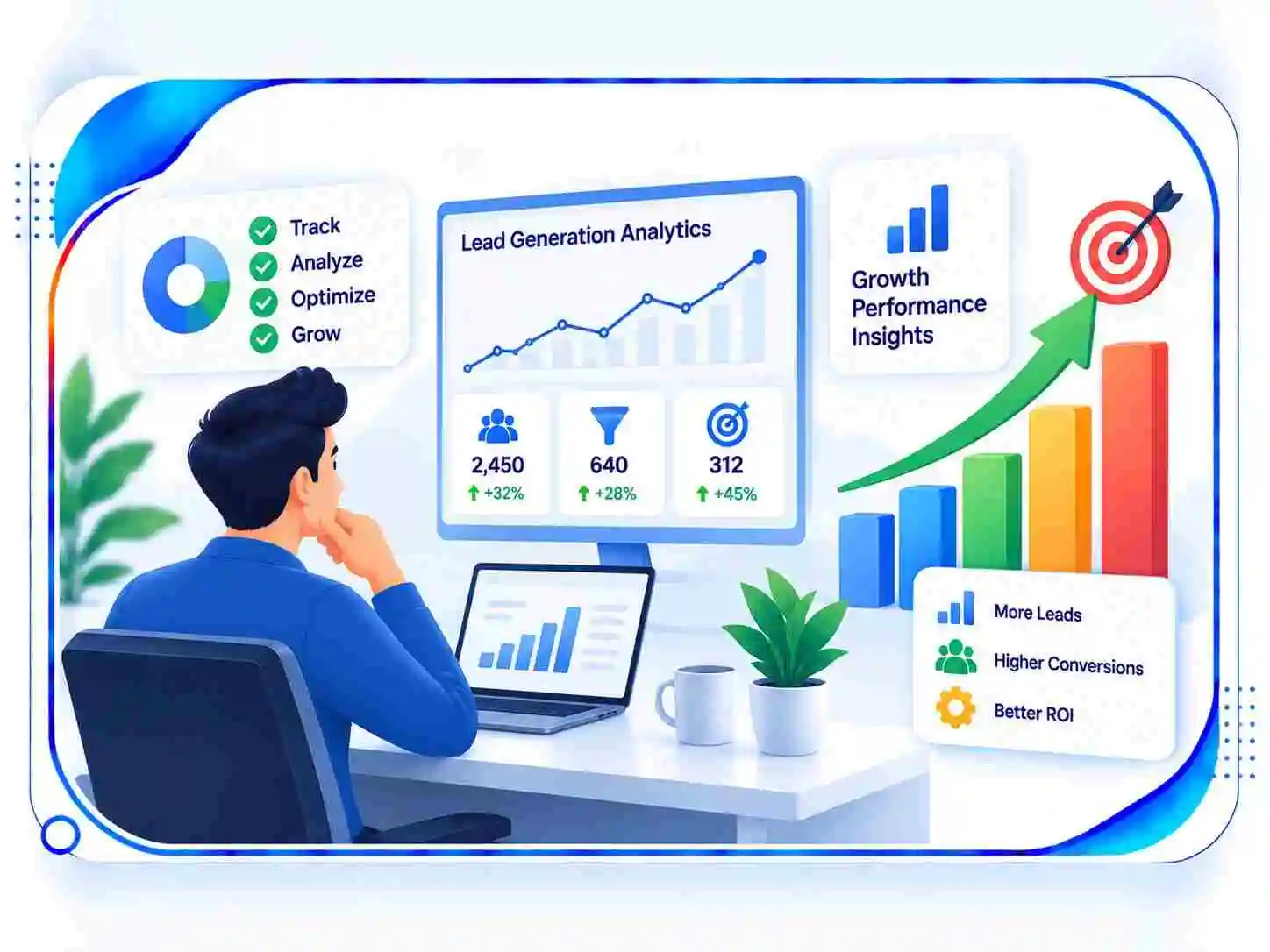
Useful measures may include total enquiries, qualified prospects, conversion rate, cost per lead, customer acquisition cost, advertising engagement, form submissions, appointment bookings, and progress through the sales pipeline. Tracking these indicators helps businesses compare campaign channels, understand where prospects disengage, and identify areas where targeting, messaging, or follow-up may need adjustment.
The time required depends on the chosen channels, market demand, competition, campaign budget, offer, website experience, and sales cycle. Paid campaigns may begin generating enquiries soon after launch, while SEO and content initiatives generally need sustained work to build visibility. Consistent measurement is important for understanding progress, and no particular number of leads or sales can be guaranteed within a fixed period.
Yes. Campaigns can be planned around the needs of technology providers, SaaS businesses, educational organisations, real estate professionals, healthcare practices, financial firms, recruitment agencies, consultants, and other industries. Audience profiles, messaging, channels, offers, qualification standards, and follow-up processes can be adjusted to reflect each sector's customers and purchasing journey.
Lead generation can help smaller organisations focus on clearly defined audiences, select channels that fit their budgets, and measure meaningful marketing activity. Startups may begin with a specific customer segment and a small set of campaigns before expanding their approach. A realistic plan should consider available resources, sales capacity, customer value, and the time needed to assess campaign performance.
Businesses can strengthen their approach by updating customer profiles, researching search intent, refining campaign messages, improving landing pages, simplifying contact forms, and responding to enquiries promptly. Reviewing sales feedback and campaign analytics can highlight useful changes. Depending on the agreed scope, appointment scheduling, lead qualification, email follow-up, and ongoing performance reviews may also help businesses manage prospects more effectively.