
Powering Digital Growth for Businesses Across Industries




















Our Success Stories







Why Choose LinkPlux as Your Social Media Marketing Agency in London, UK?
We help London brands turn social platforms into valuable channels for visibility, customer connections, and business opportunities. Our approach blends platform-specific planning, compelling visuals, organic publishing, targeted promotions, and community building with actionable insights to strengthen brand reputation, attract potential customers, and support sustainable digital growth.
Specific Marketing Plans
Storytelling & Visual Design
Building & Interaction

Paid Social Advertising Solutions
Insights & Performance Tracking
Expansion & Market Reach
What Makes Linkplux Social Media Marketing Agency in London, UK?
What Our Clients Say About Us
LinkPlux Social Media Marketing FAQs
FAQ + more
Our social media marketing solutions help London businesses strengthen their online identity and communicate effectively with prospective customers. Based on your objectives, activities may include brand positioning, audience profiling, creative development, social channel administration, promotional campaigns, community interaction, paid advertising, competitor research, and performance evaluation.
Social networks offer businesses opportunities to introduce their offerings, build credibility, and reach people beyond their existing customer base. Through informative posts, creative storytelling, targeted promotions, and regular audience interaction, brands can attract attention, encourage enquiries, increase referral traffic, and develop stronger commercial relationships over time.
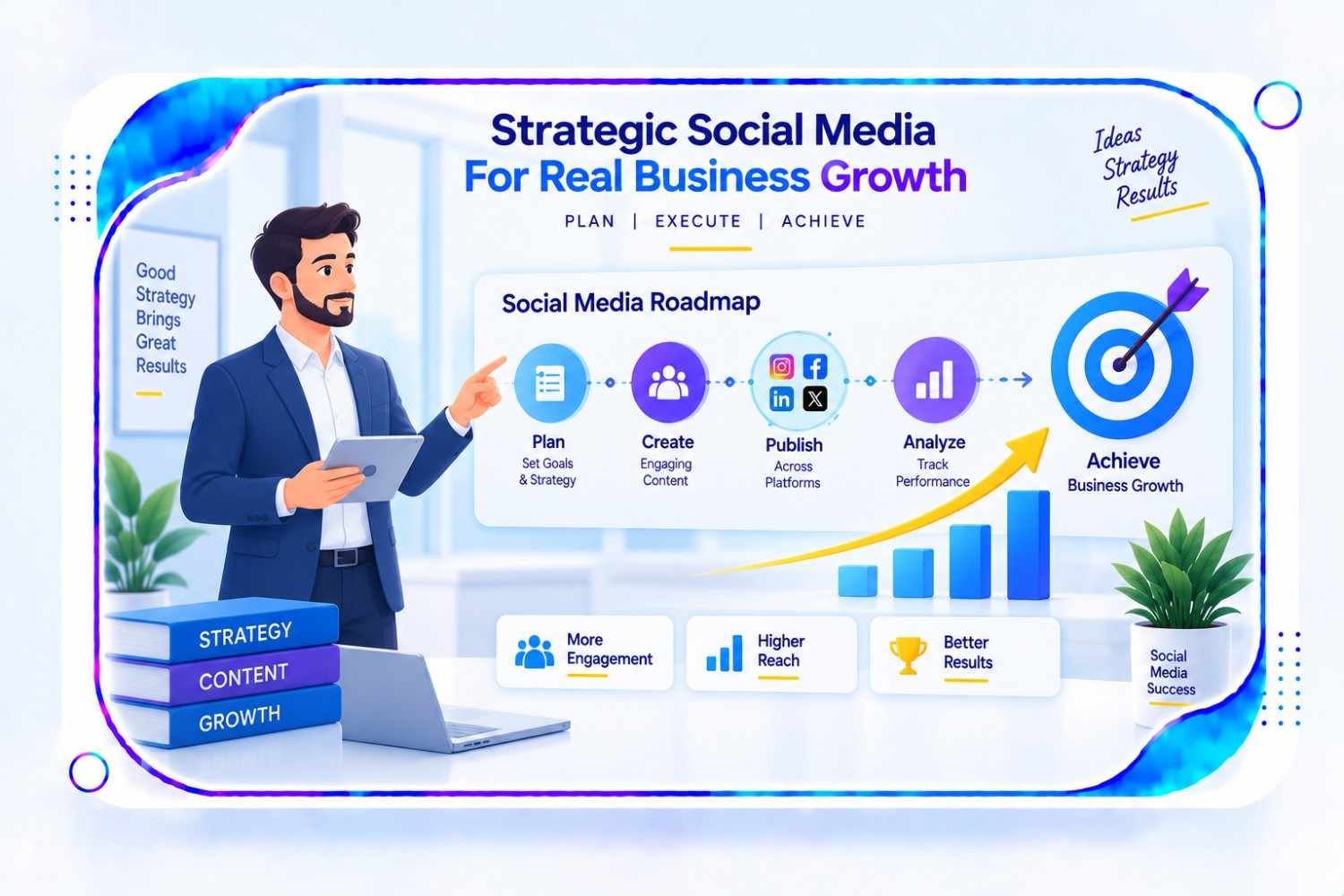
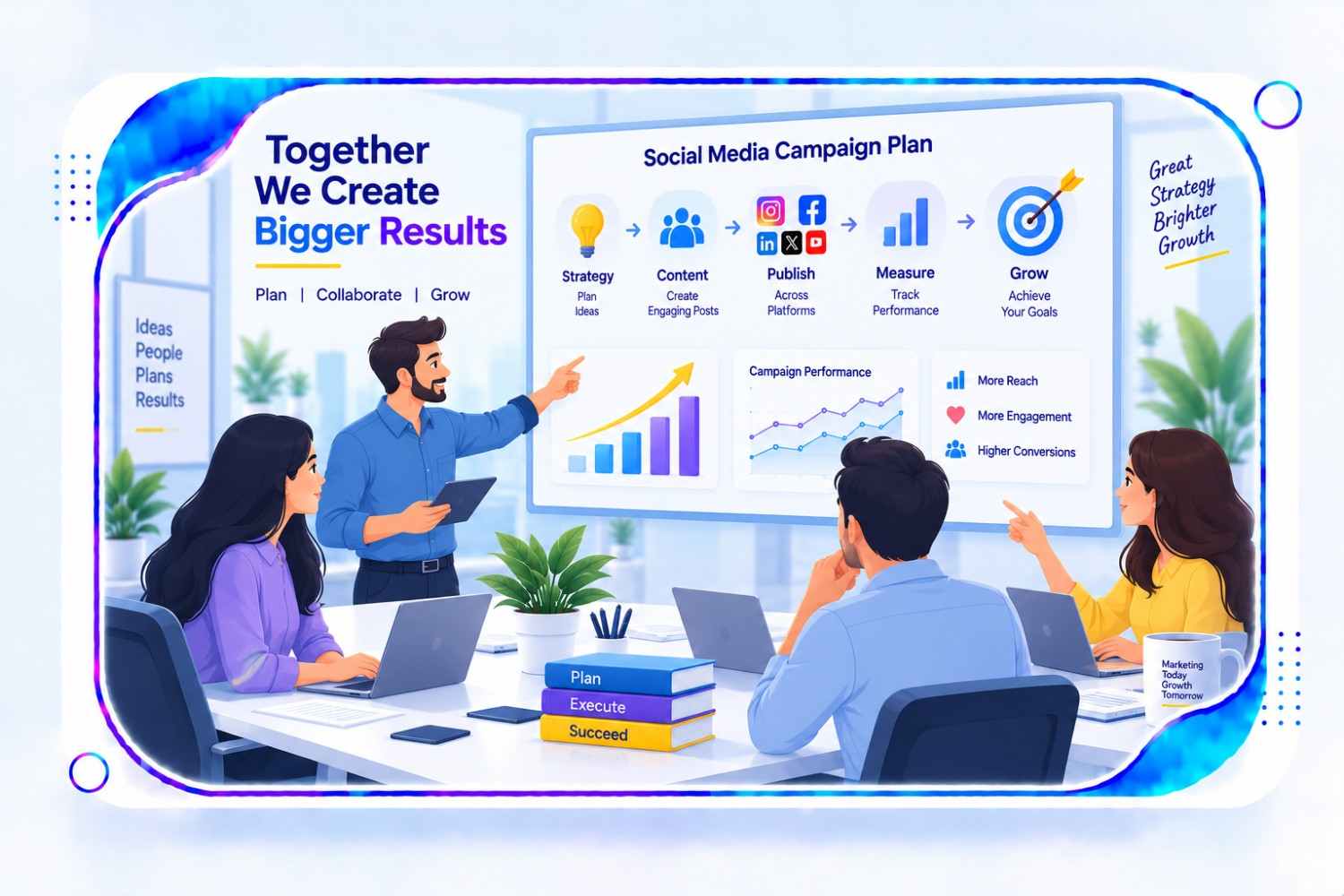
Campaign preparation begins with understanding your commercial priorities, customer expectations, available resources, brand positioning, and competitive environment. Businesses should also determine the most suitable platforms, communication style, promotional budget, creative requirements, campaign timelines, and measurable objectives before publishing content or investing in advertising.
A consistent digital identity makes it easier for people to recognise, remember, and understand your business. Carefully developed visuals, distinctive messaging, informative publications, behind-the-scenes stories, customer experiences, and platform-specific communication help express your brand personality while presenting a cohesive image across Instagram, Facebook, LinkedIn, YouTube, and other networks.
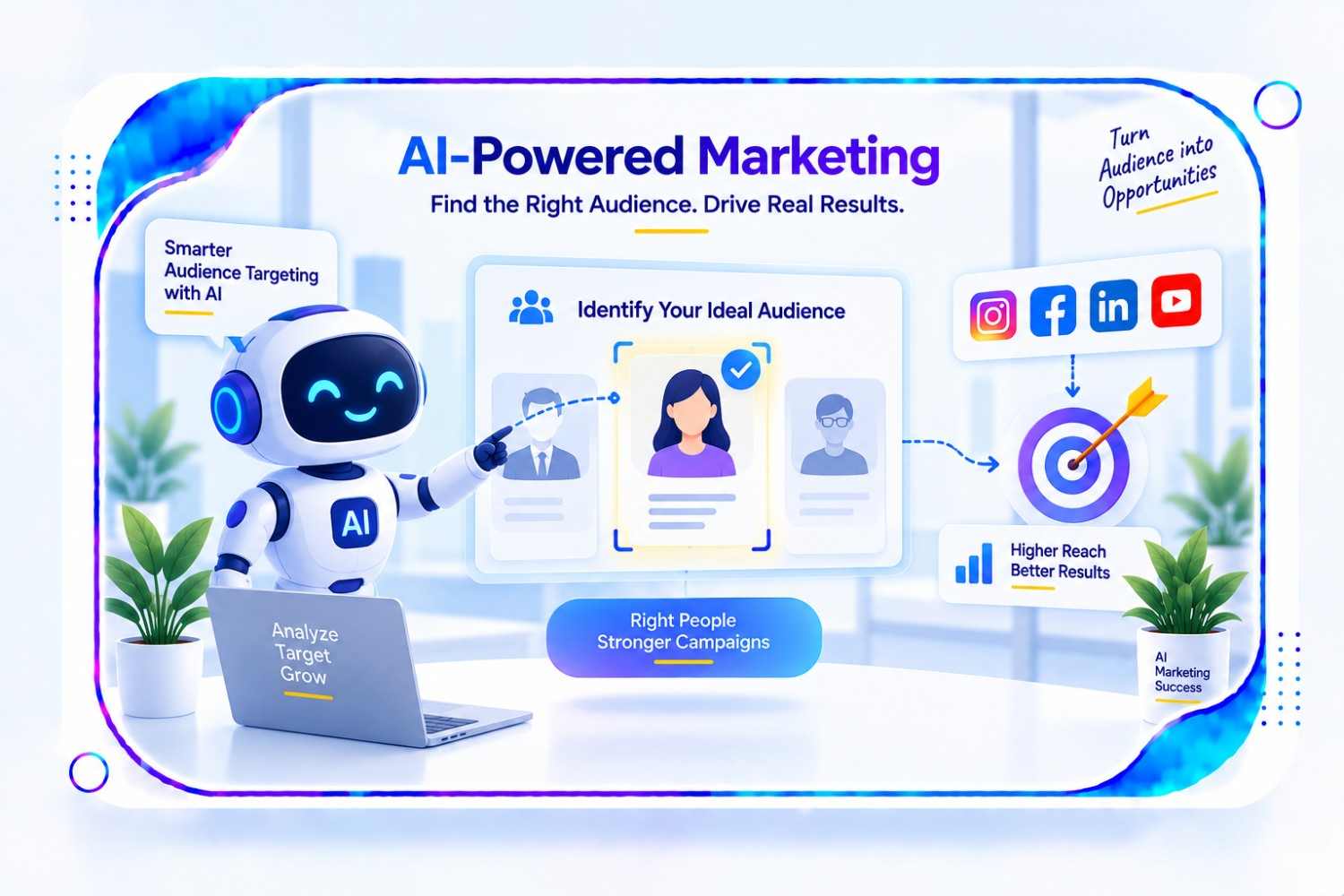
Identifying potential customers involves analysing location, age groups, interests, professional backgrounds, online activities, buying motivations, and interactions with similar brands. These insights help businesses define audience segments, create relevant communication, select appropriate advertising parameters, and deliver promotions to people whose interests align with their products or services.
Standing out requires more than publishing similar content to other businesses within your industry. Brands can build distinction through original creative concepts, specialised knowledge, authentic customer stories, recognisable design, valuable educational material, and memorable messaging. Examining competitor activity helps uncover content gaps and develop a more distinctive online presence.
Account management involves maintaining business profiles, posting updates, moderating conversations, replying to followers, and keeping brand channels active. Promotional campaigns are more focused on achieving specific outcomes through planned messaging, paid reach, audience acquisition, product awareness, website visits, lead generation, and measurable marketing objectives.
Advance scheduling enables businesses to organise upcoming promotions, prepare creative materials, and maintain a steady flow of communication without depending on daily manual publishing. It supports better coordination between marketing teams, makes seasonal planning easier, reduces missed publishing opportunities, and helps maintain an organised brand presence throughout the month.
Social media provides a useful channel for introducing new products, services, business locations, or brand initiatives. Teaser content, announcement posts, demonstration videos, promotional offers, creator collaborations, and sponsored campaigns can generate curiosity, explain product benefits, reach interested users, and encourage customers to explore a newly introduced offering.
A reliable publishing routine, well-defined brand guidelines, planned creative assets, and organised community responses contribute to consistent social activity. Businesses can maintain momentum by preparing content in advance, balancing promotional and informational posts, reviewing upcoming events, and monitoring their profiles to ensure customers receive timely and relevant communication.
The timeframe for improvement varies according to the starting position of a brand, campaign objectives, competition, publishing frequency, audience relevance, and promotional investment. Advertising may produce quicker visibility or enquiries, whereas organic recognition, customer trust, community development, and sustained engagement typically grow through ongoing activity and strategic refinement.
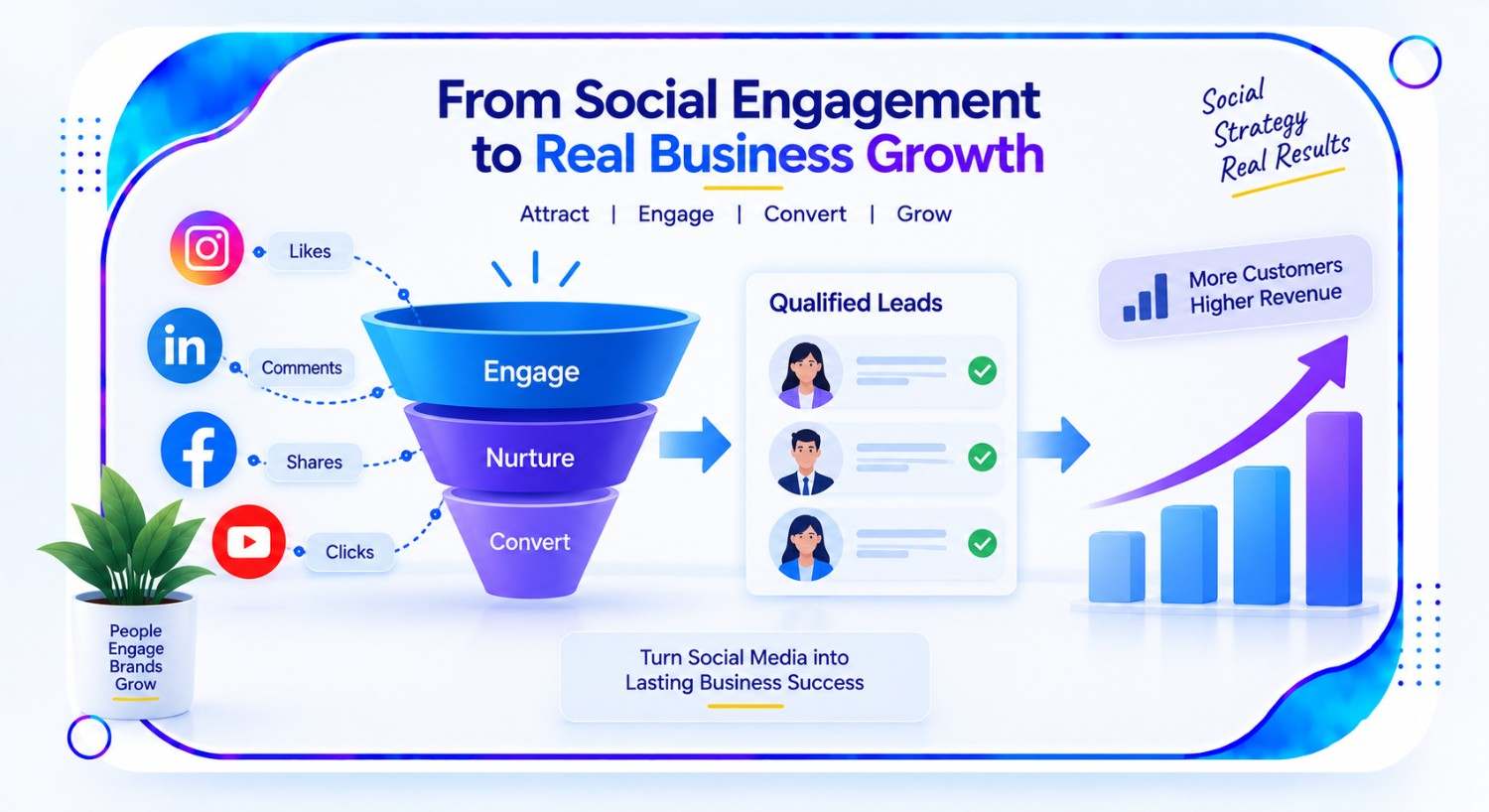
Customer participation can be encouraged through useful information, thought-provoking questions, polls, interactive stories, entertaining videos, community discussions, and personalised responses. When businesses actively listen to feedback and address user concerns, they create a more welcoming online environment that supports trust, strengthens relationships, and makes customers feel valued.
Campaigns can be customised to promote individual services, product categories, seasonal offers, business departments, or specific customer requirements. By adjusting creative themes, audience segments, promotional messages, and content formats for each offering, businesses can communicate more clearly while preserving a unified brand identity across their social channels.
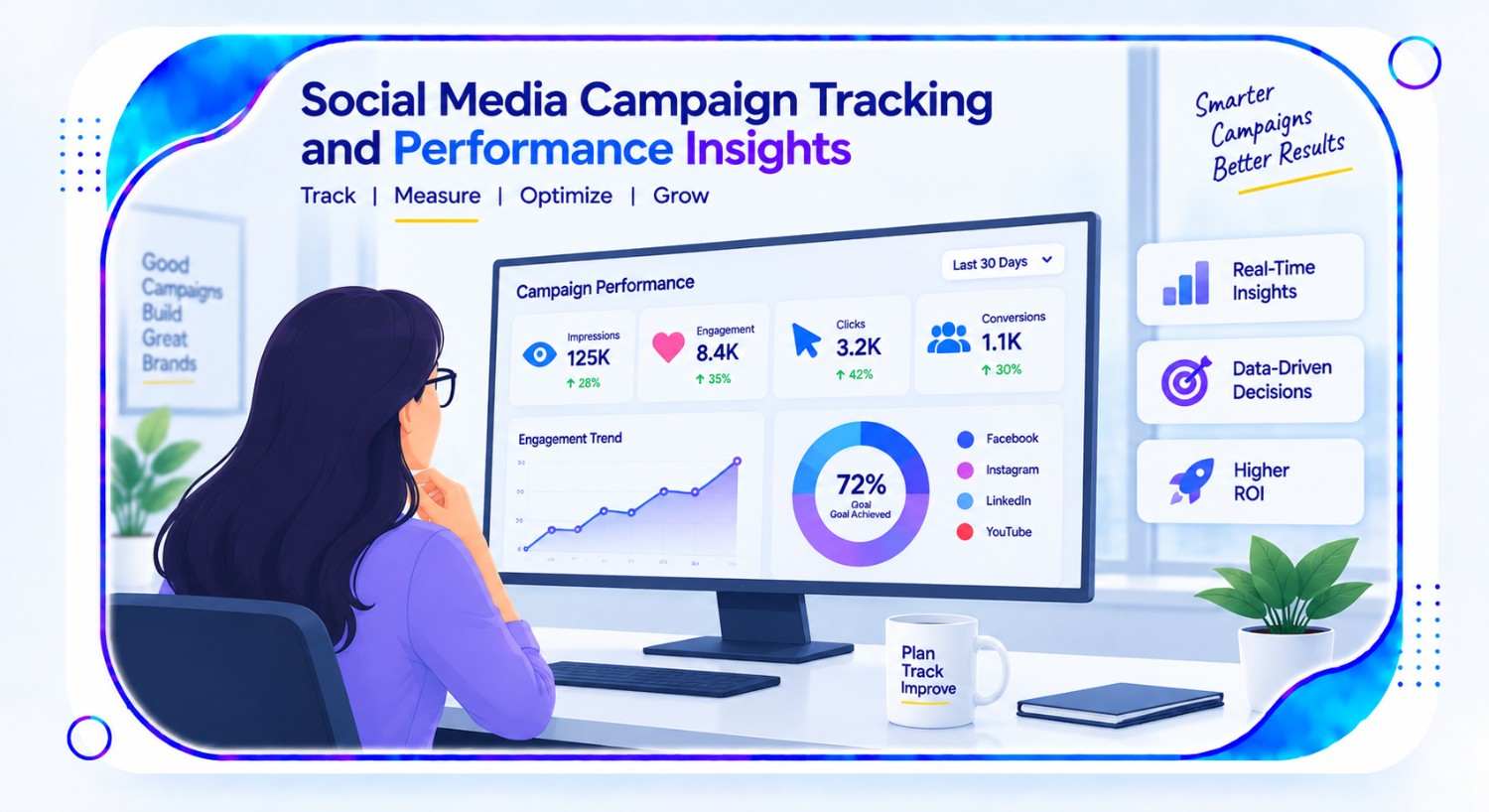
Evaluating campaign outcomes involves reviewing visibility, audience growth, post interactions, video views, profile visits, link clicks, website sessions, enquiries, completed actions, and advertising expenditure. Comparing these figures with campaign objectives helps businesses understand audience behaviour, identify profitable activities, recognise underperforming content, and make better-informed decisions about future marketing investments.