
Powering Digital Growth for Businesses Across Industries




















Our Success Stories







Why Choose Our Expertise?
As an experienced UX design agency in UAE, LinkPlux supports businesses in building engaging digital products through audience analysis, interface development, usability assessments, adaptable layouts, and creative product design services. Our UI/UX design services focus on improving digital accessibility, simplifying interactions, and creating consistent experiences across websites, online stores, and mobile applications through effective design strategies.
Customer Behaviour Analysis
Creative Interface Development
Digital Usability Evaluation

Adaptive Website UI Design
Intuitive Mobile App Experiences
Optimized Customer Navigation
What Makes Linkplux The Best UI & UX Design Service in UAE?

What Our Clients Say About Us
LinkPlux UI & UX Design FAQs
FAQs + more
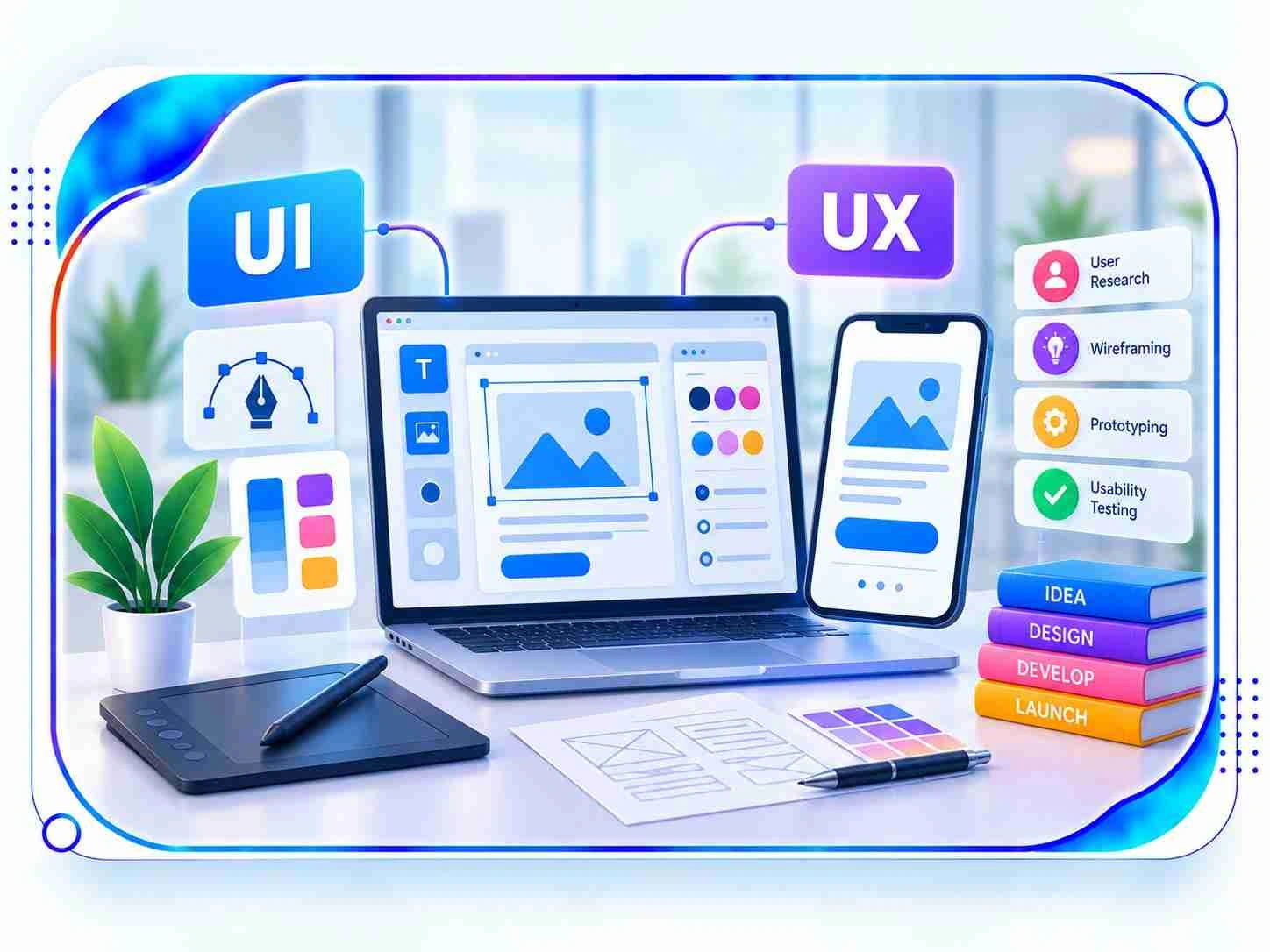
Our UI/UX Design Services in UAE provide a complete approach to creating functional and engaging digital products. Depending on project requirements, our solutions include user research, interface architecture, wireframing, prototyping, responsive layouts, usability testing, visual design, and interaction optimization for websites and mobile applications.
Effective UX design makes digital platforms easier to understand, navigate, and operate. It reduces unnecessary interactions, improves customer satisfaction, supports accessibility, and encourages visitors to complete important activities. A well-planned experience can also contribute to better engagement and conversion opportunities across digital channels.
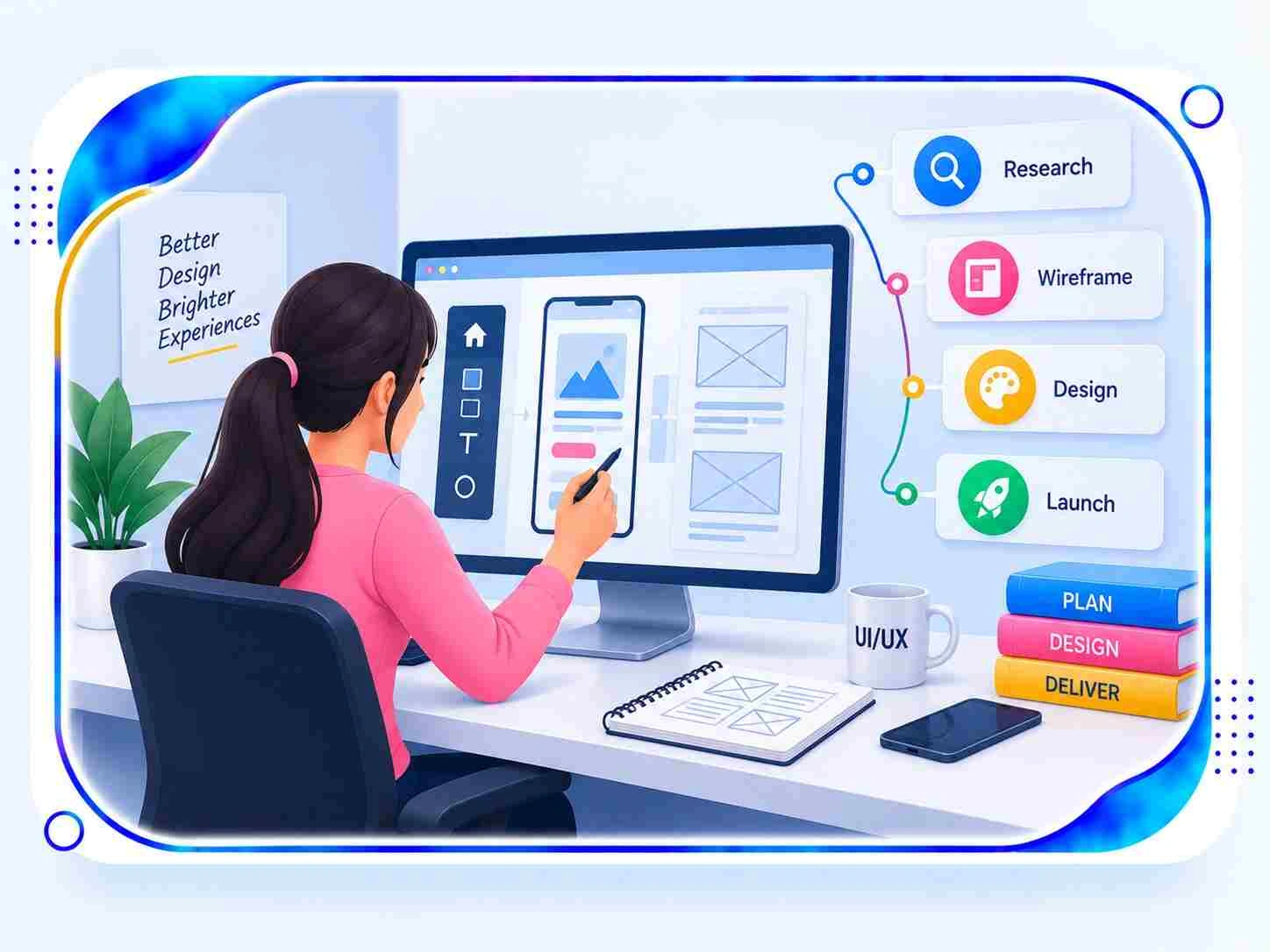
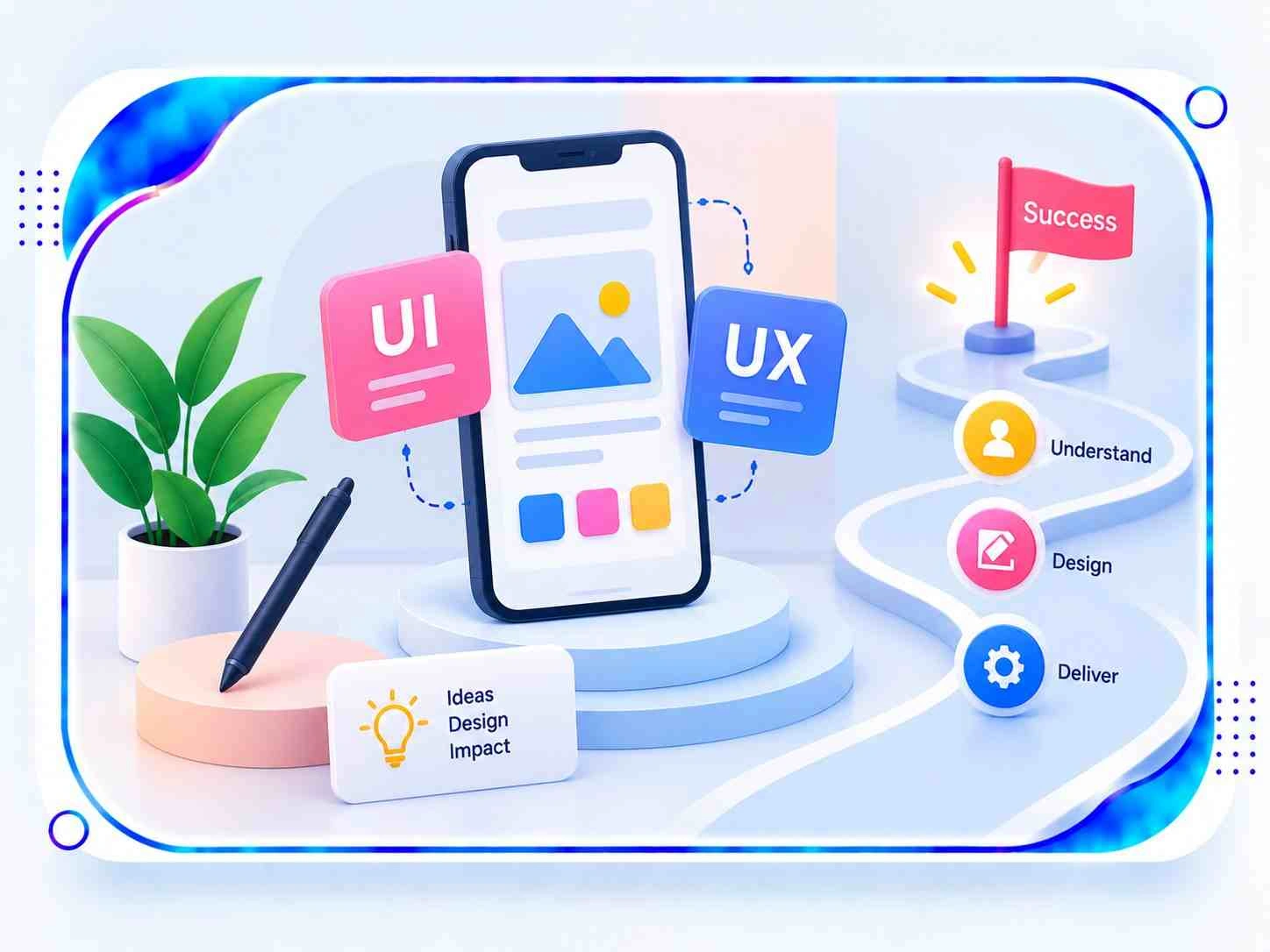
The UX design process generally involves audience research, requirement analysis, information architecture, user journey mapping, wireframe preparation, interface prototyping, usability evaluation, and design refinement. These stages help establish practical navigation structures and ensure that digital products address customer expectations and business requirements.
Website UI design determines how information, navigation menus, typography, colours, buttons, and visual elements appear on a website. An organized interface helps visitors locate relevant content, understand available options, and interact with important features, creating a more convenient browsing experience.
User research services reveal audience expectations, browsing habits, accessibility requirements, and common interaction challenges. Research findings help design teams make informed decisions about product features, navigation, content organization, and interface functionality while reducing the risk of developing solutions that do not meet user needs.
Successful mobile app UX design focuses on simple navigation, touch-friendly controls, readable content, quick access to essential features, and consistent screen behaviour. Following mobile UX guidelines helps designers create convenient applications that accommodate different screen sizes, device capabilities, and customer usage patterns.
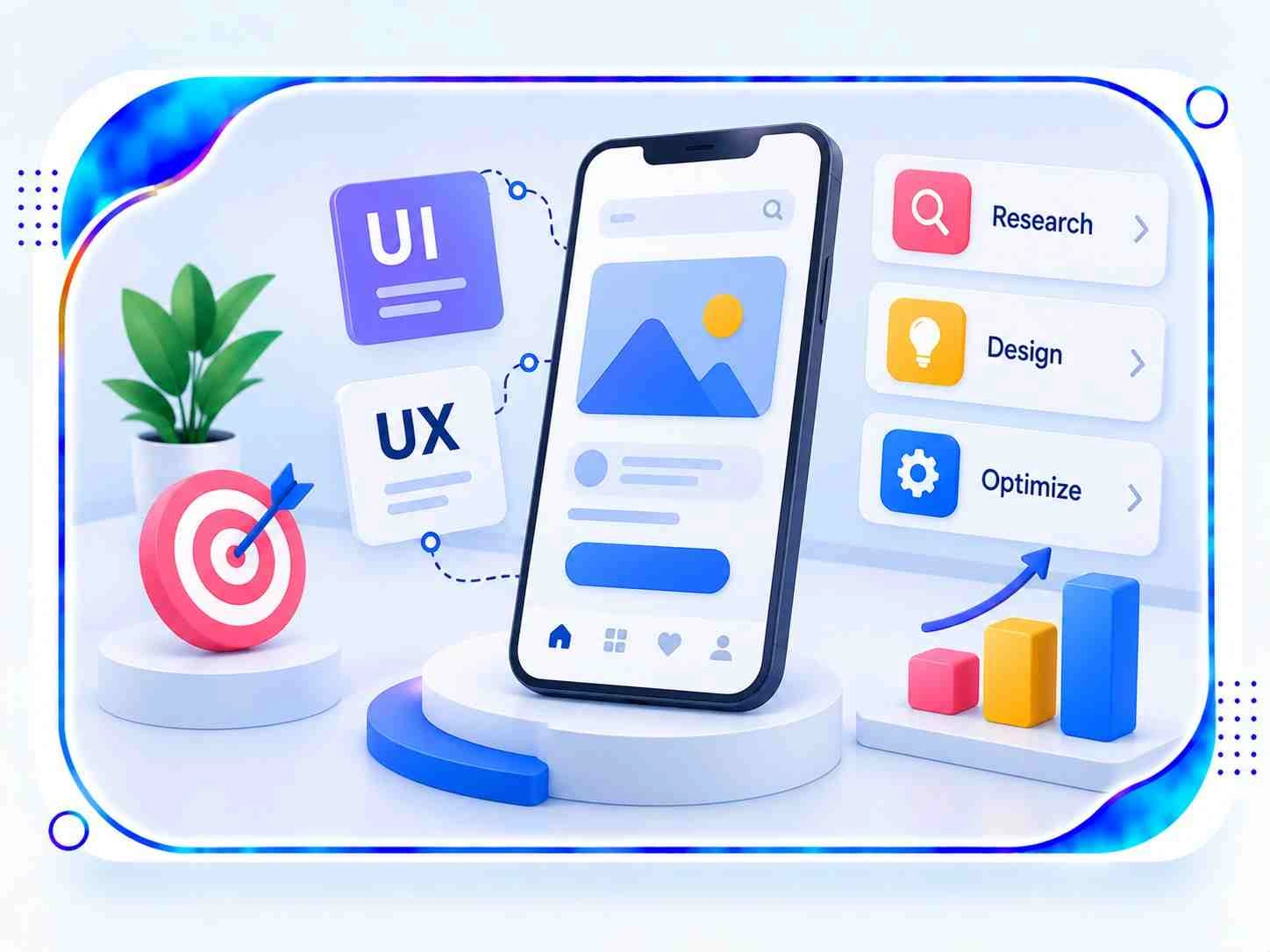
UI design concentrates on the visual and interactive components of a digital interface, including layouts, colours, typography, icons, and buttons. UX design focuses on the complete user journey, usability, accessibility, information structure, and overall interaction quality. Both disciplines work together to create effective digital products.
A design system agency develops reusable interface components, typography rules, colour standards, spacing guidelines, icons, and interaction patterns. These shared resources help maintain consistency across websites and applications, simplify design collaboration, and make future product updates more manageable.
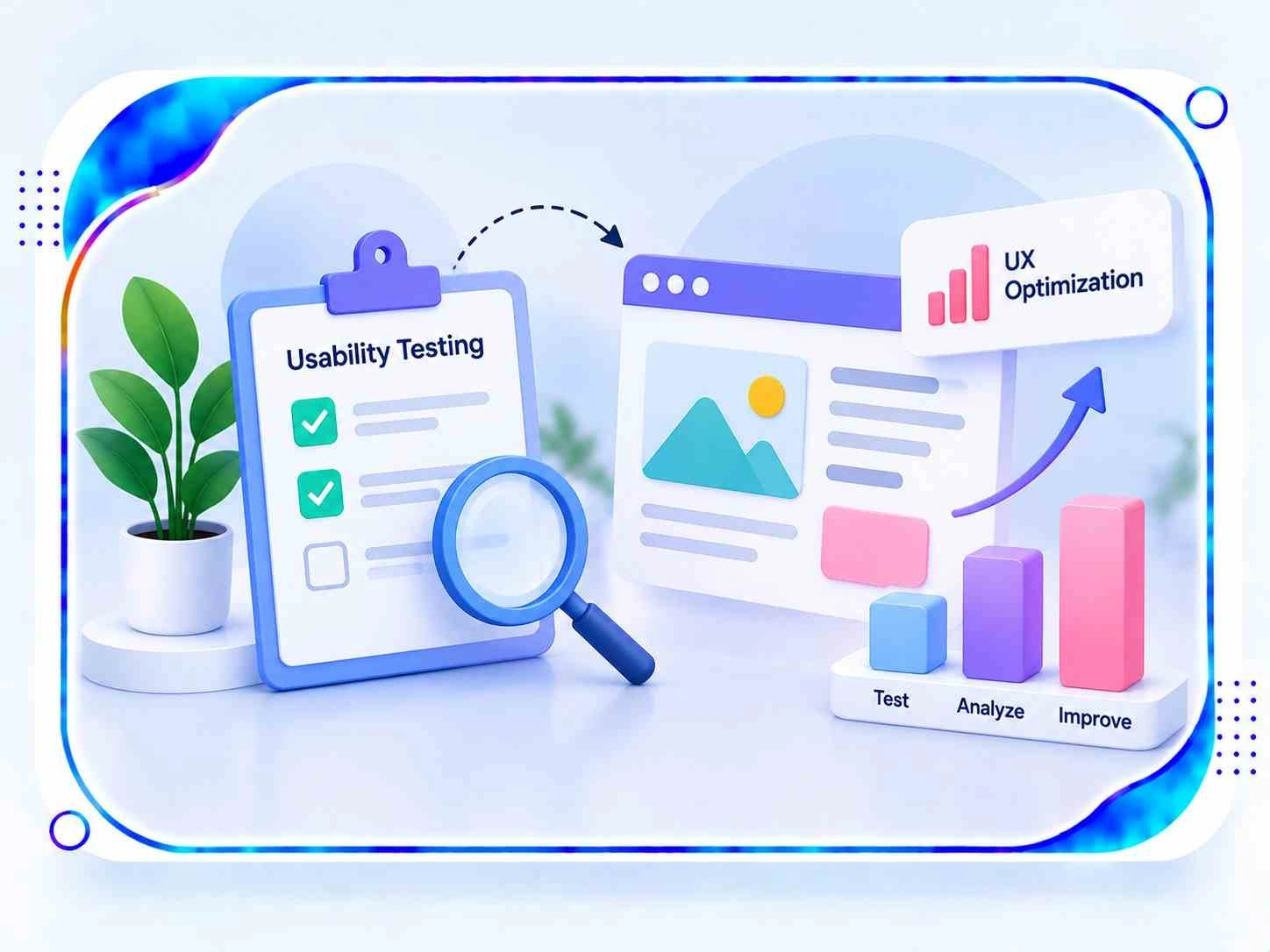
Usability testing services identify navigation problems, unclear instructions, difficult controls, and unnecessary steps through practical user evaluations. The resulting observations help design teams refine page structures, improve task completion, simplify interactions, and make existing digital products easier to operate.
Businesses should review an agency's design portfolio, e-commerce experience, research methods, usability testing approach, and understanding of customer purchasing behaviour. Effective e-commerce UX design should simplify product discovery, category navigation, shopping cart interactions, checkout procedures, and payment experiences across different devices.
The project schedule depends on platform complexity, screen requirements, research activities, prototype development, stakeholder feedback, and testing rounds. A small website interface may require less time than a large application or enterprise product involving extensive user research, multiple design systems, and detailed usability evaluations.
A carefully planned redesign can improve content visibility, simplify navigation, clarify calls to action, and remove barriers within important user journeys. These changes may encourage visitors to explore products, submit enquiries, register accounts, or complete purchases more conveniently. Performance should be evaluated using relevant engagement and conversion metrics.
Responsive UI/UX design allows digital interfaces to adjust to different screen dimensions and device capabilities. It improves content readability, touch interactions, navigation, and accessibility across desktops, tablets, and smartphones, providing customers with a consistent experience regardless of how they access a platform.
UX design performance can be measured through task completion rates, navigation success, usability scores, customer feedback, engagement levels, accessibility results, and conversion activity. Reviewing these indicators against project objectives helps identify successful improvements and areas requiring further interface optimization.