
Powering Digital Growth for Businesses Across Industries




















Our Success Stories







Why Choose Us?
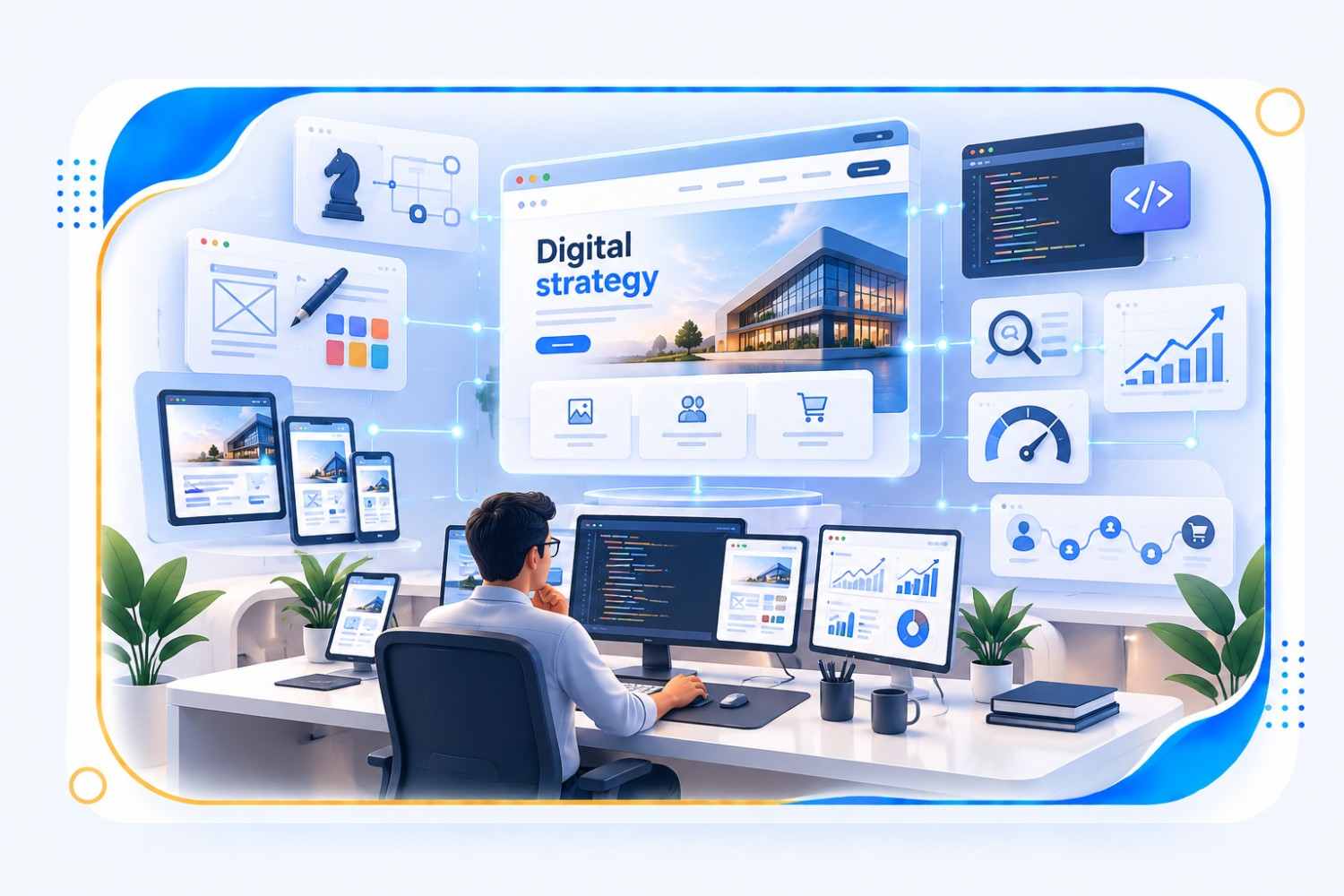
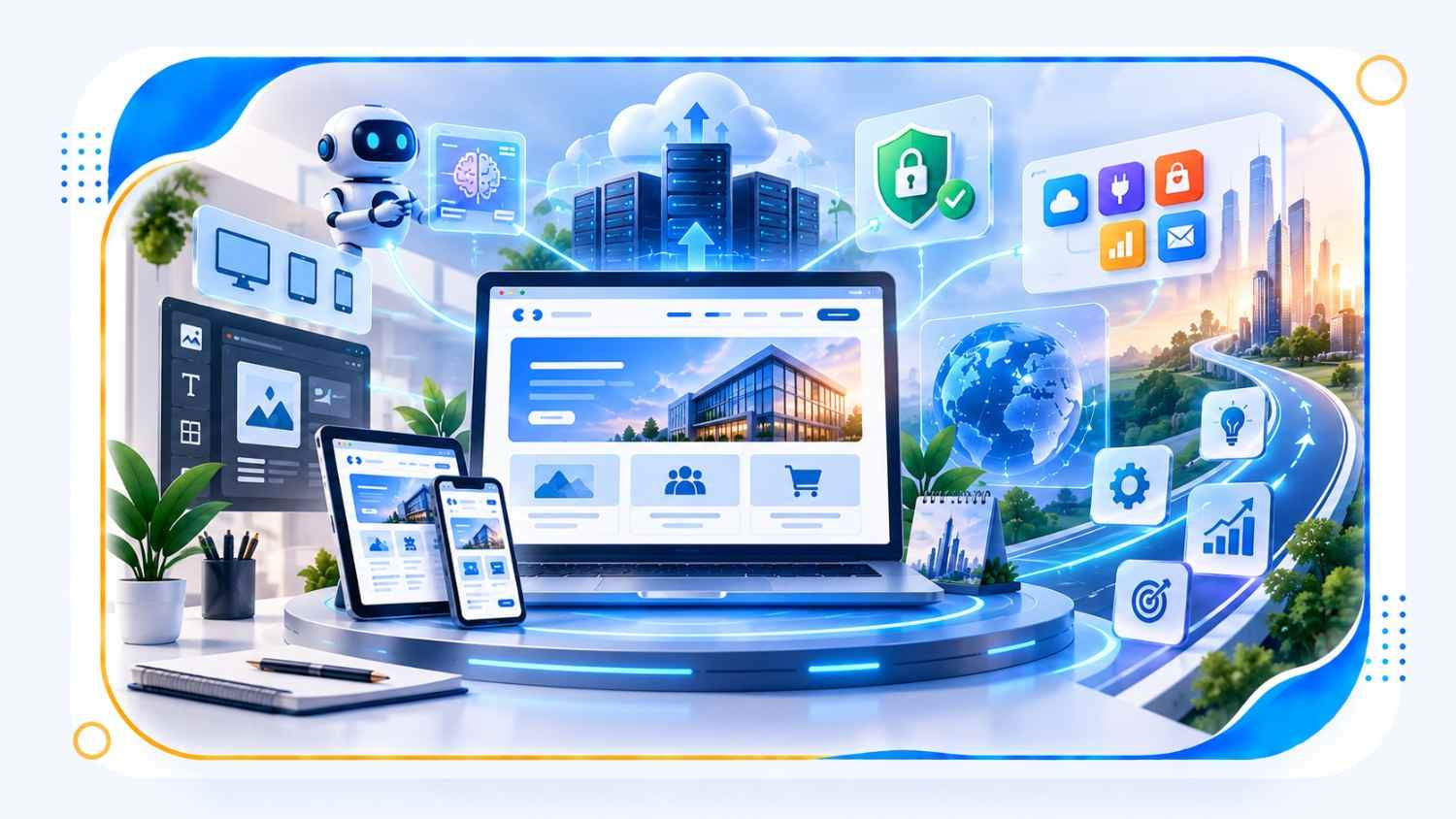
We craft modern digital platforms that balance visual appeal, smooth navigation, technical strength, and business objectives. Our website development solutions help companies establish credibility, simplify customer journeys, support search visibility, and create digital experiences designed for stronger enquiries, conversions, and continued online expansion.
Mobile-First Website Layouts
Website Architecture
Optimized Speed & Protection

Intuitive User Journeys
Tailored Web Applications
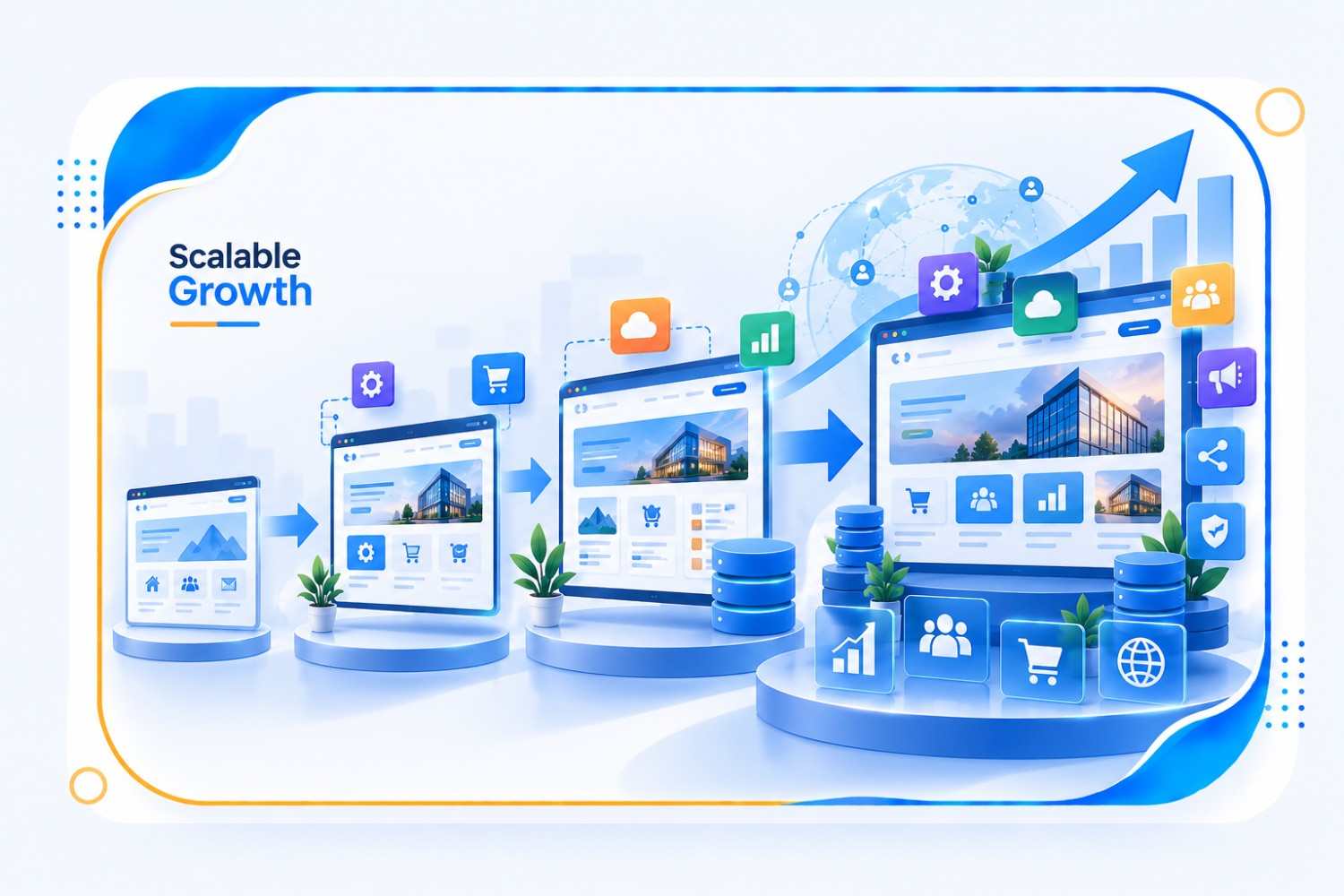
Future-Ready Digital Platforms
What Makes Linkplux The Best Professional Website Design & Development Service Agency?
What Our Clients Say About Us
LinkPlux Web Design & Development FAQs
FAQs + more
Web design and development covers the planning, visual creation, coding, testing, and launch of a website. It can include UI/UX design, responsive layouts, content structure, functionality, integrations, performance optimization, technical SEO, and ongoing maintenance.
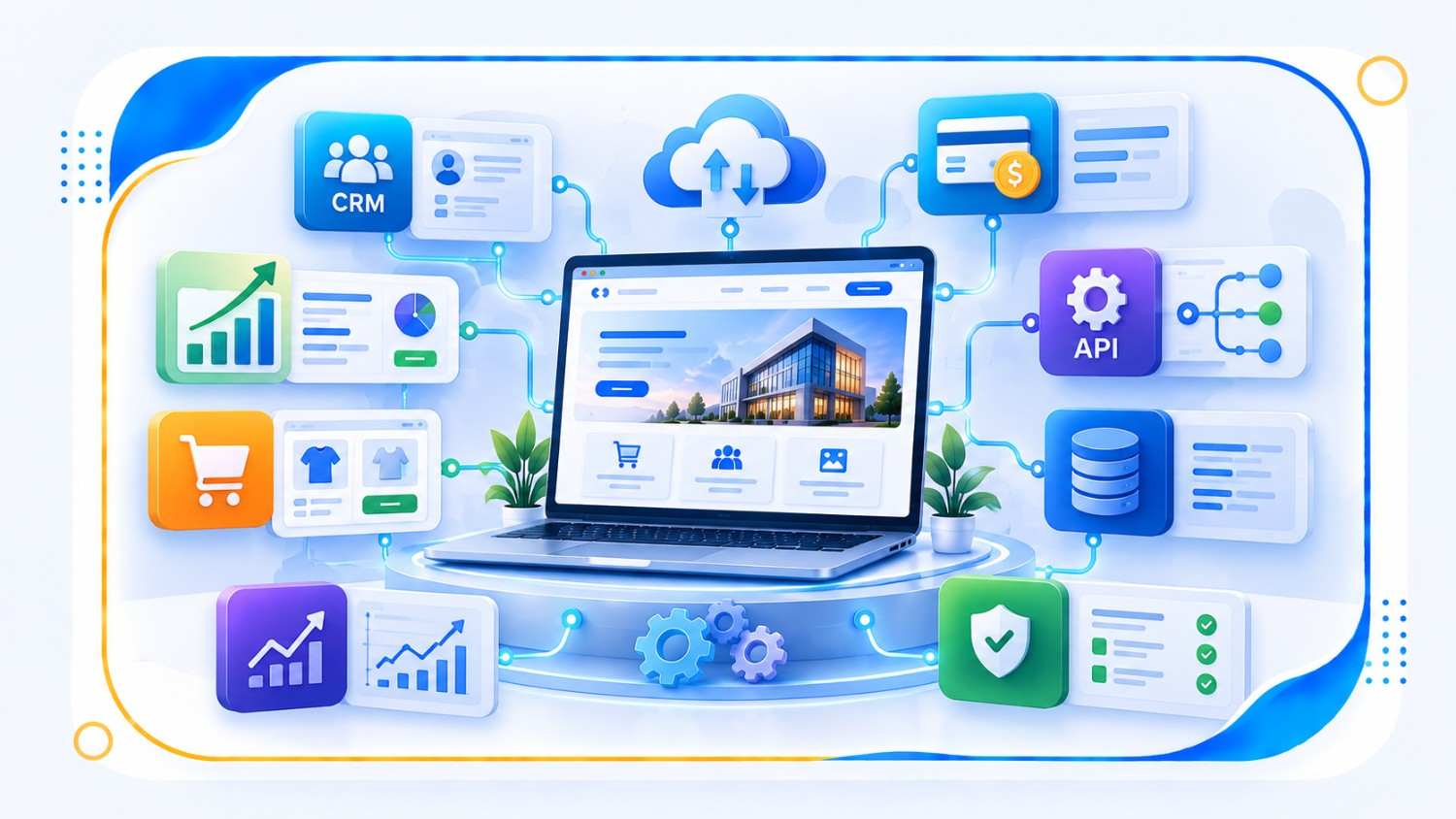
Web design deals mainly with the appearance, layout, usability, and interaction of a website. Web development handles the technical side, including frontend coding, backend programming, databases, APIs, integrations, and functionality that makes the platform work.
Professional website development brings design, functionality, technical quality, and business requirements together in one platform. A well-planned website can present your offerings clearly, simplify customer interactions, strengthen credibility, support organic discovery, and provide a foundation for future digital initiatives.
A professionally built website can improve how customers discover and interact with a business online. It can support brand presentation, easier navigation, lead generation, online enquiries, product discovery, customer engagement, and a more consistent experience across different devices.
The development timeline depends on factors such as website size, page count, design complexity, required features, integrations, content readiness, and testing requirements. A straightforward business website may need less time than an eCommerce platform or custom web application with advanced functionality.
Website pricing varies according to the project scope, number of pages, design requirements, technology stack, custom features, integrations, content needs, eCommerce functionality, and maintenance expectations. A clear project brief helps determine the appropriate development approach and estimated investment.
Yes, a website can be developed with a content management system that allows authorized users to edit pages, images, blog posts, products, and other content. Platforms such as WordPress can make routine updates easier, while suitable guidance can help your team manage the website confidently.
A responsive website is designed to adapt its layout, images, menus, typography, and interactive elements to different screen sizes. Our web development approach can incorporate mobile-first principles so visitors receive a consistent browsing experience across smartphones, tablets, laptops, and desktop computers.
Yes, eCommerce development can include product catalogues, category pages, shopping carts, checkout flows, payment integrations, customer accounts, order management, and other online retail features. The platform can be structured around your products, customer journey, operational workflow, and preferred commerce technology.
Yes, the interface can be designed around your existing visual identity, including logos, typography, colour palettes, imagery, messaging, and brand guidelines. Consistent design elements across key pages can help create a recognizable presentation and maintain continuity between your website and other customer-facing channels.
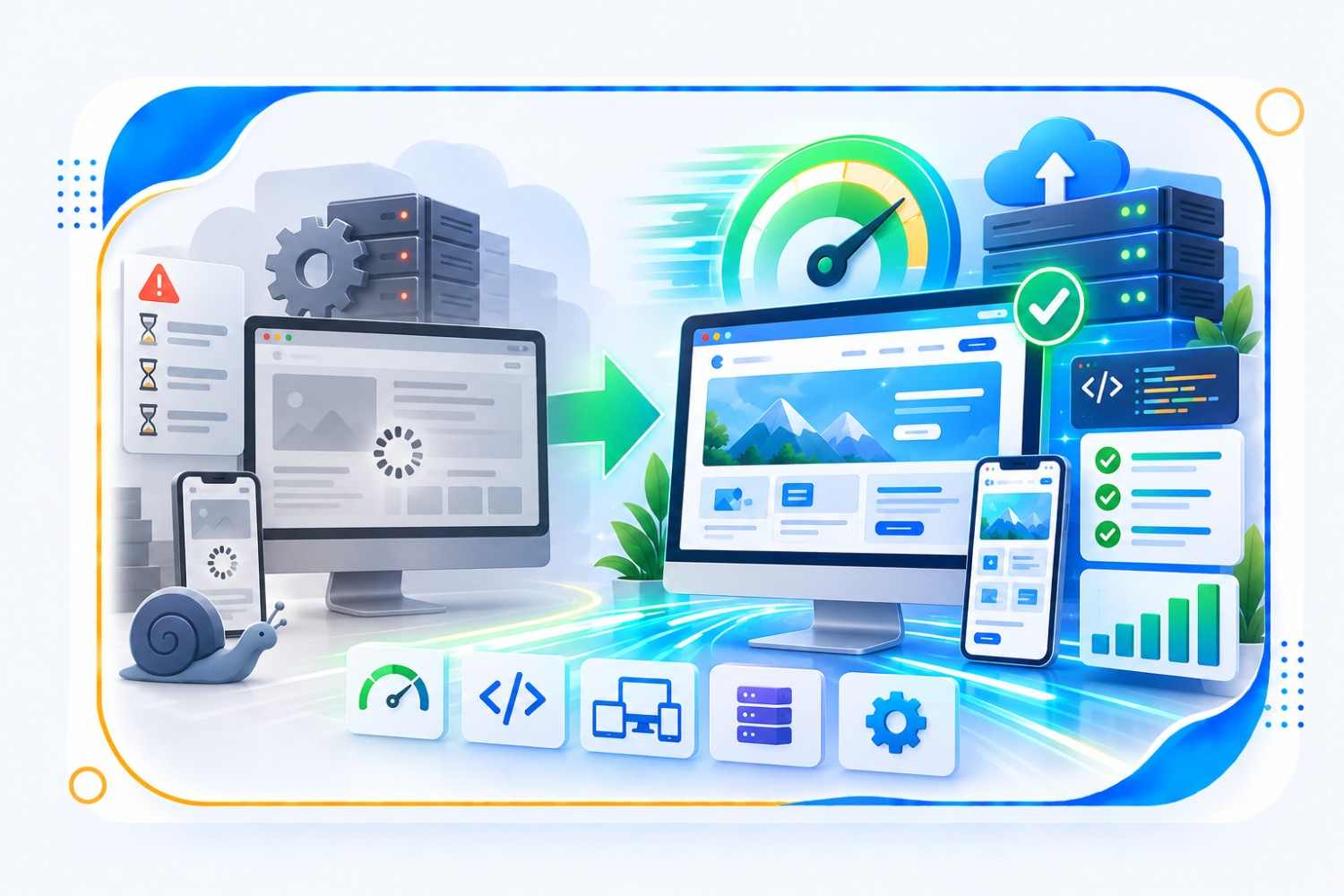
Performance improvements may involve compressing images, reducing unnecessary scripts, optimizing code, improving resource delivery, minimizing page weight, and reviewing server-side factors. The appropriate techniques depend on the platform, existing implementation, hosting environment, and specific performance issues identified during analysis.
Yes, accessibility can be considered during interface planning and development. This may include meaningful HTML structure, keyboard-friendly interactions, suitable colour contrast, descriptive image alternatives, readable content, form labels, and other practices that make digital content easier to use for people with different abilities.
Website security can include HTTPS configuration, secure authentication, access controls, software updates, protected forms, input validation, backups, and monitoring practices. The safeguards selected depend on the website platform, integrations, data handled, hosting environment, and specific security requirements.
Yes, analytics and measurement tools can be integrated into a website to understand visitor activity, traffic sources, page engagement, events, and conversions. Tracking configurations can be aligned with your business objectives, helping you evaluate website usage and identify areas that may require further improvement.