
Powering Digital Growth for Businesses Across Industries




















Our Success Stories







Why Choose Us?
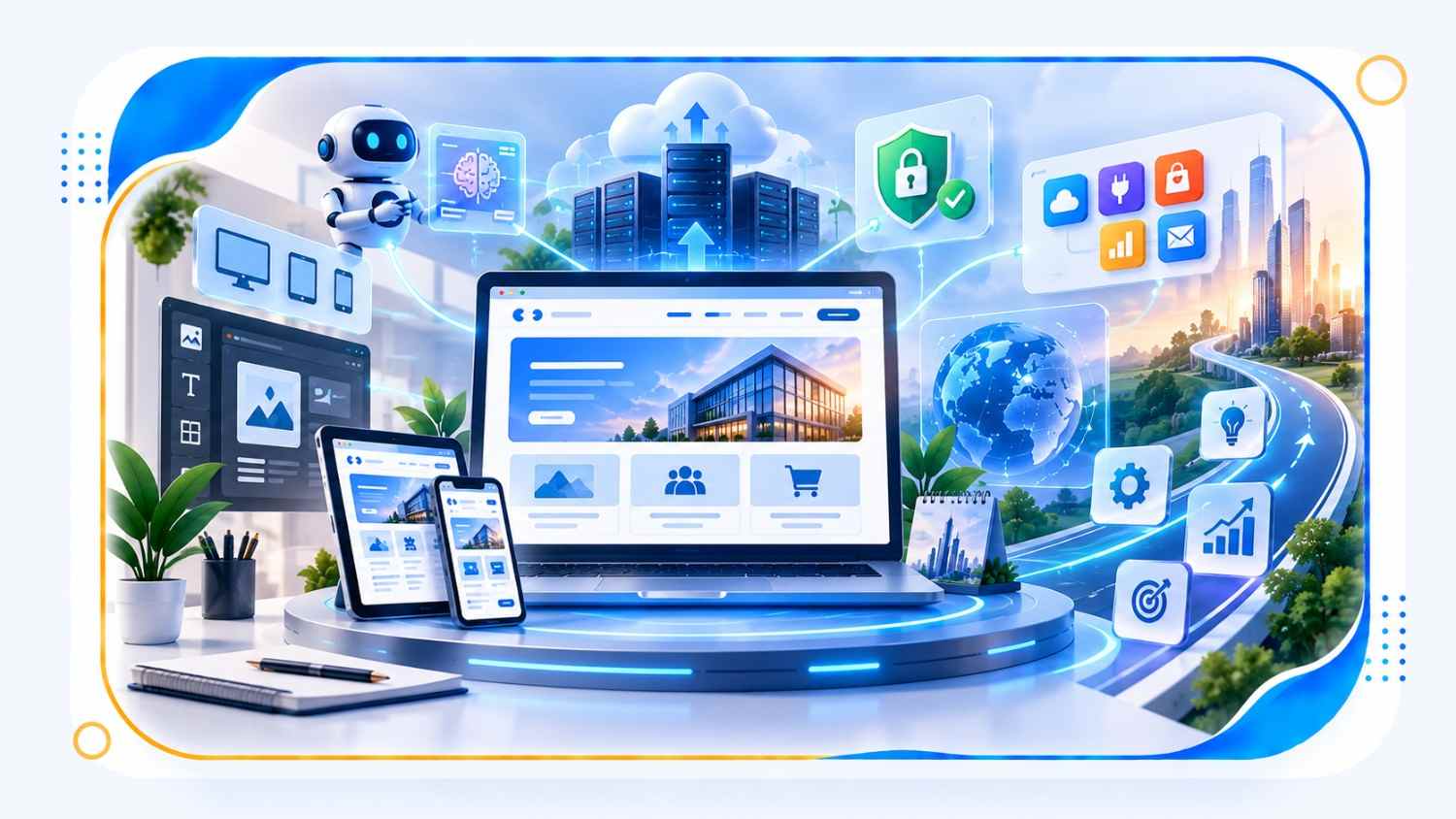
We create websites according to your business goals by integrating attractive graphics with useful functionality and user-friendly navigation. The Web Design and Development Services in Gurgaon that we offer emphasize responsive design, search engine friendly structure, reliable security, speedy load time, and flexibility in order to enhance the online presence of your business.
Responsive Across All Devices
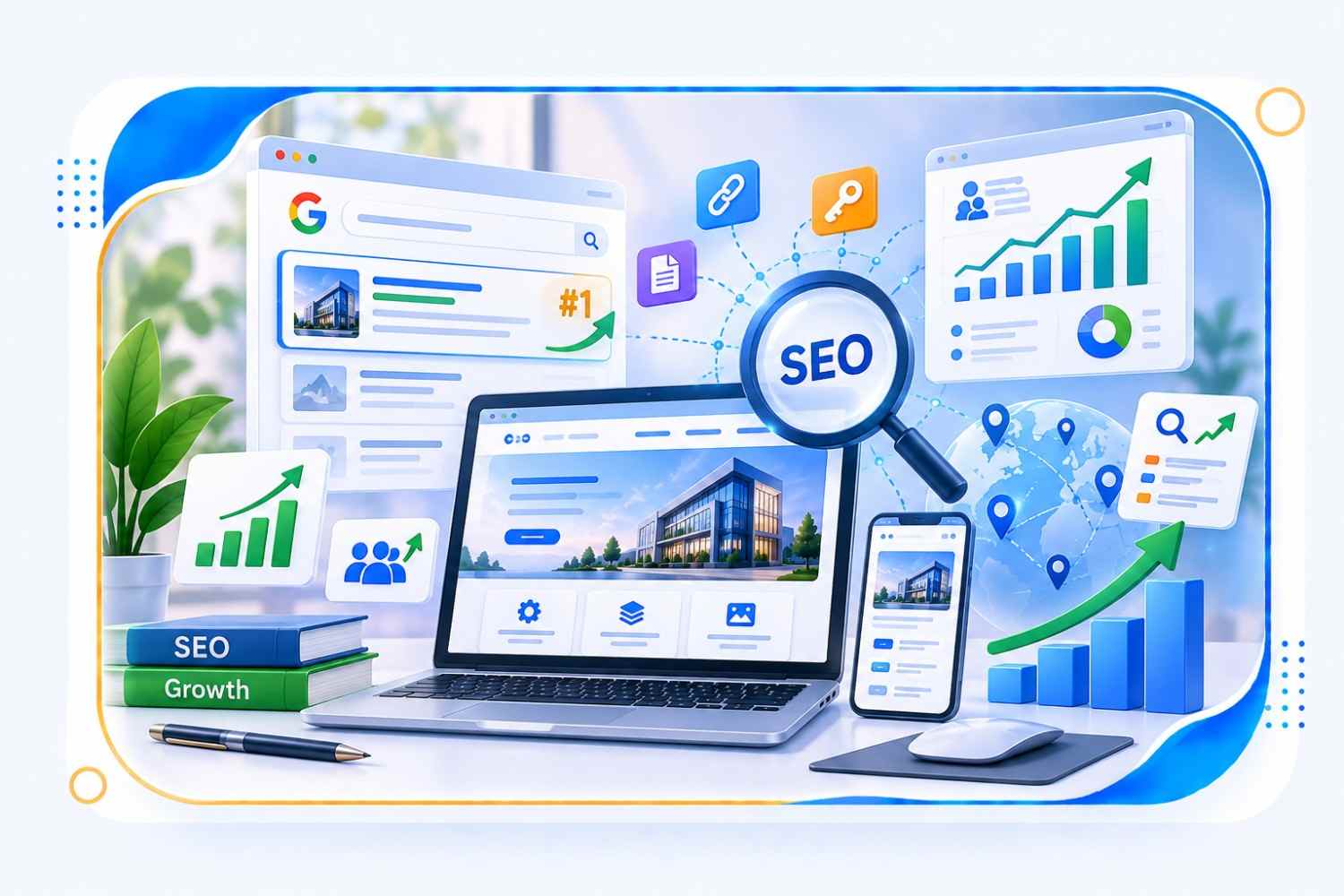
SEO-Friendly Site Architecture
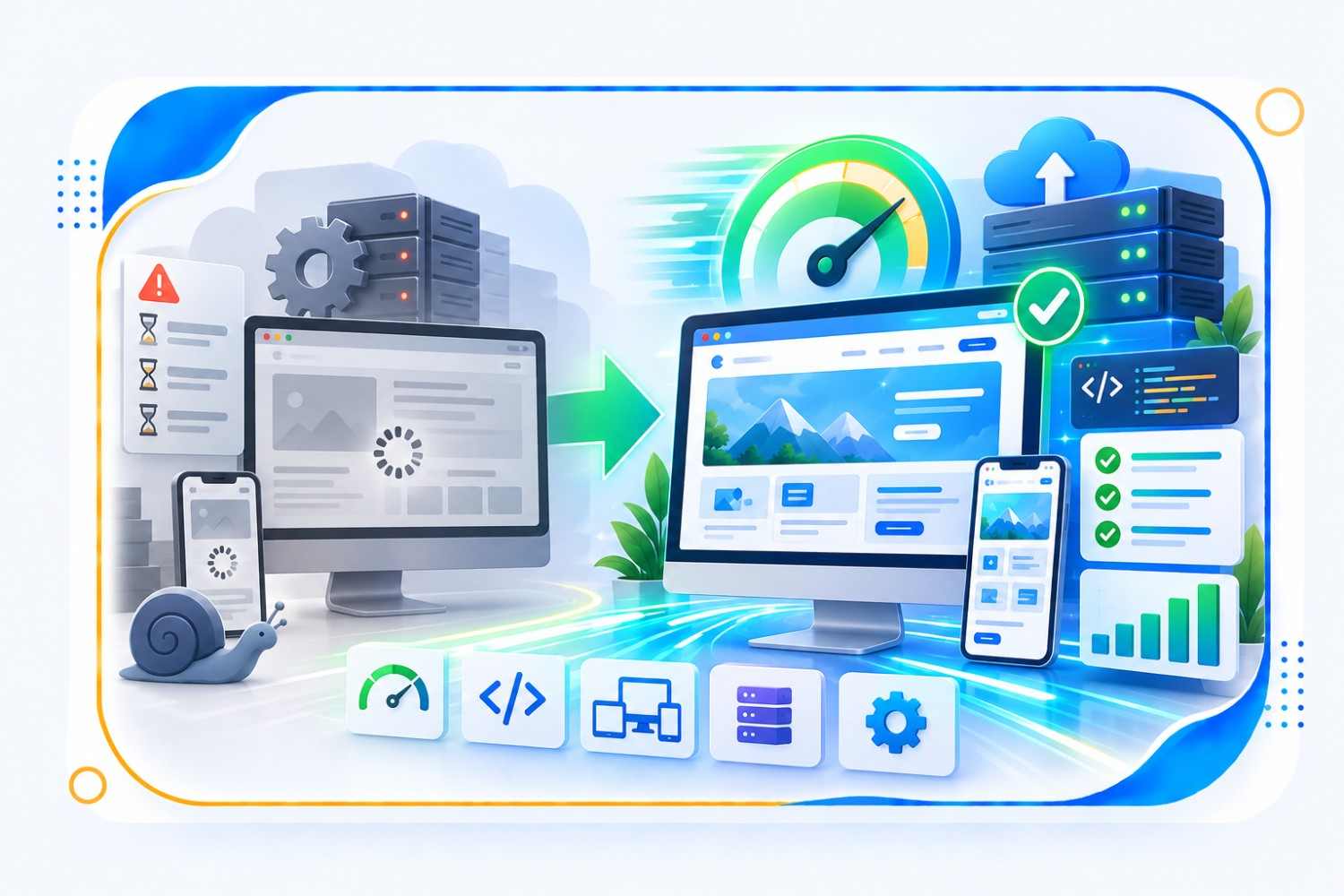
Speed, Security & Reliability

Seamless User Experiences
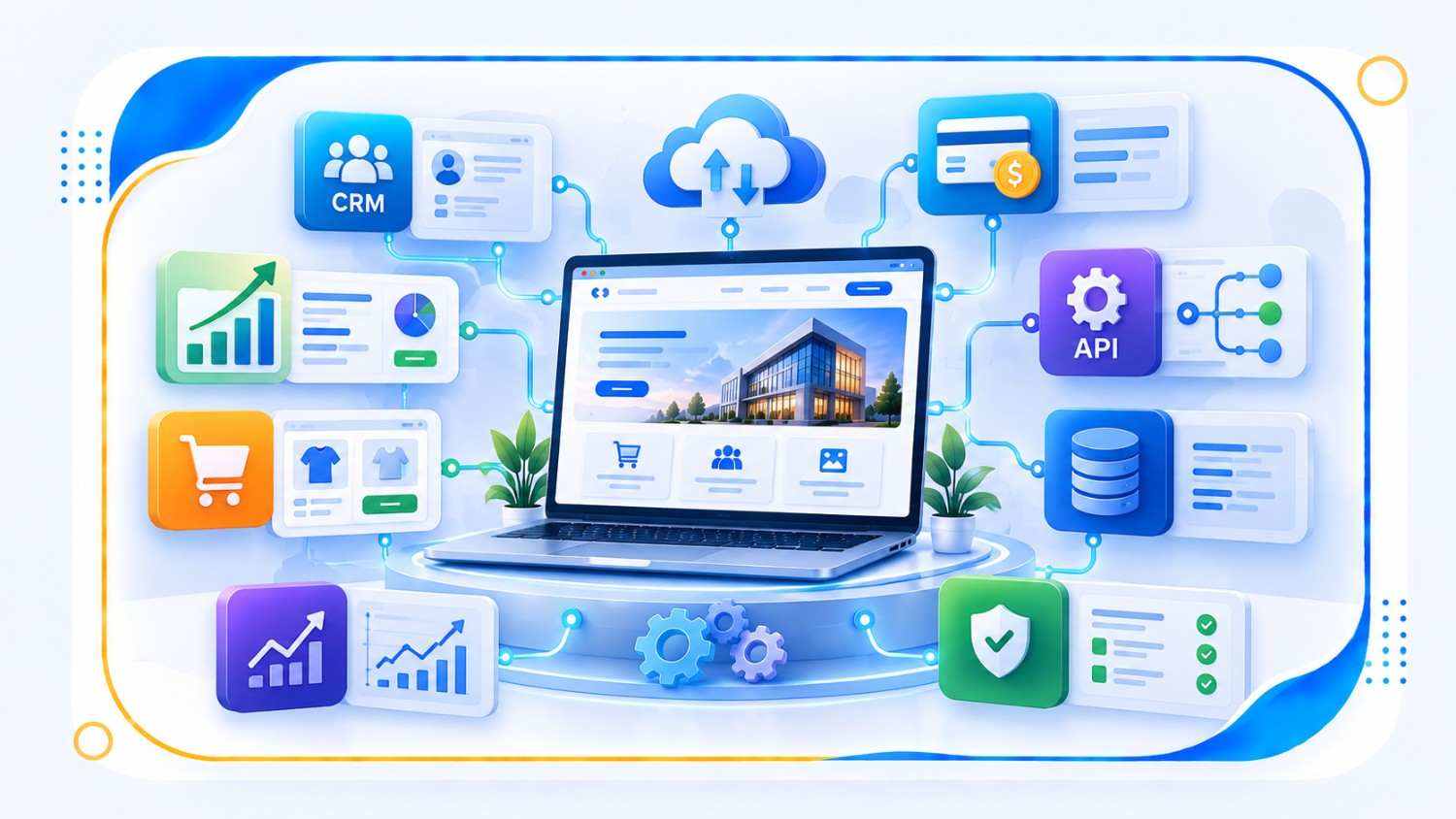
Custom-Built Website Solutions
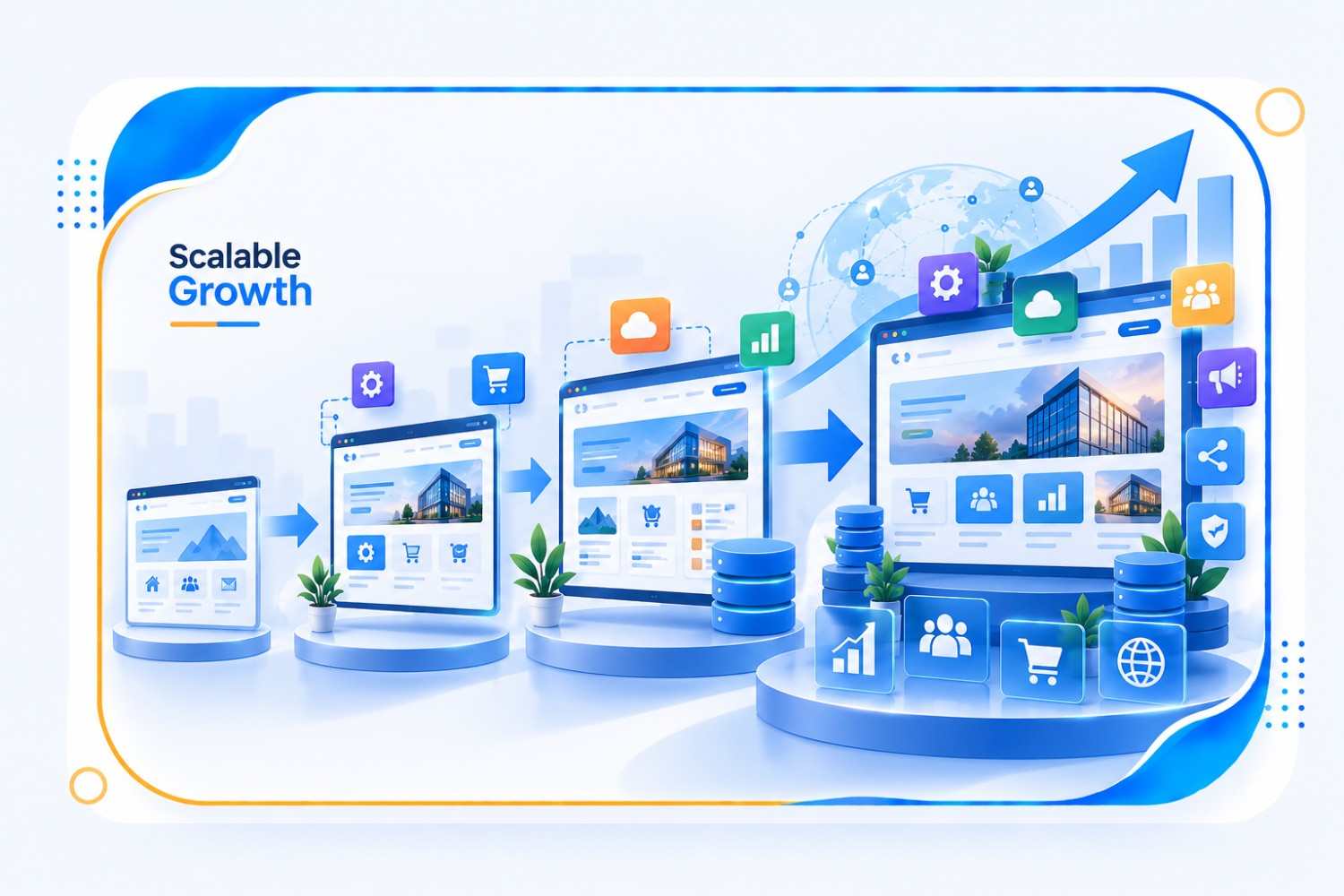
Scalable Business Functionality
What Makes Linkplux The Best Professional Website Design & Development Service in Gurgaon?

What Our Clients Say About Us
LinkPlux Web Design & Development FAQs
Frequently Asked Questions + more
Website design and development involves planning, creating, programming, testing, and publishing a functional online platform. It may include UI/UX design, responsive layouts, content organisation, custom features, third-party integrations, speed improvements, technical SEO, and ongoing website maintenance. Linkplux provides tailored website solutions based on business objectives and audience requirements.
Website design focuses on the appearance, page layout, visual hierarchy, usability, and interactions visitors experience. Web development covers the technical implementation, including frontend coding, backend programming, database management, APIs, integrations, and application functionality. Both disciplines work together to create an attractive, accessible, and dependable website.
Professional website development brings your brand presentation, business requirements, user experience, and technical functionality together in one digital platform. A thoughtfully developed website can showcase your offerings, make enquiries easier, build customer confidence, support organic search visibility, and create opportunities for future online expansion. Our Web Design and Development Services in Gurgaon are tailored to help businesses establish a functional and credible digital presence.
A professionally created website helps customers find information about your business and understand your products or offerings. It can strengthen brand recognition, simplify navigation, generate enquiries, improve product discovery, encourage customer interaction, and deliver a consistent browsing experience across different devices. Its effectiveness depends on how well the design and functionality meet your audience's needs.
The time required to complete a website depends on its size, number of pages, design complexity, required functions, external integrations, content availability, and testing needs. A basic business website may be completed sooner than a large eCommerce platform or a customised web application. A clear project scope helps establish a realistic schedule for planning, development, review, and launch.
Website development costs vary according to the project scope, page count, custom design requirements, chosen technology, interactive features, external integrations, content preparation, online shopping functionality, and future maintenance needs. Additional requirements, such as customer portals or specialised applications, can also affect the overall budget. Defining your goals and essential features helps determine a suitable approach and project estimate.
Yes, a website can be built with a content management system that allows authorised users to edit text, images, articles, product details, and other website information through an administrative dashboard. Platforms such as WordPress can simplify regular updates. The right setup and basic training can help your team manage routine changes without needing to modify the underlying code.
Yes, responsive website development allows page layouts, images, menus, text, and interactive features to adjust to different screen dimensions. A mobile-focused approach helps visitors browse comfortably on smartphones and tablets while maintaining usability on laptops and desktop computers. Testing across different screen sizes and browsers also helps identify display or functionality issues before launch.
Yes, an eCommerce website can be developed with features such as product listings, category navigation, shopping carts, checkout pages, payment gateway connections, customer accounts, and order management. The structure and functionality can be tailored to your catalogue, fulfilment process, customer requirements, and preferred platform, helping you manage online sales through a convenient digital storefront.
Yes, website visuals can be aligned with your established brand guidelines, including your logo, colour palette, typography, imagery, tone of voice, and other design elements. Applying these consistently across important pages helps create a recognisable identity and a cohesive customer experience. The design can also accommodate updates to your brand while preserving a consistent presentation across digital channels.
Website speed can be improved by resizing and compressing images, reducing unnecessary scripts, refining code, limiting excessive page elements, and optimising how resources are delivered. Hosting configuration, caching, and server response can also influence loading performance. The most suitable improvements depend on the website platform, its current technical setup, and the issues identified during performance testing.
Yes, accessibility can be incorporated into website planning, interface design, and development. Useful practices include meaningful HTML structure, keyboard-accessible controls, readable typography, sufficient colour contrast, descriptive image alternatives, clearly labelled forms, and understandable navigation. These considerations can make website content easier to access and use for visitors with different needs and abilities.
Website protection may include HTTPS configuration, secure login procedures, role-based access, software updates, form validation, regular backups, and appropriate monitoring. Additional safeguards may be needed for platforms that handle customer accounts, payments, or sensitive information. Security measures should be selected according to the website's technology, integrations, hosting environment, and data protection requirements.
Yes, analytics tools can be connected to measure website visits, traffic sources, page activity, visitor interactions, and completed actions such as form submissions or purchases. Tracking can be configured around your business goals to help you understand how visitors use your website, identify areas for improvement, and make better-informed decisions about future updates.