
Powering Digital Growth for Businesses Across Industries




















Our Success Stories







Why Partner With Us?
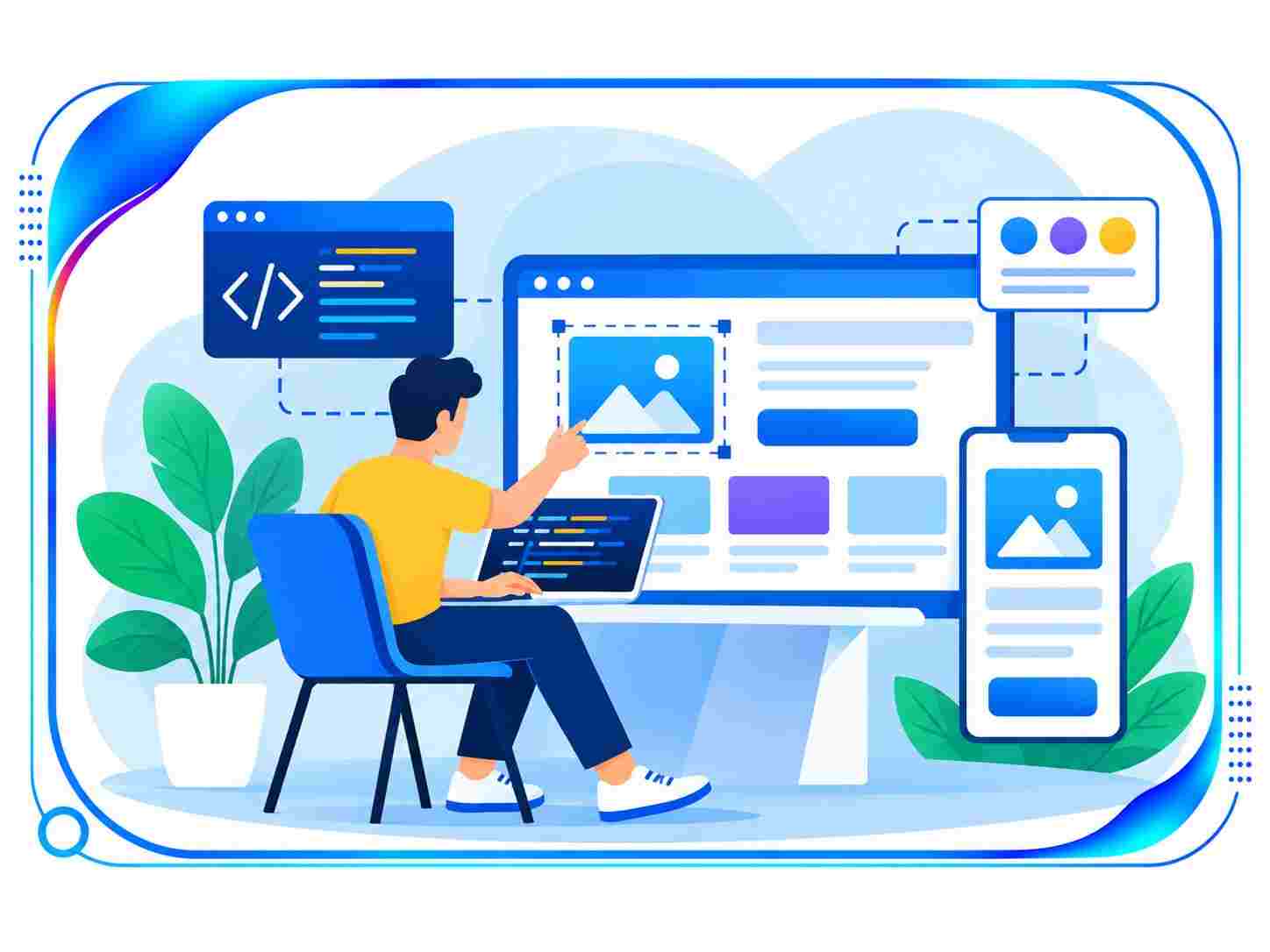
We create business-focused websites that combine contemporary layouts, seamless usability, dependable functionality, and efficient performance. Our Web Design and Development Services in Delhi help companies build a credible online presence, enhance visitor interaction, improve search engine accessibility, attract potential leads, and maintain a flexible digital platform for future expansion.
Mobile-Responsive Websites
Search-Optimised Development
High-Speed Performance

Intuitive Website Navigation
Tailored Website Development
Growth-Ready Websites
What Makes Linkplux The Best Professional Website Development Company in Delhi?
What Our Clients Say About Us
LinkPlux Web Design & Development FAQs
Frequently Asked Questions + more
Web Design and Development Services in Delhi cover website planning, interface creation, coding, testing, and ongoing support. Depending on your requirements, services may include responsive website design, UI/UX development, WordPress website creation, eCommerce platforms, custom web applications, SEO-friendly coding, speed optimization, and technical maintenance.
Web design covers a website's appearance, page layouts, visual identity, navigation, and user interaction. Web development involves creating its underlying structure, features, and functionality using programming languages, databases, APIs, and suitable frameworks. Combining both disciplines creates a complete website that balances presentation with technical performance.
Working with a professional web development team helps create a website tailored to your business goals, brand guidelines, and audience requirements. Specialists can address responsive layouts, security, usability, loading speed, technical SEO, future expansion, and maintenance to support a dependable online presence.
A business website can showcase your services, strengthen brand recognition, improve customer access to information, and provide convenient ways to make enquiries. A carefully structured website also supports digital marketing campaigns, customer engagement, lead generation, and search engine optimization activities.
The time required depends on the website's size, design complexity, required features, integrations, content availability, and development platform. A straightforward business website may take less time than a customized eCommerce store or web application that needs additional programming, testing, and performance checks.
Website development pricing in Delhi depends on the project scope, number of pages, visual design, technical complexity, integrations, content needs, and requested features. Reviewing your objectives and functionality requirements helps establish a suitable project plan and estimated cost.
Yes, a website built with a content management system such as WordPress can let authorized users edit text, replace images, publish articles, manage products, and update selected pages. Training, maintenance, and technical assistance can also be arranged according to your website's setup and support needs.
Responsive website design adjusts content and layouts to different screen sizes, including smartphones, tablets, notebooks, and desktop computers. This approach supports readable text, accessible menus, usable forms, and consistent functionality across devices.
Yes, eCommerce website development can include product listings, category filters, shopping carts, payment gateway connections, customer profiles, order processing, and inventory features. The platform and functions can be selected to suit your products, sales process, and customer requirements.
Yes, website layouts and visual elements can be tailored to your brand's logo, colour palette, typography, imagery, tone, and design guidelines. Applying these elements consistently across pages helps communicate your identity and creates a recognizable online experience.
Website speed can be improved by resizing and compressing images, reducing unnecessary code, optimizing scripts and stylesheets, configuring caching, and testing page performance. Suitable techniques depend on your hosting setup, website platform, third-party tools, and technical structure.
Yes, developers can incorporate accessibility practices such as semantic HTML, suitable colour contrast, descriptive image text, keyboard navigation, clearly labelled forms, and readable content. The appropriate measures depend on the site's features and intended audience, and should be tested during development.
Website protection can include HTTPS configuration, secure login controls, regular software updates, restricted user permissions, safer coding practices, backup procedures, and vulnerability checks. The right security approach depends on your website's technology, hosting provider, integrations, and the information it processes.
Yes, analytics platforms can be configured to measure website visits, user interactions, traffic sources, goal completions, and other selected metrics. These insights help businesses evaluate visitor behaviour, understand content performance, and identify opportunities to improve navigation, engagement, and conversions.