
Powering Digital Growth for Businesses Across Industries




















Our Success Stories







Why Partner With Us?
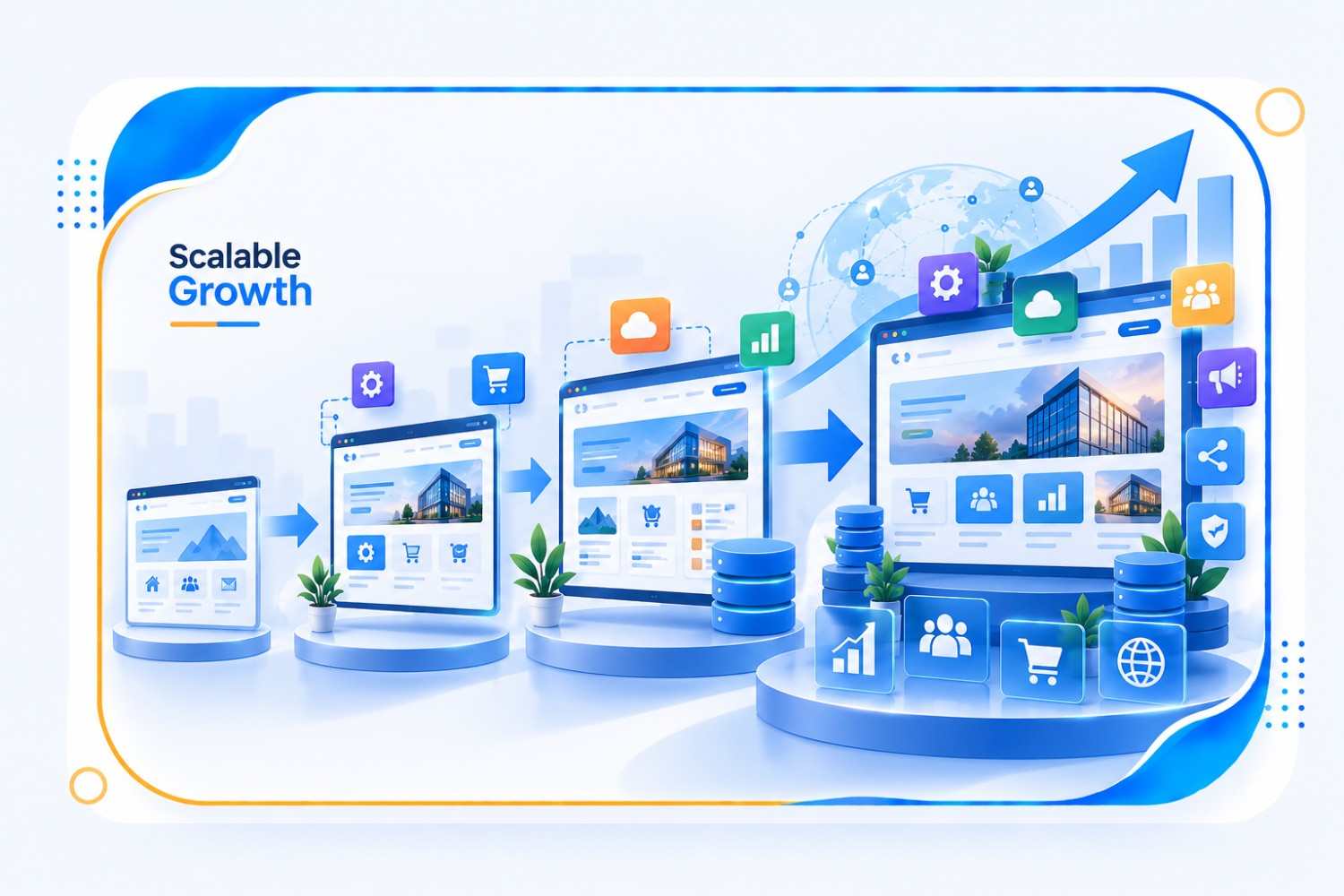
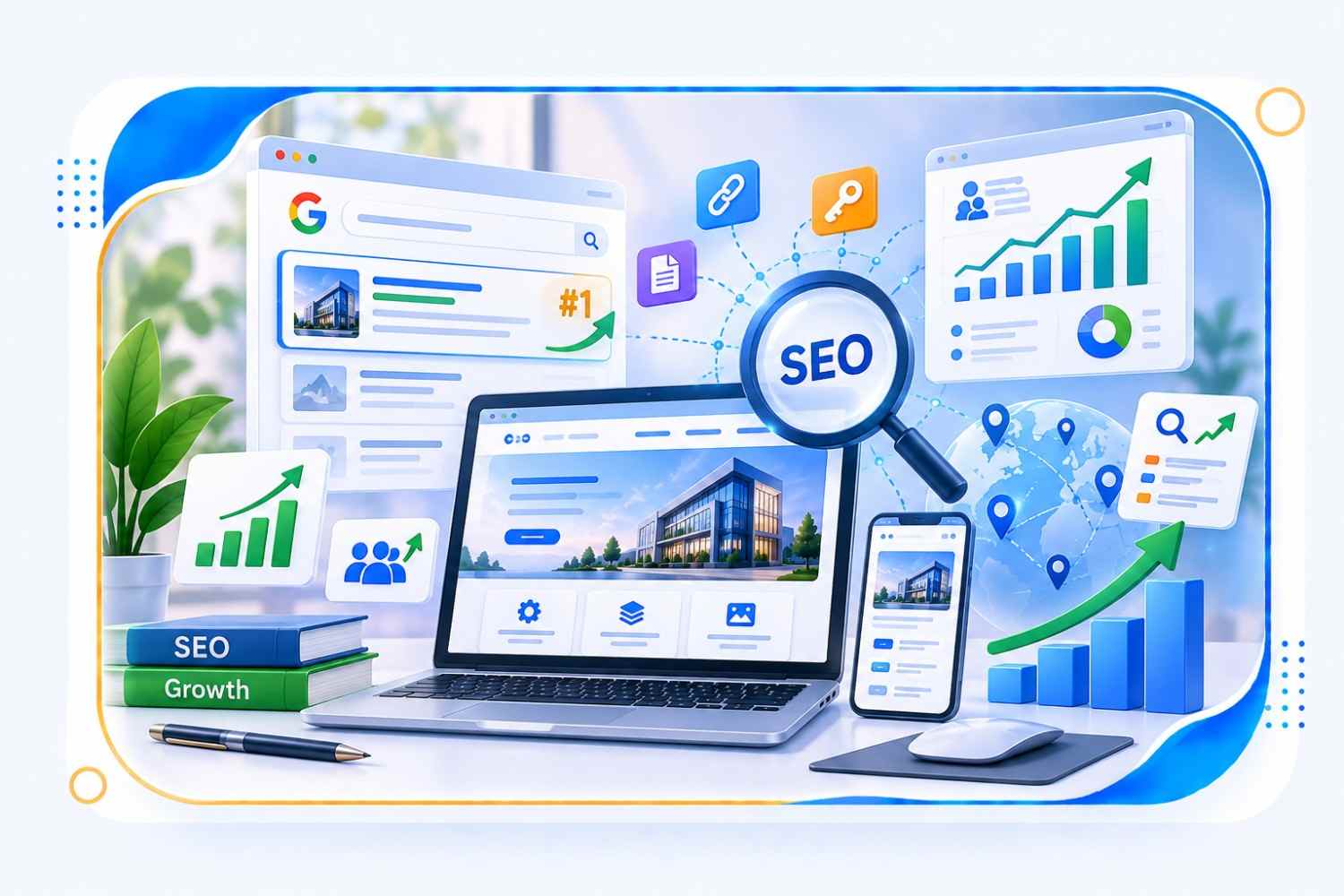
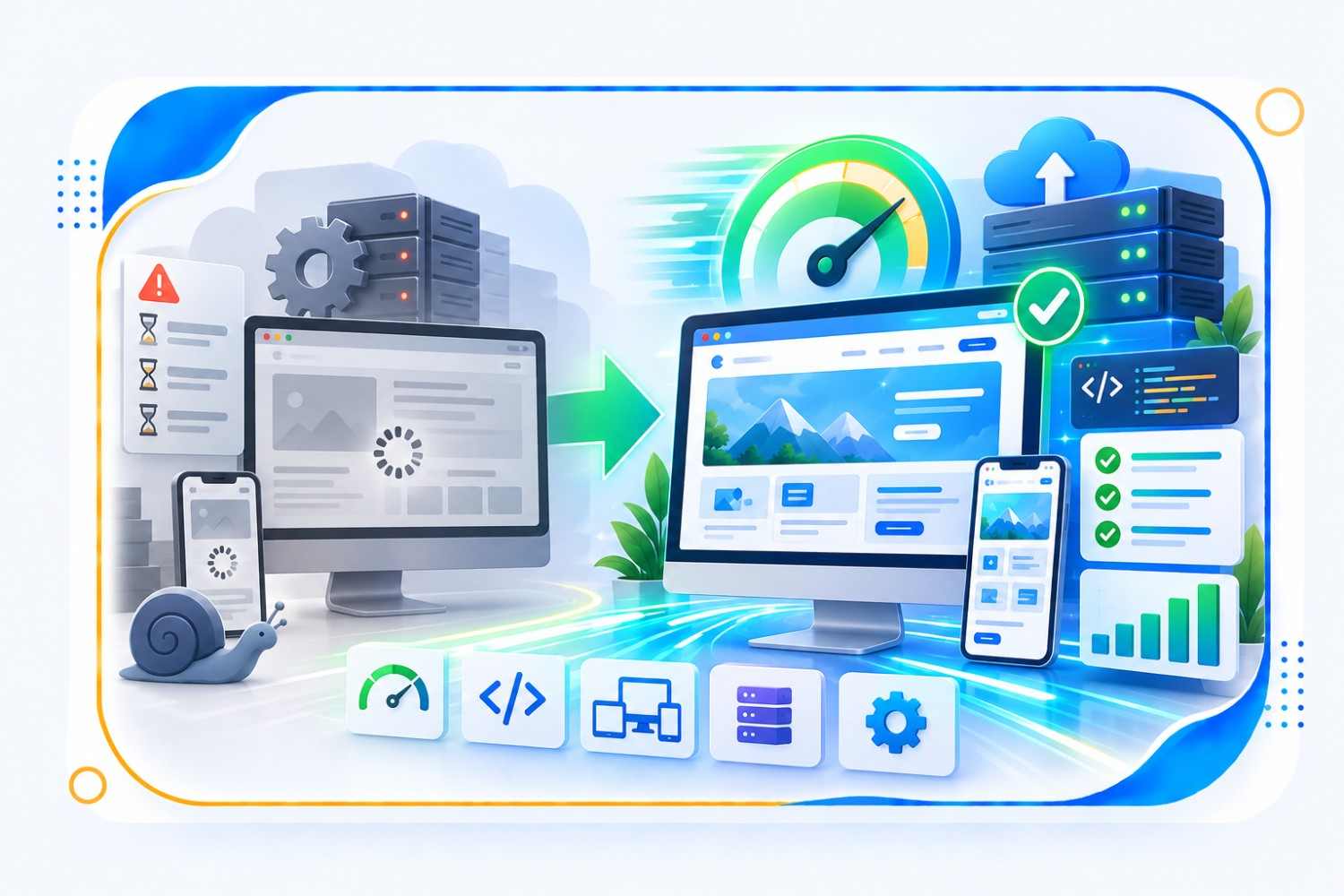
At Linkplux, we build websites around your brand identity, audience expectations, and business objectives. Our solutions combine attractive layouts, practical functionality, and smooth navigation to create meaningful online experiences. As a web design and development partner serving Singapore businesses, we prioritise mobile compatibility, search-friendly architecture, dependable security, fast loading, and flexible features that can adapt as your organisation grows.
Seamless Mobile Compatibility
SEO-Ready Website Structure
Secure Performance

Engaging User Journeys
Purpose-Built Website Solutions
Adaptable Functionality
What Makes Linkplux The Best Professional Website Design & Development Service in Singapore?


What Our Clients Say About Us
LinkPlux Web Design & Development FAQs
Frequently Asked Questions + more
Website creation involves several stages, beginning with project research and layout planning before moving into interface design, programming, quality checks, and final deployment. Depending on your requirements, the process may cover user experience planning, mobile-friendly layouts, content organisation, custom features, third-party connections, search engine readiness, speed improvements, and technical upkeep.
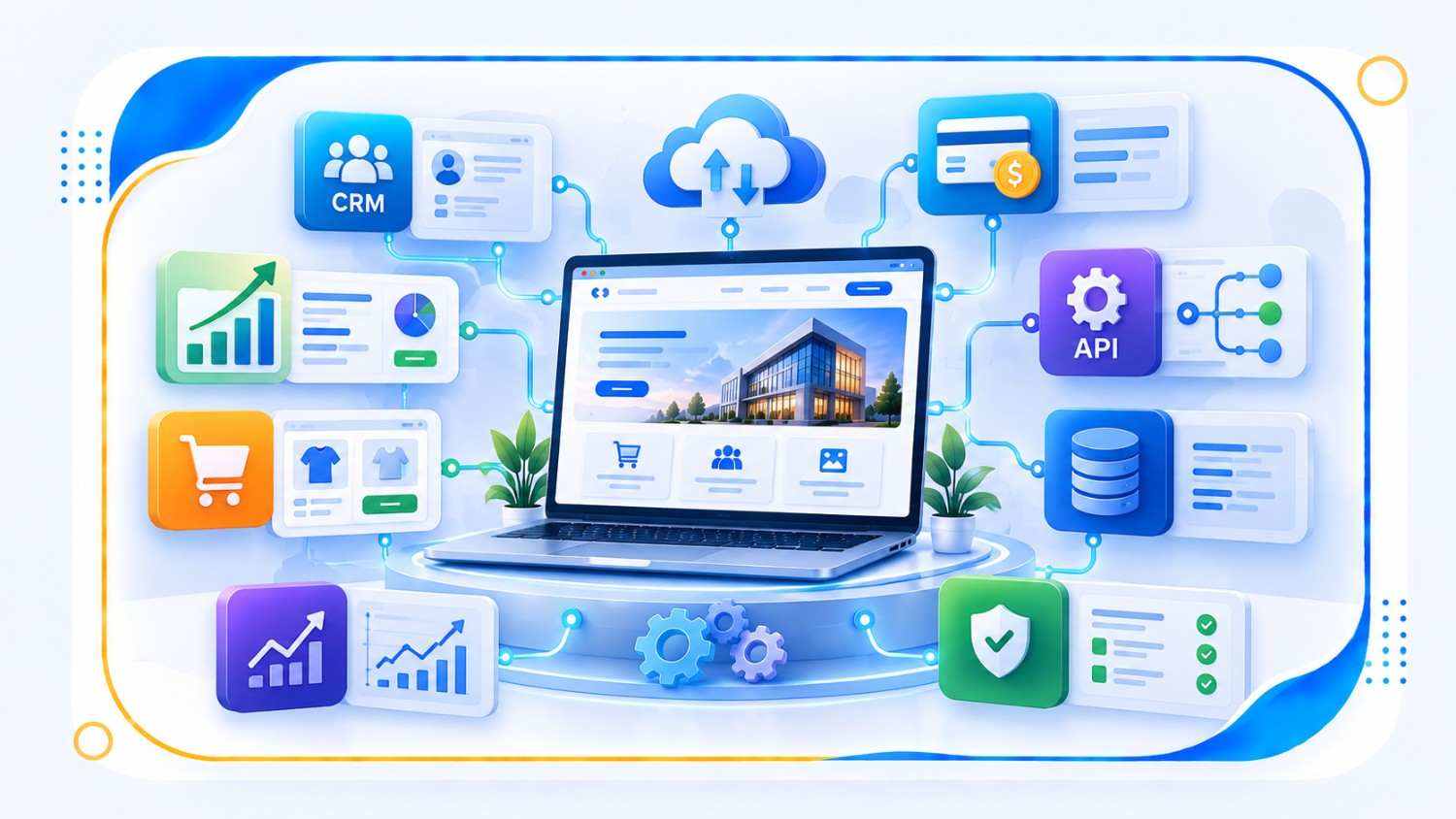
Website design focuses on the visual presentation and visitor experience, including page arrangements, colours, typography, navigation, and interactive layouts. Development turns those design plans into a working digital platform through frontend programming, backend systems, database configuration, API connections, and the technical features required for its operation.
A thoughtfully developed website gives your organisation a structured place to introduce its products, explain its expertise, and communicate with potential customers. It can make essential information easier to access, provide convenient enquiry options, establish a consistent brand presence, support search visibility, and create room for future online activities as your business requirements change.
An effective online platform can make your business easier to explore and interact with. Clear presentation, accessible information, convenient navigation, and responsive page layouts help visitors understand your offerings. Depending on its purpose, the website can also support customer enquiries, product comparisons, appointment requests, online transactions, and communication with different audience groups.
The time required varies according to the project's scale, number of web pages, visual requirements, technical complexity, and features that need to be implemented. A basic corporate website generally involves fewer development stages than an online store, membership portal, or customised web application. Content preparation, feedback, revisions, integrations, and final testing can also influence the delivery schedule.
The overall investment depends on the website's purpose, page requirements, design approach, selected platform, programming needs, and level of customisation. Additional considerations include online payment facilities, external software connections, product management features, content creation, hosting arrangements, and post-launch assistance. Defining your priorities and project scope helps establish a suitable development plan and cost estimate.
Yes. Your website can include a content management system that provides an administrative dashboard for making routine changes. Depending on the chosen platform and permissions, your team may be able to revise written content, replace photographs, publish articles, add products, and maintain selected page sections. Solutions such as WordPress offer editing tools that can make everyday website administration more accessible.
Yes. Responsive development allows website components to rearrange according to the screen being used. Menus, images, text sections, buttons, and forms can be adapted to different display dimensions for easier interaction. We consider mobile usability during the design and implementation stages so that visitors can access important information across smartphones, tablets, notebooks, and desktop systems.
Yes. An eCommerce platform can be developed with features that support the complete online purchasing process. These may include product listings, organised collections, product detail pages, shopping baskets, checkout facilities, payment gateway connections, customer profiles, and order administration. The selected structure and technology can be tailored to your inventory, selling model, customer needs, and business operations.
Certainly. Website layouts can be planned around your established brand guidelines, including your logo, preferred colours, fonts, photographs, graphic elements, and communication style. Applying these visual details consistently throughout the website helps maintain a familiar brand identity and creates a connected appearance across your online presence and other customer communication channels.
Improving loading speed can involve resizing and compressing visual files, removing redundant scripts, refining source code, reducing unnecessary page elements, and improving how website resources are delivered. Server configuration, hosting capacity, caching, and the technologies used also influence responsiveness. We identify the relevant technical factors before selecting optimisation methods suited to your platform.
Yes. Accessibility considerations can be incorporated into the website's layout, content, and interactive components. Examples include properly organised headings, keyboard-operable navigation, readable text, sufficient colour contrast, descriptive image text, clearly identified form fields, and understandable interface controls. These practices help make website information and functions more usable for people with varying access needs.
Website protection can involve configuring HTTPS, applying secure login procedures, restricting administrative permissions, updating software components, validating submitted information, and maintaining regular backups. Additional safeguards may include security monitoring and protection for connected applications. The appropriate measures are selected according to the website's framework, hosting setup, integrations, and the type of information it processes.
Yes. Website analytics tools can be configured to measure how people arrive at your pages and interact with the available content. Depending on your tracking requirements, reports can cover visitor numbers, traffic channels, popular pages, engagement patterns, form submissions, and selected conversion activities. These insights can help your team understand website performance and decide which areas may benefit from further refinement.