
Powering Digital Growth for Businesses Across Industries




















Our Success Stories







Why Choose Us?
Our Web Design and Development Services in Toronto, Canada, combine creative design, reliable technology, and user-focused functionality. We develop business websites that strengthen brand credibility, improve navigation, support search engine discoverability, and deliver convenient browsing experiences that encourage customer interactions, qualified enquiries, and long-term business development.
Mobile-Friendly Designs
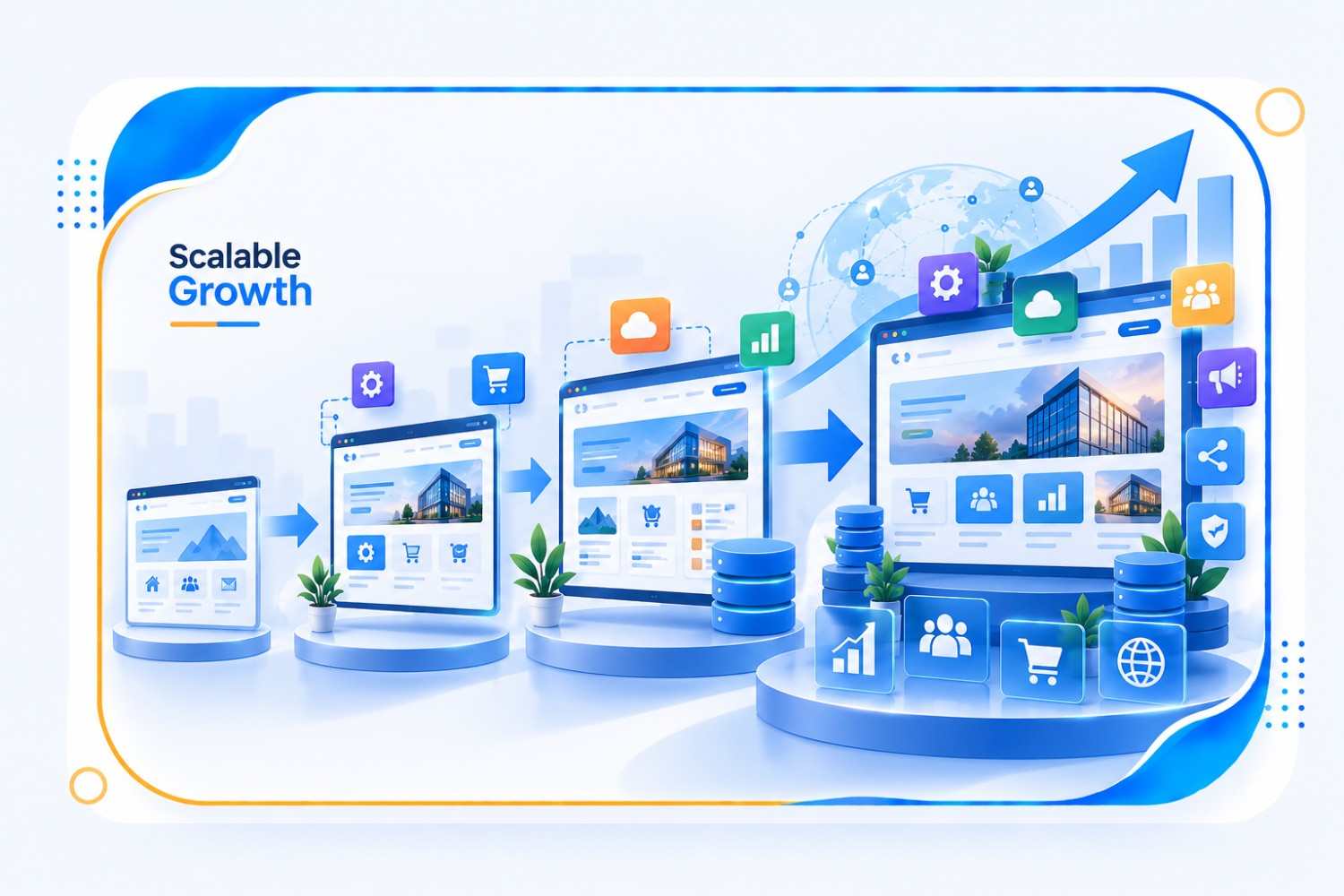
Scalable Website Development
Fast Loading & Secure Websites

Seamless Website Navigation
Web Development Solutions
Scalable Digital Experiences
What Makes Linkplux The Best Professional Website Design & Development Service in Toronto, Canada?


What Our Clients Say About Us
LinkPlux Web Design & Development FAQs
Frequently Asked Questions + more
Website design and development involves shaping a website's structure, appearance, functionality, and technical foundation. The process may include interface design, responsive page layouts, frontend and backend programming, content management, third-party integrations, search engine optimization, speed improvements, testing, deployment, and ongoing support based on project requirements.
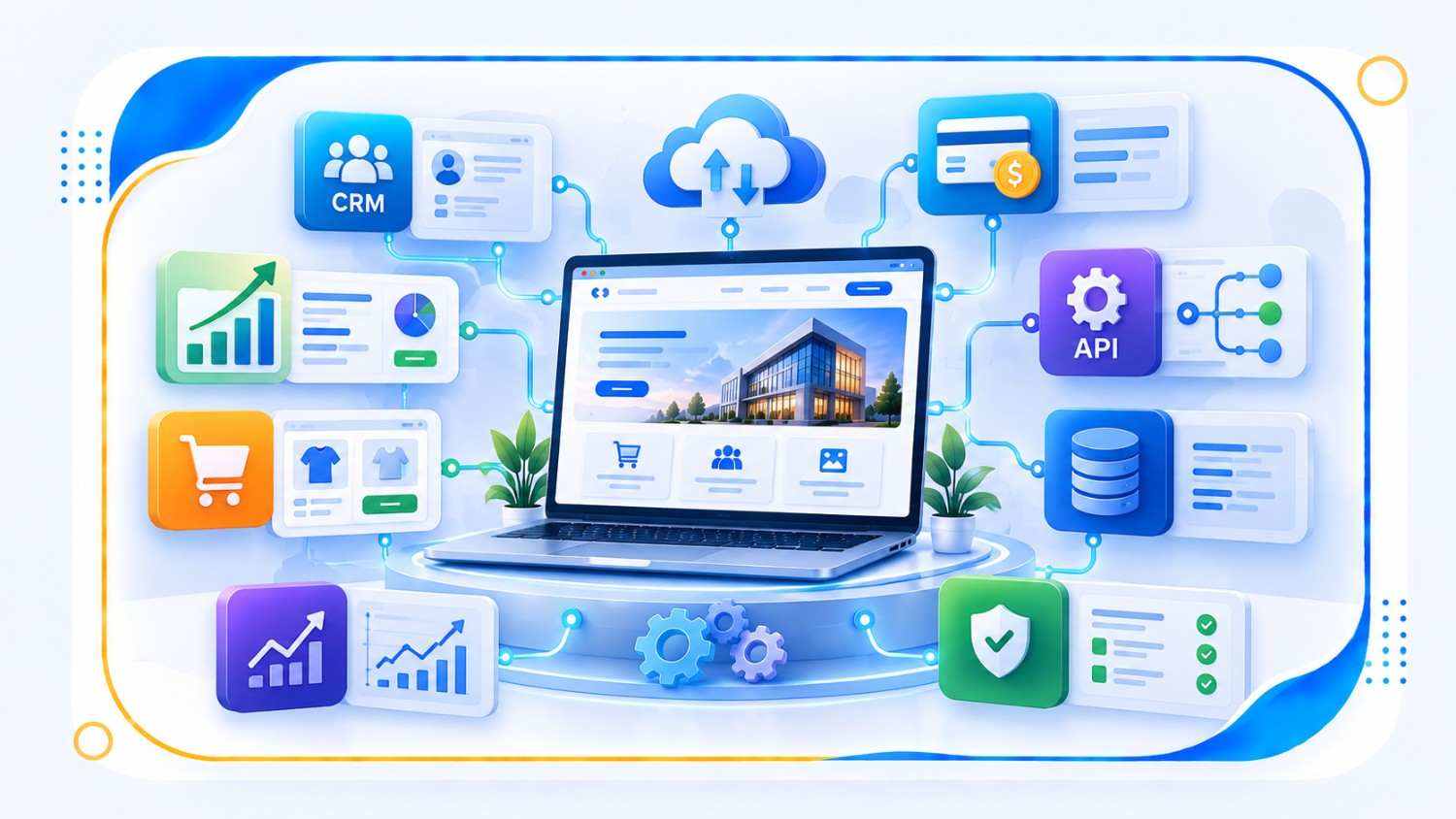
Website design focuses on the visual appearance, page arrangement, navigation, accessibility, and overall experience visitors receive. Website development transforms those designs into a working digital platform through programming, database configuration, server-side functionality, API connections, and other technical components required for reliable operation.
A carefully planned website gives your business a central online destination where customers can explore products, understand your offerings, and contact your team. Professional development can improve usability, reinforce brand credibility, support search visibility, simplify customer journeys, and provide a flexible platform for future digital activities.
A well-designed website can help businesses communicate their value, reach relevant audiences, showcase their expertise, and make it easier for visitors to take action. Depending on its features, the platform can support customer enquiries, appointment requests, product sales, brand awareness, audience engagement, and online information sharing.
The time required depends on the number of pages, design complexity, content availability, custom functionality, integrations, feedback cycles, and testing needs. A basic informational website may be completed sooner than a complex eCommerce platform or a custom web application requiring advanced workflows and specialized features.
The overall investment depends on the website's scope, page count, visual requirements, development platform, custom features, content preparation, third-party connections, online selling capabilities, and post-launch support. Defining your goals and required functionality at the beginning helps establish a realistic project scope and a more accurate estimate.
Yes, your website can include a content management system that lets authorized team members revise text, replace images, publish articles, manage product details, and update selected pages. A platform such as WordPress can simplify routine editing, while appropriate training and access permissions help your team handle changes more confidently.
A responsive website adjusts its layout, menus, images, text, and interactive features to suit different screen dimensions. Mobile-focused development and device testing help maintain readability, convenient navigation, and consistent functionality for visitors using smartphones, tablets, laptops, and desktop computers.
Yes, eCommerce websites can be developed with features such as product listings, category filters, shopping carts, checkout pages, payment gateways, customer accounts, and order management. The structure and functionality can be tailored to your inventory, sales process, customer requirements, and preferred eCommerce platform.
Yes, website visuals can be planned around your established brand identity, including your logo, colour scheme, fonts, imagery, tone of voice, and design guidelines. Applying these elements consistently across the website helps maintain a recognizable appearance and creates a more unified experience across your digital channels.
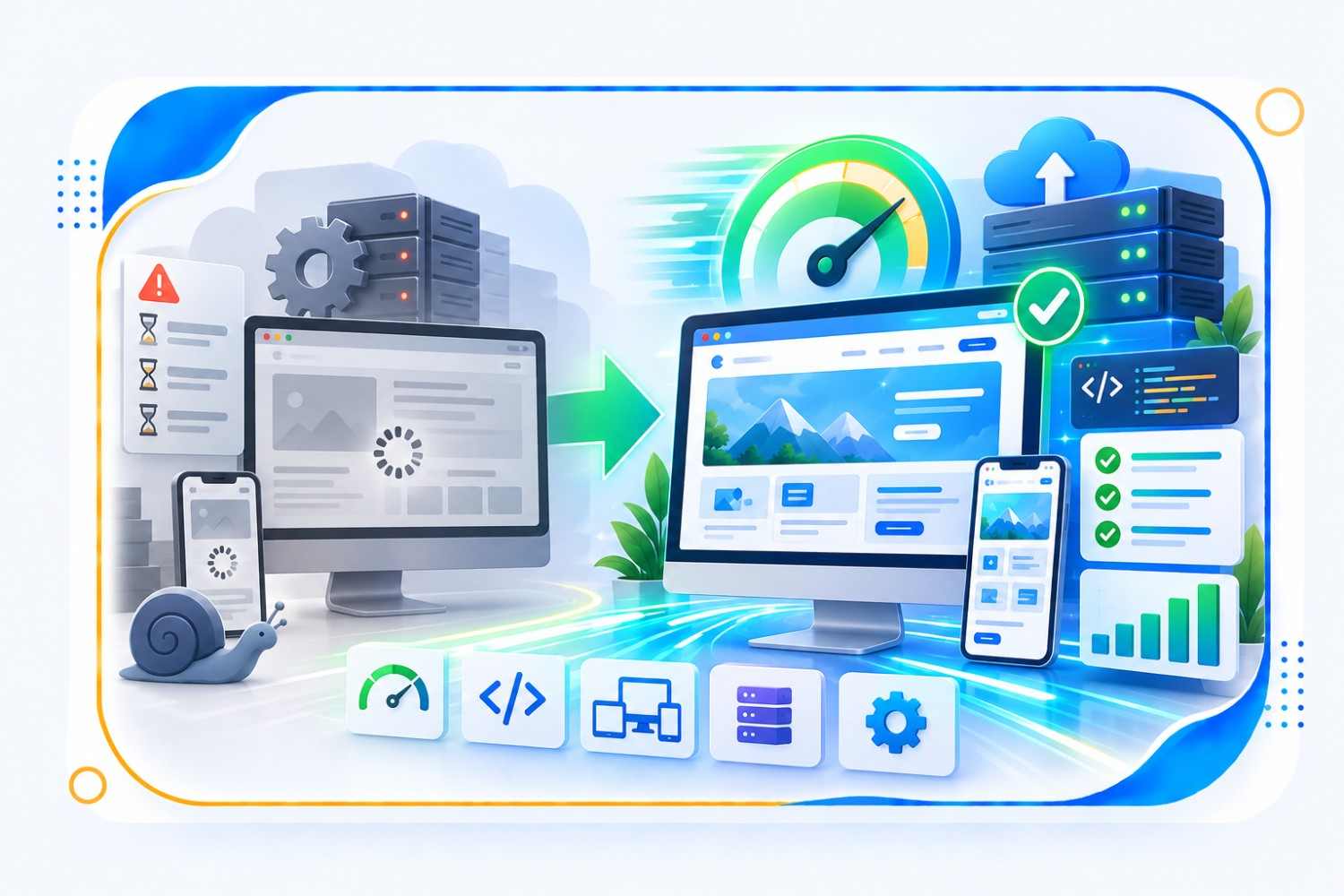
Website speed can be improved by resizing and compressing images, removing unnecessary scripts, streamlining code, optimizing page resources, and reviewing caching or server configurations where appropriate. The right improvements depend on the platform, hosting setup, current performance measurements, and technical issues affecting individual pages.
Accessibility can be addressed through semantic page structures, keyboard-operable controls, readable text, sufficient colour contrast, descriptive image alt attributes, clearly labelled forms, and understandable navigation. Applying appropriate accessibility practices helps make website information and features easier to use for visitors with a range of needs and abilities.
Depending on the website's requirements, security measures may include HTTPS encryption, controlled user permissions, secure login processes, software updates, input validation, regular backups, and monitoring. The implementation should reflect the platform, connected applications, type of information collected, and potential risks associated with the website's use.
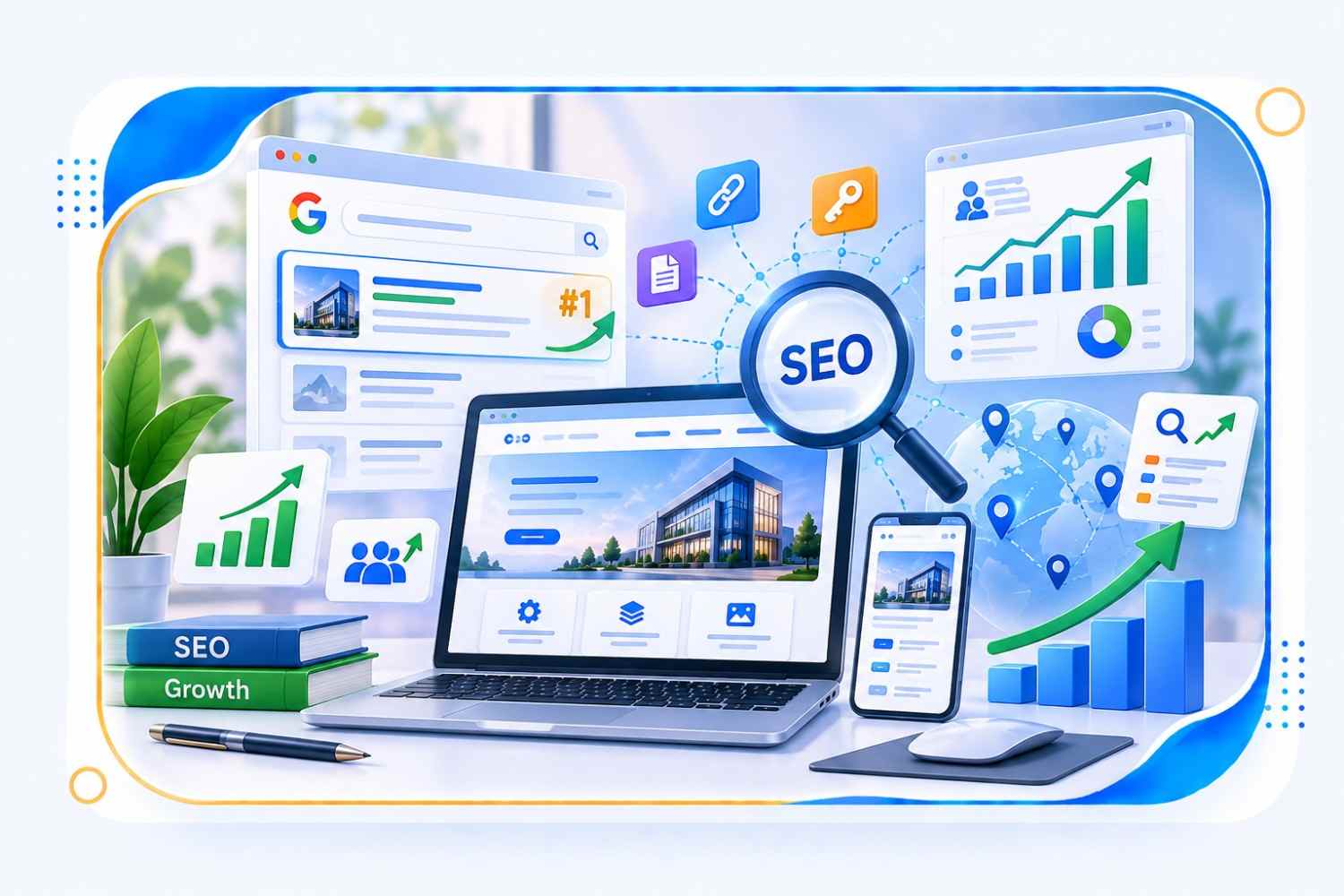
Yes, analytics platforms and conversion tracking tools can be integrated to measure website visits, traffic sources, page interactions, user journeys, and completed actions. Tracking can be configured around your business goals, giving you useful information to assess digital performance, understand visitor behaviour, and identify opportunities for improvement.