
Powering Digital Growth for Businesses Across Industries




















Our Success Stories







Why Partner With Us?
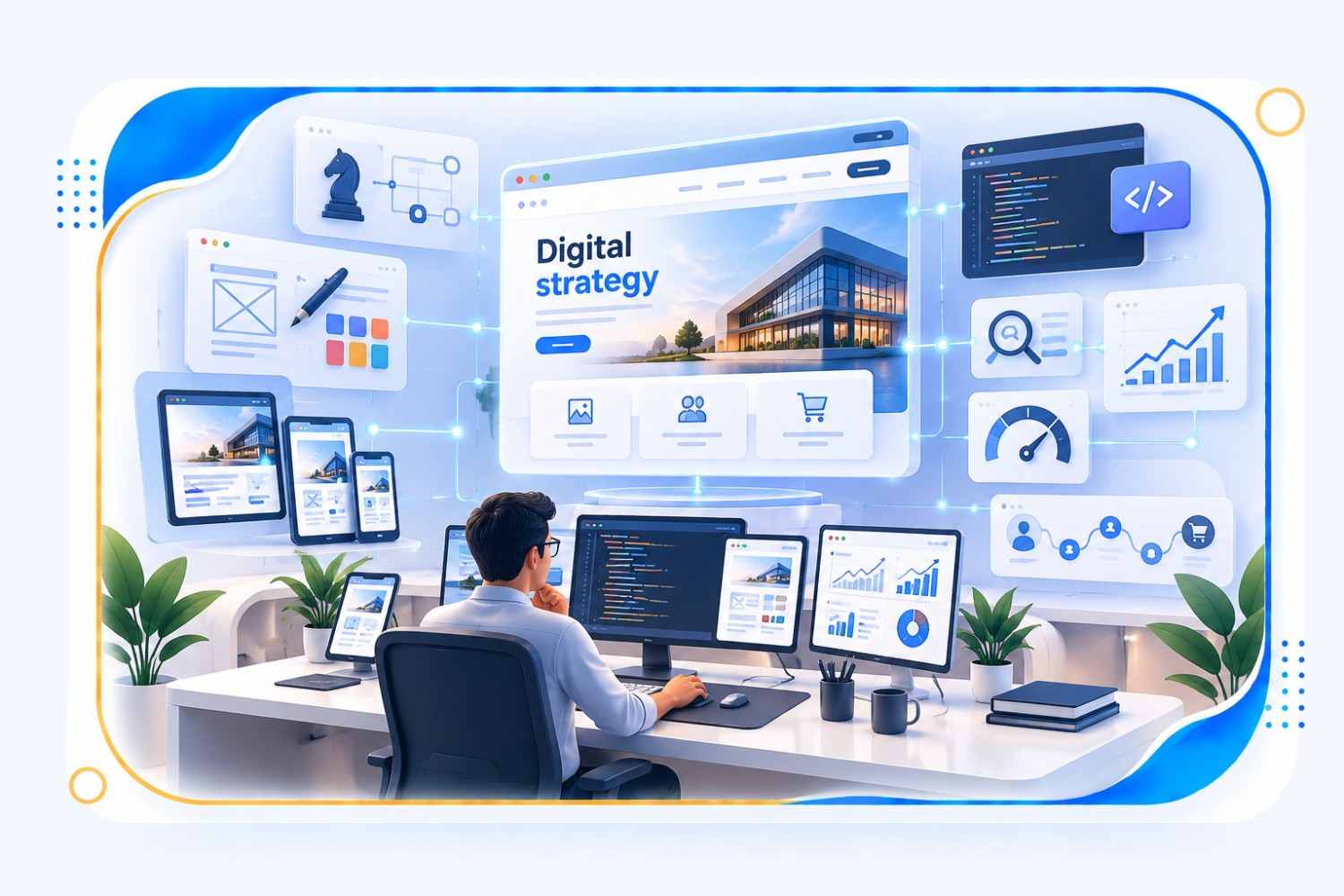
Our Web Design and Development Services in UAE focus on building impactful digital platforms that align with your commercial goals. From visually compelling layouts to advanced website functionality, we deliver customized solutions that enhance brand recognition, simplify user journeys, strengthen online visibility, and help businesses attract potential customers across the Emirates.
Responsive Website Interfaces
Flexible & Custom Development
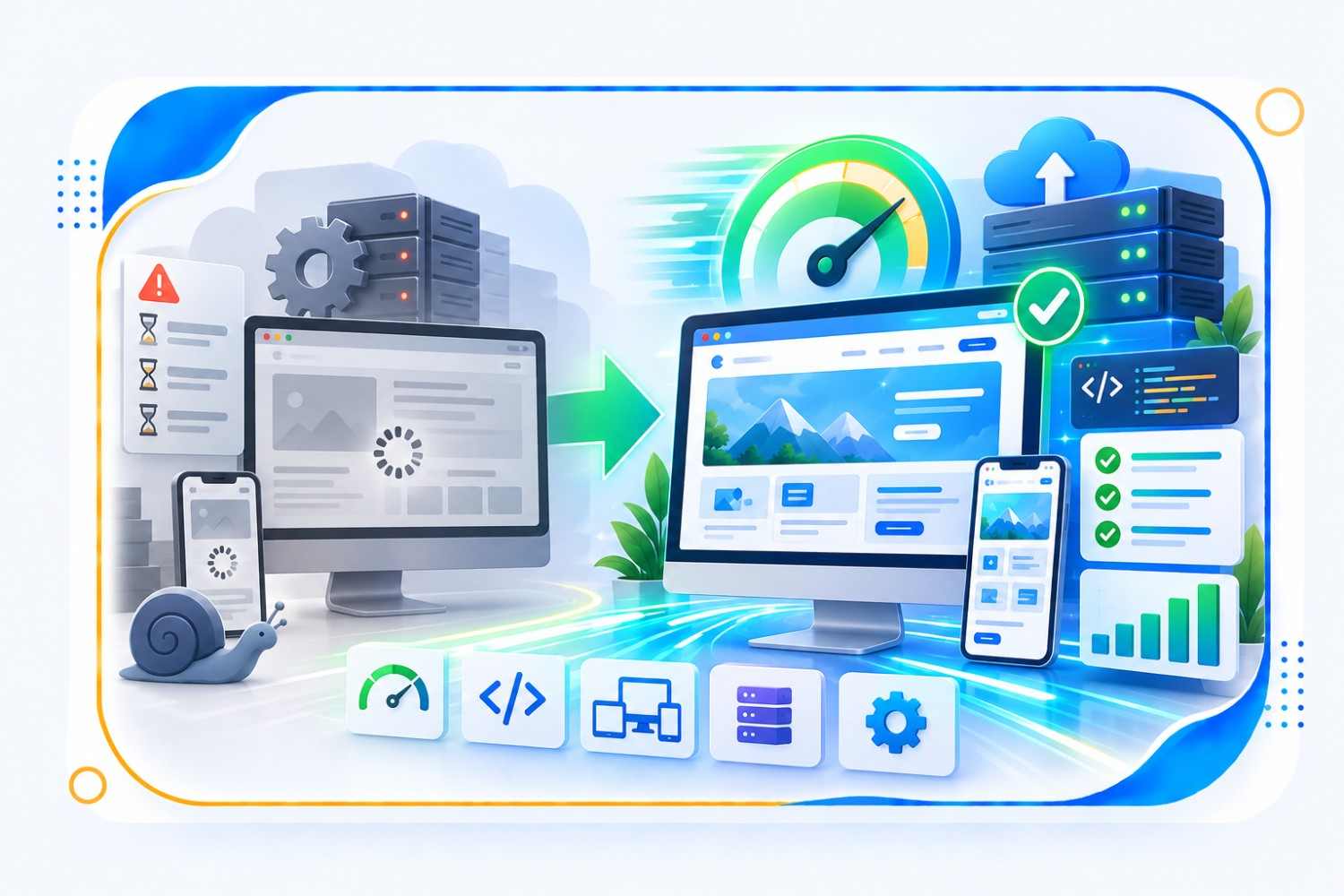
Speed & Website Security

Intuitive User Experiences
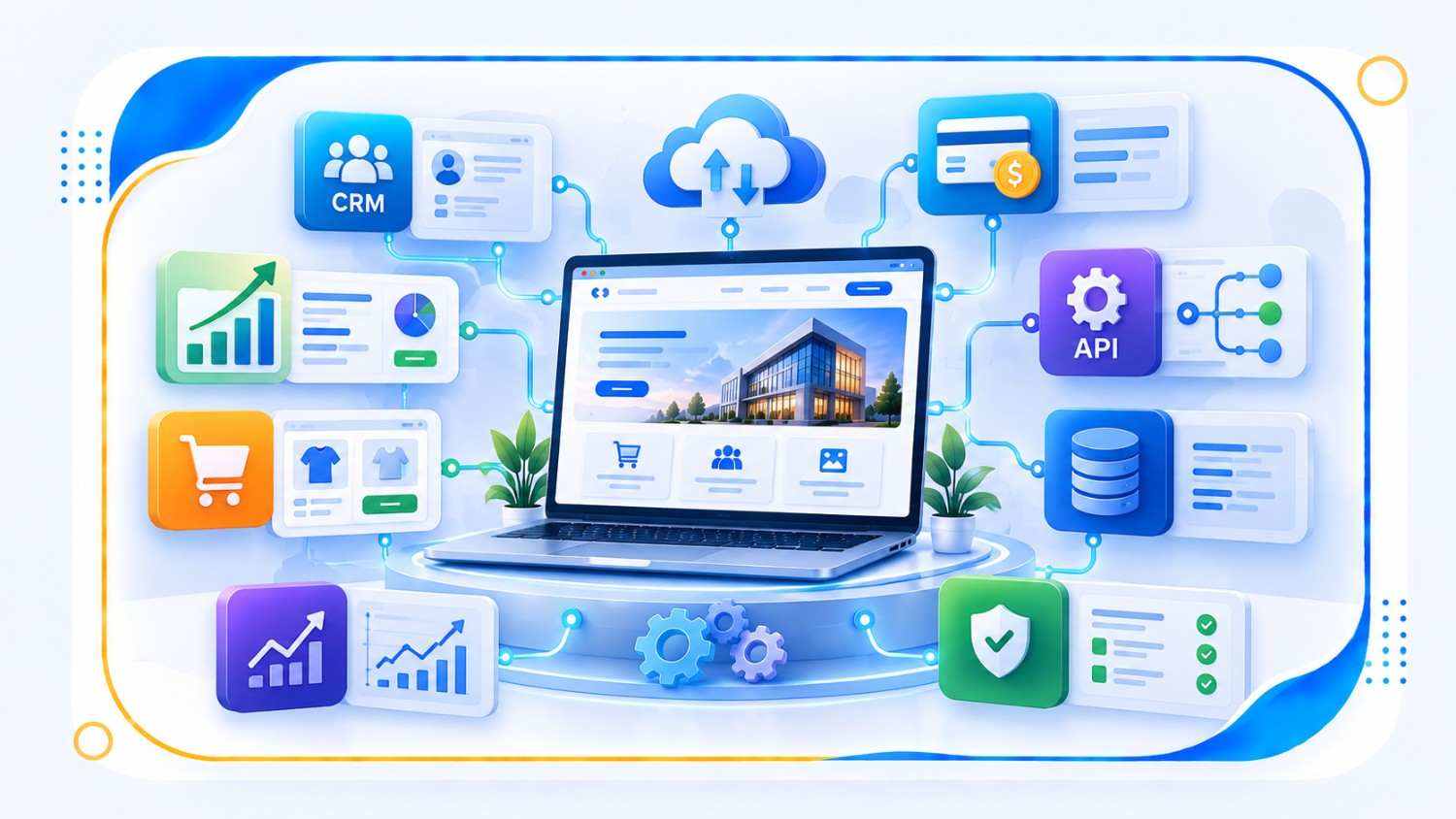
Advanced Website Functionality
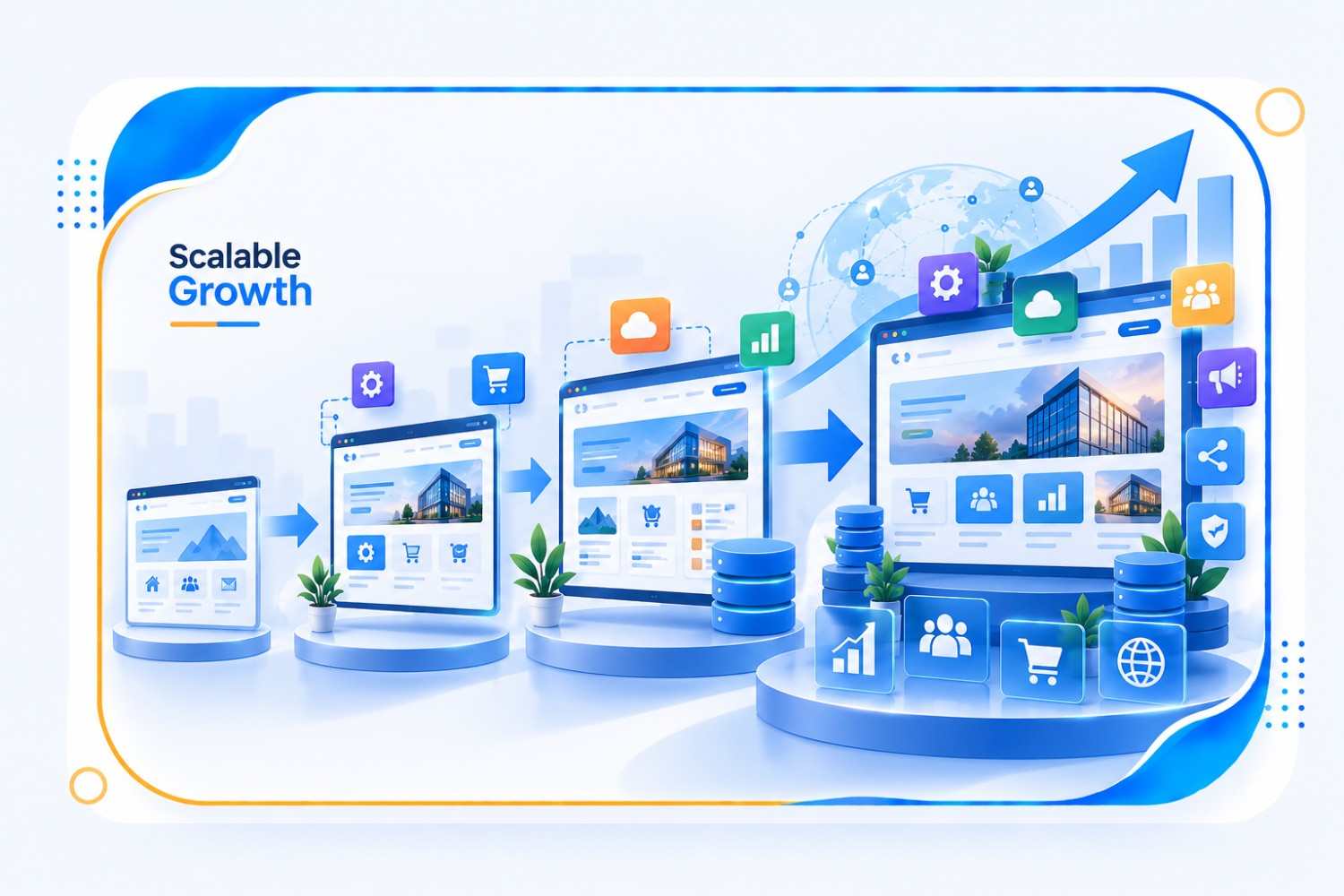
Growth-Ready Digital Platforms
What Makes Linkplux The Best Professional Website Design & Development Service in UAE?


What Our Clients Say About Us
LinkPlux Web Design & Development FAQs
Web Design & Development FAQs + more
A website project brings together the creative, functional, and technical elements needed to establish a strong digital presence. Depending on your goals, the work can cover website planning, visual interface creation, responsive layouts, frontend and backend programming, CMS configuration, eCommerce features, API integrations, search-friendly content structure, performance checks, security testing, and deployment. The scope is tailored to your business requirements, whether you need a corporate website, an online store, or a more advanced web platform for customers across the UAE.
Web design deals with the way a website looks and feels, including its colour palette, typography, page arrangement, navigation, visual elements, and visitor experience. Web development focuses on turning those design concepts into a functioning website through coding, database management, server configuration, CMS setup, and interactive features. Both disciplines work together to create an online platform that is visually consistent, easy to navigate, and technically dependable.
A professionally developed website gives your organization a dedicated online destination where prospective customers can learn about your business, review your offerings, and reach your team. It can strengthen brand presentation, make important information accessible, support search engine discovery, and simplify customer enquiries. For businesses operating in competitive UAE markets such as Dubai, Abu Dhabi, and Sharjah, a well-structured digital platform can also provide a convenient way to communicate with local and international audiences.
Your website can act as a central point for presenting your expertise, introducing products, sharing useful information, and encouraging visitors to connect with your business. Depending on its purpose, it can generate enquiries, collect appointment requests, display property listings, facilitate online purchases, or provide customer account access. Clear calls to action, relevant content, convenient navigation, and well-planned page layouts help turn website visits into meaningful interactions and potential business opportunities.
The completion period varies according to the website's size, number of pages, design expectations, content readiness, technical complexity, and required integrations. A straightforward business website generally involves fewer development stages than a large eCommerce store, membership portal, or custom web application. The review process and speed of receiving content or feedback can also affect the schedule. After understanding your requirements, a project plan can outline the expected stages and delivery timeframe.
Website pricing is influenced by the project's overall scope, page requirements, design approach, chosen platform, custom programming, content preparation, and external system connections. Additional considerations may include online payment facilities, product catalogue management, multilingual functionality, user dashboards, hosting arrangements, and post-launch assistance. Identifying the essential features and business priorities before development begins makes it easier to define the project scope and prepare an appropriate cost estimate.
Yes. Your website can be connected to a content management system that allows permitted users to edit page information, replace photographs, publish news, add blog articles, and maintain product details without changing the underlying code. Platforms such as WordPress offer convenient editing features, while custom CMS solutions can be configured for more specialized workflows. With suitable access controls and basic guidance, your team can handle routine updates and keep the website current.
Websites can be developed with responsive layouts that adjust their content and interface to different screen sizes. This includes flexible page sections, readable typography, adaptable images, mobile-friendly menus, and interactive elements suited to touch navigation. We also consider testing across commonly used browsers and devices to identify display or usability issues. A consistent mobile experience is particularly important for visitors who discover and access businesses through smartphones.
Yes. An online store can be developed with product pages, category organization, search and filtering options, shopping carts, checkout workflows, payment gateway connections, customer profiles, and order management tools. The platform can be configured around your product range, stock-handling process, delivery arrangements, and preferred payment methods. Depending on your requirements, solutions such as Shopify, WooCommerce, or other eCommerce technologies may be considered for your UAE-based business.
Absolutely. The visual direction can be developed around your existing brand guidelines, including your logo, approved colours, typography, imagery, written tone, and preferred design style. These details are applied throughout the website to create a consistent presentation across its pages. If your brand is still evolving, the design process can also help establish a suitable visual direction that reflects your business personality and appeals to your intended audience.
Improving loading speed starts with identifying the resources and technical processes that slow down individual pages. Common measures include compressing images, reducing unused scripts, minifying suitable code, enabling browser caching, optimizing fonts, and reviewing hosting or server response times. Performance tools can also help assess Core Web Vitals and reveal areas that need attention. The most appropriate changes depend on your website platform, hosting environment, and measured performance issues.
Accessibility can be supported through clear heading structures, keyboard-friendly controls, readable typography, suitable colour contrast, descriptive image alternative text, labelled form fields, and predictable navigation. These practices help visitors with different abilities interact with website content and features more comfortably. Accessibility considerations can be included during interface planning, development, and testing to create a more inclusive browsing experience.
Website protection should be planned according to the platform, information being collected, user permissions, and connected applications. Depending on the project's needs, safeguards can include HTTPS encryption, secure authentication, role-based access, software and plugin updates, input validation, scheduled backups, and security monitoring. For websites that process customer details or online payments, additional precautions should be considered to help protect information and maintain dependable operation.
Yes. Analytics and measurement platforms can be connected to monitor website traffic, visitor sources, page views, navigation patterns, form submissions, and other important interactions. Tracking configurations can be selected according to your business objectives, helping you understand how people discover your website and which pages encourage them to take action. Reviewing this information regularly can guide content improvements, marketing decisions, and future website enhancements.